
Blooming
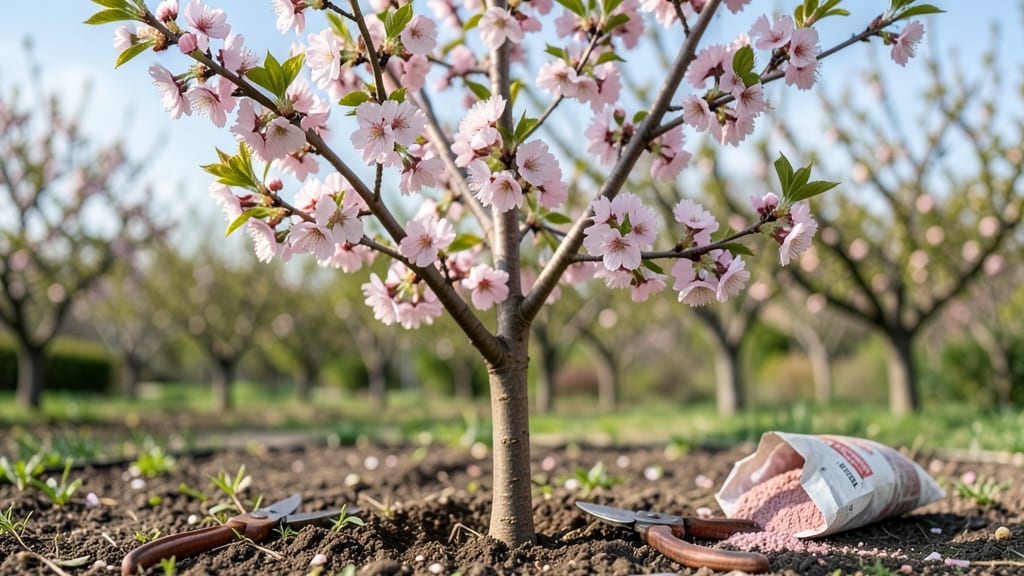
The state flower of Georgia, the peach blossom, isn’t just pretty—it’s a fragrant, pollinator-packed spring statement that turns yards into living canvases. 🌸 I still remember the first time I saw a peach tree in full bloom, its pink clouds drawing bees and hummingbirds like magic.
These aren't just flowers; they're Georgia's heart on display, symbolizing resilience and renewal after winter's grip.
The secret to their showstopping impact? Plant them where they'll get morning sun and afternoon shade, near patios or walkways so you can sip sweet tea beneath their perfume.
Pair them with azaleas or camellias for layered color, and let the blossoms drift over native grasses for that effortless "wild garden" look Georgia gardens love. They bloom for just two weeks, so timing matters—plan your spring cleanups around their peak.
You'll get more than just beauty: these blossoms feed bees when little else is blooming, creating a buzzing ecosystem right in your yard. The scent alone—like cotton candy meets spring rain—will have neighbors asking for your secret.
Plus, mature trees develop that iconic Georgia silhouette, perfect for photos or as a focal point in any landscape design.
Works in both formal and cottage-style gardens, urban backyards, or even large estate plantings. The key is patience—full bloom takes 3-5 years, but once established, they're low-maintenance stars that pay dividends every spring. Here's how to make them the centerpiece of your garden's story.
📚 In This Guide
- What you need
- Instructions
- Tips and common mistakes
- Wrapping up and next steps
What you need
- ● Peach tree seedlings or bare-root saplings: Choose disease-resistant varieties like Elberta or Redhaven (available at local nurseries or online). Quantity: 1–3 trees (for pollination, plant at least two).
- ● Well-draining soil: Mix equal parts garden soil, compost, and coarse sand (or perlite) for optimal root health.
- ● Organic mulch: 2–3 inches of wood chips or straw to retain moisture and suppress weeds.
- ● Slow-release fertilizer: A balanced 10-10-10 or organic option (e.g., fish emulsion) to support early growth.
- ● Watering can or hose with a gentle spray nozzle: Peach trees need 1–2 inches of water weekly during dry spells.
- ● Hand trowel or shovel: For digging planting holes (depth: 2–3 times the root ball width).
- ● Pruning shears: Sterilized with rubbing alcohol to prevent disease (use for shaping young trees).
- ● Garden gloves: Heavy-duty to protect against thorns and soil-borne pathogens.
- ● Sunlight access: Full sun (6+ hours daily) is non-negotiable—peach blossoms thrive in warm, open spaces.
- ○ Pollinator-friendly companions: Optional but encouraged! Plant native flowers like black-eyed Susans or bee balm nearby to attract bees and butterflies.
- ● 🌡️ Timing: Plant bare-root trees in late winter/early spring (Jan–March in Georgia) or container-grown trees in fall for root establishment.
- ● 🔥 Disease prevention: Avoid overhead watering to reduce fungal risks like peach leaf curl.
- ● ✨ Bonus: For a fragrant canopy, choose dwarf varieties if space is limited (e.g., Bonanza peach).
How to cultivate a Georgia peach blossom tree for pollinator-friendly spring beauty
Here's my approach to growing these iconic blossoms—fragrant, prolific, and perfect for attracting bees and butterflies.
🌱 Step 1: Select the Right Peach Cultivar for Blossoms
Not all peaches produce showy blossoms, so choose a variety bred for ornamental value like 'Bonanza' or 'Redhaven.' These cultivars prioritize abundant, fragrant white-pink blooms over fruit production. I always verify with local nurseries—they’ll know which varieties thrive in your hardiness zone.
Peach blossoms thrive in USDA zones 5-9, so check your location. If you're in a colder zone, opt for dwarf varieties like 'Bonanza' that bloom reliably without winter damage. The key is selecting a tree with strong floral genetics—ask for grafted trees with a known blossom history.
☀️ Step 2: Plant in Full Sun with Well-Draining Soil
Peach blossoms need at least 6-8 hours of direct sunlight daily—they won’t open fully in shade. I plant mine in a south-facing location where they get morning sun and afternoon light. The soil must drain well; peach trees hate soggy roots, which leads to root rot and dropped blossoms.
Amend heavy clay soil with 2-3 inches of compost before planting. Work it into the top 12 inches of soil to improve drainage and nutrient availability. The tree’s root ball should sit 1-2 inches above ground level—this prevents water pooling around the trunk. Mulch with 2-3 inches of wood chips to retain moisture while keeping roots cool.
💧 Step 3: Water Deeply During Blooming Season
Once buds form, water deeply once a week—aim for 1-1.5 inches of water per week. Shallow watering stresses the tree and causes buds to drop. I use a soaker hose to deliver water slowly at the base, avoiding the foliage to prevent fungal diseases like peach leaf curl.
Monitor soil moisture by sticking your finger 2 inches deep—if it feels dry, water again. Overwatering is just as harmful as underwatering; peach blossoms wilt dramatically if roots sit in water. Reduce watering slightly after petals fall to encourage fruit set (if desired), but keep soil moist—not soggy.
✂️ Step 4: Prune for Airflow and Blossom Display
Prune in late winter or early spring before buds swell. Remove dead, crossing, or inward-growing branches first to improve airflow—this reduces humidity and fungal risks. I target 30-40% of the tree’s smallest branches, thinning rather than shearing for an open canopy.
Shape the tree to encourage outward growth; peach blossoms thrive on new wood. Avoid heavy pruning in fall—it stimulates late-season growth that won’t harden off before winter. After pruning, apply a copper fungicide spray to prevent peach leaf curl, a common disease that blackens blossoms.
🐝 Step 5: Support Pollinators During Blooming
Peach blossoms are a magnet for bees, butterflies, and hummingbirds. Plant native pollinator-friendly companions like blackberry bushes, viburnum, or butterfly weed within 10 feet of the tree. I also install a small water source (a shallow dish with pebbles) nearby to attract pollinators early in the season.
Skip pesticides entirely during bloom—even "organic" sprays can harm pollinators. If pests appear, use neem oil or horticultural oil after dark when bees are inactive. The goal is a fragrant, bustling canopy that benefits the ecosystem while showcasing Georgia’s state flower.
Tips & tricks for perfect Georgia peach blossom cultivation
Here's what I've learned after years of growing these stunning spring displays—common pitfalls and how to avoid them.
Cultivar Selection: When choosing your peach tree, ask the nursery for a grafted tree with a known blossom history. The 'Bonanza' variety is my top recommendation because it produces abundant, fragrant blooms while remaining compact enough for smaller gardens. Avoid rootstock-only trees—they often produce fewer flowers. I've seen many gardeners make the mistake of selecting trees based solely on fruit production rather than floral display.
Sunlight Strategy: The 6-8 hours of direct sunlight mentioned in Step 2 is non-negotiable for full bloom development. If your location has partial shade, consider planting near a south-facing wall or fence that reflects sunlight. I've noticed that even 1-2 hours less sunlight can result in smaller, less vibrant blossoms. Position your tree where it gets morning sun and afternoon light for optimal results.
Pruning Precision: When pruning in late winter (Step 4), focus on creating an open canopy by removing only the smallest branches—never more than 30-40% of the total. I've learned this the hard way: aggressive pruning can shock the tree and reduce next year's blossom production. Always use clean, sharp pruners to make clean cuts just above outward-facing buds.
Pollinator Partnership: The native companions mentioned in Step 5 make all the difference. I've found that planting blackberry bushes within 10 feet creates a pollinator superhighway—bees and butterflies move between the two plants with ease. For maximum impact, add a small water source nearby. Even a shallow dish with pebbles will attract pollinators early in the season when natural water sources are scarce.
Pro Tips for State Flower Georgia Peach Blossom
- Here's what I've learned after years of growing these stunning spring displays—common pitfalls and how to avoid them.
- Cultivar Selection: When choosing your peach tree, ask the nursery for a grafted tree with a known blossom history.
- Sunlight Strategy: The 6-8 hours of direct sunlight mentioned in Step 2 is non-negotiable for full bloom development.
Frequently asked questions
Got questions about Georgia’s stunning peach blossom?
Here are some of the most common ones—plus quick answers to help you appreciate (and even grow!) this iconic state flower.
When do peach blossoms bloom in Georgia?
Peach blossoms typically bloom between mid-February and early April, depending on the microclimate. Warmer southern regions (like Savannah) may see blossoms as early as late January, while higher elevations (like the Blue Ridge Mountains) might bloom a few weeks later. Pro tip: Check local frost dates—blossoms are sensitive to late frosts!
Can I grow peach blossoms in my garden?
Yes! While peach trees need full sun (6+ hours/day) and well-draining soil, you can grow dwarf varieties in containers or even plant a single blossom tree for fragrance. Troubleshooting: If your tree isn’t blooming, it might need more sunlight, balanced fertilizer (high in phosphorus), or patience—young trees focus on root growth first.
Why are peach blossoms important for pollinators?
These blossoms are a critical early-season food source for bees, butterflies, and hummingbirds. Their pollen-rich flowers support local ecosystems, especially since they bloom before many other plants. Fun fact: A single peach tree can attract hundreds of pollinators in peak bloom!
Do peach blossoms mean peaches are ready to pick?
Nope! Blossoms signal spring, but peaches take 4–6 months to ripen after flowering. Look for color change (from green to pink/yellow) and slight softness when checking for ripeness. Patience pays off—the best peaches develop fully after the blossoms fall!
What if I can’t find peach blossoms locally?
No worries! You can plant ornamental peach trees (like ‘Bonanza’ or ‘Redhaven’) for blossoms without fruit, or visit public gardens during peak bloom (e.g., Georgia’s State Botanical Garden). For a quick fix, dried peach blossoms (available online) make fragrant potpourri or tea!
Wrapping up and next steps
The Georgia peach blossom isn’t just a symbol of Southern beauty—it’s a lifeline for pollinators and a reminder of nature’s fleeting, fragrant magic. 🌸 From its delicate petals to its role in supporting ecosystems, this state flower embodies resilience and grace.
Whether you’re planting one or simply admiring its bloom, you’re part of a tradition that celebrates both heritage and harmony.
Ready to dive deeper? Explore local gardening clubs or visit Georgia’s botanical gardens to witness these blossoms in person—and maybe even grow your own! 🌱