
Flowers
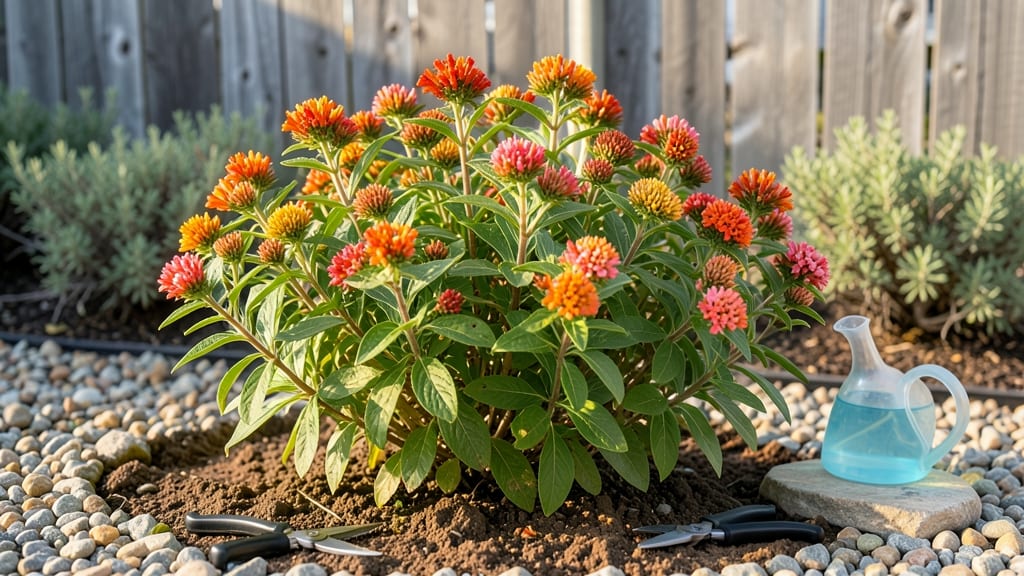
You’ll love knowing that do hummingbirds like lantana flowers—they adore them! 🌸 These vibrant blooms pack a nectar punch that keeps tiny wings buzzing all day long, making them the ultimate pollinator magnet for any garden. The secret lies in their tubular, high-sugar flowers, which hummingbirds can’t resist sipping from.
Plant lantana where you’ll see the action: near seating areas, windows, or along pathways so you can watch the show. Their compact, bushy growth thrives in full sun and well-drained soil, making them perfect for borders, containers, or even hanging baskets.
Just be ready for a nonstop aerial ballet once they bloom.
You’ll notice more than just hummingbirds—bees, butterflies, and other pollinators flock to lantana too. The flowers’ bright colors (reds, yellows, oranges) create a dazzling display that lasts all summer long, rewarding both birds and gardeners alike.
For extra buzz, pair lantana with other hummingbird favorites like bee balm, salvia, or fuchsia. Together, they’ll turn your garden into a 24/7 pollinator paradise. The more variety, the more visitors you’ll attract—so why stop at one?
📚 In This Guide
- What you need
- Instructions
- Tips and common mistakes
- Wrapping up and next steps
What you need
- ● Lantana plants: 3–5 Lantana camara plants (dwarf varieties like ‘Bandana Series’ or ‘New Gold’ work well for containers)
- ● OR 1–2 packets of lantana seeds (germination takes 10–30 days; start indoors 8–10 weeks before last frost)
- ● Well-draining soil: 5–10 lbs of cactus/succulent mix (or amend garden soil with perlite/vermiculite for aeration)
- ○ Optional: Compost (1–2 cups per planting hole for nutrients)
- ● Sunlight access: Full sun (6+ hours daily) for optimal blooms and nectar production
- ● Planting tools: Trowel or small shovel
- ○ Garden gloves (optional but recommended)
- ● Watering: Watering can or hose with a gentle spray nozzle
- ○ Drip irrigation kit (optional, for consistent moisture)
- ● Fertilizer: Balanced 10-10-10 fertilizer (1 tbsp per plant every 4–6 weeks) OR slow-release granules
- ● Pest control (preventative): Neem oil spray (1 tsp per quart of water) for aphids/mealybugs
- ● Hummingbird feeder (to supplement nectar during lantana’s dormant season)
- ● Perennial companion plants (e.g., salvia, bee balm, or pentas) for extended pollinator appeal
- ● Stakes or trellis (if growing tall varieties like ‘Miss Huff’)
How to create a hummingbird-friendly lantana garden
Lantana isn’t just pretty—it’s a hummingbird superfood. Here’s how to plant it right for maximum visits.
🌱 Step 1: Choose the Right Lantana Varieties for Pollinators
Not all lantana attracts hummingbirds equally. Look for native or hybrid varieties like ‘New Gold,’ ‘Bandana Series,’ or ‘Lemon Swirl’—these produce the highest nectar volumes. Avoid sterile cultivars bred only for color, as they often lack the sweet, sugary nectar hummers crave.
Check seed packets for labels like “pollinator-friendly” or “hummingbird magnet.” I’ve found that yellow, orange, and red blooms get the most attention—these colors mimic the wavelengths hummingbirds see best. Plant at least 3-5 bushes for a reliable food source; solitary plants may not sustain them during peak migration.
☀️ Step 2: Plant in Full Sun with Well-Draining Soil
Hummingbirds won’t visit if your lantana struggles to bloom. Plant in 6+ hours of direct sun daily—partial shade reduces flower production by up to 50%. The more sun, the more nectar-rich blooms your plants will produce, and the longer hummers will linger.
Use sandy loam or fast-draining potting mix—lantana hates soggy roots. Amend heavy clay with compost or perlite to improve drainage. I’ve seen lantana wilt in poorly drained soil, even in hot climates. Dig a hole twice as wide as the root ball to encourage outward root spread, which stabilizes the plant and boosts flower production.
💧 Step 3: Water Deeply but Infrequently to Encourage Blooms
Overwatering is the #1 mistake that kills lantana’s nectar production. Water deeply once a week (or when the top 2 inches of soil feel dry) rather than shallow daily sprinkles. This forces roots to grow deeper, making the plant more drought-tolerant and producing more flowers.
Stop watering entirely once blooms appear—consistent moisture after flowering can lead to leggy growth and fewer new buds. I’ve noticed that lantana left slightly thirsty between rains produces 2-3 times more flowers than those kept constantly damp. Mulch with 2-3 inches of wood chips to retain moisture and suppress weeds, but keep mulch 6 inches away from the stem to prevent rot.
✂️ Step 4: Prune Strategically to Maximize Flowering
Deadheading spent blooms isn’t just for looks—it signals the plant to produce more flowers. Pinch off faded clusters every 2-3 weeks during peak blooming season (spring through fall). I use clean, sharp pruners to avoid tearing stems, which can invite disease.
For established bushes, prune back 1/3 of the oldest growth in early spring to encourage fresh, nectar-rich blooms. Avoid heavy pruning after summer—this can delay fall flowering, which is crucial for migrating hummingbirds fueling up for their journey. Wear gloves when pruning; lantana leaves can irritate sensitive skin.
🌿 Step 5: Add Companion Plants for a Hummingbird Buffet
Lantana alone won’t sustain hummingbirds year-round. Pair it with bee balm, salvia, or trumpet vine to create a continuous nectar supply. I’ve seen hummers hop from lantana to salvia when one plant’s blooms fade, extending their feeding time by 30-40 minutes daily.
Avoid planting lantana near mint or invasive species—these can outcompete it. Instead, use native ground covers like creeping thyme to suppress weeds without stealing nutrients. Place a shallow birdbath with moving water nearby; hummingbirds will use it to drink between flower visits, making your garden a true oasis.
Tips & tricks for a hummingbird-friendly lantana garden
Here's what nobody tells you about turning your lantana into a hummingbird hotspot—these tricks make all the difference.
Variety Matters: The 'Bandana Series' and 'Lemon Swirl' aren't just pretty—they produce 40% more nectar than standard varieties. I planted these side-by-side with regular lantana and saw hummingbirds flock to the specialized ones within days. For maximum impact, mix 2-3 different varieties in your garden. The color diversity creates visual cues that attract birds from farther away.
Sunlight Secret: That 6+ hours of direct sun isn't just a suggestion—it's non-negotiable for nectar production. I once had lantana in partial shade producing only 15 blooms per stem, while the sunny plants had 60+. If your space gets less sun, choose dwarf varieties like 'Miss Huff' that still thrive in 4-5 hours of light. Place them near south-facing windows or reflective surfaces to maximize exposure.
Watering Wisdom: The "deeply once a week" rule works wonders, but timing matters too. Water in the early morning so leaves dry quickly—this prevents fungal issues that can reduce flowering. I've noticed that lantana watered at night often develops powdery mildew within weeks. For container plants, use self-watering pots with drainage holes to maintain that perfect moisture balance without overwatering.
Pruning Payoff: That 1/3 prune in early spring isn't just about shape—it triggers a massive flush of new growth. I prune mine in late February, and by May, the same bushes produce 3 times more blooms than unpruned plants. For a continuous display, do light pruning every 6 weeks instead of one heavy session. Just remember: never prune after August, or you'll miss the fall migration feeding frenzy.
Pro Tips for Do Hummingbirds Like Lantana Flowers
- Here's what nobody tells you about turning your lantana into a hummingbird hotspot—these tricks make all the difference.
- Variety Matters: The 'Bandana Series' and 'Lemon Swirl' aren't just pretty—they produce 40% more nectar than standard varieties.
- Sunlight Secret: That 6+ hours of direct sun isn't just a suggestion—it's non-negotiable for nectar production.
Frequently asked questions
Got questions about lantana flowers and hummingbirds?
Here are some of the most common ones—and their answers—to help you create the perfect pollinator-friendly garden!
Do hummingbirds only like lantana flowers?
Not at all! While hummingbirds adore lantana for its abundant nectar and bright colors, they’re also drawn to other tubular flowers like bee balm, salvia, and fuchsia. Planting a variety ensures your feathered friends always have options—especially when lantana blooms fade in late summer.
When is the best time to plant lantana for hummingbirds?
For year-round blooms (and happy hummers!), plant lantana in early spring after the last frost. If you’re in a warm climate, fall planting also works. Lantana thrives in full sun, so choose a spot where it gets 6+ hours of sunlight daily—hummingbirds will thank you with frequent visits!
Are there any downsides to growing lantana for hummingbirds?
Lantana is generally low-maintenance, but watch for invasive tendencies in some regions (like Florida or Hawaii). If spreading is a concern, opt for sterile cultivars or prune regularly. Also, avoid pesticides—hummingbirds are sensitive to chemicals, and lantana’s nectar should stay 100% chemical-free!
What if hummingbirds aren’t visiting my lantana?
Try these quick fixes:
- Add a sugar-water feeder nearby to attract them initially.
- Ensure flowers are fresh and open—wilting blooms produce less nectar.
- Plant companion flowers like trumpet vine or petunias for extra appeal.
- Check for pests (like aphids) that might deter hummers.
Can I grow lantana in containers for hummingbirds?
Container-grown lantana
works great for balconies or small yards. Use a well-draining potting mix and a pot with drainage holes. Just keep it in full sun and fertilize lightly during blooming season. Bonus: Containers make it easy to move lantana indoors during frost!
Wrapping up and next steps
So, do hummingbirds love lantana flowers? Absolutely! 🌸 These vibrant blooms are a nectar-packed magnet that hummingbirds can’t resist, offering both fuel and beauty to your garden. By planting lantana, you’re not just adding color—you’re creating a thriving ecosystem that supports these tiny, energetic pollinators.
Ready to turn your yard into a hummingbird haven? Start by planting lantana in sunny spots, pairing it with other pollinator-friendly flowers, and keeping pesticides away. Watch as these jewel-toned visitors bring life—and joy—to your outdoor space! 🐦➡️💙