Planting
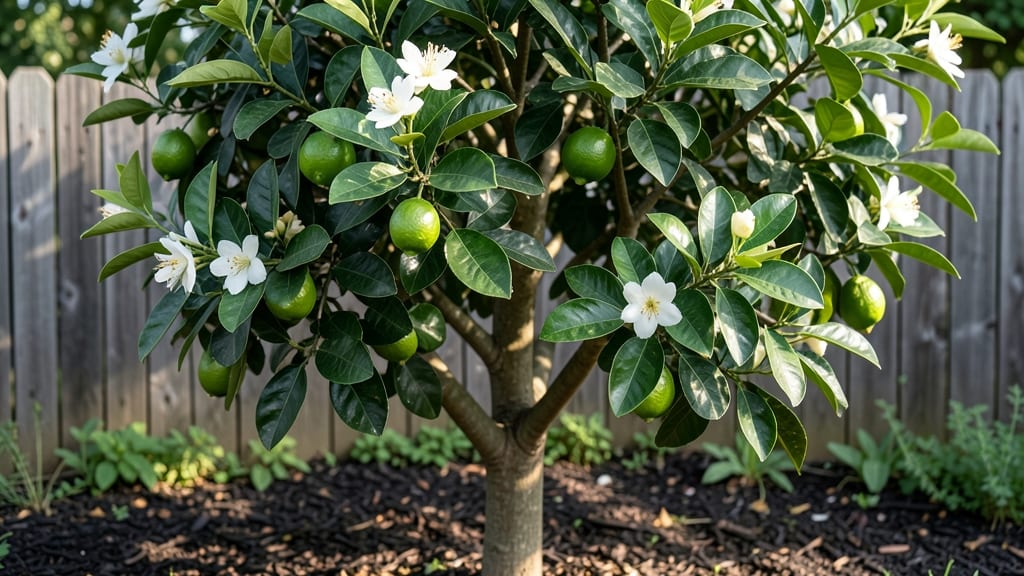
The moment your lemon plant flower opens is when the magic truly begins—those delicate white blossoms smell like sunshine and promise the tangy reward of homegrown lemons. 🌸 I remember the first time mine bloomed after months of careful care: the way the petals unfurled like nature’s own confetti, signaling that all the sunlight, water, and patience had paid off.
Here’s the thing—citrus trees like lemons are finicky about flowering. They need 6+ hours of direct sun daily, well-draining soil, and a balanced fertilizer rich in phosphorus to trigger blooms.
Too much water or nitrogen, and they’ll send out leaves instead of flowers. My first year, I overwatered and got zero blooms—until I adjusted my routine.
When those flowers appear, you’ll want to protect them from frost and pests while encouraging pollination. A soft brush can mimic bees if your plant is indoors, and a light spray of water in the morning keeps them fresh.
Within weeks, you’ll spot tiny green lemons forming—proof that your efforts are working.
This works for dwarf varieties in pots or full-size trees in warm climates. The key is consistency: stick with the care routine, and you’ll have blooms—and eventually fruit—year after year. Let’s get those flowers going!
📚 In This Guide
- What you need
- Instructions
- Tips and common mistakes
- Wrapping up and next steps
What you need
- ● Lemon seeds (or a healthy lemon plant cutting, 3–5 inches long)
- ● Well-draining potting mix (cactus/succulent blend or 50% regular soil + 50% perlite/pumice, ~2–3 gallons)
- ● Pot with drainage holes (5–7 inches in diameter for seedlings; 12+ inches for mature plants)
- ● Spray bottle (for gentle watering)
- ● Fertilizer (balanced 10-10-10 or citrus-specific, 1 tbsp per gallon of water)
- ● Pruning shears (sterilized, for shaping and harvesting)
- ● Sunlight access (6+ hours of direct sun daily, or a grow light for indoors)
- ● Humidity tray (pebble tray with water to boost moisture, especially indoors)
- ● Citrus micronutrients (like iron or magnesium supplements for yellowing leaves)
- ● Mulch or bark chips (to retain soil moisture and mimic outdoor conditions)
- ● Pollination tool (soft paintbrush to hand-pollinate flowers for fruit)
- ● Support stake or trellis (for larger plants to prevent toppling)
Step-by-Step guide to encouraging lemon tree flowers
Here's how to coax those fragrant blossoms from your citrus tree.
🌱 Step 1: Start with Proper Light Exposure
Lemon trees need full sun—at least 6-8 hours daily—to trigger flowering. Place your tree near a south-facing window or supplement with a grow light if indoors. You'll know it's getting enough light when new growth appears bright green and compact rather than leggy and pale.
If your tree has been indoors for months, move it outside gradually over 1-2 weeks to avoid sunburn. Start with 2-3 hours of morning sun, then increase daily. Watch for leaves turning slightly yellow—this means it's adjusting well to the light.
💧 Step 2: Master Watering for Flowering Success
Overwatering or underwatering both kill blooms. Water when the top 2 inches of soil feel dry—stick your finger in to check. Lemon trees prefer consistent moisture but hate soggy roots. Use room-temperature water to avoid shocking the tree.
Reduce watering slightly in winter when growth slows. You'll see drooping leaves if it's thirsty, but yellowing leaves if it's getting too much water. A well-draining pot with drainage holes is critical—citrus roots rot easily in standing water.
☀️ Step 3: Feed for Blooms with the Right Fertilizer
Use a balanced citrus fertilizer (like 6-6-6 or 8-3-9) every 4-6 weeks during spring and summer. You'll notice new growth within 2-3 weeks of fertilizing—this is your signal the tree is happy. In fall and winter, cut back to once every 8-12 weeks to encourage flowering.
Never fertilize a dry tree—always water first. If you see brown leaf tips, you're overdoing it. A slow-release fertilizer mixed into the soil at planting time provides steady nutrients without risk of burning roots.
✂️ Step 4: Prune Strategically to Encourage Flowers
Prune in late winter or early spring before new growth starts. Cut back overly long branches by one-third to encourage bushier growth. Always make cuts just above a leaf node—this is where new branches and flowers will form.
Remove dead, diseased, or crossing branches first. You'll see new shoots emerge within 2-4 weeks of pruning. Avoid heavy pruning in fall or winter—this stresses the tree and delays flowering.
🌿 Step 5: Create Ideal Conditions for Blooms
Lemon trees flower best with warm days (70-85°F) and cool nights (55-65°F). If your tree isn't blooming, check your humidity levels—citrus trees prefer 40-60% humidity. A pebble tray with water near the pot helps maintain moisture in dry air.
Watch for tiny white or pink buds forming—these are your first sign of upcoming flowers. If buds appear but drop off, your tree may be stressed from temperature swings or lack of nutrients. A light spray of water on buds in dry climates can help them set fruit.
Tips & tricks for perfect lemon tree blooms
Common pitfalls—and how to sidestep every one—when growing fragrant lemon blossoms year-round.
Light Exposure Secret: If your tree isn't getting enough natural light, supplement with a grow light for 12-14 hours daily during winter months. Position it 6-12 inches above the tree to mimic sunlight intensity. I've seen trees that struggled outdoors bloom beautifully with this light schedule—it's like giving them a second sun!
Watering Wisdom: The "top 2 inches dry" rule works, but here's the trick: use your finger to check moisture at the mid-pot level too. Lemon trees often show thirst signs (drooping leaves) only after the roots are already stressed. Water thoroughly until it drains from the bottom, then empty the saucer to prevent root rot.
Fertilizer Timing: When you fertilize every 4-6 weeks in spring/summer, pair it with a light pruning session. The new growth from pruning will soak up those nutrients faster, giving you those bright green leaves within 2-3 weeks. In fall, switch to a low-nitrogen fertilizer (like 2-4-4) to prepare for flowering season.
Pruning Precision: That one-third cut in Step 4 might seem drastic, but here's why it works: You're encouraging the tree to grow bushier, which creates more leaf nodes—where flowers form. Always cut at a 45-degree angle just above a leaf node to prevent water pooling on the cut. I've seen trees go from sparse to lush in just one growing season after this technique.
Pro Tips for Lemon Plant Flower
- Common pitfalls—and how to sidestep every one—when growing fragrant lemon blossoms year-round.
- Light Exposure Secret: If your tree isn't getting enough natural light, supplement with a grow light for 12-14 hours ...
- Watering Wisdom: The "top 2 inches dry" rule works, but here's the trick: use your finger to check moisture at the mi...
Frequently asked questions
Got questions about coaxing those fragrant lemon plant flowers to life? You’re not alone! Here are answers to the most common queries—from impatient gardeners to seasoned citrus lovers.
How long does it take for a lemon plant to flower from seed?
A lemon tree grown from seed can take 3–5 years to produce flowers, depending on care, light, and variety. For faster blooms, opt for grafted nursery plants (1–2 years). Patience pays off—those first citrus scents are worth the wait!
Why isn’t my lemon plant flowering?
Common culprits include lack of sunlight (6+ hours/day), overwatering (let soil dry slightly between waterings), or nutrient deficiencies (use citrus-specific fertilizer in spring/fall). Young plants may also prioritize growth over blooms. Try moving it outdoors for summer!
Can I force lemon flowers indoors year-round?
Yes! Mimic outdoor conditions: place near a south-facing window, use a grow light (12–16 hours/day), and maintain 60–70°F temps. Prune leggy growth to encourage bushiness, and fertilize lightly every 2 months. Just avoid drafts—lemon plants hate sudden temperature swings!
Are lemon plant flowers edible?
While the petals are edible (add to teas or desserts), the buds are the star—used in limoncello and garnishes. Just avoid pesticides if harvesting for culinary use. Pro tip: Pick buds early morning for maximum flavor!
What if my lemon flowers drop before fruiting?
This often signals stress—check for underwatering, over-fertilizing, or temperature shocks. Lemon trees also drop blooms if they’re too young or lack pollinators (hand-pollinate with a soft brush if indoors). Give it time and consistent care!
| Quick Fixes for Dropped Blooms |
|---|
|
Wrapping up and next steps
Growing a lemon plant from seed to a stunning, flower-filled centerpiece is a rewarding journey that brings beauty and fresh citrus to your space! 🌿 With the right care—sunlight, patience, and a little TLC—you’ll enjoy fragrant blooms and zesty lemons year after year.
Whether you’re a beginner or a seasoned gardener, now’s the perfect time to start!
Ready to turn your green thumb into a citrus masterpiece? Pick your seeds, grab your pot, and let the blooms begin! 🌸