Propagation
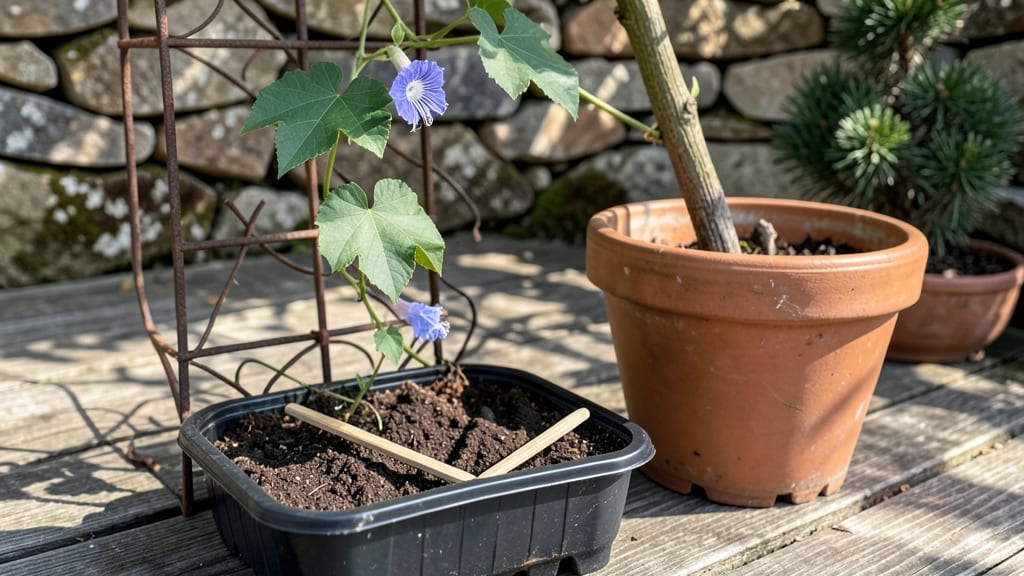
Growing passion flower from seed lets you cultivate those exotic, velvety blooms right in your own backyard—no tropical vacation required. 🌿 The first time I watched a seedling unfurl its delicate tendrils, I knew this plant was magic in disguise.
It’s not just about the stunning flowers; it’s about transforming a corner of your yard into a living jungle escape with minimal effort.
The secret to success starts with the right setup: a warm spot, moist seed-starting mix, and patience (this isn’t a fast-track plant). Passionflower seeds can take 2-4 weeks to germinate, but once they break through, you’ll see rapid growth.
The key is keeping them consistently damp—not soggy—and giving them bright, indirect light until they’re strong enough to handle full sun.
By summer, you’ll have vigorous vines climbing trellises or sprawling across fences, their glossy leaves and intricate flowers drawing hummingbirds and butterflies. The blooms aren’t just pretty—they’re edible too, adding a tropical twist to salads or garnishes.
This plant thrives in zones 7-11, but even in cooler climates, it can be grown as an annual or overwintered indoors.
Troubleshooting is simple: yellowing leaves mean too much water; slow growth often signals low light. With the right care, your passionflower will reward you with months of vibrant blooms—proof that tropical beauty doesn’t require a passport. Let’s get those seeds sprouting!
📚 In This Guide
- What you need
- Instructions
- Tips and common mistakes
- Wrapping up and next steps
What you need
- ● Passion flower seeds: 5–10 seeds (fresh or dried, but ideally harvested within 6 months for best germination). Look for varieties like Passiflora edulis (purple passion fruit) or Passiflora caerulea (blue passion flower).
- ● Seed-starting mix: 2–3 cups of a well-draining, sterile potting mix (avoid garden soil—it can harbor fungi or pests). A cactus/succulent mix works well!
- ● Seed trays or small pots: 2–4 biodegradable pots (3–4 inches deep) or a seed tray with individual cells (1–2 inches deep). Ensure they have drainage holes!
- ● Clear plastic domes or plastic wrap: To create a mini greenhouse effect and retain humidity.
- ● Spray bottle: For gently misting seeds (avoid soaking the mix).
- ○ Heat mat (optional but helpful): A seedling heat mat (set to 75–85°F) to speed up germination.
- ● Grow lights or sunny windowsill: A full-spectrum LED grow light (12–16 hours/day) or a south-facing window with indirect light.
- ● Fertilizer: A balanced, water-soluble fertilizer (5-10-5 or 10-10-10) diluted to half-strength for seedlings.
- ● Seed scarification tools: Sandpaper (fine-grit) or a knife to lightly nick the seed coat if germination is slow.
- ● Humidity tray: A shallow tray filled with water and pebbles to boost moisture levels.
- ● Trellis or stakes: Small bamboo stakes or a mini trellis (4–6 inches tall) for early support.
- ● Fungicide: A natural option like neem oil to prevent damping-off if seedlings look leggy or moldy.
- ● Garden journal: To track planting dates, germination progress, and growth milestones!
Step-by-Step instructions for growing passion flower from seed
Here's how to coax these exotic vines from tiny seeds into thriving climbers.
🌱 Step 1: Stratify Seeds for Better Germination
Passion flower seeds need a cold treatment to break dormancy. Place them in a sealed plastic bag with a damp paper towel and refrigerate for 4-6 weeks. Check weekly—the towel should stay moist but not soggy. This mimics winter's natural chilling period that triggers germination.
Real talk: If you skip this step, seeds may take months to sprout—or not at all. I've tried planting them fresh, and they just sit there stubbornly. The cold treatment is what unlocks their potential. Once stratified, seeds are ready to plant when they feel slightly wrinkled but not dry.
💧 Step 2: Plant in Warm, Well-Draining Soil
Fill a small pot with well-draining potting mix (avoid garden soil—it's too dense). Plant seeds ¼ inch deep, spacing them 1 inch apart. Passion flowers grow best in 60-75°F soil temperatures, so place the pot on a seedling heat mat if your home runs cooler.
Water gently until the surface looks damp but not wet. Overwatering now causes seeds to rot before they even sprout. I like to use a spray bottle for this step—it gives me better control. Keep the soil consistently moist (not soggy) until germination, which typically takes 2-4 weeks after stratification.
☀️ Step 3: Provide Bright, Indirect Light
Once sprouts appear, move plants to a bright, sunny window (south-facing is ideal). Passion flowers need 6+ hours of light daily, but direct midday sun can scorch tender seedlings. A sheer curtain helps diffuse harsh rays while still providing plenty of brightness.
You'll see leggy growth if light is insufficient—stems stretch thin and pale. If this happens, move the plant within 4 inches of the window or supplement with a grow light. Strong seedlings have thick stems and deep green leaves with no gaps between them.
🪴 Step 4: Transplant When Strong Enough
After 4-6 weeks, when seedlings show 3-4 true leaves, transplant them to 6-inch pots with fresh potting mix. Handle roots gently—passion flowers are sensitive to disturbance. Choose a location with partial shade (morning sun, afternoon shade) for the first growing season.
Water deeply after transplanting to settle the soil around roots. The first few weeks are critical—keep soil moist but never waterlogged. You'll know moisture is right when the top inch feels dry to the touch. This prevents root rot while encouraging strong growth.
Tips & tricks for perfect passion flower seedlings
A few simple tricks will help you avoid common pitfalls and give your passion flowers the best start possible. These exotic vines reward patience—here's how to maximize your success.
Cold Treatment Precision: During the 4-6 week stratification period in Step 1, place your sealed bag of seeds on a shelf in the crisper drawer of your fridge for the most consistent 35-40°F environment. I've found this mimics natural winter conditions better than the main fridge compartment. Check weekly by gently squeezing the paper towel—it should feel like a well-wrung sponge, never dripping. If you notice mold or sliminess, start fresh with a new towel and seeds.
Soil Temperature Secret: For Step 2, if your home stays below 60°F, invest in a small seedling heat mat—it's the difference between successful germination and failed attempts. I've seen seeds rot when planted in cool soil that didn't warm up properly. Place your pot on the heat mat before planting, then keep it there until you see sprouts. This creates the ideal 60-75°F soil temperature range passion flowers crave.
Lighting Strategy: In Step 3, position your seedlings within 4 inches of the window glass, but rotate the pot ¼ turn daily. This prevents uneven growth toward the light source. I've noticed seedlings develop a permanent lean if left in one position too long. For north-facing windows, supplement with a basic LED grow light for 12 hours daily—passion flowers need that extra push to develop strong stems.
Transplanting Wisdom: When handling those delicate roots in Step 4, use a butter knife to gently loosen the soil around the edges before lifting. Passion flower roots are surprisingly fragile. After transplanting, water thoroughly but avoid getting water on the leaves—this prevents fungal issues. I've learned this the hard way after losing seedlings to black spot disease from overhead watering.
Pro Tips for Growing Passion Flower From Seed
- A few simple tricks will help you avoid common pitfalls and give your passion flowers the best start possible. These ...
- Cold Treatment Precision: During the 4-6 week stratification period in Step 1, place your sealed bag of seeds on a sh...
- Soil Temperature Secret: For Step 2, if your home stays below 60°F, invest in a small seedling heat mat—it's the diff...
Frequently asked questions
Got questions about nurturing your passion flower seeds into stunning vines? Here are some of the most common queries—plus quick, actionable answers to keep your tropical garden thriving!
How long does it take for passion flower seeds to germinate?
Germination can take anywhere from 10 days to 3 months, depending on temperature and moisture. Most seeds sprout within 3–6 weeks if kept in a warm (70–85°F), humid environment. Patience is key! If nothing happens after 8 weeks, gently check for mold or rot—discard any suspicious seeds.
Can I grow passion flowers from seed in cold climates?
Passion flowers thrive in USDA Zones 7–11, but you can still grow them in cooler areas! Start seeds indoors 8–10 weeks before your last frost, then transplant seedlings outdoors only after all danger of frost has passed. For extra protection, grow them in containers and bring them inside during winter. Bonus: Some varieties (like Passiflora caerulea) are hardier and better suited for cooler climates.
Why aren’t my passion flower seeds sprouting?
Seeds often fail to germinate due to cold temperatures, dry soil, or old seeds. Try these fixes:
- Warmth: Use a seedling heat mat if your home is chilly.
- Moisture: Keep soil consistently damp (not soggy) with a plastic wrap tent.
- Freshness: Seeds lose viability after 1–2 years—buy new ones if yours are old.
- Scarification: Lightly nick the seed coat with sandpaper to help water penetrate.
Do passion flowers need support to grow?
Yes! Passion vines are vigorous climbers and need a sturdy trellis, fence, or arbor to thrive. Without support, they’ll sprawl uncontrollably and may struggle to produce flowers. Install a 5–6 foot tall trellis early—these plants can grow 10–30 feet per year! Use soft ties or twine to guide young vines gently.
Are there easy alternatives to growing passion flowers from seed?
If seeds feel too tricky, consider these hassle-free options:
- Cutting propagation: Root healthy stem cuttings in water or moist soil for faster results.
- Nursery plants: Buy established passion flower plants (like Passiflora incarnata) for immediate blooms.
- Hybrid varieties: Some, like ‘Blue Moon’ or ‘Red Buttercup,’ are bred for easier cultivation.
Wrapping up and next steps
Growing passion flower from seed is a rewarding journey that brings a touch of the tropics to your garden! With patience, the right conditions, and a little care, you’ll soon enjoy vibrant blooms and edible fruits.
Whether you’re a beginner or a seasoned gardener, this process is well worth the effort—so roll up your sleeves and get planting!
Ready to take the next step? Start by selecting your seeds, preparing your soil, and creating the ideal growing environment. Once your passion flower is thriving, you can even share cuttings or seeds with fellow gardening enthusiasts—spreading the joy of tropical beauty one vine at a time! 🌱✨