Flowers
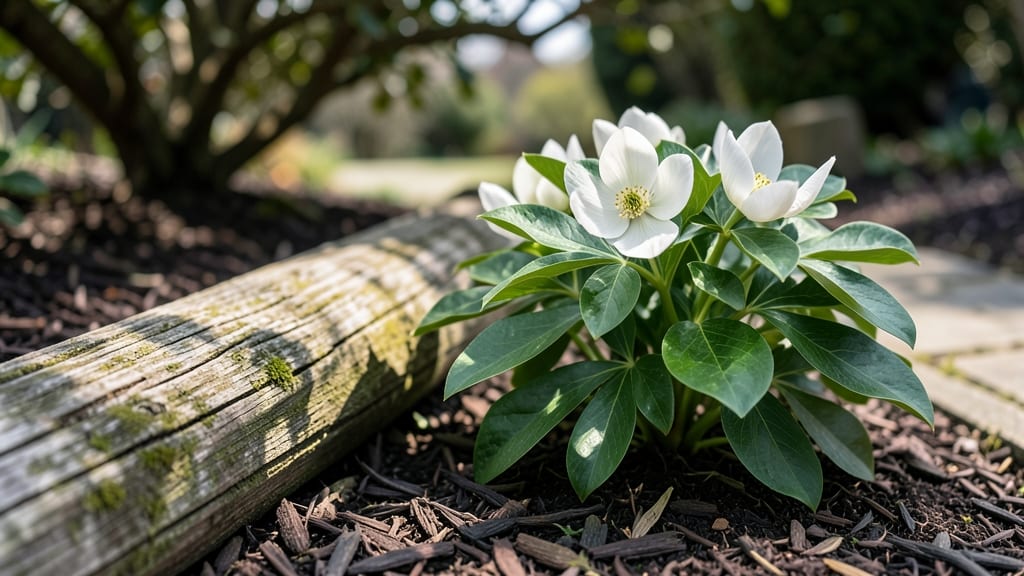
Stacking logs into a flower bed turns rustic charm into a year-round garden showstopper—frost-resistant blooms thrive between the cracks while the wood itself weathers beautifully. 🌿 I built my first log bed last autumn using fallen oak branches from a local park, and it’s now the most talked-about feature in my garden.
The logs create natural tiers for trailing plants, while the gaps between them hold moisture and deter weeds.
You’ll need untreated logs (4–6 inches in diameter), a sturdy base like landscape fabric, and plants that love partial shade—think heuchera, ajuga, or creeping thyme for ground cover, plus coral bells or ferns for height.
The assembly takes about an hour, and you can customize the shape: spiral for drama, straight for simplicity, or even a small circle for a fairy-garden vibe.
By summer, your log bed will burst with color, and in winter, the frost-kissed foliage and evergreens keep it looking alive. Maintenance is minimal—just refresh mulch yearly and swap out plants every few seasons.
The best part? It’s free if you forage logs, or budget-friendly if you buy them in bulk.
Works in shady corners, sunny borders, or even as a natural edging for pathways. Once you see how easy it is to create, you’ll wonder why you didn’t try it sooner—your garden’s next masterpiece is just a few logs away.
📚 In This Guide
- What you need
- Instructions
- Tips and common mistakes
- Wrapping up and next steps
What you need
- ● Logs: 5–10 cylindrical logs (4–6 inches in diameter, 2–3 feet long). Choose rot-resistant wood like cedar, cypress, or locust.
- ● Soil: 2–3 cubic yards of well-draining potting mix or garden soil (amend with compost for nutrients).
- ● Mulch: 1–2 bags of wood chips or bark mulch (for moisture retention and weed suppression).
- ● Frost-resistant perennials: 10–15 plants (e.g., Heuchera, Sedum, Lavender, or Russian Sage).
- ● Gravel or pebbles: 1–2 bags (for drainage and aesthetics).
- ● Shovel or spade (for digging)
- ● Wheelbarrow (for transporting soil/mulch)
- ● Garden gloves (to protect your hands)
- ● Measuring tape (for spacing logs evenly)
- ○ Optional: Landscape fabric (to block weeds between logs).
- ● A sunny or partially shaded spot (6+ hours of sunlight for most perennials).
- ● Flat or slightly sloped ground (adjust with soil if needed).
- ● Access to water (a hose or drip irrigation system works best).
How to build a log flower bed for season-long color
Here's the simple, sturdy method I've used to create charming, low-maintenance beds that thrive year-round.
🪴 Step 1: Choose and Prepare Your Logs
Select 4-6 untreated cedar or redwood logs (about 6-8 inches in diameter) for each 4-foot section of bed. Cedar resists rot naturally and smells wonderful, while redwood adds a rich color contrast. Cut logs to uniform lengths—3-4 feet for a standard bed—using a chainsaw or having them pre-cut at the lumber yard.
Sand any rough edges with 80-grit sandpaper to prevent splinters. Arrange logs in a rectangle on your chosen site, spacing them about 12 inches apart at the base. This creates natural gaps for planting while maintaining structural integrity. I like to lay them out first without securing them—this helps visualize the final shape before committing.
☀️ Step 2: Secure the Logs and Add a Base Layer
Drive 4-inch galvanized nails through the top of each log into the one next to it, creating a tight rectangle. For extra stability, add a 2x4 board nailed between opposite corners. This prevents logs from spreading over time. The bed should be about 12-18 inches wide at the top and 18-24 inches wide at the base to create a natural tiered look.
Line the bottom of the bed with landscape fabric to suppress weeds. Cut it to fit snugly, leaving a 2-inch border around the edges. Fill the base with 2-3 inches of coarse gravel before adding soil. This improves drainage—critical for frost-resistant perennials that hate soggy roots. I always add a handful of slow-release fertilizer mixed into the bottom layer to give plants a nutrient boost as they establish.
🌱 Step 3: Create the Planting Matrix
Fill the bed with a mix of 50% garden soil and 50% compost until you reach 1-2 inches below the top of the logs. This creates a planting zone that's deep enough for most perennials. I like to divide the bed into three zones: the front edge for short plants (6-12 inches tall), the middle for medium-height bloomers (12-24 inches tall), and the back for taller varieties (24+ inches tall).
Plant frost-resistant perennials like heuchera, sedum, and Russian sage in the fall for early spring color. These tough plants bounce back from winter and often bloom before spring annuals. Space plants according to their mature size—crowding leads to competition and weak growth. Water thoroughly after planting to settle the soil and eliminate air pockets around roots. You'll see new growth within 2-3 weeks if conditions are right.
💧 Step 4: Mulch and Maintain for Year-Round Beauty
Spread 2-3 inches of shredded bark mulch over the soil surface, leaving a 1-inch gap around plant stems. This mulch protects roots from temperature swings and retains moisture. Replenish mulch annually in early spring—it breaks down over time and loses effectiveness. I also add a 1-inch layer of straw around late-season perennials to provide extra winter protection.
Water deeply once a week during the growing season, aiming for 1 inch of water per week. Log beds drain exceptionally well, so you won't need to water as frequently as traditional beds. In winter, water only if the ground is completely dry—most frost-resistant plants enter dormancy and need minimal moisture. You'll know your bed is thriving when it stays lush through summer droughts and still greens up beautifully in spring.
Tips & tricks for perfect log flower beds
Between us, these little details make the difference between a bed that lasts and one that falls apart. Here's what nobody tells you about building log flower beds that actually thrive.
Log Selection Matters: Cedar and redwood are your best bets because they resist rot naturally, but don't overlook black locust if you want even longer-lasting logs. I've found that logs with a slightly rough texture actually provide better grip for plants climbing up the sides. If you can't find untreated logs, pressure-treated logs labeled "ground contact" will work too—just avoid anything with arsenic-based preservatives.
Stability is Everything: When securing your logs with nails, drive them in at a slight angle (about 30 degrees) rather than straight down. This creates a stronger interlocking system that prevents logs from spreading over time. For extra reinforcement, add a third nail at the center of each log connection—it might seem excessive, but I've seen too many beds collapse when the nails pull out. The 2x4 board should be nailed at a 45-degree angle between opposite corners for maximum structural support.
Drainage is Non-Negotiable: That 2-3 inches of coarse gravel isn't just for looks—it's the secret to preventing root rot in your frost-resistant perennials. If your site has particularly poor drainage, consider doubling the gravel layer to 4-5 inches. I've even seen gardeners add a layer of landscape fabric above the gravel before adding soil to create an extra moisture barrier. The key is keeping those roots happy year-round, especially during winter thaw cycles.
Plant Placement Hack: When dividing your bed into three height zones, leave extra space (about 3-4 inches) between the middle and back zones. This creates room for taller plants to grow into their mature height without crowding. I like to plant my tallest varieties (like Russian sage) at a slight angle toward the back corner—it gives them room to lean gracefully while still filling the space beautifully. The front edge is perfect for trailing plants that spill over the sides.
Pro Tips for Log Flower Bed
- Between us, these little details make the difference between a bed that lasts and one that falls apart. Here's what n...
- Log Selection Matters: Cedar and redwood are your best bets because they resist rot naturally, but don't overlook bla...
- Stability is Everything: When securing your logs with nails, drive them in at a slight angle (about 30 degrees) rathe...
Frequently asked questions
Got questions about creating or maintaining a log flower bed? You’re not alone! Here are some of the most common queries—plus straightforward answers to keep your garden thriving year-round.
What’s the best time of year to plant a log flower bed?
The ideal time is early spring (after the last frost) or fall (6–8 weeks before the first frost). This gives plants time to establish roots before extreme temperatures. If you’re in a mild climate, you can plant year-round—but avoid summer heatwaves, which stress young plants.
How do I protect my log flower bed from winter damage?
Most frost-resistant plants (like heuchera, hellebores, or sedum) handle cold well, but a 3–4 inch layer of mulch (straw or shredded leaves) adds insulation. For tender perennials, wrap logs in burlap or use frost cloth during hard freezes. Avoid heavy snow buildup—gently brush it off to prevent log rot.
Can I reuse logs from my old flower bed?
Clean and sanitize logs with a 10% bleach solution (1 part bleach to 9 parts water) to kill mold, bacteria, or pests. Let them dry completely in the sun for 2–3 days before replanting. If logs are rotting or splintering, replace them to avoid disease.
What are some low-maintenance alternatives to traditional logs?
If logs aren’t your style, try:
- Cinder blocks or bricks – Stack them like logs for structure.
- Galvanized metal troughs – Rustic and durable; great for succulents.
- Upcycled pallet wood – Sand and seal for a modern look.
- Stone borders – Use flat river rocks or pavers for a natural edge.
Why are my plants wilting or dying in the log flower bed?
Common culprits include:
- Poor drainage – Logs can trap moisture; drill drainage holes if needed.
- Overwatering – Logs act like a wick; check soil moisture before watering.
- Pests (slugs/snails) – Use copper tape or diatomaceous earth around logs.
- Root-bound plants – Divide overcrowded perennials every 2–3 years.
Wrapping up and next steps
Creating a log flower bed is your ticket to a stunning, low-maintenance garden that thrives year-round! 🌸 With frost-resistant blooms and easy assembly, this project brings beauty without the hassle.
Whether you’re a seasoned gardener or just starting, these tips make it simple to transform your outdoor space into a vibrant retreat.
Ready to take the next step? Gather your supplies, sketch a design, and start planting! Your future garden will thank you—and so will your neighbors. Happy gardening! 🌿