Flowers
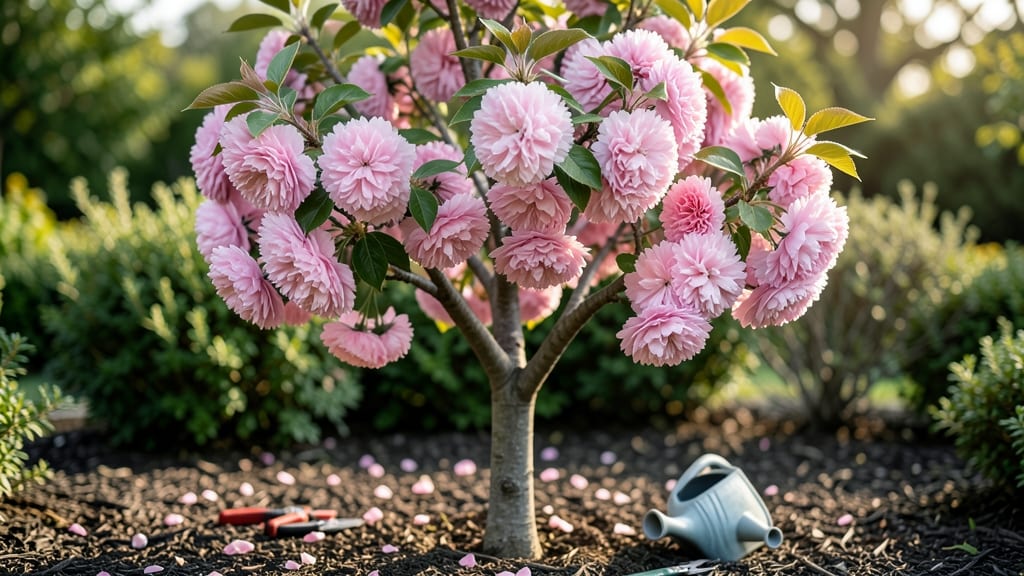
The double pink flowering almond transforms your winter garden into a cloud of blush-pink blossoms when everything else is bare. 🌸 I planted mine three years ago after seeing one in a friend's yard—now it's the star of my landscape, blooming from late winter through spring with almost no effort.
The key? Understanding its quirks before you dig in.
This tree thrives in zones 4-8, where cold winters trigger those stunning spring blooms. It’s not fussy about soil as long as it drains well—my sandy loam works perfectly—and it handles both full sun and partial shade, though more sun means more flowers.
The real secret weapon? Minimal pruning—just shape it lightly after blooming to keep it tidy, and it rewards you with year-after-year color.
You’ll end up with a tree that looks like a watercolor painting in bloom, its delicate double flowers covering branches even before leaves appear. The fragrance is light but sweet, and it attracts pollinators early in the season.
Best of all, deer and rabbits usually leave it alone, making it a low-maintenance showstopper for any yard.
Works beautifully as a specimen tree, in shrub borders, or even in large containers for patios. Once established, it’s drought-tolerant and handles heat waves like a champ—just water deeply during the first growing season to help roots spread. Ready to add this easy-care beauty to your garden?
📚 In This Guide
- What you need
- Instructions
- Tips and common mistakes
- Wrapping up and next steps
What you need
- ● Double Pink Flowering Almond Tree: 1 mature tree (3–5 years old, 6–10 ft tall) or 1 young grafted sapling (1–2 ft tall)
- ● Specs: Ensure it’s Prunus triloba ‘Multiplex’ or a similar double-bloom cultivar for those lush pink flowers!
- ● Well-Draining Soil Mix: 50% native soil (or potting mix for containers)
- ● 30% compost or aged manure
- ● 20% perlite or coarse sand (for drainage)
- ● Container (if potted): 1 large pot (18–24” diameter) with drainage holes (for urban gardens)
- ● Fertilizer: 5–10–10 balanced fertilizer (1 tbsp per sq ft of root zone) (spring and early summer)
- ● Pruning Tools: 1 pair of bypass pruners (sharp, sterilized)
- ● 1 pruning saw (for thicker branches, if needed)
- ● Mulch: 2–3 inches of organic mulch (wood chips or straw) (to retain moisture)
- ● Gloves: Heavy-duty gardening gloves (to protect from thorns!)
- ● Watering Can/Hose: With a gentle spray nozzle (avoid wetting flowers)
- ● Stakes & Twine: For young trees in windy areas
- ● Slow-Release Fertilizer: Granular or spikes for low-maintenance feeding
- ● Pest Control: Neem oil spray (organic option for aphids or spider mites)
- ● Horticultural oil (for scale insects)
- ● Decorative Accents: Garden flags or stakes (to highlight your stunning blooms!)
- ● Landscape fabric (to suppress weeds around the base)
Step-by-step guide to planting and caring for double pink flowering almond trees
Here's how to get stunning, long-lasting blooms with just a little attention.
🪴 Step 1: Choose the Right Location and Soil
Find a spot with full sun exposure (6+ hours daily)—these trees thrive where they can soak up warmth. The double pink variety loves well-draining soil, so avoid low-lying areas where water pools. If your soil is heavy clay, mix in 2-3 inches of compost to improve drainage before planting.
Dig a hole twice as wide as the root ball but only as deep. The top of the root ball should sit 1-2 inches above ground level—this prevents water from sitting on the roots. Gently loosen the roots if they're circling tightly in the container, then place the tree in the hole and backfill with native soil.
☀️ Step 2: Water Deeply and Mulch Properly
Water the tree immediately after planting, soaking the soil to a depth of 12 inches. You'll know it's enough when water runs out the bottom of the hole. After that, water once a week unless you've had heavy rain—these trees are drought-tolerant once established, but young roots need consistent moisture.
Spread 2-3 inches of mulch around the base, keeping it 3 inches away from the trunk to prevent rot. Use organic mulch like wood chips or bark—it helps retain moisture and regulates soil temperature. Refresh the mulch layer annually to maintain its effectiveness.
✂️ Step 3: Prune for Shape and Health
Prune in late winter or early spring before new growth begins. Remove any dead, diseased, or crossing branches first—these compete for energy and can weaken the tree. Cut just outside the branch collar (the swollen area where the branch meets the trunk) to promote quick healing.
For shaping, focus on opening the center of the tree to improve airflow. Aim for an airy, vase-like structure rather than a dense canopy. Avoid heavy pruning in summer—it stresses the tree and can reduce next year's blooms. A light trim to remove spent flowers after they fade keeps the tree tidy without sacrificing next season's display.
🌿 Step 4: Fertilize and Protect for Long-Term Blooms
Apply a balanced, slow-release fertilizer (10-10-10) in early spring and again in mid-summer. Follow the package instructions for dosage—over-fertilizing can lead to excessive leaf growth at the expense of flowers. Water the tree well after fertilizing to help nutrients reach the roots.
Watch for pests like aphids or spider mites, which can appear on new growth. A strong spray of water usually dislodges them, but for persistent infestations, use an insecticidal soap. These trees are generally low-maintenance, but a little vigilance ensures your double pink blooms stay vibrant year after year.
Tips & tricks for perfect double pink flowering almond trees
Let me share the secrets I've learned that'll help your double pink flowering almond thrive with minimal fuss.
Location and Soil Secret: The 6+ hours of full sun is non-negotiable—these trees need that warmth to produce their stunning blooms. I've seen too many people plant them in partial shade and wonder why their flowers never open fully. Also, that 1-2 inch elevation for the root ball isn't just about drainage—it prevents water from sitting on the roots, which can cause rot. Think of it like giving your tree a little hill to stand on.
Watering Wisdom: When you're watering to that 12-inch depth, you'll know it's enough when water starts running out the bottom of the hole. This ensures the roots get properly hydrated without becoming waterlogged. After establishment, the once-a-week watering schedule works beautifully, but I've found that checking the top inch of soil first saves water—if it's dry, water; if it's moist, wait. A simple finger test makes all the difference.
Pruning Pro Tip: That late winter/early spring timing for pruning is crucial because it lets the tree recover before new growth begins. I always make sure to cut just outside the branch collar—this little detail makes a huge difference in how quickly the tree heals. And remember, the vase-like shape isn't just for looks—it improves airflow, which prevents fungal issues and helps those pink blooms shine.
Pro Tips for Double Pink Flowering Almond
- Let me share the secrets I've learned that'll help your double pink flowering almond thrive with minimal fuss.
- Location and Soil Secret: The 6+ hours of full sun is non-negotiable—these trees need that warmth to produce their st...
- Watering Wisdom: When you're watering to that 12-inch depth, you'll know it's enough when water starts running out th...
Frequently asked questions
How often should I prune my double pink flowering almond?
Prune your double pink flowering almond just once a year, ideally in late winter or early spring (before new growth starts). Focus on removing dead, crossing, or overcrowded branches to maintain its shape. Avoid heavy pruning—this tree blooms on old wood, so less is more!
Can double pink flowering almonds survive winter?
Yes! These trees are hardy in USDA zones 6-9 and tolerate cold temperatures down to -10°F (-23°C). For extra protection in colder zones, mulch the base with 3-4 inches of organic mulch and water deeply before the first freeze.
Why isn’t my double pink flowering almond blooming?
Lack of blooms often stems from over-pruning (cutting back too much) or poor sunlight. Ensure it gets 6+ hours of sun daily and avoid drastic pruning. If it’s young, blooms may take 2-3 years to appear. Fertilize lightly in spring with balanced 10-10-10 if growth seems slow.
What’s the best fertilizer for double pink flowering almond?
Use a low-nitrogen, balanced fertilizer (like 5-10-5) in early spring to encourage blooms. Avoid high-nitrogen fertilizers—they promote leafy growth over flowers. Organic options like compost or bone meal also work well.
Are double pink flowering almonds toxic to pets?
Yes, all parts of the flowering almond (leaves, seeds, bark) contain amygdalin, which can release cyanide if ingested. Keep pets away from fallen blossoms or seeds, and avoid planting near areas where they dig.
Can I grow a double pink flowering almond in a container?
While possible, it’s not ideal—these trees grow large (up to 20-30 feet) and need deep roots. If you must container-grow, choose a huge pot (3+ feet deep) and repot every 3-5 years. Expect slower growth and fewer blooms than in-ground plants.
Wrapping up and next steps
The double pink flowering almond is a stunning, low-maintenance addition to any garden, offering year-round beauty with minimal effort. Its vibrant blooms, fragrant scent, and resilience make it a favorite for both novice and experienced gardeners.
Whether you're drawn to its ornamental appeal or its easy-care nature, this tree promises to elevate your outdoor space effortlessly!
Ready to bring home your own? Start by selecting a sunny spot in your garden and gather your supplies—your blooming masterpiece awaits! 🌸✨