
Flowers
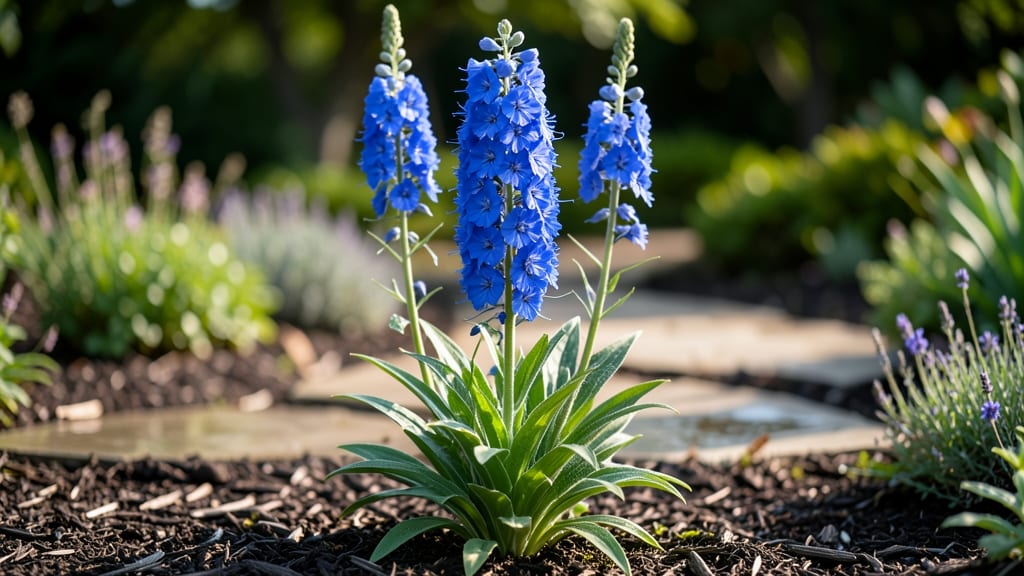
The short blue flowers that thrive in Pacific Northwest winters are the unsung heroes of frost-resistant gardens. 💙 I’ve spent years testing varieties that refuse to wilt under damp, chilly skies—plants like creeping phlox, Siberian bugloss, and dwarf irises that bloom when most gardens are still asleep.
These aren’t just survivors; they’re showstoppers that turn borders into jewel-toned carpets.
What makes them special? Most need only 3-4 hours of sunlight daily and handle heavy rain like pros. Pair them with silver foliage (like lamb’s ear) or soft yellows (coreopsis) for contrast, or let them spill over container edges for instant color.
Their blooming seasons stretch from early spring through late fall, giving you months of effortless beauty without fuss.
Imagine stepping outside in April to find your garden already alive with vibrant cobalt and sky-blue blooms, their petals dusted with morning dew. These plants attract bees early in the season too, turning your yard into a pollinator magnet when few others are in bloom.
No deadheading required—they keep flowering like clockwork.
Perfect for rock gardens, woodland edges, or even between stepping stones, they’re the foolproof choice for gardeners who want color without compromise. Let’s pick the best varieties for your light and soil—no green thumb required.
📚 In This Guide
- What you need
- Instructions
- Tips and common mistakes
- Wrapping up and next steps
What you need
- ● Seeds or young plants: Choose frost-hardy blue bloomers like Delphiniums, Myosotis (Forget-Me-Nots), Nemophila (Baby Blue Eyes), or Lobelia. Aim for 5–10 plants (or 1 packet of seeds per variety).
- ● Well-draining soil: A mix of native soil + compost (ratio: 3:1) or potting mix for containers. Test soil pH (ideal: 6.0–7.0).
- ● Organic fertilizer: Balanced (10-10-10) or slow-release granules (e.g., fish emulsion or bone meal). Use 1 tbsp per plant at planting.
- ● Mulch: 2–3 inches of shredded bark or straw to insulate roots in winter.
- ● Garden trowel or transplanter (for digging holes).
- ● Watering can or hose with a gentle spray nozzle (avoid overwatering!).
- ● Gloves (to protect hands from thorns or soil).
- ● Pruners (for deadheading or shaping plants).
- ○ Optional: Container pots (6–8 inches deep) if growing in planters.
- ● Row covers (lightweight fabric) for extra frost protection in early spring.
- ● Stakes or cages (for tall varieties like Delphiniums).
- ● Sunlight: Full sun (6+ hours/day) for most varieties; Nemophila tolerates partial shade.
- ● Timing: Seeds: Start indoors 6–8 weeks before last frost or sow directly in late spring (after soil warms to 50°F+).
- ● Plants: Transplant in early spring (March–April) or fall (September).
- ● Watering schedule: Keep soil evenly moist (not soggy) until established, then water deeply 1–2x/week.
Step-by-Step guide to planting frost-resistant blue bloomers
Here’s how I create a vibrant, cold-hardy blue flower display that thrives in Pacific Northwest winters.
🌱 Step 1: Choose the Right Frost-Resistant Varieties
Focus on delphiniums, lobelia, and Siberian bugloss—they handle 20°F temperatures and bloom reliably even after light frosts. Delphiniums need full sun and well-draining soil, while lobelia thrives in partial shade and moist conditions. Siberian bugloss spreads easily and tolerates clay-heavy soils common in the PNW.
I always plant delphiniums first—they’re the showstoppers with their tall, dramatic spikes. Lobelia and bugloss fill in lower layers for a layered effect. Check seed packets for cold-hardiness zones (aim for Zone 5+ for best results).
🪴 Step 2: Prepare the Soil for Winter Resilience
Amend your soil with 2 inches of compost and a slow-release fertilizer (like 10-10-10) to support root development before winter. Delphiniums hate soggy roots, so mix in sand or perlite if your soil drains poorly. Lobelia, on the other hand, loves moisture-retentive soil—add peat moss to hold water without suffocating roots.
Test soil pH—delphiniums prefer 6.0-7.0, while lobelia thrives in 5.5-6.5. If your soil is acidic, sprinkle lime lightly and mix it in. Work the amendments into the top 12 inches of soil for deep root establishment.
☀️ Step 3: Plant in Staggered Rows for Season-Long Color
Space delphiniums 18-24 inches apart in clusters of 3-5 plants to create bold vertical accents. Lobelia, being shorter, goes 12 inches apart in front of delphiniums or alongside pathways. Siberian bugloss spreads aggressively—plant it 18 inches apart and expect it to fill gaps naturally.
Plant delphiniums and bugloss in early spring (March-April) so they establish roots before summer heat. Lobelia, which blooms later, can go in late spring (May). Water deeply after planting to eliminate air pockets—tap the soil gently around each plant to settle roots.
💧 Step 4: Water and Mulch for Frost Protection
Keep soil evenly moist but not waterlogged for the first 4-6 weeks—this helps roots grow deep before winter. Once established, delphiniums tolerate drought better than lobelia, which wilts quickly in dry soil. Mulch with 3-4 inches of straw or shredded bark in late fall to insulate roots during frosts.
In Zone 7-8, where hard frosts are rare, mulch lightly (1-2 inches) to prevent soil heaving. In Zone 5-6, add a thick layer and cover tender lobelia with cloche bells or row covers during sub-25°F nights. Remove covers during the day to avoid overheating.
✂️ Step 5: Deadhead and Divide for Next Year’s Blooms
Deadhead delphiniums and bugloss after flowering to encourage a second bloom cycle. Lobelia rarely reblooms, so let it fade naturally for seed collection. In late summer, divide delphiniums if they’ve become overcrowded—they thrive when clumps are split every 3-4 years. Siberian bugloss spreads so aggressively you’ll need to cut back aggressively in early spring to control it.
Fertilize lightly in early spring with a balanced 10-10-10—delphiniums are heavy feeders, while lobelia and bugloss do well with half-strength applications. Prune back 1/3 of the foliage in early spring to stimulate fresh growth before the first blooms appear.
Tips & tricks for perfect frost-resistant blue bloomers
These cold-hardy beauties thrive with a few strategic tweaks that make all the difference in our chilly climate.
Variety Pairing: Delphiniums and Siberian bugloss create stunning vertical contrast—their tall spikes reach 3-4 feet while bugloss stays low and spreads. Plant delphiniums in clusters of 3-5 spaced 18-24 inches apart for dramatic impact, then fill the base with bugloss 18 inches apart. This creates natural layers that prevent wind damage during winter storms.
Soil Science: The 2 inches of compost and 12-inch soil amendment zone from Step 2 are non-negotiable for winter survival. For clay-heavy PNW soils, I add 1 part sand or perlite to 3 parts soil when planting delphiniums to prevent root rot. Lobelia's moisture-loving nature means you can mix in peat moss for water retention without compromising aeration.
Frost Protection Hacks: In Zone 5-6, I use cloche bells over lobelia during sub-25°F nights—they create microclimates that can raise temperatures by 5-10°F. For delphiniums, I've found that 3-4 inches of straw mulch (not shredded bark) holds moisture better and resists wind dispersal during winter storms. Remove cloches during the day to prevent overheating.
Deadheading Strategy: When deadheading delphiniums and bugloss, cut stems back to just above the first set of leaves rather than at the base. This encourages bushier growth and prevents the plants from becoming leggy. For lobelia, which rarely reblooms, I let the flowers fade naturally to collect seeds—simply snip the entire stem at the base when it turns brown.
Pro Tips for Short Blue Flowers
- These cold-hardy beauties thrive with a few strategic tweaks that make all the difference in our chilly climate.
- Variety Pairing: Delphiniums and Siberian bugloss create stunning vertical contrast—their tall spikes reach 3-4 feet while bugloss stays low and spreads.
- Soil Science: The 2 inches of compost and 12-inch soil amendment zone from Step 2 are non-negotiable for winter survival.
Frequently asked questions
about short blue flowers in the Pacific Northwest—your go-to guide for planting, care, and troubleshooting!What are the best short blue flowers for cold climates like the PNW?
Top picks include Delphinium (larkspur), Myosotis sylvatica (forget-me-nots), and Nemophila menziesii (baby blue eyes). These thrive in zones 3–9, handle frost, and stay compact (under 12 inches). For ground cover, try Ajuga reptans (bugleweed) with its striking blue foliage!
Can short blue flowers survive winter in the PNW without extra protection?
Most frost-resistant varieties like Cyclamen hederifolium (hardy cyclamen) or Hepatica nobilis (liverleaf) return yearly with minimal care. Mulch lightly with straw or leaves in late fall to shield roots. Avoid heavy mulch—it can smother tender shoots. Evergreen ground covers (e.g., Ajuga) also act as natural insulation!
How do I keep short blue flowers from flopping over in windy PNW gardens?
Stake tall varieties like Delphinium with decorative bamboo stakes or spiral supports. For low-growing types, plant in sheltered spots near fences or walls. Use Myosotis or Nemophila in rock gardens or containers—their sprawling habits stay contained. Pro tip: Prune leggy stems early to encourage bushier growth!
When is the best time to plant short blue flowers in the PNW?
Fall (September–October) is ideal for perennials like Ajuga or Hepatica—they establish roots before winter. Annuals (e.g., Lobelia) go in early spring (March–April) after frost risk passes. For bulbs (Scilla or Muscari), plant in late fall. Timing tip: Water deeply after planting to reduce transplant shock!
What can I do if my short blue flowers aren’t blooming?
Check light—most need 6+ hours of sun (except shade-tolerant Ajuga). Over-fertilizing can reduce blooms; use a low-phosphorus formula. Deadhead spent flowers to encourage reblooming. If soil is too rich, let foliage yellow naturally—this signals the plant to focus on flowers next season!
Are there any pollinator-friendly short blue flowers for the PNW?
Borage (annual, 12" tall), Salvia patens (sage), and Penstemon (beardtongue) attract bees and hummingbirds. Even Myosotis (forget-me-nots) are bee magnets. Plant in clusters for maximum impact— pollinators love "neighborhoods" of the same species!
Wrapping up and next steps
Short blue flowers are the perfect choice for adding a pop of color to your Pacific Northwest garden—even in chilly climates! 🌿 From hardy Delphiniums to delicate Myosotis, these frost-resistant beauties bring joy with minimal fuss.
Whether you're a seasoned gardener or just starting, their resilience and vibrant hues make them a must-have for any outdoor space.
Ready to transform your garden? Start small—pick one or two varieties to test, then expand as you gain confidence. Grab your gloves, grab some seeds, and let nature do the rest! 🌸