
Flowers
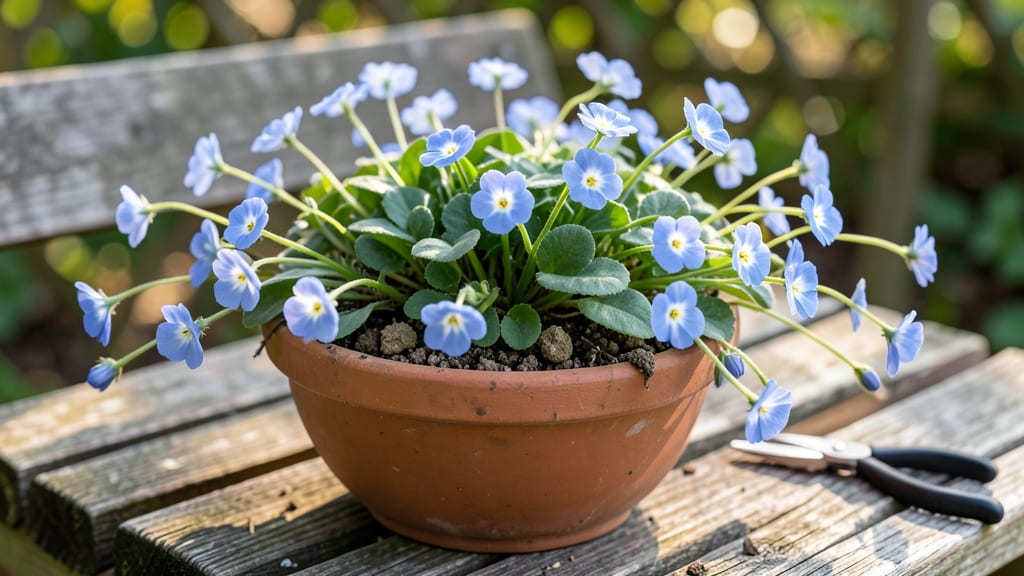
Growing baby blue eyes flowers transforms shady corners into a dreamy purple carpet. 💜 These delicate annuals thrive where other flowers refuse to bloom, making them my go-to for cool, moist spots in the garden.
Their tiny, sky-blue petals with darker centers look like scattered confetti—until you realize they’re actually a hardy, low-maintenance ground cover.
They love well-draining soil with a hint of organic matter and partial shade, though they’ll tolerate full sun in cooler climates. Plant seeds directly in spring after the last frost, pressing them just below the surface—no need for deep planting.
In just 4-6 weeks, you’ll see those signature blooms popping up everywhere, creating a lush, textured display that lasts all summer.
Pair them with ferns, hostas, or other woodland plants for a naturalistic border, or tuck them into containers for trailing purple cascades. Baby blue eyes self-seed readily, so once established, they’ll return year after year with minimal effort.
The key is keeping them consistently moist until they root—after that, they’re practically indestructible.
Perfect for cottage gardens, wildflower meadows, or even as a living mulch to suppress weeds. Their cheerful blooms attract pollinators while their fine foliage adds texture. Here’s how to make them flourish in your garden—no matter how shady or cool your climate might be.
📚 In This Guide
- What you need
- Instructions
- Tips and common mistakes
- Wrapping up and next steps
What you need
- ● Seeds: Nemophila menziesii seeds (1–2 packets, ~500–1,000 seeds per packet). Choose a reputable supplier for high germination rates!
- ● Well-draining soil: A mix of 50% potting soil and 50% perlite or coarse sand (1–2 cubic feet, depending on container size). Baby blue eyes hate soggy roots!
- ● Containers or garden bed: For containers: 6–12-inch deep pots with drainage holes (3–5 plants per 6-inch pot).
- ● For garden beds: A sunny, partially shaded spot with loose, fertile soil (amend with compost if needed).
- ● Watering can or spray bottle: A gentle spray nozzle helps avoid disturbing delicate seedlings.
- ○ Fertilizer (optional but helpful): A balanced, water-soluble fertilizer (10-10-10 or 20-20-20) diluted to half-strength for feeding.
- ○ Gloves (optional): Protect your hands from soil and prickly stems.
- ● Trowel or small hand shovel: For transplanting seedlings or loosening soil.
- ○ Mulch (optional): A thin layer of straw or shredded leaves to retain moisture and suppress weeds.
- ● Sunlight access: 4–6 hours of direct sun or dappled shade (they thrive in cooler climates but avoid harsh midday heat).
- ● Patience: Germination takes 14–21 days in ideal conditions—keep soil consistently moist!
- ● 💡 Direct sowing: Baby blue eyes hate being transplanted, so sow seeds directly into the garden or containers for best results.
- ● 🌡️ Temperature: Ideal germination temp is 60–70°F (15–21°C). Use a seedling heat mat if your climate is chilly.
- ● 🎯 Deadheading: Pinch off spent blooms to encourage non-stop flowering all season!
Step-by-step instructions for growing baby blue eyes flowers
Here's how to coax those striking purple blooms from seed to showstopper display.
🌱 Step 1: Start Seeds Indoors at the Right Time
Baby blue eyes (Nemophila menziesii) thrive in cool weather, so begin seeds indoors 8-10 weeks before your last frost date. Use small seed trays or peat pots filled with sterile seed-starting mix—this prevents damping-off and gives tender roots room to grow.
Sow seeds ⅛ inch deep—they're tiny, so I use a toothpick to create shallow furrows. Press one seed per hole, then cover with a fine layer of mix. Keep the soil consistently moist but never soggy; a spray bottle works best. Place trays in a warm spot (65-70°F) until germination, which takes 7-14 days.
Here's the thing—these seeds need light to germinate, so don't bury them deeper. If your room runs cooler, germination may take longer. Once sprouts appear, move them to a bright window or under grow lights for 14-16 hours daily.
☀️ Step 2: Harden Off and Transplant Outdoors
When seedlings have 2-3 sets of true leaves (about 4-6 weeks after sowing), it's time to harden them off. Start by placing them outside in partial shade for 1-2 hours the first day, then gradually increase exposure over 7-10 days. This toughens their stems so they don't flop when planted.
Choose a spot with partial shade to full sun—morning sun and afternoon shade work best in hotter climates. Baby blue eyes hate competition, so space plants 6-8 inches apart in well-draining soil. I always amend the bed with compost to improve fertility without overheating the roots.
Transplant on a cool, overcast day to reduce stress. Water deeply right after planting to settle the soil and encourage root spread. Avoid disturbing the roots—these delicate plants resent rough handling.
💧 Step 3: Maintain Moisture and Encourage Blooms
Keep the soil evenly moist but not waterlogged—these flowers wilt quickly if they dry out. Water at the base in the morning to prevent fungal issues. Mulch with 1-2 inches of organic mulch to retain moisture and suppress weeds, but keep it 1 inch away from stems to avoid rot.
Fertilize lightly with a balanced, water-soluble fertilizer (10-10-10) at half strength when buds form. Too much nitrogen makes them grow leaves instead of flowers. Deadhead spent blooms regularly to encourage continuous flowering from spring until frost.
Watch for slugs and snails—they love baby blue eyes. I set out beer traps (small containers filled with beer buried at soil level) the night before planting to deter them. If you see chewed leaves, remove pests by hand or use iron phosphate bait for organic control.
✂️ Step 4: Extend the Season and Prevent Overcrowding
For a longer display, cut back faded stems to the first set of leaves after flowering. This encourages a second flush of blooms in the same season. Avoid cutting into old wood—new growth comes from the base.
If plants look leggy or sparse by midsummer, shear them back by ⅓ to promote bushier growth. This works best in late afternoon to avoid shocking the plants with midday heat. Water thoroughly after pruning to help them recover.
Baby blue eyes self-seed readily, so you'll likely find volunteers popping up next spring. Thin these to 6-8 inches apart in early spring to prevent overcrowding. The more space they have, the bigger and bolder the blooms.
Tips & tricks for perfect baby blue eyes blooms
These pro tips will help you grow the most vibrant baby blue eyes with fewer headaches and more showstopping results.
Timing is Everything: The 8-10 week indoor start time is non-negotiable for cool climates, but don't stress about exact weeks—just count back from your last frost date. If you're in zone 5 or colder, start at the longer end (10 weeks) to account for slower germination in cooler homes. I mark my calendar with frost dates from the local cooperative extension office to never miss the window.
Germination Hack: Baby blue eyes need light to sprout, so don't cover them with soil—just press them gently into the surface. Use a toothpick to make tiny furrows (⅛ inch deep) and place seeds one at a time. I keep my seed trays on a heating mat set to 70°F under grow lights for consistent germination. If your room runs cooler, germination may take the full 14 days instead of the usual 7-10.
Transplanting Strategy: When hardening off, I increase exposure gradually by 1 hour each day until reaching full sun tolerance. For the actual transplant, choose a spot with morning sun and afternoon shade—this prevents the delicate blooms from scorching in hot afternoons. The 6-8 inch spacing might seem generous, but these plants resent competition and will reward you with bigger blooms when given room to breathe.
Watering Wisdom: The key to preventing wilting is watering at the base in the morning—this gives roots time to absorb moisture before evening heat. I use a soaker hose for 10-15 minutes every other day during dry spells, which keeps the soil evenly moist without creating soggy conditions. The mulch layer (1-2 inches) helps maintain consistent moisture, but remember to keep it 1 inch away from stems to prevent rot.
Pro Tips for Baby Blue Eyes Flowers
- These pro tips will help you grow the most vibrant baby blue eyes with fewer headaches and more showstopping results.
- Timing is Everything: The 8-10 week indoor start time is non-negotiable for cool climates, but don't stress about exact weeks—just count back from your last frost date.
- Germination Hack: Baby blue eyes need light to sprout, so don't cover them with soil—just press them gently into the surface.
Frequently asked questions
Got questions about growing baby blue eyes flowers? You’re not alone! Here are some of the most common queries—plus straightforward answers to help you cultivate these stunning blooms with confidence.
What’s the best time to plant baby blue eyes flowers?
For Nemophila menziesii, aim to plant seeds in early spring (after the last frost) or late summer for fall blooms. If starting indoors, sow seeds 6–8 weeks before the last frost date. These cool-loving flowers thrive in mild temperatures (50–70°F) and may struggle in scorching heat.
How often should I water baby blue eyes flowers?
Keep soil consistently moist but not soggy—water lightly 2–3 times per week, especially during dry spells. Mulch around plants to retain moisture. Overwatering can lead to root rot, so ensure pots or beds have good drainage. Pro tip: Morning watering prevents fungal issues!
Can baby blue eyes flowers grow in pots or containers?
These compact plants thrive in containers (6+ inches deep) with well-draining soil. Use a mix of potting soil and perlite for aeration. Place pots in partial shade to protect delicate blooms from harsh afternoon sun. Just ensure containers don’t dry out—check soil moisture daily in hot weather.
Will baby blue eyes flowers survive winter?
In USDA Zones 7–10, these annuals typically die back in frost but self-seed prolifically for next year. In colder zones, treat them as tender perennials—plant seeds annually or overwinter pots indoors (50°F+). Fun fact: Their seeds often pop up unexpectedly in spring!
Why aren’t my baby blue eyes flowers blooming?
Check these common culprits:
- Too much sun: Move to partial shade (they prefer dappled light).
- Poor soil: Amend with compost for nutrients.
- Overcrowding: Thin seedlings to 6–12 inches apart.
- Heat stress: Mulch to keep roots cool.
Wrapping up and next steps
Growing baby blue eyes flowers is a rewarding journey—especially when you see those stunning purple blooms thriving in your garden! 🌸 With the right soil, sunlight, and care, these cool-climate favorites can bring vibrant color and charm to your outdoor space.
Whether you're a seasoned gardener or just starting out, their resilience and beauty make them a must-try.
Now that you’re armed with tips and answers, take the next step! Grab your seeds or seedlings, prepare your garden bed, and give these flowers the love they deserve.
Before you know it, you’ll be enjoying a breathtaking display of Nemophila menziesii—proof that even the smallest blooms can make the biggest impact. Happy gardening! 🌿