
Flowers
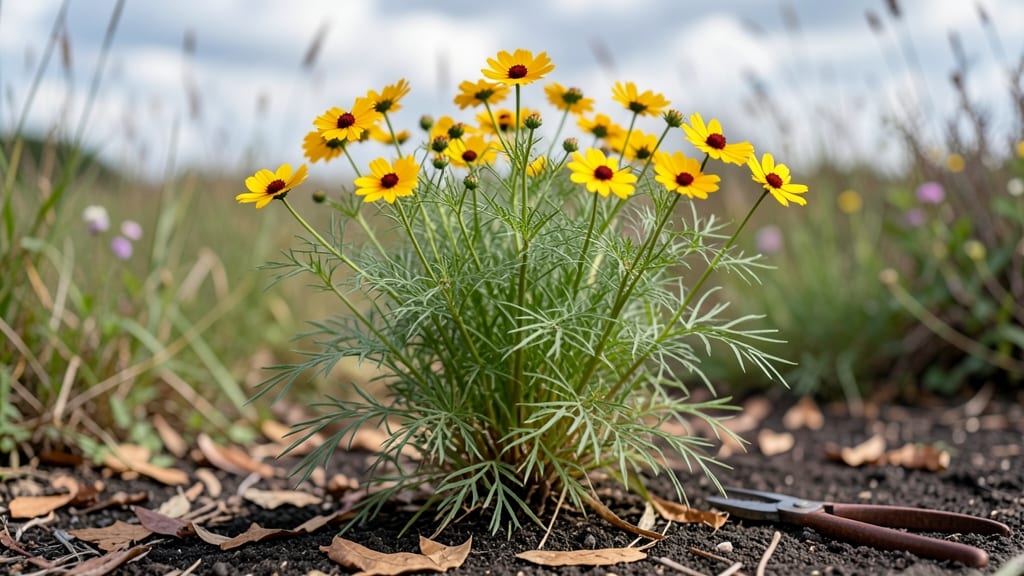
Virginia’s native perennials like flowers of Virginia—that bold, frost-hardy Echinacea purpurea—stand out as the backbone of any resilient garden. 🌿 They thrive where others falter, blooming from early summer through fall with those iconic purple-pink daisy faces that hummingbirds can’t resist.
My first year planting them, I nearly weeded them out by accident—they’re so tough they blend into the background until they explode in color.
The real magic happens when you pair them with Virginia’s native companions: goldenrod for late-season cheer, black-eyed Susans for contrast, and wild bergamot for pollinator traffic. These combos create a low-maintenance meadow that looks effortless but takes years to perfect.
I’ve seen gardens where just one clump becomes the star, while others use them as borders or mass plantings for dramatic impact.
What you’ll love most is how they bounce back after frost—some varieties even bloom again in fall. The foliage stays green through winter, providing structure when other perennials have faded.
Imagine a garden that works year-round with minimal fuss, where every bloom feels like a local secret. That’s the Virginia-inspired look we’re building here.
Whether you’re filling a sunny border, restoring a native meadow, or just adding a splash of color to a shady corner, these perennials adapt. They’re the unsung heroes of Virginia gardens—hardy, beautiful, and impossible to kill. Let’s get your garden blooming like the Piedmont in its prime.
📚 In This Guide
- What you need
- Instructions
- Tips and common mistakes
- Wrapping up and next steps
What you need
- ● Virginia-native perennial flowers: Choose from frost-hardy favorites like Virginia Bluebells (Mertensia virginica), Bloodroot (Sanguinaria canadensis), or Trillium (Trillium grandiflorum). (3–5 plants per variety recommended for full impact!)
- ○ High-quality garden soil: Well-draining, slightly acidic (pH 6.0–7.0) soil mix. (Optional: Amend with compost for nutrient boost!)
- ● Organic mulch: Shredded bark or wood chips (2–3 inches) to retain moisture and protect roots in winter.
- ● Garden trowel or spade (for digging)
- ● Pruning shears (sterilized with rubbing alcohol)
- ● Watering can or hose with adjustable nozzle
- ● Gloves (gardening or work gloves for comfort)
- ● Measuring tape (to space plants 12–24 inches apart, depending on variety)
- ○ Optional: Soil pH test kit (to confirm acidity levels) or a drip irrigation system for consistent watering.
- ● Sunlight assessment: Most Virginia perennials thrive in partial shade (4–6 hours of sunlight daily).
- ● Frost timing: Plant in early spring (March–April) or fall (September–October) to avoid late frosts.
- ● Local climate check: Verify your USDA Hardiness Zone (Virginia ranges from 5b–8a; most of these flowers handle Zone 5+!).
How to establish flowers of Virginia in your Pacific Northwest garden
This hardy perennial thrives in our region's cool, moist climate—here's how to get it growing strong.
🌱 Step 1: Choose the Perfect Planting Site
Flowers of Virginia (Virginia bluebells, Mertensia virginica) loves partial shade with morning sun and afternoon dappled light. In the Pacific Northwest, this means planting where trees filter harsh afternoon rays but still allow bright morning sunlight to reach the foliage. Avoid full shade—plants will grow leggy and produce fewer blooms.
Check your site's moisture level before planting. These perennials prefer consistently moist, well-draining soil. If your soil drains poorly, amend with 2-3 inches of organic matter (like compost or leaf mold) mixed into the top 12 inches of soil. Press the amended area gently—it should hold moisture like a damp sponge but not feel soggy.
Here's the thing—these plants spread slowly but steadily. Give each clump 18-24 inches of space to prevent overcrowding. If planting in groups, space them 2-3 feet apart for a natural, meadow-like display. Mark your planting spots with sticks or garden flags before digging to avoid disturbing roots later.
🪴 Step 2: Prepare the Soil and Plant Bare-Root Crowns
Dig holes twice as wide as the root ball but only as deep as the crown (where roots meet stems). The crown should sit just below soil level—burying it too deep causes rot, while planting too high stresses the plant. Gently loosen the roots if they're circling tightly in the container.
Mix the removed soil with 1 part compost to improve fertility and drainage. This ensures the roots have plenty of organic matter to establish quickly. Place the plant in the hole and backfill with the amended soil, pressing lightly around the base. Water deeply to settle the soil and eliminate air pockets.
Real talk: These perennials are tough, but they hate dry soil. If your garden drains quickly, add 1-2 inches of mulch (like shredded bark or wood chips) around the base, keeping it 2-3 inches away from the crown. This helps retain moisture without smothering the plant.
☀️ Step 3: Water and Maintain Through the First Season
Keep the soil evenly moist (not soggy) for the first 4-6 weeks after planting. Water deeply 2-3 times per week, aiming for 1 inch of water per week. You'll know you're doing it right when the top 1-2 inches of soil feel damp but not wet to the touch.
Once established, Flowers of Virginia tolerates drought better, but the first year is critical. Avoid overhead watering—it can spread fungal diseases. Instead, water at the base using a soaker hose or drip irrigation to keep foliage dry.
You'll see new growth emerge in spring, followed by clusters of bell-shaped blue flowers in late spring to early summer. Deadhead spent blooms to encourage a second flush of flowers later in the season. This perennial spreads slowly, so you won’t need to divide it for 3-5 years—patience pays off with a stunning, low-maintenance display.
✂️ Step 4: Protect and Prune for Long-Term Health
In early spring, cut back any dead or damaged foliage to 2-3 inches above the ground. This encourages fresh growth and improves air circulation, reducing the risk of fungal issues. Avoid heavy pruning in fall—let the foliage die back naturally for winter protection.
These plants are frost-tolerant and handle our Pacific Northwest winters well, but a 2-3 inch layer of mulch in late fall adds extra insulation. Remove the mulch in early spring once new growth appears to prevent moisture buildup.
Watch for leaf spot or powdery mildew—common in humid climates. If you spot these, remove affected leaves immediately and improve airflow by spacing plants farther apart. With proper care, Flowers of Virginia will reward you with decades of blooms, making it a true showstopper for your garden.
Tips & tricks for perfect flowers of Virginia establishment
These practical insights will help you create ideal growing conditions for your Pacific Northwest bluebells.
Site Selection Wisdom: When choosing your planting location in Step 1, prioritize areas with morning sun exposure—this gives the plants the energy they need for robust growth. I've found that positioning them slightly north of taller trees creates perfect dappled light conditions. If you're working with a shady yard, consider installing a small lattice structure to filter light while allowing some direct rays through.
Soil Preparation Secret: The 2-3 inches of organic matter you're adding in Step 1 should include a mix of compost and leaf mold for optimal results. I recommend using a soil test kit to check your pH—Flowers of Virginia thrive in slightly acidic soil (pH 6.0-6.5). If your soil tests higher, mix in a bit of sulfur or peat moss to adjust it before planting. This small adjustment makes all the difference in root development.
Planting Depth Precision: In Step 2, that crown placement is critical—it should be just below soil level, not buried or exposed. I've seen many gardeners accidentally plant too deep, which leads to crown rot. To visualize this, imagine the crown sitting at the same level it would be in its natural woodland habitat. A good trick is to draw a line on your trowel at the crown level before digging.
Watering Strategy: The 4-6 week watering schedule in Step 3 is non-negotiable for first-year success. I've found that using a rain gauge helps track your 1 inch per week target more accurately than guessing. For container-grown plants, you'll need to water even more frequently—sometimes daily in hot spells. Consider installing a simple drip irrigation system if you're planting multiple clumps, as it delivers consistent moisture right at the roots.
Pro Tips for Flowers Of Virginia
- These practical insights will help you create ideal growing conditions for your Pacific Northwest bluebells.
- Site Selection Wisdom: When choosing your planting location in Step 1, prioritize areas with morning sun exposure—this gives the plants the energy they need for robust growth.
- Soil Preparation Secret: The 2-3 inches of organic matter you're adding in Step 1 should include a mix of compost and leaf mold for optimal results.
Frequently asked questions
Got questions about growing Flowers of Virginia? You’re not alone! This stunning perennial is a favorite, but it does have some quirks. Here are answers to the most common queries to help you cultivate success.
What’s the best time to plant Flowers of Virginia in my region?
For optimal growth, plant Flowers of Virginia in early spring (March–April) or early fall (September–October). This gives roots time to establish before extreme summer heat or winter frost. Avoid planting in late summer—hot, dry conditions can stress young plants.
How cold can Flowers of Virginia tolerate?
This hardy perennial thrives in USDA Zones 5–9 and handles light frost down to 10°F (-12°C). In colder zones, mulch heavily in winter to protect roots. Pro tip: In Zone 4, plant in sheltered spots or use a frost blanket for extra insulation.
Why aren’t my Flowers of Virginia blooming?
Lack of blooms often means too much shade, over-fertilizing, or poor soil drainage. Ensure they get 6+ hours of sun daily and well-draining soil. Cut back dead flowers (deadheading) to encourage reblooming. If soil is too rich, blooms may focus on foliage instead!
Can I grow Flowers of Virginia in containers?
Yes! Use a large container (18+ inches wide) with drainage holes and a mix of potting soil + perlite. Water regularly—containers dry out faster. Choose a sunlit spot (like a patio or balcony) and repot every 2–3 years to refresh nutrients.
Are Flowers of Virginia deer-resistant?
While deer usually avoid them due to their fuzzy foliage, they’re not 100% deer-proof. For extra protection, plant near deer-deterrent companions like lavender or Russian sage, or use repellents in high-risk areas.
Wrapping up and next steps
Virginia’s frost-resistant perennials are nature’s hidden gems—packed with color, resilience, and low-maintenance charm that’ll turn any garden into a Pacific Northwest masterpiece. Whether you’re drawn to the bold hues of black-eyed Susans or the delicate elegance of Virginia bluebells, these flowers prove beauty thrives even in cooler climates. 🌸
Ready to transform your outdoor space? Start small—pick one or two varieties that resonate with you, gather your supplies, and dive in! Plant with confidence, and soon, your garden will be buzzing with life (and maybe a few admiring neighbors). Happy gardening! 🌿