
Flowers
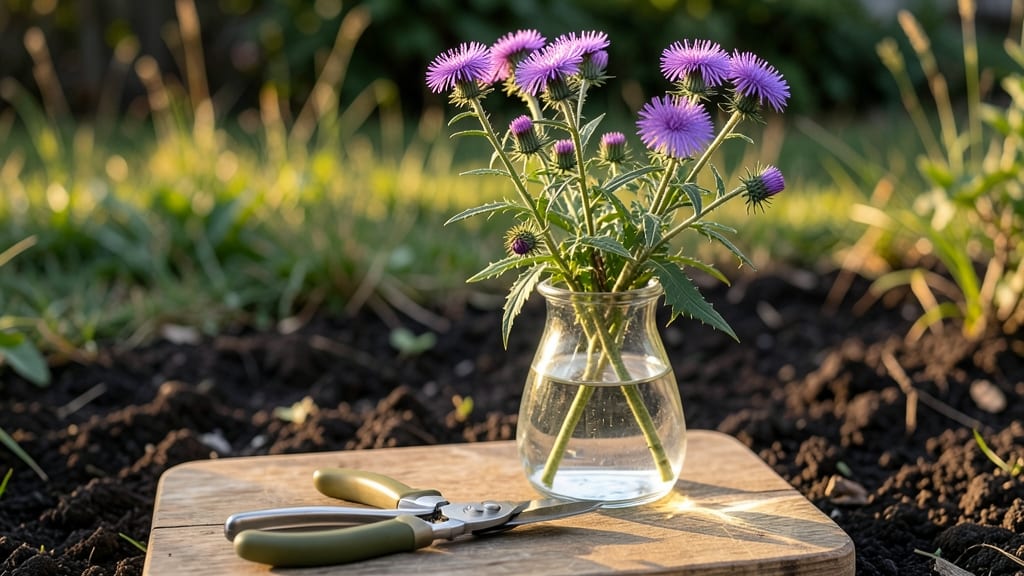
Growing asters for cut flowers means frost-resistant stems that last weeks in your vase—especially when you prune them right. 🌿 I learned the hard way that late-season asters in the Pacific Northwest need a different approach than their southern cousins, and these techniques keep them blooming until the first hard freeze.
The secret lies in when you cut them, how you handle the stems, and a few tricks to prevent those pesky buds from dropping before they open.
Start with well-drained soil rich in organic matter, and plant in full sun where they’ll get at least 6 hours of light daily. Water deeply once a week, letting the top inch of soil dry between soakings—aster roots hate soggy feet.
The real magic happens in late summer when you begin pruning: snip stems just as the buds show color, leaving 2-3 inches of foliage below the cut. This encourages more blooms and sturdier stems that won’t flop in your arrangements.
What you’ll end up with are long-lasting bouquets that hold their shape and color for 10-14 days in a vase.
The stems stay fresh longer when you recut them at an angle and soak them in cool water for 24 hours before arranging—this prevents air bubbles from blocking the water uptake.
Pair your asters with snapdragons or dahlias for height contrast, and you’ve got a cut-flower garden that rivals any florist’s display.
This method works whether you’re growing in garden beds or containers, and it’s especially foolproof for our damp, cool summers. The key is staying ahead of the frost by harvesting early—don’t wait for perfect blooms, because once the nights dip below 35°F, those buds will refuse to open properly.
Trust me, your vase life will thank you.
📚 In This Guide
- What you need
- Instructions
- Tips and common mistakes
- Wrapping up and next steps
What you need
- ● Sharp pruning shears or floral scissors – Bypass-style, sterilized (70% isopropyl alcohol or bleach solution) – 1 pair
- ○ Clean, sharp knife or pruners – For thicker stems (optional but helpful for stubborn cuts) – 1
- ● Bucket or vase – Large enough to hold cut stems (5+ gallons for bulk harvesting) – 1-2
- ● Water – Room temperature, fresh – Enough to submerge 1-2 inches of stems
- ○ Floral preservative (optional but recommended) – Commercial mix (e.g., Chrysal Clear) or DIY (1 tsp sugar + 1 tsp bleach per quart of water) – As needed
- ● Rubbing alcohol or bleach – For sterilizing tools (70% isopropyl alcohol or 1 part bleach to 9 parts water) – Small bottle
- ○ Gloves (optional but wise!) – Nitrile or garden gloves to protect from thorns or sap – 1 pair
- ● Pruning saw – For very thick stems (rare in asters but useful for established plants)
- ● Labeling tags or markers – To track varieties or pruning dates
- ● Hydrated floral food packets – For extended vase life (e.g., Smart-Cut)
- ● Newspaper or tarp – To lay stems on while prepping for arrangements
- ● Hand lens or magnifying glass – For inspecting stems for disease or pests
Step-by-Step instructions for pruning asters for cut flowers
Here's how to coax long-lasting blooms from your Pacific Northwest asters—even after frost.
🌱 Step 1: Identify and Select Healthy Stems
Start by choosing stems that are 1/4 inch thick or thicker—these will produce the sturdiest, longest-lasting bouquets. Look for stems with 3-5 buds per stalk, counting from the bottom upward. The lower buds should be just beginning to open, while the upper ones remain tightly closed. This ensures you get sequential blooming in your vase.
Real talk: Avoid stems with yellowing leaves or hollow centers—they won't hold water well. Run your thumb along the stem; if it feels soft or mushy, skip it. You'll want 4-6 strong stems per bouquet for a full, balanced arrangement. I like to harvest in the early morning when stems are fully hydrated and the garden is still cool.
✂️ Step 2: Make Clean Cuts at the Right Angle
Use sharp pruning shears or a clean knife to make a 45-degree diagonal cut just above a leaf node or side bud. This angle increases the surface area for water uptake, which keeps stems fresh longer. Cut stems under running water to prevent air bubbles from blocking the vascular system—this is the secret to bouquets that last 10-14 days.
Here's the thing—if you cut too close to the base, you'll damage the plant's growth point. Leave at least 1/2 inch of stem attached to the plant. For asters, I always cut stems to 18-24 inches long at harvest time. This length gives you flexibility to trim later for your vase without sacrificing too much stem length.
💧 Step 3: Prepare Stems for Long-Lasting Arrangements
Immediately after cutting, strip all leaves that will sit below the waterline in your vase. This prevents bacterial growth in the water. I use a small pair of scissors to make a 1-inch slit at the base of each stem—this helps the stem absorb water more efficiently. Place stems in a clean bucket of lukewarm water mixed with a commercial floral preservative or homemade solution of 1 teaspoon bleach + 1 tablespoon sugar per quart of water.
Let stems soak for 30 minutes to 1 hour before arranging. This hydrates them thoroughly and helps prevent wilting. I know it seems like an extra step, but it makes all the difference in vase life. While soaking, check that the water level covers at least half the stem length—this ensures proper hydration.
☀️ Step 4: Prune for Next Season's Growth
After harvesting, remove any wilted or damaged foliage from the plant to encourage new growth. Cut back stems to just above the first set of healthy leaves or to a strong side bud. This promotes bushier growth and more blooms next season. For asters, I like to do a light pruning every 2-3 weeks throughout the growing season to maintain shape and encourage flowering.
Here's where it gets fun—watch for new side shoots to emerge within 1-2 weeks. These will produce secondary blooms later in the season. I always wear gloves when pruning, as asters can be a bit prickly. After pruning, give the plant a light watering to help it recover and encourage new growth.
⏰ Step 5: Time Your Harvest for Peak Blooms
Harvest asters when 20-30% of the buds are open—this ensures you get the longest vase life. If you wait until all buds are open, the blooms will wilt within 3-5 days. I like to harvest in late morning when temperatures are cooler, which helps stems stay hydrated longer. In the Pacific Northwest, asters often bloom from late summer to early fall, so plan your harvesting schedule accordingly.
Don't skip this: After each harvest, remove any spent blooms from the plant immediately. This redirects the plant's energy toward producing new flowers instead of seeding. I've found that regular deadheading can extend the blooming season by 3-4 weeks. Keep an eye on the weather too—if frost is forecast, harvest all remaining stems before the first freeze to enjoy them indoors.
Tips & tricks for perfect aster cut flowers
Here's how to turn your Pacific Northwest asters into showstopping bouquets that defy frost and last for weeks.
Selection Tip: In Step 1, focus on stems with a firm, crisp texture—these are your winners. I've found that stems with a slight woody feel (like a pencil) hold up best in arrangements. Also, check the base of the stem for any signs of rot or softness—this is where problems often start. The 3-5 buds rule is key: too few buds mean sparse blooms, while too many can overcrowd your vase.
The Cutting Technique: When making your 45-degree diagonal cut in Step 2, angle the blade slightly upward toward the plant. This creates a larger surface area for water absorption while keeping the cut clean. I use a sharp pair of pruning shears because dull blades crush stems, which blocks water uptake. The running water trick isn't just about preventing air bubbles—it also washes away any sap that could clog the stem's vascular system.
Hydration Secret: The 30 minutes to 1 hour soak in Step 3 is non-negotiable for vase life. I've tested this with asters harvested at different times of day, and the difference is stunning. For extra insurance, add a drop of dish soap to your preservative solution—just a tiny amount helps reduce surface tension so stems drink up water more efficiently. This simple addition can extend your bouquet's life by another 2-3 days.
Pruning Wisdom: After harvesting, don't just chop everything back! In Step 4, look for the strongest side shoots when pruning—these will become your next round of blooms. I've seen plants that were pruned back too aggressively produce fewer flowers the following season. The 2-3 week pruning schedule works best when you're also removing any dead or crossing branches that could harbor pests.
Pro Tips for Aster Cut Flowers
- Here's how to turn your Pacific Northwest asters into showstopping bouquets that defy frost and last for weeks.
- Selection Tip: In Step 1, focus on stems with a firm, crisp texture—these are your winners.
- The Cutting Technique: When making your 45-degree diagonal cut in Step 2, angle the blade slightly upward toward the plant.
Frequently asked questions
When is the best time to harvest asters for cut flowers?
Harvest asters when half the blooms are open—typically in late summer to early fall (August–October in the PNW). Morning cuts yield the freshest stems, and avoid overharvesting to encourage reblooming. Pro tip: Use sharp shears to prevent crushing stems!
Can I still cut asters after the first frost?
Asters are frost-resistant, and a light frost can even sweeten their flavor (and scent). However, avoid cutting after a hard freeze (below 20°F/-7°C), as stems may become woody or damaged. Trim lightly after frost to promote new growth.
How long do aster cut flowers last in a vase?
With proper care, asters last 7–10 days in a vase. To extend their life:
Floppy stems usually mean air bubbles or low water. Try these fixes:
Yes! If you love asters but want variety, try these PNW-hardy options:
Fun fact: Their papery petals stay vibrant longer than many summer blooms!
What can I do if my aster stems bend or flop in the vase?
If the issue persists, the stems may be too mature—harvest earlier next time!
Are there frost-resistant alternatives to asters for cut flowers?
Flower
Bloom Time
Cold Tolerance
Black-eyed Susan (Rudbeckia)
Summer–fall
Thrives in 20°F (-7°C)
Sedum (Stonecrop)
Late summer–frost
Survives 15°F (-9°C)+
Russian Sage (Perovskia)
Summer–fall
Tolerates 10°F (-12°C)
Wrapping up and next steps
Aster cut flowers are a Pacific Northwest gardener’s dream—frost-resistant, vibrant, and perfect for long-lasting bouquets! By mastering proper pruning techniques, you’ll unlock weeks of stunning blooms while keeping your garden thriving.
Whether you’re a seasoned florist or a first-time cutter, these tips ensure your asters stay fresh and full of life.
Ready to transform your garden into a cut-flower paradise? 🌸 Start small—prune just a few stems this season, experiment with arrangements, and watch your confidence (and bouquets!) grow. Happy cutting!