Planting
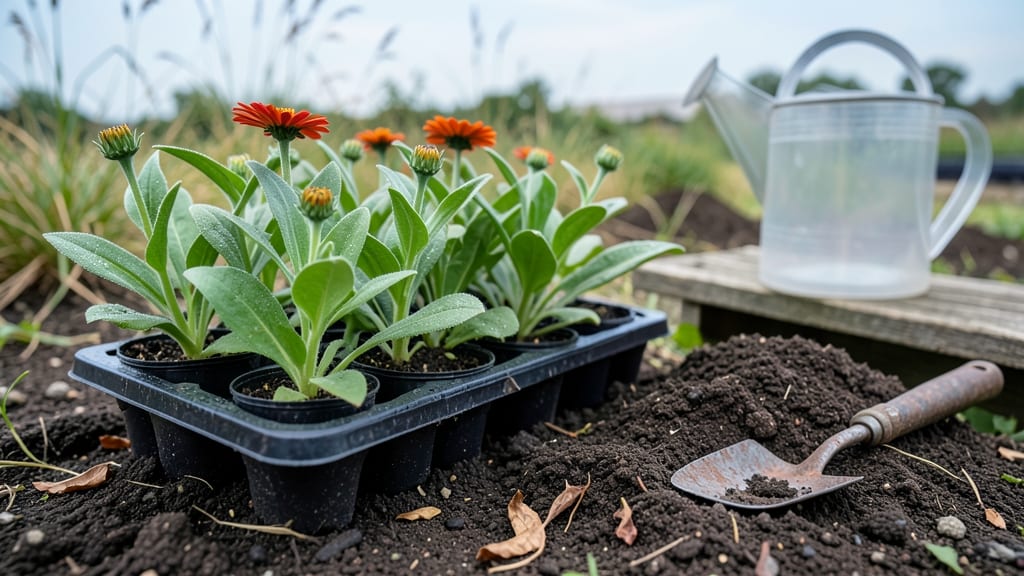
Planting a flower garden isn't about having a green thumb—it's about knowing a few simple tricks that turn any patch of earth into a riot of color.
I've turned my own front yard from a patch of weeds into a blooming paradise using just sunlight, the right plants, and a little patience. The secret isn't complicated: start with soil that drains well, pick flowers that thrive in your climate, and give them consistent care without fuss.
You don’t need fancy tools or expensive soil amendments to begin. A basic shovel, some compost, and a few hours on a weekend are all you’ll need to get started.
The key is choosing plants that fit your space and sunlight—annuals for quick color, perennials for long-term beauty, and a mix of heights to create natural layers. Even in small spaces, you can create a garden that feels lush and intentional.
What you’ll end up with is a garden that blooms reliably, requires minimal upkeep, and gives you joy all season long. The first year might need a little extra attention, but once established, your flowers will reward you with vibrant blooms that attract butterflies and hummingbirds.
The best part? You’ll learn as you go, and each season gets easier.
Whether you’re working with a sunny backyard, a shady corner, or even containers on a balcony, this approach works. Let’s get those flowers in the ground and turn your vision into reality—without the stress. You’ve got this!
📚 In This Guide
- What you need
- Instructions
- Tips and common mistakes
- Wrapping up and next steps
What you need
- ● Garden Plot: A sunny or partially shaded area (at least 4–6 hours of sunlight daily) with well-draining soil. Size depends on your vision—start small (e.g., 4’x4’) if you’re testing the waters!
- ● Soil Amendments: Compost (5–10 gallons) – improves soil fertility and drainage.
- ● Organic matter (e.g., peat moss or coconut coir) – enhances moisture retention.
- ● Flowers: Choose a mix of annuals (e.g., marigolds, petunias) and perennials (e.g., coneflowers, black-eyed Susans) based on your climate zone. Pro tip: Buy 1–2 plants per square foot for a lush look!
- ● Basic Tools: Garden trowel (for digging small holes).
- ● Hand pruners (sharp and clean for trimming).
- ● Garden fork or spade (for turning soil).
- ● Watering can or hose with a gentle spray nozzle.
- ● Mulch: Shredded bark or straw (2–3 inches) to retain moisture and suppress weeds.
- ● Garden gloves – protect your hands from thorns and dirt.
- ● Knee pads – because gardening is not a young person’s sport!
- ● Stakes or trellises – for climbing plants like morning glories.
- ● Slow-release fertilizer (e.g., 10-10-10) – feeds plants over time.
- ● Decorative edging (stones, bricks) – adds a polished touch to your garden borders.
- ● Rain gauge – keeps track of watering needs (especially in dry climates).
Step-by-Step guide to planting a low-maintenance flower garden
Here's how to create a vibrant, easy-care garden that thrives all year.
Choose the Perfect Location
Pick a spot that gets at least 6 hours of sunlight daily—most flowers need this minimum to bloom properly. Watch for areas where water pools after rain, as soggy soil will rot roots. A slight slope helps water drain naturally, but avoid spots where wind whips constantly, which can damage delicate stems.
Test the sunlight by observing the area over a few days. Mark the sunniest patches with small flags or sticks—these will be your prime planting zones. If your yard has shady spots, focus on shade-tolerant perennials like hostas or impatiens instead of sun-lovers like marigolds or zinnias.
Prepare the Soil for Healthy Growth
Clear the area of weeds, rocks, and debris, then loosen the top 6-8 inches of soil with a garden fork or tiller. This breaks up compacted layers so roots can spread easily. Mix in 2-3 inches of compost to enrich the soil naturally—this adds nutrients without harsh chemicals.
Work the compost into the top layer thoroughly. You’ll know it’s well-blended when the soil looks dark and crumbly. Avoid digging deeper than necessary; shallow roots in flower gardens thrive near the surface where moisture and nutrients are most available.
Plan Your Planting Layout
Group plants by their sunlight and water needs to simplify care. Place taller flowers like delphiniums or sunflowers at the back or center, with shorter varieties like petunias or marigolds in front. This creates a natural, layered look and prevents smaller plants from being shaded out.
Space plants according to their mature size—check the tags for guidance. Crowding leads to competition for water and nutrients, while over-spreading can make the garden look messy. A good rule of thumb is to leave 12-18 inches between medium-sized perennials and 6-12 inches between annuals.
Plant with Care for Strong Starts
Dig holes twice as wide as the root ball but no deeper. Gently remove the plant from its container and tease apart any circling roots—this encourages outward growth. Place the plant in the hole so the top of the root ball sits level with the soil surface (or slightly higher for succulents).
Fill the hole with soil and press lightly around the base to remove air pockets. Water deeply right after planting to settle the soil and eliminate gaps. Avoid burying stems too deeply, as this can cause rot. Mulch with 2-3 inches of organic material (like shredded bark) to retain moisture and suppress weeds.
Water and Maintain for Long-Term Blooms
Water deeply once or twice a week, depending on rainfall, until the soil is 6 inches deep and moist. Shallow watering encourages weak roots, so let the top 1-2 inches of soil dry out between waterings. Use a hose with a gentle spray or drip irrigation to avoid disturbing the soil.
Fertilize lightly in early spring with a balanced, slow-release formula (like 10-10-10) to support steady growth. Deadhead spent blooms regularly to encourage more flowers and prevent self-seeding where you don’t want it. With consistent care, your garden will reward you with color and life all season long.
Tips & tricks for perfect flower garden planting
Took me years to figure out these simple tricks that make all the difference between a garden that thrives and one that struggles. Here's what nobody tells you about planting flowers that actually bloom all season.
Sunlight Secrets: The 6 hours of sunlight mentioned in Step 1 is non-negotiable for most flowers, but here's the trick: measure sunlight in summer when days are longest. Many spots get 6 hours in summer but less in winter—plan for this seasonal shift. If you're unsure, use a solar tracker app to monitor sunlight patterns for a week before planting.
Soil Prep Pro Tip: When loosening that top 6-8 inches of soil in Step 2, don't just scratch the surface—work the compost down until you see it mixed through the entire loosened layer. I learned this the hard way after planting beautiful flowers that struggled because the compost stayed concentrated at the top. Think of it like making a lasagna: layer your nutrients properly.
Planting Layout Hack: For the spacing in Step 3, I recommend using a simple string-and-stakes method to visualize your layout before digging. Tie a string between two stakes to create a straight line, then step off your 12-18 inch spacing with a measuring tape. This prevents the "crowded mess" look that happens when you eyeball spacing. Trust me on this—your garden will look like it was professionally designed.
Watering Wisdom: The deep watering in Step 5 works best with a simple test: stick your finger 2 inches into the soil. If it feels dry, that's your cue to water. I also recommend watering in the early morning—this gives plants all day to absorb moisture before evening evaporation. The key is consistency: better to water deeply once than lightly several times.
Pro Tips for Plant A Flower Garden
- Took me years to figure out these simple tricks that make all the difference between a garden that thrives and one th...
- Sunlight Secrets: The 6 hours of sunlight mentioned in Step 1 is non-negotiable for most flowers, but here's the tric...
- Soil Prep Pro Tip: When loosening that top 6-8 inches of soil in Step 2, don't just scratch the surface—work the comp...
Frequently asked questions
Got questions?
Planting a flower garden is easier than you think—here are answers to the most common ones to help you grow with confidence!
When is the best time to plant a flower garden?
The ideal time depends on your climate! In most regions, spring (after the last frost) and early fall are best for planting perennials and annuals. For warm-season flowers (like marigolds or zinnias), wait until the soil warms up in late spring. Cool-season flowers (such as pansies or snapdragons) can handle cooler temps, so plant them in early spring or late summer.
How often should I water my new flower garden?
Newly planted flowers need consistent moisture—water deeply 2-3 times per week for the first few weeks to help roots establish. Once established, most flowers prefer 1 inch of water per week, either from rain or irrigation. Mulch (like straw or wood chips) helps retain moisture and reduce weeds. Water in the morning to minimize evaporation and fungal issues.
What are the most common pests in flower gardens, and how do I prevent them?
Watch out for aphids, slugs, and Japanese beetles—they love munching on flowers! Prevent pests naturally by:
- Handpick large pests (like beetles) early in the day.
- Use neem oil or soapy water for aphids.
- Set out beer traps (a shallow dish of beer) for slugs.
- Plant pest-repelling companions, like marigolds (deter beetles) or basil (keeps mosquitoes away).
Can I plant flowers in containers instead of a ground garden?
Container gardening is perfect for small spaces, renters, or if your soil isn’t ideal. Choose well-draining pots (at least 12 inches deep) with holes for excess water. Use a lightweight potting mix and select compact or trailing flowers, like petunias, geraniums, or nasturtiums. Just remember to water containers more frequently—they dry out faster than ground soil!
Why aren’t my flowers blooming like they should?
Blooming struggles often come down to light, nutrients, or pruning. Check these first:
- Are they getting 6+ hours of sunlight daily? Some flowers (like sunflowers) need full sun, while others (like impatiens) tolerate shade.
- Are you fertilizing regularly? Use a balanced flower fertilizer (like 10-10-10) every 4-6 weeks.
- Are you deadheading (removing spent blooms)? This encourages more flowers!
- Are they overcrowded? Thin out plants if they’re competing for space.
Pro Tip:
Keep a simple garden journal to track what you plant, when you water, and any pests or blooming notes. It’ll help you adjust next year for even better results!
Wrapping up and next steps
Planting a flower garden is simpler than you think—with the right soil prep, sunlight strategy, and low-maintenance blooms, you’ll have a vibrant space that thrives all year round! 🌸 Remember, even small steps—like mulching or choosing drought-resistant plants—make a big difference.
Your green thumb isn’t needed, just enthusiasm and a little patience.
Now that you’re ready to dig in, start small—pick a sunny spot, grab your favorite flowers, and let nature do the rest. Happy planting! 🌱