Flowers
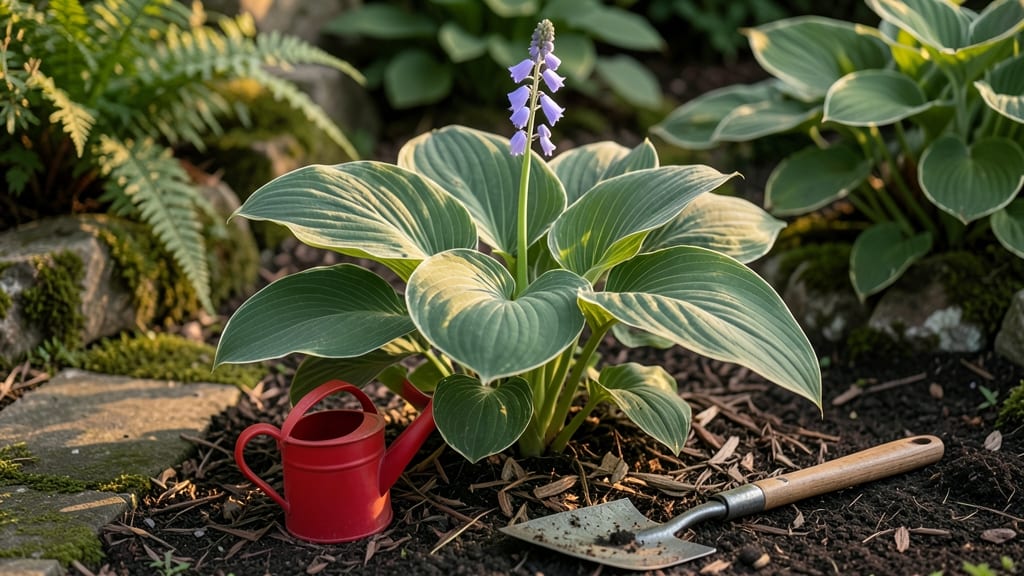
Shade-loving low maintenance perennial flowers bring life to dull corners, blooming effortlessly in my woodland garden—hostas that spread like a living carpet, astilbes that puff up like cotton, and four-year stars that demand almost no care. candy, and heucheras with foliage so striking it’s almost edible.
The key isn’t babying them; it’s choosing the right plants for your shade type (dappled, deep, or dry) and giving them a decent layer of mulch to hold moisture.
These plants thrive on neglect once established—no weekly watering, no fussing over deadheading (unless you want more blooms). My go-to trio delivers year-round interest: hostas for velvety leaves, astilbes for feathery plumes, and heucheras for jewel-toned foliage that glows even in dim light.
They handle everything from deer nibbles to forgetful gardeners, and most multiply so you’ll have extras to share (or give away when they crowd your borders).
By midseason, your shade garden will look like it belongs in a botanical garden, not a "problem area." The hostas’ deep green contrasts beautifully with astilbe’s soft pinks, while heucheras add pops of burgundy or lime.
Layer them with ferns for texture, and you’ve got a four-season show that requires less effort than watering a houseplant. The best part? No more dragging out hoses or wrestling with weeds.
Works in containers, borders, or woodland gardens—just match the shade level to the plant’s needs. For example, astilbes love consistent moisture, while hostas tolerate drier spots once established. Pair them with carefree companions like lungwort or Japanese painted ferns for even more drama.
Here’s how to make it happen without lifting a finger after the first year.
📚 In This Guide
- What you need
- Instructions
- Tips and common mistakes
- Wrapping up and next steps
What you need
- ● Shade-tolerant perennial flowers: 6–10 Hosta plants (e.g., 'Blue Angel' or 'Halcyon')
- ● 5–8 Astilbe (e.g., 'Fanal' or 'Deutschland')
- ● 4–6 Heuchera (e.g., 'Palace Purple' or 'Lime Rickey')
- ● 3–5 Bleeding Heart (Dicentra spectabilis)
- ● 2–4 Lungwort (Pulmonaria) (e.g., 'Blue Ensign')
- ● Soil amendments: 5–10 lbs compost (organic matter for drainage)
- ● 2–3 lbs peat moss or coconut coir (for moisture retention)
- ● Tools: 1 garden trowel (for planting)
- ● 1 pruners (sharp, bypass-style)
- ● 1 garden fork (for loosening soil)
- ● 1 hose with adjustable nozzle (or watering can)
- ● 1 mulch (3–4 inches of shredded bark or pine needles)
- ● Slow-release fertilizer (e.g., 10-10-10, 1 lb per 10 sq ft)
- ● Mulch volcano protector (to keep mulch away from plant stems)
- ● Garden gloves (for comfort)
- ● pH test kit (to check soil acidity, ideal: 6.0–7.0)
- ● Drip irrigation system (for automated watering)
How to plant and maintain shade-loving perennial flowers
Here's the simple method I use to create a thriving shade garden that blooms reliably for years.
🌱 Step 1: Choose the Right Location and Soil
Select a spot that receives no more than 3 hours of direct sunlight daily—most shade perennials thrive in dappled shade or full shade. Test the soil by digging a 6-inch hole and checking for drainage. If water pools after 30 minutes, amend the soil with 2 inches of compost and a handful of perlite to improve aeration.
I always work the compost into the top 12 inches of soil—this ensures roots have access to nutrients without competing with weeds. For heavy clay soil, mix in 4 inches of leaf mold to create a looser, more forgiving growing medium. The goal is soil that holds moisture but drains well; shade plants hate soggy roots.
🌿 Step 2: Plant at the Correct Depth and Spacing
Dig holes twice as wide as the root ball but only as deep as the container. This prevents burying the crown too deeply, which can cause rot. Gently remove plants from their containers and tease apart any circling roots—this encourages outward growth instead of tight root balls.
Space plants according to their mature size: 18-24 inches apart for compact varieties like heuchera or astilbe, and 24-36 inches apart for larger perennials like hostas or ferns. Pack the amended soil around the roots firmly to eliminate air pockets, then water deeply to settle everything. You'll know you've done it right when the soil surface looks slightly damp but not glistening.
☀️ Step 3: Mulch and Water for Establishment
Spread 3 inches of mulch over the soil surface, keeping it 2 inches away from plant stems to prevent rot. I use shredded bark or leaf mold because they break down slowly and improve soil structure over time. This layer also suppresses weeds and retains moisture—critical for shade plants that rely on consistent soil dampness.
Water once a week for the first 4 weeks after planting, providing 1 inch of water per week. Check moisture by sticking your finger 2 inches into the soil—if it feels dry, water again. Avoid overhead watering once plants are established; instead, use a soaker hose to deliver moisture directly to the roots. This prevents fungal diseases that thrive in damp foliage.
✂️ Step 4: Prune and Maintain for Long-Term Blooms
In early spring, remove any dead or damaged foliage from the previous year. For perennials like bleeding heart or lungwort, cut back stems to 2 inches above the ground—this encourages fresh growth and prevents disease buildup. For hostas and ferns, simply tidy up the center while leaving the outer fronds intact.
Deadhead spent blooms as they fade to redirect the plant's energy into next year's flowers. I always prune with clean, sharp shears and disinfect them with rubbing alcohol between cuts to prevent spreading pathogens. In late fall, apply a 2-inch layer of mulch to insulate roots and protect them from freezing temperatures.
⏰ Step 5: Monitor and Adjust Over the Seasons
Check plants monthly for signs of stress—yellowing leaves often mean too much water, while crispy edges signal underwatering or dry air. If weeds start competing, pull them before they seed—a few minutes of weeding now saves hours later. I also rotate mulch annually to maintain its effectiveness and top-dress with 1 inch of compost in early spring to replenish nutrients.
After 4 years, you'll have a self-sustaining shade garden that requires minimal effort. The key is observation: notice which plants thrive and which struggle, then adjust spacing or mulch accordingly. Most shade perennials reward patience with decades of blooms—once established, they'll outcompete weeds and handle droughts with ease.
Tips & tricks for perfect shade perennial gardens
Here's what I've learned after years of growing shade perennials that actually thrive with minimal fuss.
Soil Test First: Before amending your soil, do a simple drainage test in Step 1. Dig that 6-inch hole and pour a gallon of water into it. If it drains completely within 30 minutes, your soil is perfect for shade plants. If not, you'll definitely need that perlite and compost mix—don't skip this step! The right soil consistency makes all the difference for shade plants, which are more sensitive to soggy roots than sun-loving varieties.
Root Ball Technique: When planting in Step 2, I've found that gently squeezing the root ball before placing it in the hole helps break up any air pockets that might form. This encourages immediate root contact with the amended soil. After planting, I always give the soil a firm press around the edges with my hands—this creates better soil-to-root contact than simply backfilling. The slight dampness you should see on the surface is your confirmation that everything's settled properly.
Mulch Layering: For the 3-inch mulch layer in Step 3, I recommend applying half of it immediately after planting, then adding the remaining inch once the plants have settled for about 2 weeks. This two-step approach prevents the mulch from smothering newly planted roots while still providing weed suppression. I also like to create a small mulch-free circle around each plant stem to prevent rot—this 2-inch gap is crucial for maintaining plant health.
Pro Tips for Shade Low Maintenance Perennial Flowers
- Here's what I've learned after years of growing shade perennials that actually thrive with minimal fuss.
- Soil Test First: Before amending your soil, do a simple drainage test in Step 1. Dig that 6-inch hole and pour a gall...
- Root Ball Technique: When planting in Step 2, I've found that gently squeezing the root ball before placing it in the...
Frequently asked questions
Got questions about keeping your shade garden vibrant with minimal fuss? Here are the answers to some of the most common queries—so you can relax and enjoy your blooms!
What are the easiest shade perennials for beginners?
Start with hostas, heucheras, or astilbes—they’re tough, forgiving, and thrive in low light. For bold color, bleeding hearts (Dicentra) and foxgloves (Digitalis) are also stellar picks with minimal care. Pro tip: Choose varieties labeled "low-maintenance" or "drought-tolerant" for extra peace of mind!
How long does it take for shade perennials to establish and bloom?
Most shade perennials take 1–2 years to fully establish, but many (like heucheras or coral bells) may surprise you with blooms in their first season. Divide clumps every 3–4 years to keep them vigorous. Patience pays off—your garden will reward you with 4+ years of color with minimal effort!
Do shade perennials need extra watering?
Not usually! Once established, most shade-loving perennials are drought-tolerant once their roots are deep. Water deeply 1–2 times per week during dry spells in their first year, then taper off. Mulch (2–3 inches of shredded bark or leaves) helps retain moisture and suppresses weeds—game-changer!
What if my shade perennials look leggy or sparse?
Leggy growth often means too much shade or overcrowding. Try trimming back 1/3 of the foliage in early spring to encourage bushier growth. If roots are crowded, divide and replant in fall. For stubborn slug issues, use copper tape or diatomaceous earth—no harsh chemicals needed!
Are there any shade perennials that bloom year-round?
No single perennial blooms truly year-round, but layering plants with staggered bloom times can create near-continuous color. Pair spring bloomers (like lungwort) with summer/fall stars (like toad lilies) and winter interest plants (like hellebores). Bonus: Evergreen foliage (like Japanese painted ferns) adds texture even when flowers rest!
Wrapping up and next steps
Transforming your shady garden into a vibrant, low-maintenance paradise is simpler than you think! With the right shade-loving perennials, you’ll enjoy four years of effortless blooms—no fuss, just beauty. These resilient plants thrive with minimal care, making them perfect for busy gardeners or those new to gardening.
Ready to dive in? Start by sketching your garden layout and selecting 2-3 perennials that suit your shade conditions. Then, grab your tools and check off your supplies—you’re just a few steps away from a stunning, worry-free garden! 🌿✨