
Pests
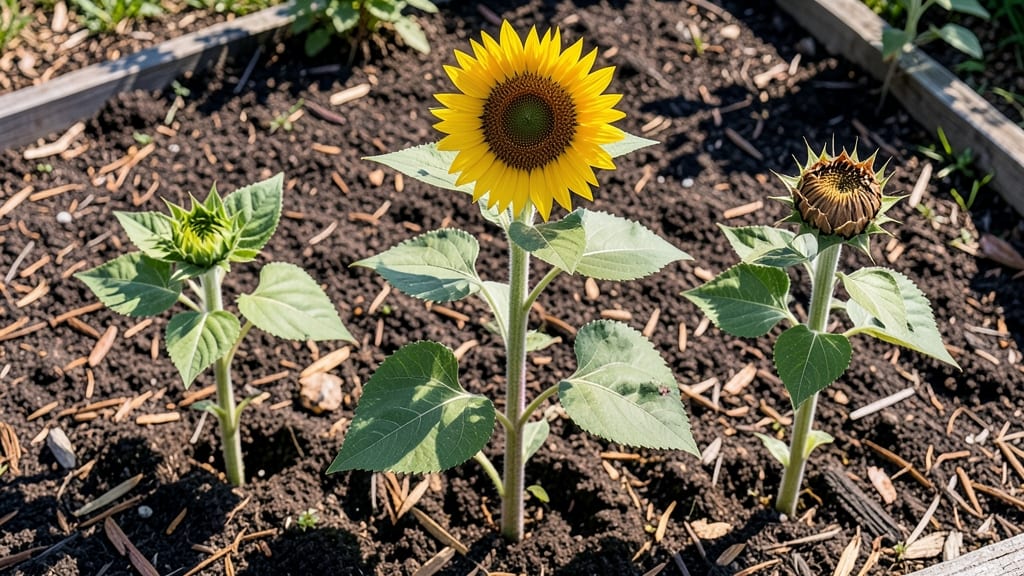
The 5 stages of a sunflower don’t just unfold—they transform a delicate seed into a breathtaking spectacle, from first sprout to golden crown. 🌻 I’ve watched my own sunflowers rise from fragile sprouts to 12-foot giants, and each phase holds its own magic, especially... when you know what to expect at every turn.
The first two stages—germination and seedling—happen fast, in just 10-14 days, if you keep the soil warm and moist. That little green hook breaking through the soil is the most exciting moment, followed by the first true leaves unfurling like tiny hands reaching for the sun.
This is where most beginners rush to transplant too soon, but patience here pays off.
By stage three, the bud formation, you'll notice the stem thickening and a fuzzy green ball forming at the top. This is where sunlight becomes critical—too little, and the bud stays stunted; too much direct afternoon heat, and it can scorch.
The real transformation happens in stage four, when that fuzzy ball bursts into a vibrant yellow bloom that tracks the sun like a solar-powered compass.
Stage five, seed maturation, is where the real magic happens—those seeds you'll later save or roast. The flower head dries out, turns brown, and releases seeds when ready, usually within 4-6 weeks of flowering.
The whole cycle, from seed to seed, is a reminder that growth isn't just about height—it's about timing, care, and watching nature unfold right before your eyes.
📚 In This Guide
- What you need
- Instructions
- Tips and common mistakes
- Wrapping up and next steps
What you need
- ● Sunflower seeds: Choose Helianthus annuus varieties (e.g., 'Mammoth' or 'Autumn Beauty'). Buy 100+ seeds for a full garden bed.
- ● Potting soil or garden soil: Use 10-15 lbs of well-draining, nutrient-rich soil (pH 6.0–7.5). Mix in 1 cup of compost per 5 lbs of soil for extra nutrients.
- ● Containers or garden plot: For seedlings: 6–8 biodegradable pots (3–4 inches deep) or a seedling tray with cells.
- ● For transplanting: A sunny garden bed (6+ feet wide) or large containers (12+ inches deep) with drainage holes.
- ● Watering can or hose: A 1-gallon watering can with a rose nozzle for gentle watering.
- ● Fertilizer: A balanced, slow-release fertilizer (10-10-10) or compost tea for organic growth.
- ● Gloves: A pair of gardening gloves to protect your hands.
- ● Trowel or transplanting tool: A small hand trowel for planting seeds and seedlings.
- ● Mulch: Straw or wood chips (2–3 inches thick) to retain moisture and suppress weeds.
- ○ Pest control (optional): Neem oil spray (for aphids or beetles).
- ● Row covers (to deter birds or pests during early stages).
- ○ Stakes or trellis (optional): Tall varieties (6+ feet) may need bamboo stakes or a trellis for support.
How to identify and care for each stage of sunflower development
Sunflowers grow fast—here's how to recognize each phase and keep them thriving.
🌱 Stage 1: Germination and First True Leaves (Days 5-14)
Watch for tiny sprouts pushing through soil within 5-7 days after planting. The first leaves—called cotyledons—look like tiny, rounded shields. These aren't true leaves but the plant's first energy source.
Keep soil consistently moist but never soggy. A simple test: stick your finger 1 inch deep—if it feels dry, water lightly. Place seedlings in full sun (6+ hours daily) or under grow lights 12 inches away to prevent leggy growth.
Real talk: If seedlings appear weak or yellow, they're getting too much water. Let the top inch dry between waterings. Here's the thing—sunflowers hate wet feet at this stage.
🌿 Stage 2: Vegetative Growth (Weeks 2-4)
This is when sunflowers get serious. You'll see 4-6 true leaves (longer, jagged-edged leaves) and the stem thickening daily. The plant focuses on building roots and foliage, not flowers yet.
Water deeply once a week (or when soil feels dry to touch). Sunflowers need 1-2 gallons per week depending on heat. Now's the time to add a balanced fertilizer (10-10-10) if your soil is poor.
I always check for pests—aphids love young sunflower leaves. A strong spray of water usually knocks them off. If stems look weak, they need more sunlight—move them closer to a south-facing window or extend grow light hours to 14 hours daily.
☀️ Stage 3: Bud Formation (Weeks 4-6)
The moment that matters: a tight green bud forms at the stem's top. This is your sunflower's future bloom! The plant slows leaf growth to focus energy on flower development.
Reduce fertilizer now—too much nitrogen makes plants leafy but flowerless. Water 2-3 times weekly (deep soaks), ensuring the bottom 6 inches of soil stays moist. You'll see the bud grow rapidly—sometimes 1 inch per day in warm weather.
Don't skip this: If buds turn brown or dry, they're stressed. Common causes are underwatering or sudden temperature drops below 50°F. A simple fix is to move plants to a sheltered spot if frost threatens.
🌼 Stage 4: Flowering (Weeks 6-8)
Here's the payoff: the bud cracks open to reveal bright yellow petals and a fuzzy brown center. The flower faces east at dawn, then tracks the sun westward as it moves—this is called heliotropism!
Water every other day during flowering (sunflowers need 2-3 gallons weekly). If petals wilt in afternoon heat, give them a light misting—but avoid soaking the blooms. This is when bees and birds visit most frequently.
This is the moment that matters: If the center turns brown and papery, the flower is ready for harvest. But if it stays green, it's still developing seeds. Here's a pro tip: Cut stems at a 45-degree angle to encourage water uptake.
✂️ Stage 5: Seed Maturation and Harvest (Weeks 8-12)
The final stage begins when petals fall and the back of the flower head turns yellow-brown. This is when seeds mature—wait until 75% of the back turns color before harvesting.
Cut the entire head when the back is mostly brown but seeds still rattle when shaken. Hang heads upside-down in a dry, dark place for 2-3 weeks to finish drying. Remove seeds by rubbing the head over a tray.
Don't skip this (I learned the hard way): If you harvest too early, seeds won't store well. Store dried seeds in a cool, dark place for up to 2 years. You'll see them plump and ready for planting next spring!
Tips & tricks for perfect sunflower growth
Took me a while to figure these out, so here's what I wish I knew sooner about nurturing sunflowers through every stage.
Seedling Stage Insight: Those first 5-7 days of germination are critical—don't rush to water! I used to overwater seedlings, thinking they needed more moisture, but sunflowers actually prefer their soil to dry out slightly between waterings. The "finger test" works perfectly: stick your finger 1 inch deep, and if it feels dry, that's your cue to water lightly. Too much water at this stage causes yellowing and weak stems.
Lighting Secret: Sunflowers are sun-worshippers from day one. If you're growing indoors, position seedlings within 12 inches of grow lights to prevent leggy growth. I learned this the hard way after my first batch stretched toward the window like they were reaching for heaven. For outdoor growers, make sure they get at least 6 hours of direct sunlight daily—this is non-negotiable for strong stems.
Bud Formation Watch: When that tight green bud appears in weeks 4-6, you'll notice the plant's energy shift dramatically. This is when to reduce fertilizer—too much nitrogen now will make your sunflower focus on leaves instead of that beautiful bloom. Watch for buds growing about 1 inch per day in warm weather, and keep the bottom 6 inches of soil consistently moist. If buds turn brown, it's usually a sign of underwatering or cold stress below 50°F.
Harvesting Timing: The 75% color rule for seed maturation is your best friend. When you see 75% of the flower head's back turn yellow-brown, that's your harvest window. I always check by giving the head a gentle shake—if seeds rattle inside, they're ready. Cutting at a 45-degree angle helps the stem absorb water better during the final drying process, which is crucial for seed quality.
Pro Tips for 5 Stages Of A Sunflower
- Took me a while to figure these out, so here's what I wish I knew sooner about nurturing sunflowers through every stage.
- Seedling Stage Insight: Those first 5-7 days of germination are critical—don't rush to water!
- Lighting Secret: Sunflowers are sun-worshippers from day one.
Frequently asked questions
Got questions about sunflower growth?
You’re not alone! Here are some of the most common queries—plus quick, actionable answers to help you nurture your sunflowers like a pro.
How long does it take for a sunflower to go through all 5 stages?
A sunflower typically completes its 5 growth stages in 80–120 days, depending on the variety and climate. Early bloomers like ‘Teddy Bear’ may flower in as little as 50 days, while giant varieties like ‘Mammoth’ can take up to 150 days. Warmth and sunlight accelerate growth—so plant in spring after the last frost for optimal timing!
Why is my sunflower wilting or drooping in Stage 3 (budding phase)?
Wilting at the budding stage is often due to underwatering, overwatering, or pests. Check the soil—it should be moist but not soggy. Look for aphids or spider mites on the undersides of leaves (they love tender buds!). If the soil is dry, water deeply at the base. For pests, spray with neem oil or introduce ladybugs to keep them in check.
Can I speed up sunflower growth if it’s lagging in Stage 2 (vegetative growth)?
Yes! Sunflowers need full sun (6+ hours/day), rich soil, and consistent water. If growth stalls, try these fixes:
- Fertilize with a balanced 10-10-10 or phosphorus-heavy (5-10-10) formula to boost root and stem development.
- Thin seedlings to 12–18 inches apart to reduce competition for nutrients.
- Mulch around the base to retain moisture and regulate soil temperature.
Are there sunflower varieties that skip stages or grow faster?
Some dwarf or hybrid varieties are bred for faster maturation, but they still follow the 5 stages—just more efficiently! For quick blooms, try:
- ‘Autumn Beauty’: Compact, 3–5 feet tall, flowers in ~60 days.
- ‘Little Becka’: Tiny (1–2 feet), perfect for containers, blooms in ~55 days.
- ‘ProCut’: A cut-flower favorite with a 2–3 week shorter growth cycle than traditional varieties.
What should I do if my sunflower’s head turns brown or moldy in Stage 5 (seed development)?
Brown or moldy heads in Stage 5 are usually caused by fungal diseases (like powdery mildew) or bird damage. Here’s how to fix it:
- For mold/mildew: Remove affected heads immediately and treat with a copper fungicide or baking soda spray (1 tbsp baking soda + 1 quart water + a drop of dish soap).
- For birds: Cover the head with a breathable mesh bag (like bird netting) once it turns yellow.
- Prevent future issues by spacing plants properly (poor airflow = more mold) and harvesting seeds promptly once they’re dry and brown.
Wrapping up and next steps
Watching a sunflower bloom is like witnessing nature’s masterpiece unfold! From a tiny seedling to a towering, radiant flower, each of the five stages teaches us patience, care, and the beauty of growth. Whether you’re battling pests or simply admiring their journey, remember: every challenge is part of the process.
🌱 Ready to nurture your own sunflower garden? Start by planting seeds in well-draining soil, keep an eye out for common pests, and celebrate each milestone. Share your progress with fellow gardeners—your green thumb might inspire someone else to grow too!