Planting
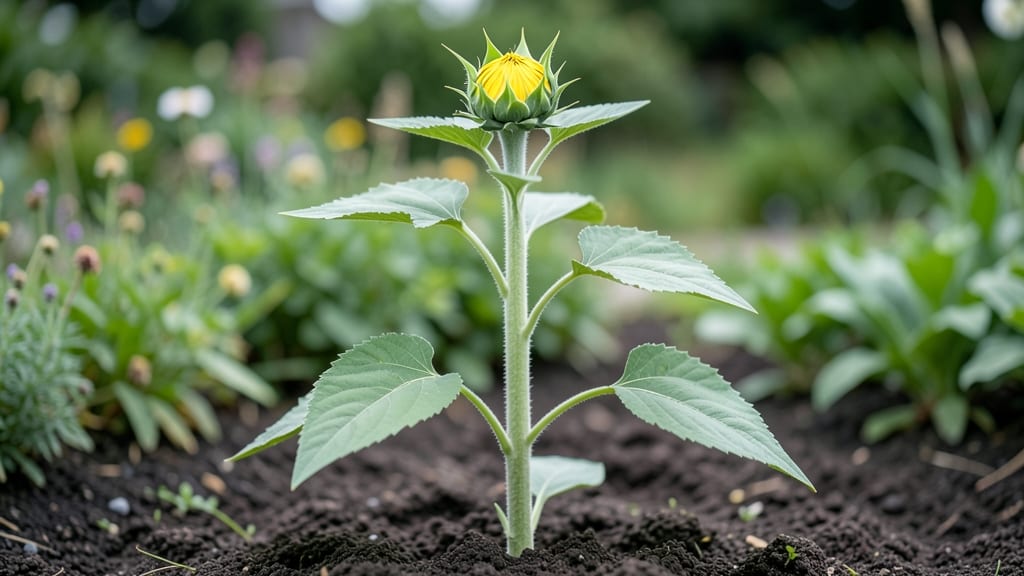
Cracking the code for young sunflower plants starts with those first 72 hours—the make-or-break window where tiny sprouts decide whether to fight or fade. 🌱 I’ve watched dozens of sunflower seeds turn into towering giants, and the secret isn’t fancy equipment—it’s knowing exactly how deep to plant, how much sun they really need, and when to water without drowning them.
Most beginners overthink it, but sunflowers are forgiving once you hit the basics right.
The magic happens in well-draining soil mixed with a handful of compost—no need for fancy blends. Plant seeds just 1 inch deep in warm soil (at least 60°F), and keep them moist but never soggy.
Within 5-7 days, you’ll see those first cotyledons (the little shield-shaped leaves) poking through, signaling your plants are on their way to 10-foot glory. The key? Morning sunlight and evening shade at first—too much heat too soon stunts their growth.
By week 3, your sunflowers will be 2 feet tall and ready for their first real drink of water—deep soaks once a week instead of daily sprinkles. That’s when you’ll notice the bold green stems and velvety leaves that mean business.
Protect them from slugs with crushed eggshells around the base, and watch for powdery mildew if humidity spikes—neem oil spray is your best friend here.
Common mistakes? Planting too deep (roots rot), skipping mulch (soil dries out), or crowding seeds (they’ll fight for space). But get this right, and by mid-summer, you’ll have sunflowers so tall they’ll block your view of the neighbor’s fence.
The best part? Every step feels like progress—no waiting months for blooms like with tomatoes or peppers. Let’s get those seeds in the ground!
📚 In This Guide
- What you need
- Instructions
- Tips and common mistakes
- Wrapping up and next steps
What you need
- ● Sunflower seeds: Choose heirloom or hybrid varieties (e.g., 'Mammoth' or 'Autumn Beauty'). Buy 10–20 seeds for a small garden or 50+ seeds for a full patch.
- ● Seed-starting mix: A lightweight, sterile potting mix (avoid garden soil—it’s too dense!). A 5–10 lb bag should suffice.
- ● Containers: For indoor starts: 3–4 inch deep pots (or recycled containers like yogurt cups with drainage holes).
- ● For direct sowing: A well-drained garden bed or biodegradable seedling pots (if transplanting later).
- ● Drainage trays or saucers: To catch excess water and prevent root rot. 1–2 trays for small batches.
- ● Watering can or spray bottle: A gentle misting nozzle helps avoid disturbing seeds.
- ○ Grow lights or sunny windowsill: Sunflowers need 6–8 hours of light daily. A LED grow light (optional but helpful for indoor starts).
- ● Plant labels: Small sticks or biodegradable markers to track varieties and planting dates.
- ● Seedling heat mat: Speeds up germination (especially in cool climates). Look for a mat rated for 70–80°F.
- ● Fertilizer: A balanced, water-soluble fertilizer (e.g., 10-10-10) or compost tea for young plants.
- ● Pruning shears: For trimming leggy seedlings later on.
- ● Garden gloves: Protect your hands from soil and prickly sunflower stems!
How to grow a sturdy young sunflower plant in 4 simple steps
Here's how I get sunflowers off to a fast, strong start every season.
🌱 Step 1: Prepare the Soil for Maximum Germination Speed
Sunflower seeds germinate fastest in loose, nutrient-rich soil that holds moisture without becoming waterlogged. Work the first 3 inches of soil to break up compaction—sunflower roots need room to push through. I mix in 1 cup of compost per square foot of planting area to give seedlings an energy boost right from the start.
Check soil moisture by squeezing a handful—it should hold together but not drip water. If your soil drains too quickly, add 1 inch of organic mulch (like straw) to help retain moisture. The goal is soil that feels like a damp sponge, not a soggy rag. Warmth speeds germination too, so plant after the last frost when soil reaches at least 60°F. A clear plastic tunnel or row cover can add 5-10°F of extra warmth if you're impatient for sprouts.
🌱 Step 2: Plant Seeds at the Right Depth for Fast Emergence
Sunflower seeds are large and store energy in their seed coat, so they don't need deep planting. Press each seed 1 inch deep—any deeper and seedlings will struggle to reach the surface. Space seeds 6 inches apart in rows 18 inches apart to give roots room to spread without competing for nutrients.
I use my finger to make small holes, then drop 1-2 seeds per spot (the extra gives insurance against poor germination). Cover with soil and pat gently to eliminate air pockets. Water lightly with a hose or watering can—just enough to settle the soil without displacing seeds. Overwatering now can cause seeds to rot before they sprout.
☀️ Step 3: Provide Consistent Moisture and Light for Rapid Growth
Sunflowers need full sun (6+ hours daily) from day one, but young seedlings can't handle intense midday heat. Start them in a location with morning sun and afternoon shade, then gradually move them to sunnier spots over 5-7 days. You'll see true leaves (the second set after the initial cotyledons) appear in 7-10 days—this is your signal to increase watering slightly.
Water deeply every 2-3 days until the top 2 inches of soil feel dry. Use a soaker hose or drip irrigation to keep foliage dry and prevent fungal diseases. Mulch with 2 inches of straw after germination to lock in moisture and keep soil temperatures stable. Avoid overhead watering once seedlings emerge—wet leaves slow growth and invite mildew.
🌿 Step 4: Support Early Growth for Tall, Straight Stems
Sunflowers grow fast, but their stems need support from the start. When seedlings reach 6 inches tall, drive a 3-foot stake into the soil beside each plant. Tie the main stem loosely to the stake with soft cloth or twine—this prevents wind from bending young stems permanently. I check ties weekly and adjust as stems grow thicker.
Watch for first signs of flowering (buds forming at the top) around 6-8 weeks after planting. This is when you'll need to thin plants if they're crowded—leave only the strongest stem per plant, cutting others at the base. Fertilize lightly with 5-10-10 at half strength when buds appear to encourage strong bloom development. Your goal is a 6-foot-tall sunflower with a 12-inch diameter bloom—and it all starts with these early steps.
Tips & tricks for perfect young sunflower plants
Here's what nobody tells you about giving sunflowers the fastest, sturdiest start possible.
Soil Temperature Secret: The 60°F soil temperature threshold isn't just a number—it's when sunflower seeds finally activate their germination enzymes. I've found that placing a thermometer in the soil at planting depth gives you real-time data. If your soil runs cooler than 60°F, consider using black plastic mulch to absorb heat before planting. This can add 5-10°F of warmth that makes all the difference in cold spring conditions.
Planting Precision: When you're planting those 1-inch deep seeds, think of it like making a perfect cup of coffee—too shallow and they won't have enough energy to push through, too deep and they'll suffocate. I use a pencil to make holes exactly 1 inch deep, then drop in seeds with tweezers for precision. The extra seed gives you insurance, but don't be tempted to plant deeper than 1 inch—sunflower roots are sensitive to this depth.
Light Transition Strategy: That 5-7 day gradual move to full sun is critical, and I've learned to watch for the "sunburn test"—if seedlings develop pale patches when moved too quickly, they're getting too much direct heat. Start by placing them where they get morning sun and afternoon shade, then move them 1 foot closer to full sun each day. This hardening-off process prevents the shock that can stunt growth.
Watering Wisdom: The 2-3 day watering schedule only works if you're checking that top 2 inches of soil properly. I use a screwdriver to test moisture—when it comes out clean, it's time to water. Overwatering at this stage is the #1 killer of young sunflowers. The key is to keep soil consistently moist but never soggy, which is why that 2 inches of straw mulch becomes your best friend after germination.
Pro Tips for Young Sunflower Plant
- Here's what nobody tells you about giving sunflowers the fastest, sturdiest start possible.
- Soil Temperature Secret: The 60°F soil temperature threshold isn't just a number—it's when sunflower seeds finally ac...
- Planting Precision: When you're planting those 1-inch deep seeds, think of it like making a perfect cup of coffee—too...
Frequently asked questions
Got questions about nurturing your young sunflower plant? You’re not alone! Here are some common concerns—and quick answers to help you grow confidently.
How long does it take for sunflower seeds to germinate?
A young sunflower seed typically sprouts in 7–14 days after planting, depending on soil warmth and moisture. Keep the soil consistently moist (not soggy!) and place seeds in a sunny spot or under grow lights. If you’re impatient, try pre-sprouting seeds in a damp paper towel for 2–3 days before planting for a head start!
Why isn’t my young sunflower seedling growing?
Slow growth can stem from a few issues: cold soil (sunflowers love warmth!), overwatering (roots need air), or lack of sunlight. Check if your seedling has one strong stem and a few true leaves—if not, it may need thinning or replanting. If pests like aphids are nibbling, spray with soapy water or introduce ladybugs!
Can I plant sunflower seeds indoors first?
Start seeds indoors 4–6 weeks before your last frost date using small pots or a seed-starting tray. Use well-draining soil, keep them warm (70–75°F), and provide 12–16 hours of light daily. Once seedlings are 3–4 inches tall and have 2–3 leaves, transplant them outdoors after hardening off (acclimating to outdoor temps for 1–2 weeks).
How often should I water a young sunflower plant?
Water deeply once or twice a week, ensuring the soil stays moist but not waterlogged. Sunflowers are drought-tolerant once established, but young plants need consistent moisture. Water at the base (not the leaves) to prevent fungal diseases like powdery mildew. A drip irrigation system or soaker hose works best for even hydration!
What can I do if my young sunflower plant falls over?
Sunflowers can lean due to poor sunlight or weak stems. If they’re top-heavy, gently stake them with bamboo stakes or tomato cages tied loosely to the stem. For extra support, plant seeds in well-draining soil with compost to encourage strong root growth. If they’re already bent, try replanting deeper to stabilize the stem—just be gentle!
Are sunflowers annuals or perennials?
Sunflowers are annuals, meaning they complete their life cycle in one growing season. However, some wild varieties (like Helianthus annuus) may self-seed and return the next year if left to dry on the stalk. If you love sunflowers, save seeds from healthy plants for next season’s garden!
Wrapping up and next steps
Growing a young sunflower plant from scratch is a rewarding journey—one that starts with patience, the right tools, and a dash of sunshine! 🌱 With fast-germination secrets like proper soil prep, ideal watering, and consistent sunlight, you’re well on your way to nurturing tall, vibrant blooms that’ll brighten your garden. Remember: every tiny sprout is a future giant!
Ready to watch your garden flourish? Plant your seeds today and enjoy the magic of watching them grow into towering sunflowers. Need more tips? Check out our full guide for step-by-step success!