
Flowers
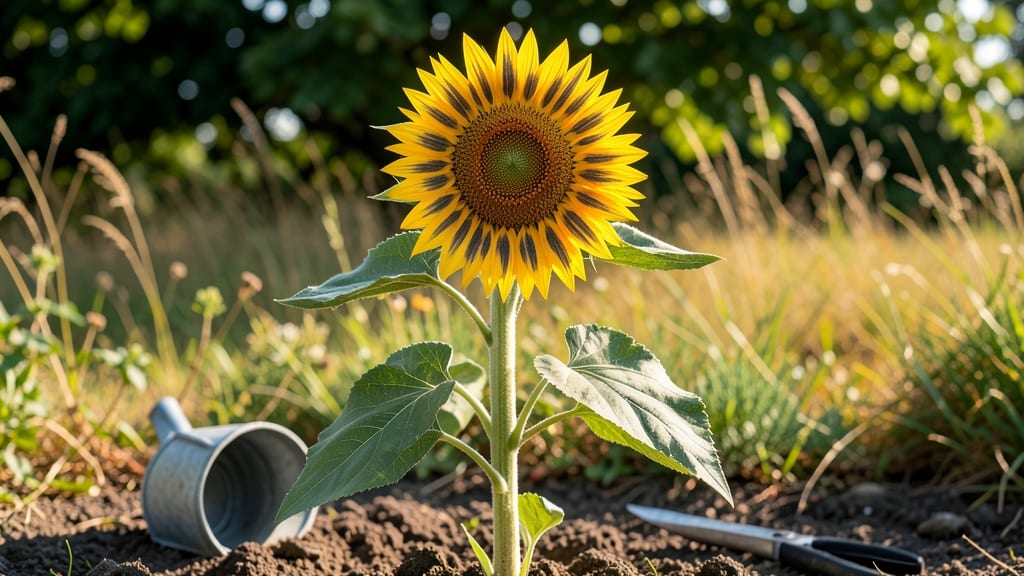
Growing mammoth grey stripe sunflower seeds lets you cultivate sunflowers that reach 10-12 feet tall—taller than most gardeners are—while thriving in cooler climates where other varieties struggle. The striking grey-and-yellow striped petals make them a showstopper, but their real magic is in their hardiness.
I planted mine last spring in zone 5, and they still produced bold, sturdy stems by early summer, even with cooler nights.
These sunflowers demand full sun (6+ hours daily) and well-draining soil rich in organic matter—think compost mixed into the top 12 inches. Spacing is key: give them 2-3 feet apart to prevent crowding, which weakens stems and invites pests.
Water deeply once a week (more in extreme heat), keeping soil consistently moist but never soggy. The first 6 weeks are critical—keep seeds moist until germination, then let the roots establish before tapering off.
By midsummer, you’ll see those towering blooms swaying in the breeze, their velvety petals drawing pollinators like bees and butterflies. The stems are sturdy enough for cutting, so you can bring the drama indoors.
Just watch for bird damage (they love the seeds!) and powdery mildew—space plants well and water at the base to avoid fungal issues. With the right care, these giants become the centerpiece of any garden.
Perfect for cutting gardens, pollinator-friendly landscapes, or even as a dramatic backdrop for smaller flowers. Once you grow them, you’ll never want to plant ordinary sunflowers again—they’re a game-changer for height, hardiness, and visual impact. Ready to grow your own sunflower giants?
📚 In This Guide
- What you need
- Instructions
- Tips and common mistakes
- Wrapping up and next steps
What you need
- ● Mammoth Grey Stripe sunflower seeds – 10–20 seeds (depending on desired spacing; ~18" apart for full growth potential).
- ● Well-draining potting mix or garden soil – High-quality, nutrient-rich soil (amend with compost for cooler climates).
- ● Containers or garden plot – Containers: 5-gallon pots or larger (with drainage holes) for each plant.
- ● Garden: Sunny spot with 6+ hours of light (south-facing is ideal).
- ● Watering can or hose with gentle spray nozzle – Avoid soaking seeds.
- ● Plant labels & markers – To track growth stages and varieties.
- ○ Stakes or trellis (optional but helpful) – 6–8 ft tall to support heavy blooms (especially in windy areas).
- ● Hand trowel or small shovel – For transplanting seedlings.
- ○ Gloves (optional) – To protect hands while handling soil.
- ● Fertilizer (balanced, 10-10-10 or organic) – Apply lightly at planting and mid-growth.
- ● Mulch (straw or shredded leaves) – 1–2 inches to retain moisture and regulate soil temperature.
- ● Frost cloth or row covers (for early planting) – Extend growing season in cooler zones (3–5).
- ● Slow-release fertilizer pellets – For steady nutrient supply.
- ● Bird netting – To protect blooms from hungry critters.
- ● Seedling heat mat – For indoor starts in chilly climates.
- ● Pruning shears – For deadheading spent blooms (encourages more flowers!).
How to grow Mammoth Grey Stripe sunflowers for dramatic height and cool-weather resilience
These sunflowers defy expectations—tall, striking, and perfectly suited for shorter growing seasons.
🌱 Step 1: Prepare the Soil for Strong Root Establishment
Sunflowers need deep, loose soil to support their towering growth. Work the 12-inch top layer of your garden bed until it crumbles easily between your fingers—no clods or compaction. Amend with 2-3 inches of compost mixed into the top 6 inches of soil to provide nutrients without overwhelming the plants.
Here's the thing—Mammoth Grey Stripes thrive in cooler climates, so avoid planting in heavy, wet soil. If your soil drains poorly, add 1 part perlite to every 3 parts soil to improve aeration. You'll know the soil is ready when a handful forms a loose ball that dissolves when squeezed.
🌱 Step 2: Plant Seeds at the Right Depth and Spacing
Direct-sow seeds ¼ inch deep and 18-24 inches apart in rows spaced 2-3 feet apart. These giants need room to avoid competition for nutrients and sunlight. I like to plant 4 seeds per hole—they germinate quickly, and you can thin later to the strongest seedling.
Don't overwater immediately after planting. The seeds need consistent moisture to germinate, but soggy soil can cause rot. Water gently until the soil is evenly moist to a depth of 2 inches. You'll see sprouts in 7-14 days, depending on your soil temperature—warmer soil speeds germination.
☀️ Step 3: Provide Full Sun and Consistent Moisture
Mammoth Grey Stripes demand 6-8 hours of full sun daily for their iconic height and vibrant blooms. If your summers are short, prioritize the sunniest spot in your yard. Even partial shade will result in shorter stems and fewer flowers.
Water deeply 2-3 times per week, aiming for 1-1.5 inches of water per session. Let the soil dry slightly between waterings—sunflowers are drought-tolerant once established, but young plants need steady moisture. You'll know they're thirsty when the leaves begin to wilt slightly in the afternoon.
✂️ Step 4: Support Tall Stems and Deadhead for Continuous Blooms
As stems reach 3-4 feet, they’ll need staking to prevent toppling. Use 3-foot bamboo stakes or heavy-duty plant supports placed at a 45-degree angle and tie stems loosely with soft twine. Avoid tight bindings—they restrict growth as the plant thickens.
Deadhead spent blooms by snipping the flower head just above the next set of leaves. This redirects energy to lower buds, encouraging more blooms. You'll see new flower buds forming within 2-3 weeks of deadheading, especially if you fertilize lightly with a balanced 10-10-10 formula every 4-6 weeks.
🌿 Step 5: Harvest Seeds for Next Year’s Garden
Leave a few mature flower heads on the plant until they turn brown and dry. Once the back of the head feels papery, cut the head and place it in a paper bag. Shake gently to release seeds, then store in a cool, dry place for planting next season.
Real talk: Mammoth Grey Stripes are biennials, meaning they often self-sow if left to seed. If you love their drama, you might find volunteers popping up the following spring—just thin them to avoid overcrowding.
Tips & tricks for growing towering Mammoth Grey Stripe sunflowers
A few strategic adjustments can transform your sunflower garden from good to spectacular. These tips address the unique needs of Mammoth Grey Stripes while preventing common pitfalls that derail even the most enthusiastic gardeners.
Soil Preparation Secret: The 12-inch deep soil amendment in Step 1 isn't just about nutrients—it's about creating the perfect aeration environment for those deep taproots. Confession: I skipped this step my first year and ended up with stunted plants. Use a soil test kit to verify pH between 6.0-7.0; these sunflowers thrive in slightly acidic to neutral soil. If your compost is fresh, mix in an extra 1 inch of well-aged compost to prevent nitrogen burnout that could stunt growth.
Planting Precision: When planting your 4 seeds per hole in Step 2, space them in a loose diamond formation rather than a straight line. This creates a more natural support system as they grow. The ¼-inch depth is critical—planting too deep can cause rot, while planting too shallow may lead to desiccation. Use your finger to create small pockets rather than pressing seeds into hard soil, then cover gently with a fine layer of compost rather than regular soil to maintain moisture.
Sunlight Strategy: The 6-8 hours of full sun requirement in Step 3 is non-negotiable, but here's what nobody tells you—morning sun is more valuable than afternoon sun for these cool-climate varieties. Position your sunflowers to catch the first rays of sunlight, which helps prevent afternoon wilting. If you're in a region with intense afternoon sun, provide afternoon shade for the first 2 weeks to help young plants acclimate without stress.
Staking Technique: When your plants reach 3-4 feet in Step 4, use a "belt and suspenders" approach to staking. Install your 3-foot bamboo stakes at planting time (yes, really) and loosely tie the stems as they grow. This prevents the shock of sudden support. For extra stability, add a secondary stake at a 90-degree angle to the primary one, creating an "X" support system. This is especially important for the heavy flower heads these varieties produce.
Pro Tips for Mammoth Grey Stripe Sunflower Seeds
- A few strategic adjustments can transform your sunflower garden from good to spectacular.
- Soil Preparation Secret: The 12-inch deep soil amendment in Step 1 isn't just about nutrients—it's about creating the perfect aeration environment for those deep taproots.
- Planting Precision: When planting your 4 seeds per hole in Step 2, space them in a loose diamond formation rather than a straight line.
Frequently asked questions
How tall do Mammoth Grey Stripe sunflowers actually grow?
These sunflowers are true giants—expect stems to reach 10 to 14 feet tall, with some varieties surpassing 16 feet in ideal conditions! Their towering height makes them perfect for privacy screens, dramatic backdrops, or even cutting for bouquets. Just ensure they have 6+ feet of space to avoid flopping in wind or rain.
Can I grow Mammoth Grey Stripe sunflowers in cooler climates?
Unlike many sunflowers, this variety thrives in USDA Zones 3–9 and tolerates light frosts (down to 25°F). Start seeds indoors 4–6 weeks before your last frost or direct-sow after soil warms to 50°F. Their longer growing season (90–120 days) means they’re ideal for northern gardens or early spring plantings.
What’s the best way to prevent these sunflowers from toppling over?
Use sturdy supports like bamboo stakes, tomato cages, or even a trellis for extra-large varieties. Plant in well-draining soil and water at the base (not the leaves) to avoid weakening stems. For heavy blooms, tie stems loosely to supports with soft fabric—avoid wire, which can damage the bark.
When is the ideal time to harvest Mammoth Grey Stripe sunflower seeds?
Wait until the back of the bloom turns brown and the seed head feels dry to the touch (usually 30–45 days after flowering). Harvest on a dry day, then dry seeds indoors for 1–2 weeks in a paper bag. Once fully dry, rub the heads to release seeds—store in an airtight container in a cool, dark place for up to 2 years.
Are there shorter alternatives if my garden isn’t huge?
If space is limited, consider these taller-but-manageable sunflower varieties:
- Russian Giant (8–12 ft)
- Autumn Beauty (5–7 ft, striped blooms)
- ProCut (5–6 ft, great for cutting)
Why are my sunflower buds drying up before opening?
This is often caused by stress—check for:
- Underwatering (sunflowers need 1–2 inches of water weekly).
- Overcrowding (space seeds 12–18 inches apart).
- Pests like aphids or sunflower moths (spray with neem oil if needed).
- Nutrient deficiency (add compost or a balanced fertilizer at planting).
Wrapping up and next steps
Growing Mammoth Grey Stripe sunflower seeds is a rewarding way to add drama and height to your garden—even in cooler climates! 🌱 Their striking grey-striped petals and towering stems (up to 12 feet!) make them a standout choice for both pollinators and gardeners alike.
Whether you’re a beginner or a seasoned green thumb, these sunflowers prove that beauty and resilience go hand in hand.
Ready to plant your own? Start by gathering your supplies, picking the perfect spot, and following the simple steps outlined above. Before you know it, your garden will be buzzing with life—and stunning sunflowers reaching for the sky! 🌻✨