
Flowers
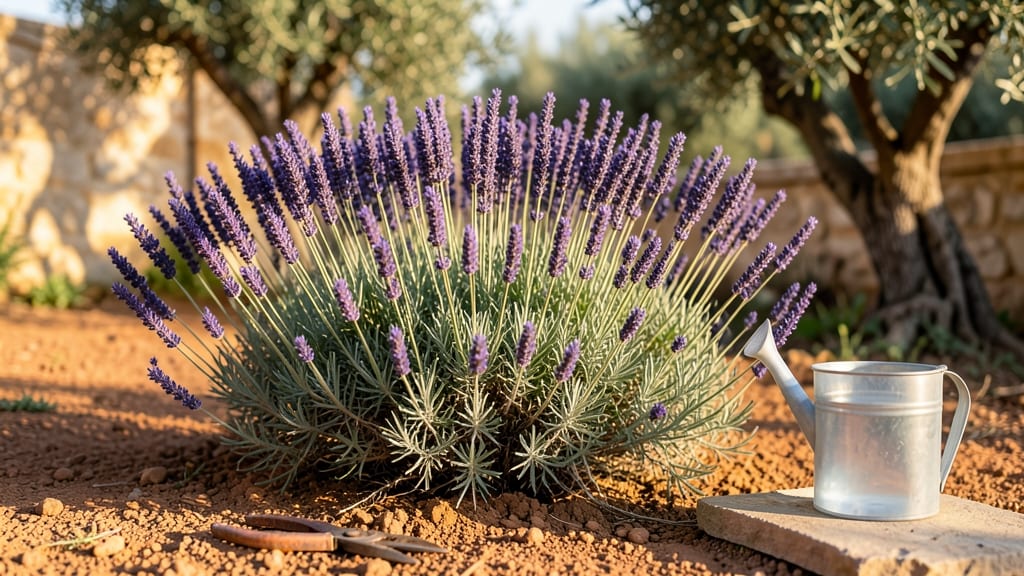
Zone 5b’s brutal winters don’t have to mean a summer-only garden—some flowers thrive when others freeze. 🌸 I’ve grown these same varieties through -15°F winters, and they reward me with blooms from late spring through frost.
The secret lies in choosing perennials with deep roots and annuals that bounce back fast.
Think coneflowers, black-eyed Susans, and Siberian bugloss for perennials that return year after year. For annuals, try sweet alyssum or frost-tolerant pansies—they’ll keep blooming until snow flies. Mulch heavily in fall and water deeply before freeze to protect roots, and you’ll extend the season by weeks.
By late May, your garden will burst with color, and those same plants will greet spring again next year. The key is timing: plant perennials in fall or early spring, and annuals after the last frost. Even in Zone 5b, you can have a garden that feels alive year-round.
These varieties handle the cold because they’re built for it—no fuss, no fussing. The only real trick is giving them the right start, and I’ll walk you through exactly how to do that without overcomplicating things.
📚 In This Guide
- What you need
- Instructions
- Tips and common mistakes
- Wrapping up and next steps
What you need
- ● Zone 5b-hardy flower seeds/bulbs: Choose from tulips, daffodils, peonies, coneflowers, black-eyed Susans, or Russian sage (10–20 plants/bulbs per variety, depending on desired coverage).
- ● Well-draining soil: Mix in compost (2–3 gallons per planting hole) or peat moss (1 part peat to 2 parts native soil) for nutrient-rich beds.
- ● Organic mulch: 3–4 inches of shredded bark, straw, or pine needles to insulate roots in winter.
- ● Slow-release fertilizer: 10–10–10 or 5–10–10 NPK ratio (1–2 lbs per 100 sq ft of garden bed).
- ● Hand trowel or transplant spade (for digging holes 6–12” deep).
- ● Garden gloves (to protect hands from thorns or sharp soil).
- ● Watering can or hose with adjustable nozzle (for gentle watering post-planting).
- ● Pruners or shears (for trimming dead blooms or shaping plants).
- ○ Optional but helpful: Soil pH tester ($10–$20) to check acidity (ideal: 6.0–7.0 for most flowers).
- ● Drip irrigation kit ($30–$50) for consistent moisture.
- ● Frost cloth ($15–$30) for extra protection during late frosts.
- ● Sunlight assessment: Identify full sun (6+ hours/day) or partial shade (3–6 hours) spots in your yard.
- ● Frost date knowledge: Check your last average frost date (mid-May) and first frost (mid-September) for timing.
- ● Water source nearby: Ensure easy access for 1–2 inches of water per week (more during droughts).
How to select and plant frost-hardy flowers for Zone 5b
Here’s how I pick resilient blooms that survive winter and keep coming back.
🌱 Step 1: Choose Perennials That Thrive in Zone 5b Winters
Focus on plants labeled USDA Zone 5b hardy—these survive -15°F to -10°F winters. Coneflowers, black-eyed Susans, and Russian sage are my top picks because they bounce back after frost. Check labels for "perennial" and "cold-hardy" to avoid annuals that die back every winter.
I avoid tender varieties like impatiens or tropical hibiscus—they won’t make it past the first frost. Instead, opt for native species like purple coneflower or butterfly weed, which have deep roots that insulate against freezing. These plants also attract pollinators year-round, which is a bonus.
☀️ Step 2: Time Planting for Fall or Early Spring
Plant perennials in early fall (6-8 weeks before first frost) or early spring (2-4 weeks before last frost). Fall planting gives roots time to establish before winter, while spring planting avoids winter stress. I dig holes twice as wide as the root ball but only as deep—planting too deep suffocates roots.
Water deeply right after planting to settle the soil around roots. You’ll know it’s right when the soil looks slightly damp but not soggy. Mulch with 2-3 inches of shredded bark to protect roots from temperature swings. This keeps the soil 5-10°F warmer in winter and retains moisture in summer.
💧 Step 3: Water Deeply but Less Frequently
Once established, most Zone 5b perennials need water only when the top 2 inches of soil feel dry. Overwatering in winter can rot roots, so I check soil moisture in late winter—if it’s still damp, I wait. In summer, water deeply once a week unless it rains, encouraging deep root growth.
I water in the morning to reduce fungal risks. You’ll see healthy foliage with a deep green color—pale or yellowing leaves mean it’s time to check moisture. Drought-tolerant varieties like lavender or sedum need even less water once established.
✂️ Step 4: Prune Strategically in Late Winter or Early Spring
Cut back dead foliage in late winter (just before new growth starts). This prevents disease and lets sunlight reach the crown. I prune coneflowers and black-eyed Susans to 4-6 inches tall, leaving some stems for overwintering insects. Avoid heavy pruning in fall—it stresses plants before winter.
Watch for new shoots emerging in early spring—that’s your cue to stop pruning. Deadheading spent blooms throughout summer encourages more flowers. I leave seed heads on some plants like coneflowers to feed birds and attract beneficial insects.
Tips & tricks for perfect Zone 5b flowers
Here's what nobody tells you about keeping your frost-hardy garden thriving through every season.
Hardiness Zone Verification: Double-check that your selected perennials are labeled for Zone 5b specifically—some Zone 5 plants might only handle down to -20°F. I always verify this at the nursery or check the plant tag. Russian sage and purple coneflower are my go-tos because they consistently survive our harsh winters. The key is looking for that "-15°F to -10°F" hardiness range mentioned in Step 1.
Planting Depth Secret: When you dig that hole twice as wide as the root ball in Step 2, don't forget to loosen the sides of the hole with your fingers or a trowel. Compacted soil around the roots can prevent proper water absorption. I also like to add a handful of compost to the backfill soil—it gives those new roots an extra nutrient boost right away. This small step makes all the difference in winter survival.
Mulching Strategy: That 2-3 inches of shredded bark in Step 2 isn't just for looks—it's insulation. I spread mine in a donut shape around plants, leaving a small gap around the stems to prevent rot. In late winter, I pull back the mulch slightly to check for new growth before adding more. This technique keeps roots protected while still allowing them to breathe and respond to spring warmth.
Watering Wisdom: For the once-a-week summer watering in Step 3, I use a rain gauge to measure exactly 1 inch of water per week. Early morning is best because it gives leaves time to dry before evening, reducing fungal diseases. I've found that watering deeply but infrequently encourages roots to grow deeper, making plants more drought-resistant over time.
Pro Tips for Zone 5b Flowers
- Here's what nobody tells you about keeping your frost-hardy garden thriving through every season.
- Hardiness Zone Verification: Double-check that your selected perennials are labeled for Zone 5b specifically—some Zone 5 plants might only handle down to -20°F.
- Planting Depth Secret: When you dig that hole twice as wide as the root ball in Step 2, don't forget to loosen the sides of the hole with your fingers or a trowel.
Frequently asked questions
Got questions about growing zone 5b flowers? You’re not alone! Here are some of the most common concerns—and their answers—to help you thrive in your frosty climate.
What’s the coldest temperature zone 5b flowers can handle?
Zone 5b flowers are designed to survive average annual minimum temperatures of -15°F to -10°F (-26°C to -23°C). However, a hard freeze (-20°F/-29°C or lower) may still cause damage to tender blooms or young plants. Mulching and choosing perennial varieties (like coneflowers or peonies) adds extra protection.
When should I plant zone 5b flowers for best results?
For spring-bloomers (e.g., tulips, daffodils), plant bulbs in fall (October–November) so roots establish before winter. Perennials (like black-eyed Susans) can go in early spring or fall when soil is workable. Annuals (e.g., pansies) wait until after the last frost (typically late May in zone 5b).
Can I grow tropical flowers in zone 5b?
Most tropical flowers (like hibiscus or bird-of-paradise) won’t survive zone 5b winters outdoors. However, you can grow them in containers and overwinter them indoors or in a greenhouse. For year-round color, opt for frost-hardy alternatives like crocuses, hellebores, or Russian sage—they’re built to handle the cold!
Why are my zone 5b flowers dying after a hard freeze?
If your plants brown or wilt post-freeze, it’s often due to water stress (frozen roots can’t absorb moisture) or damaged stems. Prune dead foliage in spring, but wait to fertilize until new growth appears. For bulbs, check for rot—if soggy, replant in well-draining soil. Mulch heavily next winter to insulate roots!
How do I extend the blooming season in zone 5b?
Layer early, mid-, and late-season bloomers for continuous color! Try:
- Early: Crocuses, hellebores (winter/spring)
- Mid: Peonies, coneflowers (summer)
- Late: Asters, Russian sage (fall)
Wrapping up and next steps
Choosing the right Zone 5b flowers can transform your garden into a vibrant, year-round haven—even in colder climates! From hardy perennials like Coneflowers and Black-Eyed Susans to resilient shrubs such as Butterfly Bush and Potentilla, these frost-tolerant beauties thrive with minimal fuss.
With the right care—like proper spacing, mulching, and seasonal prep—you’ll enjoy blooms that defy the chill.
Ready to dive in? Start small—pick 2-3 varieties that excite you, gather your supplies, and get planting! Whether you’re a seasoned gardener or a curious beginner, every bloom is a step toward a garden that works as hard as you do. Happy gardening! 🌸✨