
Flowers
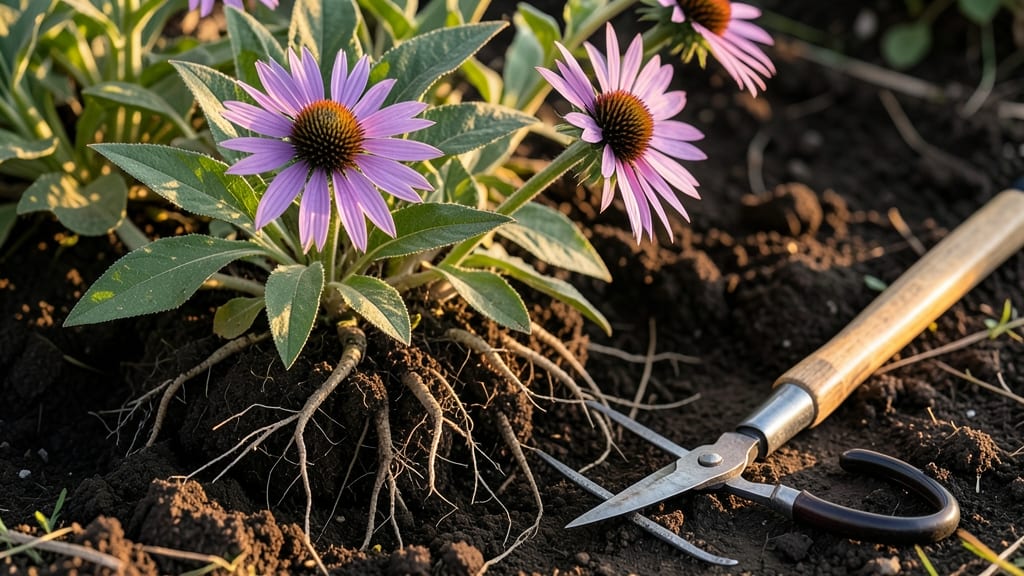
Dividing purple coneflower isn’t just about making more plants—it’s the secret to keeping them blooming like crazy for years. 🌿 I’ve learned the hard way that skipping this every 3-4 years means smaller, weaker stems and fewer flowers, no matter how much you love them.
The best time to tackle it is in early spring or fall, when the plant’s energy is focused on roots, not blooms.
You’ll need a sharp spade, gloves, and a wheelbarrow for cleanup. The process itself takes about 30 minutes for a mature clump, and the payoff is immediate: thicker stems, bigger blooms, and plants that look like they just left the nursery.
I’ve divided mine every spring since 2018, and the difference in vigor is night and day—even the second-year divisions outperform the originals.
After cutting, you’ll have 3-5 healthy divisions per plant, each with its own root system ready to thrive. Plant them in well-draining soil with morning sun, water them deeply for the first week, and watch as they bounce back with bold, velvety blooms by midsummer.
The key is keeping the centers open so air circulates—no more crowded, floppy stems.
Pro tip: Mark your divisions with popsicle sticks if you’re unsure which is which—trust me, you’ll thank yourself next spring when you’re admiring those purple-pink blooms instead of confused clumps. Works just as well for white or green coneflowers, too. Let’s get those clumps separated!
📚 In This Guide
- What you need
- Instructions
- Tips and common mistakes
- Wrapping up and next steps
What you need
- ● Mature purple coneflower plants (3–5 years old, with thickened roots and multiple stems)
- ● Sharp garden fork or digging spade (to minimize root damage)
- ● Pruning shears or clean, sharp knife (sterilized with rubbing alcohol)
- ● Garden hose with nozzle or watering can (for thorough hydration)
- ● Compost or well-aged manure (1–2 gallons per divided plant, for nutrient boost)
- ● Mulch (straw, pine needles, or shredded leaves) (2–3 inches deep, to retain moisture)
- ● Garden gloves (to protect hands from thorns and soil)
- ● Markers or plant tags (to label divided sections if replanting in different areas)
- ● Rooting hormone (to encourage faster establishment if transplanting)
- ● Transplanting tray or containers (for temporary holding of divided sections)
- ● Fungicide (copper-based or neem oil) (to prevent disease in cuts or roots)
- ● Soil moisture meter (to check hydration levels post-division)
- ● Wheelbarrow or large bucket (for easy transport of soil and plants)
Step-by-Step guide for dividing purple coneflower
Here’s how to refresh your coneflower clumps for bigger blooms and healthier growth.
🌱 Step 1: Choose the Right Time for Division
Spring or early fall is ideal—when the plant is actively growing but not flowering. Avoid dividing in summer heat or winter dormancy. Look for clumps with multiple stems radiating from a central crown. The larger the clump, the more divisions you’ll get, but even a modest 3-foot spread will yield 3-4 strong divisions.
Dig around the perimeter of the clump with a sharp spade, keeping it at least 6 inches away from the crown. This prevents damaging the roots you’ll need for new plants. If your coneflowers are in a crowded border, you’ll notice them flowering less vigorously—this is your cue to divide.
✂️ Step 2: Lift and Separate the Clump
Use a garden fork to gently lift the entire root ball from the soil. Shake off excess dirt to expose the roots, then separate the clump into sections with clean hands or a sharp knife. Each division should have 3-5 stems and a portion of the root system. Discard any small, weak sections—they won’t establish well.
Here’s the trick: focus on dividing at the natural junctions where roots radiate outward. If a section has only a few stems or sparse roots, it won’t survive. You’ll know you’ve got a good division when the roots look plump and the stems are sturdy. Trim any damaged roots with sterilized pruners to prevent disease.
🪴 Step 3: Prepare New Planting Sites
Choose a location with full sun and well-draining soil. Purple coneflowers hate soggy roots, so amend heavy soil with 2-3 inches of compost mixed into the top 6 inches of soil. Dig holes slightly larger than the root ball of each division—this gives roots room to spread without crowding.
Water the holes deeply before planting. The soil should be moist but not waterlogged. If your divisions are large, you can plant them 12-18 inches apart to create a bold display. Smaller divisions can be spaced 6-8 inches apart for a denser look. Avoid planting divisions deeper than they grew originally—the crown should sit just below soil level.
☀️ Step 4: Plant and Establish New Divisions
Place each division into its hole, spreading the roots gently outward. Fill in with soil, pressing lightly to eliminate air pockets. Water immediately after planting to settle the soil and encourage root contact. Mulch around the base with 1-2 inches of organic mulch to retain moisture and suppress weeds.
Keep newly divided coneflowers consistently moist for the first 4-6 weeks—this is critical for root establishment. You’ll see new growth within 2-3 weeks, signaling that the plant is recovering. Avoid fertilizing during this period; the stress of division means the plant needs time to adjust before pushing new foliage.
💧 Step 5: Maintain for Long-Term Health
Once established, purple coneflowers are drought-tolerant, but they’ll reward you with more blooms if you water deeply once a week during dry spells. Deadhead spent blooms in late summer to encourage a second flush of flowers. In early spring, trim back any dead foliage to make room for new growth.
Divided coneflowers may take 1-2 years to reach their full flowering potential, but the wait is worth it. They’ll spread naturally over time, so plan to divide them again in 3-4 years to keep the clumps vigorous. The key is patience—these perennials thrive when given space and proper care.
Tips & tricks for perfect purple coneflower division
These precision-focused tips will help you maximize your purple coneflower's potential while avoiding common pitfalls that can set back your garden's health.
Timing Secret: I can't stress enough how critical the spring or early fall window is for dividing. In summer heat, the plants are already stressed from flowering, and winter dormancy means they won't have time to establish roots before cold sets in. Look for those 3-4 stems radiating outward—that's your visual cue that the clump is ready. Between us, I've made the mistake of dividing in late summer when the stems were already laden with blooms, and those divisions took twice as long to recover.
Root System Inspection: When you're separating those divisions in Step 2, don't just grab and pull. Look for plump, white roots that feel firm when you squeeze them gently—these are your keepers. Those thin, stringy roots won't support new growth. I learned this the hard way after discarding what I thought were "small" sections, only to realize they actually had viable roots hidden beneath the soil. Sterilize your pruners between cuts to prevent spreading any potential soil-borne diseases that could compromise your new plants.
Soil Preparation Strategy: The 2-3 inches of compost mixed into the top 6 inches of soil isn't just about nutrients—it's about creating the perfect drainage these plants crave. Purple coneflowers despise soggy roots, so if your native soil is heavy clay, consider adding perlite or coarse sand to that compost mix. I've seen divisions fail spectacularly in poorly draining soil, even when all other conditions were perfect. The key is to mimic the well-draining conditions they'd find in their native prairie habitats.
Post-Planting Recovery: That 4-6 week moist period is non-negotiable. I know it's tempting to let nature take its course, but newly divided coneflowers need consistent moisture to establish their root systems. Here's my trick: after planting, I install a drip irrigation system set to deliver ¼ inch of water per week—just enough to keep the soil consistently moist without waterlogging. This gives you hands-free moisture control while you monitor for those first signs of new growth within 2-3 weeks.
Pro Tips for Dividing Purple Coneflower
- These precision-focused tips will help you maximize your purple coneflower's potential while avoiding common pitfalls that can set back your garden's health.
- Timing Secret: I can't stress enough how critical the spring or early fall window is for dividing.
- Root System Inspection: When you're separating those divisions in Step 2, don't just grab and pull.
Frequently asked questions
Got questions about dividing your purple coneflower? You’re not alone—this hardy perennial can be tricky to handle without the right know-how. Below, we tackle the most common concerns to help you master the process like a pro!
When is the best time to divide purple coneflower?
The ideal window is early spring (just as new growth emerges) or early fall (before the first frost). Avoid dividing in summer—your plants will struggle to recover before winter. If you must divide in late summer, water deeply afterward to reduce stress.
How do I know if my purple coneflower needs dividing?
Watch for these signs: fewer blooms, crowded centers (where stems grow tightly together), or yellowing leaves in spring. If your plant is over 3–4 years old, it’s likely time—even if it still looks healthy! Dividing rejuvenates growth and boosts flower production.
Can I divide purple coneflower in pots or containers?
Yes! If your plant is in a container, gently remove it, loosen the root ball, and separate clumps with a clean knife. Replant divisions in pots with well-draining soil and 1/3 compost. Just ensure pots have drainage holes—root rot is a risk in soggy soil.
What should I do after dividing my purple coneflower?
After dividing, water thoroughly and mulch with 2–3 inches of organic matter (like shredded bark) to retain moisture. Avoid fertilizing for 4–6 weeks—let roots establish first. Deadhead spent blooms to encourage new growth, and keep soil consistently moist (but not waterlogged) for the first month.
Can I divide purple coneflower in winter?
Not recommended! Purple coneflower is dormant in winter, and dividing during this time can shock the plant. If you must act in cold months, wait until late winter (just before new shoots appear) and work in mild weather. Otherwise, stick to spring or fall for best results.
Wrapping up and next steps
Dividing purple coneflower is your ticket to a vibrant, long-lasting garden—packed with bold blooms and minimal effort! By mastering the timing, tools, and techniques outlined here, you’ll not only rejuvenate your plants but also share their beauty with fellow gardeners. 🌸
Ready to take the next step? Grab your gloves, mark your calendar, and schedule your division for early spring or fall—your future garden will thank you! For extra inspiration, explore companion plants that thrive alongside purple coneflower to create a stunning pollinator haven.