
Flowers
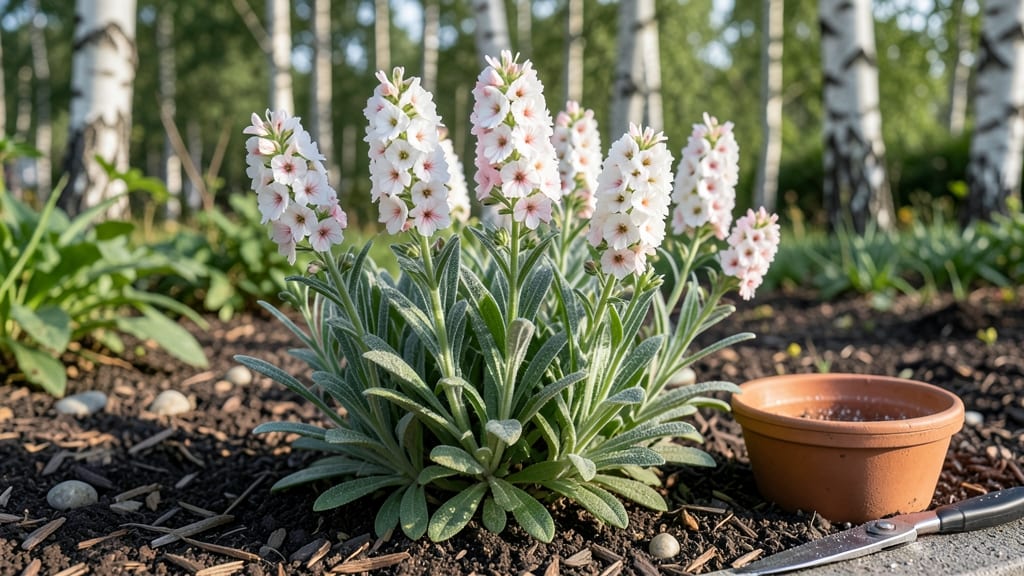
White sweet william flowers bring that old-fashioned charm to gardens with their delicate clusters and sweet fragrance—perfect for Pacific Northwest gardens where cool, damp summers and mild winters create ideal conditions. 🌿 The key to getting those lacy blooms year after year lies in mimicking their natural habitat: well-draining soil, full sun, and consistent moisture without soggy roots.
I’ve grown mine in raised beds and containers, and they’ve thrived even in partial shade, proving they’re far more adaptable than most flowers.
You’ll need just a few basics to get started: well-amended soil (mix in compost or aged manure), a sunny spot (at least 4-6 hours of sunlight daily), and dwarf varieties if you’re growing in containers.
Sweet william seeds germinate best in late winter or early spring, but you can also plant young plants in late summer for fall blooms. The secret to their longevity? Deadheading spent blooms regularly to encourage nonstop flowering from spring through frost.
Once established, white sweet william is one of the most low-maintenance perennials you’ll grow—just watch for powdery mildew in humid summers (space plants for airflow) and leggy stems if they’re too crowded.
A light feeding with balanced fertilizer in early spring keeps them robust, and a light pruning after the first flush of blooms tidies them up for a second round. By late fall, they’ll retreat into a rosette of leaves, ready to burst back into bloom next spring.
This flower is a game-changer for cutting gardens, borders, and even window boxes—its clusters last days in vases and pair beautifully with roses, snapdragons, or salvia.
Whether you’re filling gaps in your perennial beds or adding height to containers, white sweet william delivers effortless elegance with minimal fuss. Ready to grow yours?
📚 In This Guide
- What you need
- Instructions
- Tips and common mistakes
- Wrapping up and next steps
What you need
- ● White Sweet William Seeds: 50–100 seeds (organic, non-GMO preferred for best results).
- ● Well-draining potting mix: 2–3 gallons (use a blend with perlite or sand for PNW’s moisture-rich soil).
- ● Growing containers or garden beds: Containers: 6–8" deep pots (with drainage holes) for 3–5 seeds each.
- ● Garden beds: Full sun (6+ hours/day) or partial shade (morning sun, afternoon shade).
- ● Slow-release fertilizer: 1 tbsp (5–10-5 NPK ratio) per container or 1 lb per 10 sq ft of bed.
- ● Mulch: 1–2 inches of straw or shredded bark to retain moisture and suppress weeds.
- ● Hand trowel or small shovel for planting.
- ● Spray bottle or watering can with a fine mist nozzle (for seedling care).
- ● Pruning shears (for deadheading and shaping plants).
- ● Garden gloves (to protect hands from thorns and soil).
- ○ pH test kit (optional but helpful—sweet williams thrive in 6.0–7.0 pH).
- ○ Cold frame or greenhouse (optional, for extending the growing season in cooler PNW months).
- ● 🌡️ Climate note: Sweet williams are biennials—plant seeds in early spring (March–April) or late summer (August) for fall/winter blooms.
- ● ✨ Soil prep: Amend heavy clay soil with compost to improve drainage (common in PNW).
- ● 🔥 Watering: Keep soil consistently moist (not soggy) during germination (1–2 weeks).
Step-by-step guide to cultivating Pacific Northwest-resilient white Sweet Williams
Here's how to coax these delicate blooms to thrive in your region's mild, moist climate.
🌱 Step 1: Select the Right Site and Prepare Soil
White Sweet Williams flourish in partial shade to full sun—perfect for Pacific Northwest gardens where afternoon shade protects them from intense summer light. Choose a spot with morning sun exposure and dappled afternoon shade, especially in hotter inland areas like Portland or Eugene. The soil should drain well but retain moisture, so amend heavy clay with 2-3 inches of compost before planting.
I always test the soil pH first—Sweet Williams prefer 6.0 to 7.0. If your soil runs acidic, mix in 1 pound of garden lime per 100 square feet and work it into the top 12 inches of soil. The goal is loose, fertile ground where roots can spread without struggling. Don't skip this step—compacted soil will stunt growth and reduce bloom quality.
☀️ Step 2: Plant at the Right Time and Depth
In the Pacific Northwest, plant bare-root Sweet Williams in early spring (March to April) or potted plants in late summer (August to September). This timing avoids frost damage in early spring and gives roots time to establish before winter. Dig holes twice as wide as the root ball but only as deep as the roots themselves—planting too deep suffocates the crown and leads to rot.
Space plants 12-18 inches apart in rows 18-24 inches apart to allow airflow and prevent fungal diseases like powdery mildew. Here's the thing—Sweet Williams multiply quickly. If you want a dense border, plant them 12 inches apart, but expect to thin seedlings next spring. Water deeply after planting to settle the soil around roots, but avoid soggy conditions.
💧 Step 3: Water and Fertilize for Continuous Blooms
Keep the soil evenly moist but never waterlogged—Sweet Williams wilt quickly in drought but rot just as fast in soggy soil. In the Pacific Northwest's rainy climate, you'll mostly need to water during dry summer spells or in well-drained raised beds. Aim for 1 inch of water per week, delivered at the base of the plant rather than overhead. Mulch with 2-3 inches of straw or wood chips to retain moisture and suppress weeds.
Feed plants with a balanced 10-10-10 fertilizer every 4-6 weeks during the growing season. For bigger blooms, switch to a low-nitrogen, high-phosphorus formula (5-10-10) when buds form. I always fertilize after rain—this prevents root burn from concentrated salts. Stop fertilizing in late summer to encourage hardiness before winter.
✂️ Step 4: Deadhead and Prune for Year-Round Growth
Deadhead spent blooms every 2-3 weeks to encourage continuous flowering. Simply pinch off faded flowers with your fingers or snip them with clean pruners just above the next set of leaves. This prevents seed formation and redirects energy into new growth. Real talk: if you skip this, your Sweet Williams will go to seed and stop blooming by midsummer.
After the first flush of blooms, cut back one-third of the plant's height to promote bushier growth. In late fall, trim back half the plant to prepare for winter. Sweet Williams are hardy to Zone 3, but a light pruning in early spring removes dead growth and stimulates fresh shoots. Never prune into old wood—always cut back to live growth or you'll sacrifice next year's blooms.
⏰ Step 5: Protect and Prepare for Winter
The Pacific Northwest's mild winters rarely damage Sweet Williams, but heavy rain and wind can cause stem breakage. If your garden gets high winds, stake plants with 3-foot bamboo stakes or use flexible plant ties to support them. In exposed areas, add a light mulch layer (2-3 inches) of straw to insulate roots and prevent heaving.
Sweet Williams are perennial in Zones 3-9, but they may need a little help in colder microclimates. If your winter dips below 10°F, mound 4-6 inches of mulch around the base of the plant. In spring, remove old mulch and fertilize lightly to jumpstart growth. With proper winter care, your Sweet Williams will return year after year with even more vigor.
Tips & tricks for Pacific Northwest-friendly sweet william blooms
Common pitfalls—and how to sidestep every one—when growing these delicate perennials in our famously unpredictable climate.
Soil pH Precision: That 6.0 to 7.0 range isn't just a suggestion—it's critical. I learned this the hard way after planting in slightly alkaline soil that left my Sweet Williams struggling. Test your soil with a simple kit, and if it's off, adjust gradually. For every 100 square feet, mix in 1 pound of garden lime for acidic soil or 2 tablespoons of sulfur for alkaline soil. Work it into the top 12 inches thoroughly—this isn't a surface fix. The goal is to create the ideal environment where roots can access nutrients without stress.
Planting Depth Secret: Digging holes twice as wide as the root ball but only as deep as the roots themselves prevents crown rot, which is a silent killer. I've seen gardeners plant too deep out of habit, and within weeks, the stems turn mushy at the base. After placing the plant, backfill with soil until the crown sits just above ground level. Gently tamp down to eliminate air pockets, then water deeply to settle everything. This one small adjustment makes all the difference in establishing strong, healthy plants.
Deadheading Discipline: Those 2-3 weeks between deadheadings might seem like a long time, but consistency is key. I used to skip this step when blooms were sparse, and my plants would quickly go to seed, halting further flowering. The trick is to make it a habit—set a reminder on your phone or tie it to another garden chore. When you pinch off spent blooms just above the next set of leaves, you're essentially telling the plant, "Keep producing flowers, not seeds!" This simple act can extend your bloom season by months in our mild Pacific Northwest climate.
Winter Wind Protection: If your garden gets high winds, don't wait until winter to stake your Sweet Williams. Install 3-foot bamboo stakes or flexible plant ties in late summer when you're doing your fall pruning. The stakes should be placed at a 45-degree angle and tied loosely enough to allow some movement. This prevents stem breakage during winter storms while still letting the plants sway naturally. In exposed areas, add that 2-3 inch mulch layer of straw before the first frost—it's like putting a cozy blanket around your plants' roots.
Pro Tips for White Sweet William Flower
- Common pitfalls—and how to sidestep every one—when growing these delicate perennials in our famously unpredictable climate.
- Soil pH Precision: That 6.0 to 7.0 range isn't just a suggestion—it's critical.
- Planting Depth Secret: Digging holes twice as wide as the root ball but only as deep as the roots themselves prevents crown rot, which is a silent killer.
Frequently asked questions
Got questions about growing white sweet william flowers in the Pacific Northwest? You’re not alone! Here are some of the most common queries—and their answers—to help you cultivate these charming blooms like a pro.
When is the best time to plant white sweet william in the PNW?
For spring blooms, plant seeds indoors in late winter (February–March) and transplant outdoors after the last frost (typically April–May). If you want year-round color, stagger plantings every 4–6 weeks for continuous flowering. In milder PNW zones (like Western Washington), you can even plant outdoors in early fall for winter blooms!
How do I keep white sweet william blooming all year in the PNW’s wet climate?
The PNW’s damp weather can encourage fungal issues, but don’t worry—these flowers are tough! Ensure well-draining soil (mix in perlite or sand) and avoid overhead watering. Deadhead spent blooms regularly to encourage reblooming, and mulch with straw to protect roots. If humidity is extreme, space plants 12–18 inches apart for airflow.
Can I grow white sweet william from cuttings instead of seeds?
Yes! Take 4–6 inch cuttings from healthy stems in early summer, remove lower leaves, and dip in rooting hormone. Plant in moist potting mix and keep under bright, indirect light until roots form (4–6 weeks). This method is great for cloning favorite varieties or propagating quickly. Just avoid taking cuttings from overly woody stems—they root slower!
Why aren’t my white sweet william flowers opening?
Several factors could be at play: lack of sunlight (they need 6+ hours of direct light daily), overcrowding, or nutrient deficiencies. Check soil moisture—too much water can stress roots. If buds form but don’t open, try moving plants to a sunnier spot or fertilizing lightly with a balanced bloom booster. Cold snaps can also delay blooming in early spring.
What are some low-maintenance alternatives to white sweet william for PNW gardens?
If you love the look but want less fuss, try these PNW-friendly perennials:
- Sweet Alyssum – Fragrant, drought-tolerant, and blooms all summer.
- Statice (Limonium) – Thrives in coastal climates and loves full sun.
- Nasturtiums – Edible, fast-growing, and self-seeds easily.
- Pacific Coast Iris – Native, hardy, and adds bold vertical interest.
Wrapping up and next steps
Growing white sweet william in the Pacific Northwest is a rewarding way to add year-round charm to your garden—whether you’re a seasoned gardener or just starting out! 🌸 With the right soil, sunlight, and care, these fragrant blooms will thrive and bring joy with their delicate beauty.
Now that you’re equipped with the knowledge, roll up your sleeves and get planting—your garden (and future bouquets!) will thank you.
Ready to take the next step? Start small with a few plants or dive in with a full garden bed. Share your progress with fellow PNW gardeners or tag us in your blooming photos—we’d love to see your sweet william success! 📸