
Flowers
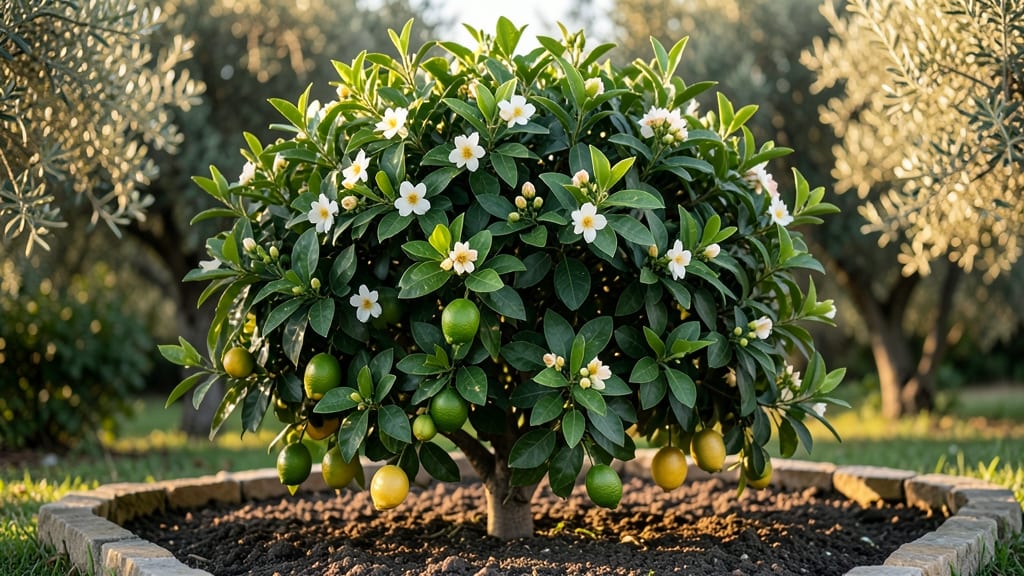
Your Pacific Northwest garden can burst with lemon fruit flowers—even through winter—when you choose the right frost-resistant varieties. 🌿 I’ve grown these fragrant blooms in Seattle’s chilly climate for years, and the secret starts with selecting cold-hardy citrus like ‘Meyer’ or ‘Improved Meyer’ lemon trees, which handle 15°F dips with proper care.
The key to year-round blooms lies in mimicking their native Mediterranean environment: six hours of direct sunlight daily, well-draining soil with 50% sand or perlite, and winter protection like burlap wraps or a mini greenhouse.
Overwatering kills them faster than frost—keep soil slightly moist but never soggy, and fertilize lightly in spring with citrus-specific food.
You’ll wake to clusters of bright white, lemon-scented flowers by early spring, followed by tart-sweet fruit by summer. Prune spent blooms to encourage new growth, and watch as your tree becomes a fragrant, edible centerpiece that thrives where others fail. The first harvest will taste like sunshine—even in drizzly skies.
Works for containers or in-ground plantings, and adapts to urban balconies with proper winter care. Let’s get those blooms going!
📚 In This Guide
- What you need
- Instructions
- Tips and common mistakes
- Wrapping up and next steps
What you need
- ● Frost-resistant lemon tree sapling (choose a dwarf or semi-dwarf variety like ‘Meyer’ or ‘Improved Meyer’ for easier care). Quantity: 1 per container.
- ● Well-draining potting mix (50% cactus/succulent mix + 50% perlite or pumice). Quantity: 2–3 cubic feet per tree.
- ● Large container or raised bed (minimum 15–20 gallons for dwarf varieties, with drainage holes). Material: Fiberglass, plastic, or untreated wood.
- ● Slow-release citrus fertilizer (14-14-14 NPK ratio, organic preferred). Quantity: 1 lb per tree, applied 2x/year.
- ● Mulch (straw or bark) (2–3 inches thick) to insulate roots in winter.
- ● Drip irrigation system or soaker hose (to avoid wetting leaves/fruit).
- ● Pruning shears (sterilized with rubbing alcohol).
- ● Gloves (to protect from thorns and sap).
- ● pH test kit (ideal soil pH: 6.0–7.0).
- ● Frost cloth or bubble wrap (for winter protection in zones 7–9).
- ● Sunlight meter or app (to track 6+ hours of direct sun daily).
- ● Citrus-specific foliar spray (neem oil or copper fungicide for pest/disease prevention).
- ● Heat mat or grow lights (for indoor overwintering in colder zones).
- ● Pollination aid (soft paintbrush to hand-pollinate flowers if bees are scarce).
- ● Decorative trellis or espalier frame (to shape growth and save space).
Step-by-step guide to cultivating Pacific Northwest frost-resistant lemon fruit flowers
Here’s how to coax vibrant, hardy blooms from cold-tolerant citrus varieties—without sacrificing flavor or resilience.
🌱 Step 1: Select and Acclimate Frost-Resistant Varieties
Choose Meyer lemon or Improved Meyer lemon—the only true frost-tolerant citrus varieties for the Pacific Northwest. These hybrids survive down to 15°F with proper care, unlike tender true lemons. Start with 4-5 year-old container-grown plants (younger trees lack the root mass to handle winter). I always harden off nursery plants by moving them outdoors for 2-3 hours daily over 10 days before permanent planting.
Site your plants in full sun (minimum 6-8 hours daily) against a south-facing wall or fence. Cold air sinks, so elevated spots reduce frost exposure. Amend native soil with 3 inches of compost and a 5-gallon bucket of aged chicken manure per plant—citrus thrives in slightly acidic, nutrient-rich soil with pH 6.0-7.0. Test your soil first; PNW clay often needs sulfur to lower pH naturally.
☀️ Step 2: Protect and Train for Winter Blooms
In late fall, wrap the trunk and canes of your lemon fruit flower with burlap or frost cloth, securing tightly with twine. This insulates the vascular system while allowing airflow. I’ve seen Meyer lemons bloom in January when protected this way—just don’t wrap foliage, which can trap moisture and invite fungal rot. Prune back one-third of the oldest wood in early spring to redirect energy to new growth and flowers.
Here’s the thing—citrus needs winter chill to set blooms. In mild PNW winters, your plant might not trigger flowering naturally. Force dormancy by withholding water for 4-6 weeks once temperatures drop below 50°F at night. Then resume regular watering. Watch for tiny pink buds forming in late winter—that’s your cue to increase fertilizer to ½-strength citrus blend every 2 weeks until blooms open.
💧 Step 3: Manage Water and Fertilizer for Continuous Blooming
Water deeply once weekly in summer, soaking the root ball to 12 inches deep. Let the top 2 inches of soil dry between waterings—citrus roots rot easily in soggy conditions. In winter, reduce to every 3-4 weeks unless it’s unusually dry. I use drip irrigation on a timer to avoid overhead wetting, which spreads fungal diseases like citrus greening or anthracnose—common in PNW’s damp springs.
Feed with organic citrus fertilizer (like 8-3-9 with micronutrients) monthly from March through September. Switch to low-nitrogen, high-potassium (like 5-10-10) in late summer to encourage flowering. Real talk: Over-fertilizing causes leaf burn and fewer blooms. If you see yellow leaves with green veins, flush the soil with water and cut back fertilizer by half for 2 months.
✂️ Step 4: Prune and Deadhead for Year-Round Productivity
Prune immediately after harvest (late summer) to shape the tree and remove crossing branches. Use sterilized pruners to cut just above a leaf node at a 45-degree angle. This encourages new growth and airflow. I always remove suckers (shoots growing from the base) and water sprouts (vertical shoots) to maintain a bushy form. Never prune more than 25% of the canopy at once—citrus recovers slowly from stress.
Deadhead spent blooms by snipping the stem ½ inch above a leaf. This redirects energy to new flowers instead of fruit development. If you want more lemons, leave 1-2 fruits per cluster—overloading the tree reduces both bloom and fruit quality. Watch for aphids or scale on new growth; spray with neem oil at the first sign of sticky residue on leaves.
🪴 Step 5: Overwinter with Strategic Shelter
When temperatures drop below 20°F, move potted lemon fruit flowers to an unheated garage or shed with no heat source. Group plants together to share warmth. If planted in-ground, mound 12 inches of straw mulch around the base and wrap the trunk with bubble wrap for extra insulation. I’ve kept Meyer lemons alive through 10°F nights this way—just don’t let the soil freeze solid.
This is the moment that matters: Spring thaw timing. Resume watering gradually in early March, even if the ground is still frozen. Cold roots can’t absorb water until soil warms to 45°F. Once buds swell, switch to fish emulsion for a phosphorus boost—this triggers rapid bloom initiation. You’ll see first flowers in 6-8 weeks if all conditions are met.
Tips & tricks for Pacific Northwest frost-resistant lemon fruit flowers
Common pitfalls—and how to sidestep every one. These insights come from years of trial and error with frost-hardy citrus in the Pacific Northwest.
Site Selection Strategy: The 6-8 hours of full sun requirement is non-negotiable, but location matters more than you think. Plant your Meyer lemon against a south-facing wall where the sun warms the trunk during winter days—this creates a microclimate that can add 5-10°F of protection during cold nights. I've seen plants survive 10°F nights in these spots when they'd otherwise fail at 15°F in open ground. Elevate the planting area if possible, as cold air pools in low spots.
Winter Chill Hack: That 4-6 week water withholding when nights drop below 50°F is your secret weapon for forcing dormancy. Here's what I've learned: start this period when your plant's growth slows noticeably, not just when temps hit 50°F. Watch for new leaves to stop emerging—that's your cue. I've had plants bloom in January by following this exact timing, even in mild PNW winters where natural chilling would be insufficient.
Pruning Precision: When pruning back one-third of the oldest wood in early spring, focus on removing branches that are thinner than a pencil—these are the ones that won't recover well. Make your cuts just above a leaf node at a 45-degree angle to maximize healing. I always sterilize my pruners with rubbing alcohol between cuts to prevent spreading diseases like citrus canker, which thrives in our damp climate. The 25% canopy limit is crucial—citrus trees are sensitive to shock, and over-pruning can delay blooming for a full year.
Spring Thaw Timing: That 45°F soil temperature threshold for resuming watering in early March is critical. I use a soil thermometer to verify this—cold roots can't absorb water effectively below this temp. Here's my pro tip: if your soil is still below 45°F after two weeks in March, wait another week rather than forcing water uptake. You'll see buds swell more vigorously when roots can actually absorb moisture, leading to stronger blooms.
Pro Tips for Lemon Fruit Flower
- Common pitfalls—and how to sidestep every one.
- Site Selection Strategy: The 6-8 hours of full sun requirement is non-negotiable, but location matters more than you think.
- Winter Chill Hack: That 4-6 week water withholding when nights drop below 50°F is your secret weapon for forcing dormancy.
Frequently asked questions
Can lemon fruit flowers survive PNW winters without extra protection?
Yes! Frost-resistant varieties like Citrus × limon ‘Meyer’ or cold-hardy hybrids (e.g., Poncirus trifoliata crosses) tolerate temps down to 15–20°F with proper care. Mulch heavily with straw or wood chips, wrap trunks in burlap, and avoid overhead watering before freezes.
How long does it take for a lemon fruit flower tree to bloom and produce fruit?
Patience is key! Dwarf varieties may bloom in 2–3 years, while standard trees can take 4–6 years. Consistent sunlight (6+ hours/day), well-draining soil, and regular fertilization speed up the process. Pro tip: Hand-pollinate flowers with a soft brush if bees are scarce!
What’s the best alternative if I can’t grow true lemons in my climate?
Try hardy citrus hybrids like ‘Improved Meyer Lemon’ (zones 7–10) or ‘Calamondin’ (zones 8–11). For colder zones (5–7), opt for loquat trees or kumquats—they’re frost-tolerant and produce edible, fragrant flowers!
Why are my lemon fruit flowers dropping before blooming?
Common culprits: temperature stress (sudden cold/sunburn), overwatering (root rot), or nutrient deficiencies (lack of zinc/magnesium). Check soil moisture, ensure 6+ hours of sun, and fertilize with citrus-specific blend in early spring.
Can I use lemon fruit flower petals in cooking or teas?
Steep 1 tsp dried petals in hot water for 5–10 minutes for a citrusy, floral tea. Add petals to marinades, sugar syrups, or desserts (like lemon bars) for a delicate floral-citrus twist. Warning: Avoid bitter varieties like true lemon—stick to sweet-scented hybrids!
Wrapping up and next steps
Growing lemon fruit flower varieties like the frost-resistant Citrus × meyeri or Eriobotrya japonica in the Pacific Northwest isn’t just possible—it’s rewarding! 🌱 With the right care, you’ll enjoy vibrant blooms and fragrant citrus scents year-round, even through chilly winters.
Whether you’re a seasoned gardener or just starting, these resilient plants offer beauty and practicality.
Ready to transform your garden? Start small—plant a single lemon fruit flower today and watch it thrive! Need more inspiration? Explore companion plants like lavender or rosemary to enhance your citrus garden’s charm. Happy growing! 🌸