
Flowers
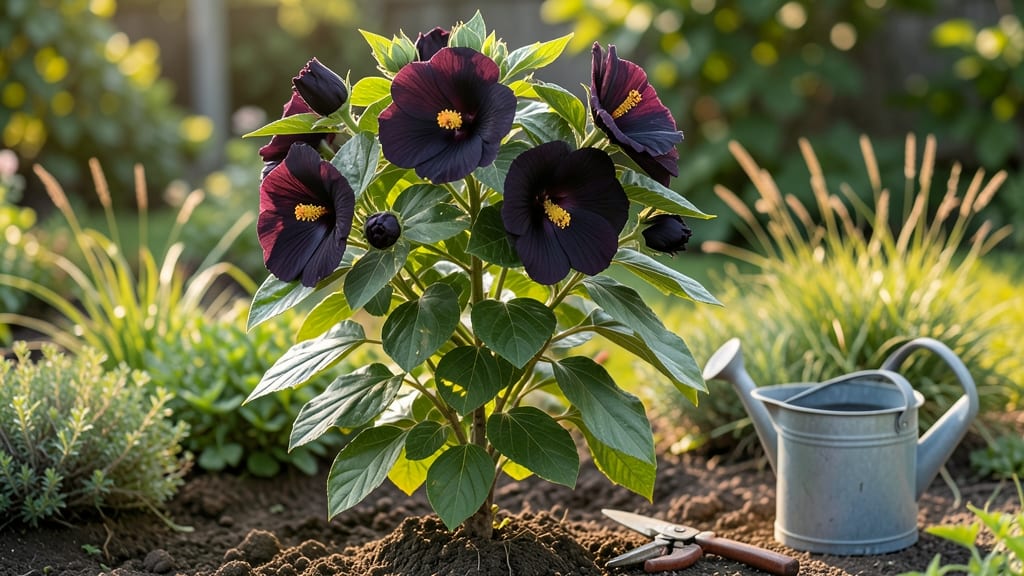
Growing Victoria lace flowers (Tulbaghia violacea) in the Pacific Northwest means year-round blooms even through frost—something I never thought possible until I tried it. The secret isn’t just the plant itself but how you prune and protect it when temperatures drop.
These flowers thrive where others falter, with their delicate purple lace-like blooms adding charm to gardens from spring through winter.
They love full sun to partial shade and well-draining soil—think sandy loam or a mix with compost. Water when the top inch of soil feels dry, but avoid soggy roots. In containers, a 5-gallon pot with drainage holes works perfectly, and they’re happy indoors near bright windows too.
The real magic happens when you time your pruning right to keep them flowering continuously.
Start with bulbs in early spring or seeds indoors 8-10 weeks before your last frost. Once established, they’re tough as nails—drought-tolerant and resistant to most pests. The key to frost resistance?
A light mulch in winter and strategic pruning to protect new growth. You’ll end up with a garden that stays vibrant when others are dormant.
Whether you’re planting in the ground or containers, this guide covers everything from spacing to overwintering. No more bare winter gardens—just lush, blooming Victoria lace flowers all year. Let’s get started!
📚 In This Guide
- What you need
- Instructions
- Tips and common mistakes
- Wrapping up and next steps
What you need
- ● Victoria lace flower seeds or young plants: 3–5 (for a small garden) or 10+ (for a lush border). Choose heirloom or organic seeds if possible.
- ● Well-draining soil: Mix 1 part garden soil + 1 part compost + 1 part perlite/sand (for Pacific Northwest’s heavy clay soil).
- ● Sunlight access: Full sun (6+ hours/day) or partial shade (4–6 hours) in hotter summers.
- ● Watering can or hose with a gentle nozzle: For deep but controlled watering (avoid soggy roots!).
- ○ Mulch (optional but recommended): 2–3 inches of straw, wood chips, or pine needles to retain moisture and insulate roots.
- ● Pruning shears: Bypass pruners (sharp, clean, and sterilized with rubbing alcohol).
- ● Frost cloth or row covers: Lightweight (30–50% shade) for young plants during first/last frosts (Zone 7–9).
- ● Garden gloves: Protect your hands from thorns (these plants have tiny but sharp ones!).
- ● pH test kit: Ideal soil pH: 6.0–7.0 (amend with lime or sulfur if needed).
- ● Slow-release fertilizer: Balanced 10-10-10 or compost tea (apply spring/fall).
- ● Stakes or trellis: For tall varieties (up to 3–4 feet), use bamboo stakes or a lightweight lattice.
- ● Drip irrigation system: Automates watering (great for PNW’s unpredictable rain!).
- ● Plant markers: Label seeds/plants to track varieties (e.g., ‘Alba’ for white blooms).
Step-by-step pruning calendar for Pacific Northwest Victoria lace flower
Here's how to keep your frost-hardy Victoria lace flowers blooming reliably through every PNW season.
🌿 Step 1: Early Spring Pruning (March-April)
Once your Victoria lace flower emerges from dormancy—when you see fresh green growth pushing through the soil—it's time for the first prune. This is the moment that matters: you're shaping the plant's energy for the entire growing season. Use clean, sharp pruners to remove any dead or damaged stems down to the base, cutting at a 45-degree angle just above a healthy bud.
Look for stems that are brown, mushy, or completely devoid of buds. These won't recover and will only drain energy from your plant. I like to make this my first garden task of spring because it gives the plant a clean start before new growth begins. After pruning, give the base a light application of compost to replenish nutrients lost over winter.
☀️ Step 2: Summer Maintenance (June-August)
During the peak growing season, focus on deadheading spent blooms to encourage continuous flowering. Pinch off faded flowers just above the next set of leaves or buds—this redirects the plant's energy from seed production back into new growth. I do this every 10-14 days throughout summer, always working on dry days when the plants aren't stressed.
Watch for any leggy growth that's stretching too far from the center. These stems need to be cut back by about one-third to maintain a compact, bushy shape. The PNW's cooler summers mean your Victoria lace flower won't get as leggy as in warmer climates, but you'll still see some stretching toward any available light source. Always prune in the morning so any cuts have time to heal before evening moisture sets in.
✂️ Step 3: Fall Preparation (October-November)
As temperatures drop below 50°F consistently, shift your focus to preparing the plant for winter dormancy. Cut back all stems by about half, removing any weak or diseased growth completely. The goal here is to create a low, compact shape that will protect the crown from winter winds and moisture. I find that pruning in late fall—just before the first hard frost—gives the plant time to harden off naturally.
After pruning, add a 2-inch layer of mulch around the base (but not touching the stems) to insulate the roots. This is particularly important in the PNW where winter rains can saturate the soil and lead to rot. The mulch will also suppress weeds that might compete with your lace flower for nutrients during its dormant period. Mark the location with small stakes if you're unsure where the plant is under the mulch.
⏰ Step 4: Winter Check (December-February)
While Victoria lace flowers are frost-resistant, they're not invincible. In our region's mild winters, I do a quick winter check every 6-8 weeks to ensure the mulch is still in place and no new growth is emerging prematurely. If you notice any green shoots pushing through the mulch, gently remove them—they're too tender for winter conditions and will die back.
This is also when I check for any signs of winter damage. Look for stems that have turned black or mushy, which indicates rot from excess moisture. If you find affected areas, remove them immediately and replace the mulch. The PNW's wet winters can be tricky, so I often add extra mulch in particularly rainy years. Remember, your plant is dormant but still alive—treat it with care during these quiet months.
Tips & tricks for perfect Pacific Northwest Victoria lace flower care
These simple but game-changing strategies will help your frost-resistant lace flowers thrive all year in the PNW's unpredictable climate.
Tool Preparation: Before you start pruning, clean your pruners with rubbing alcohol and sharpen them with a honing stone. Dull blades crush stems instead of making clean cuts, which can invite disease. I keep a small bottle of alcohol in my gardening toolkit specifically for this purpose—it takes just 30 seconds and makes all the difference in keeping your plants healthy.
Seasonal Timing Secret: The 10-14 day summer deadheading schedule works perfectly in our cooler climate, but watch for the first signs of frost in late September. If you see buds forming before your scheduled fall pruning, hold off cutting back until after the first hard frost—this ensures you don't accidentally remove next year's blooms. The PNW's microclimates mean your neighbor's plant might be ready weeks before yours!
Mulch Mastery: When adding that 2-inch layer of mulch in fall, use straw or shredded leaves rather than wood chips. Wood chips can compact over time and reduce drainage, which is dangerous in our rainy winters. I spread mine in a loose donut shape around the base, leaving space for new growth to emerge in spring. This simple adjustment prevents rot while still insulating roots.
Winter Damage Watch: During your 6-8 week winter checks, look for more than just blackened stems. Healthy dormant stems should feel firm and slightly woody to the touch. If they feel soft or spongy, that's your sign to remove them immediately—they're already rotting. I keep a small trowel in my winter gardening bag specifically for these winter checks so I can dig down and inspect the crown if needed.
Pro Tips for Victoria Lace Flower
- These simple but game-changing strategies will help your frost-resistant lace flowers thrive all year in the PNW's unpredictable climate.
- Tool Preparation: Before you start pruning, clean your pruners with rubbing alcohol and sharpen them with a honing stone.
- Seasonal Timing Secret: The 10-14 day summer deadheading schedule works perfectly in our cooler climate, but watch for the first signs of frost in late September.
Frequently asked questions
How cold can Victoria lace flowers tolerate?
Victoria lace flowers (Victoria amazonica) are tropical plants and not frost-resistant—they thrive in USDA Zones 10-11. However, if you’re growing them in containers, you can temporarily move them indoors during freezes (below 50°F). For the Pacific Northwest’s cooler climate, opt for hardier alternatives like Victoria columnaris or grow them as annuals in greenhouses.
Can I grow Victoria lace flowers outdoors in Seattle or Portland?
While possible in summer months (June–September), they’ll need protection from frost. Use a cloche, row cover, or move pots indoors when temps drop. Alternatively, grow them in a sunroom or greenhouse year-round. Their large leaves love full sun + humidity—mist them daily if indoors!
How often should I prune Victoria lace flowers?
Prune only after blooming (late summer/fall) to remove dead leaves and encourage new growth. Avoid heavy pruning—these plants are delicate! In the PNW, minimal trimming is best; focus on cleaning up damaged foliage before winter. Never prune in winter—they’re dormant!
Why aren’t my Victoria lace flowers blooming?
Common reasons:
- Insufficient light: They need 6+ hours of direct sun daily (grow lights work indoors).
- Low humidity: Mimic their tropical habitat with a pebble tray or humidifier.
- Over/underwatering: Keep soil consistently moist but not soggy.
- Nutrient deficiency: Feed with a balanced liquid fertilizer (20-20-20) every 4–6 weeks in spring/summer.
What’s a frost-resistant alternative to Victoria lace flowers?
If you want large, dramatic blooms that survive PNW winters, try:
- Hellebores ("Lenten roses") – Bloom in winter, shade-tolerant.
- Rhododendrons – Hardy, lush foliage + spring flowers.
- Trollius (Globeflowers) – Bold yellow blooms, Zone 3–8.
- Japanese Anemones – Late-summer flowers, deer-resistant.
Wrapping up and next steps
Growing Victoria lace flower in the Pacific Northwest is a rewarding journey that brings year-round beauty with minimal fuss—thanks to its frost-resistant charm! 🌸 Whether you're a seasoned gardener or just starting, these tips and timelines ensure your plants thrive, bloom generously, and stand strong against the region’s unique climate.
Now that you’re armed with the right materials, pruning calendar, and answers to common questions, it’s time to roll up your sleeves and get hands-on.
💡 Next step: Start small—plant one Victoria lace flower this season, follow the pruning schedule, and watch your garden transform into a lush, ever-blooming paradise. Happy gardening! 🌿