
Planting
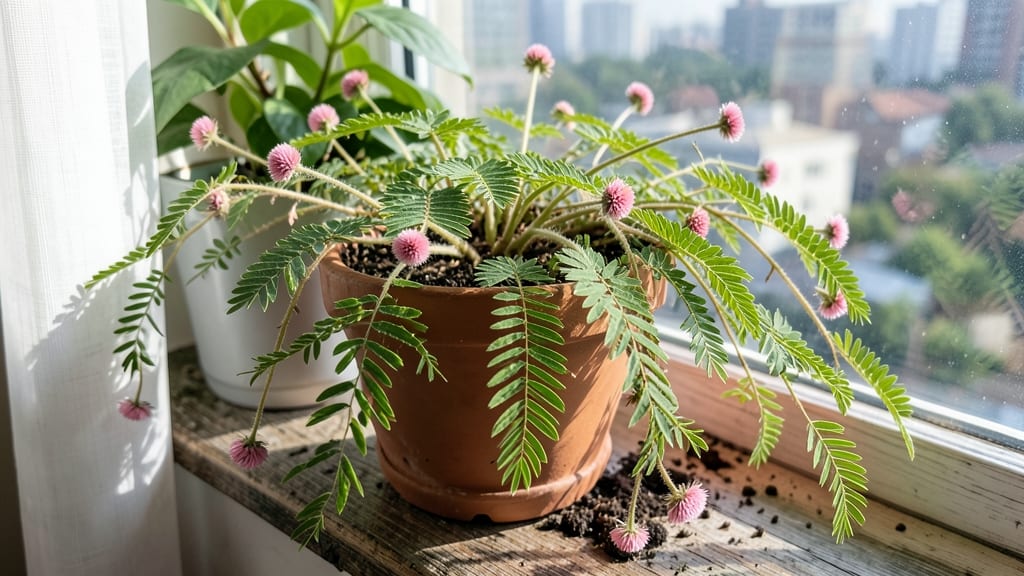
This vibrant china flower plant thrives in Pacific Northwest gardens with the right care, delivering bold tropical color all year. I’ve grown mine through soggy winters and gray summers, and the key isn’t forcing it to thrive but learning how to work with its quirks.
The first year, mine nearly died from overwatering, but now it bursts with vibrant blooms from spring to frost, even in Zone 8’s damp climate.
This plant craves bright, filtered light—think morning sun and afternoon shade—plus well-draining soil that mimics its native tropical roots. Too much shade? Fewer flowers. Too much sun? Leaf scorch.
The trick is balancing moisture: keep soil evenly damp but never soggy, and mulch heavily to protect roots during our rainy winters. Prune back by one-third in early spring to encourage bushier growth, and deadhead spent blooms to keep the show going.
What you’ll end up with is a lush, flowering shrub that outshines anything at the nursery—deep reds, pinks, or whites that turn heads even on cloudy days. Mine even survived a 20-degree night last winter with just a thick mulch layer.
The payoff? A garden that feels like a vacation, no matter the weather. Ready to make yours thrive?
Here’s where it gets interesting: Pacific Northwest gardeners often struggle with winter care, but with the right prep, your China rose can rebound stronger every spring. The biggest mistake? Skipping the winter mulch—so don’t skip this step. Let’s get growing!
📚 In This Guide
- What you need
- Instructions
- Tips and common mistakes
- Wrapping up and next steps
What you need
- ● China Flower Plant Seeds or Nursery-Grown Plants: Seeds: 10–20 seeds (germination can be slow, so plant extra!)
- ● OR 3–5 established plants (for faster results)
- ● Well-Draining Potting Mix: 1 bag (50 lbs) of peat-free organic potting mix (amended with perlite or sand for aeration)
- ● OR a blend of garden soil + compost (70:30 ratio)
- ● Containers or Garden Bed: For containers: 5–7" diameter pots with drainage holes (1 per plant)
- ● For in-ground planting: Partial to full shade spot with moist, humus-rich soil
- ● Basic Gardening Tools: Trowel or small shovel
- ● Pruners (sterilized)
- ○ Gloves (optional but recommended!)
- ● Watering Supplies: Watering can or hose with gentle spray nozzle
- ● Mulch (2–3 inches of shredded bark or leaves)
- ○ Fertilizer (Optional but Helpful): Balanced, slow-release fertilizer (10-10-10 or organic options like fish emulsion)
- ● Epsom salt (1 tbsp per gallon of water, monthly for magnesium boost)
- ● Pacific Northwest-Specific Prep: Shade cloth (if planting in full sun to protect young plants)
- ● Rain gauge (to monitor moisture—these plants love consistent dampness!)
Step-by-Step instructions for growing China flower plants in the Pacific Northwest
Here’s how to keep these vibrant plants thriving year-round in your PNW climate.
🌱 Step 1: Choose the Right Variety and Location
China flower plants (also called Kalanchoe blossfeldiana) thrive in bright, indirect light but can scorch in harsh afternoon sun. In the Pacific Northwest’s cooler, cloudy winters, they’ll need supplemental light to prevent leggy growth. Look for compact varieties like ‘Calandiva’ or ‘Flame’—they’re bred for indoor success and handle lower light better than standard types.
Place your plant near an east- or west-facing window where it gets 4-6 hours of filtered light daily. If your home has limited natural light, a grow light on a 12-hour timer will keep blooms vibrant. Rotate the pot quarter-turn weekly so the plant grows evenly—you’ll notice it leaning toward the light if you skip this.
☀️ Step 2: Master Light and Temperature for Blooms
China flower plants need cool nights (55-65°F) and warm days (65-75°F) to set buds. In the PNW’s mild summers, this is easy—just keep them away from drafty windows or air conditioning vents. If your home stays too warm at night (above 70°F), buds may drop before opening. A simple fix? Move the plant to a cooler room at night or place it on a ceramic saucer filled with pebbles and water—the evaporative cooling helps regulate temps.
For blooms, they also need 12-14 hours of darkness daily—this triggers flowering. If your plant isn’t blooming, check if it’s getting too much artificial light at night. Use a blackout curtain for 8 hours if needed, or move it to a darker corner after sunset.
💧 Step 3: Water with Precision to Avoid Root Rot
Overwatering is the #1 killer of China flower plants. Let the top inch of soil dry out completely between waterings—stick your finger in the soil to check. In the PNW’s damp winters, this might mean watering every 7-10 days, while summer heat could shorten that to every 5-7 days. Always water at the base of the plant, not from above, to keep leaves dry and prevent fungal issues.
Use room-temperature water—cold water shocks roots. If the soil stays soggy for more than a day, the roots will rot. You’ll know it’s time to repot if you see mushy black stems or a foul smell. Drainage is critical—use a pot with multiple holes and a well-draining cactus/succulent mix to mimic their natural habitat.
✂️ Step 4: Prune and Fertilize for Continuous Blooms
After flowers fade, trim spent blooms back to the first set of healthy leaves to encourage new buds. This keeps the plant bushy and prevents it from putting energy into seed production. Pinch back leggy stems by one-third to promote branching—you’ll see new growth within 2-3 weeks. Avoid heavy pruning in winter when the plant is dormant.
Feed with a balanced liquid fertilizer (10-10-10) every 4-6 weeks during spring and summer. Cut back to every 8-10 weeks in fall and winter. Over-fertilizing leads to salt buildup, which causes brown leaf tips. Flush the soil with water every few months to prevent this.
🪴 Step 5: Overwinter Successfully in the PNW Climate
The Pacific Northwest’s cool, wet winters can stress China flower plants if they’re not adjusted. Reduce watering to every 10-14 days and move them away from cold drafts. If your home stays below 60°F at night, the plant may go dormant—this is normal. You’ll see slower growth and fewer blooms, but it’s not dying. Resume normal care in spring when temps rise.
If you want year-round color, keep them in a sunroom or under grow lights during winter. A heat mat under the pot can help maintain root warmth if your home runs chilly. Watch for pests like spider mites—they thrive in dry indoor air. Wipe leaves with a damp cloth weekly to remove dust and deter infestations.
Tips & tricks for perfect China flower plant care in the PNW
Here's what I've learned from years of keeping these cheerful plants blooming through our gray winters.
Light Adjustment: In Step 1, when placing your plant near an east- or west-facing window, pay attention to the 4-6 hours of filtered light requirement. If you notice leaves stretching toward the light (a sign of legginess), it's time to supplement with a grow light on a 12-hour timer. I've found that placing the grow light just 6-12 inches above the plant mimics natural sunlight perfectly. The key is consistency—once you establish this routine, your plant will reward you with continuous blooms.
Temperature Troubleshooting: For Step 2, maintaining those cool nights (55-65°F) and warm days (65-75°F) can be tricky in our unpredictable PNW climate. If you notice buds dropping before opening, it's almost certainly because your nights are too warm. I've had success using a small fan on low setting near the plant overnight—just enough to circulate air without creating a draft. This simple trick can make all the difference during our mild but warm summer nights.
Watering Precision: The top inch soil dry rule in Step 3 is crucial, but how you check makes a difference. I've ruined plants by sticking my finger too deep—just the top inch matters. In winter, when our damp air makes watering less frequent (every 7-10 days), I set a reminder on my phone. Another tip: use a moisture meter for the first few weeks to get a feel for when that top inch truly dries out. The meter takes the guesswork out of watering, especially in our variable PNW winters.
Fertilizer Strategy: When it comes to the 10-10-10 fertilizer in Step 4, I've learned to split the dose. Instead of applying the full amount every 4-6 weeks, I use half the recommended dose twice during that period. This prevents salt buildup that causes those unsightly brown leaf tips. After applying, I always water thoroughly to help flush out any excess nutrients. In winter, when you reduce to every 8-10 weeks, consider using a diluted solution—just mix the fertilizer with extra water to further reduce concentration.
Pro Tips for China Flower Plant
- Here's what I've learned from years of keeping these cheerful plants blooming through our gray winters.
- Light Adjustment: In Step 1, when placing your plant near an east- or west-facing window, pay attention to the 4-6 hours of filtered light requirement.
- Temperature Troubleshooting: For Step 2, maintaining those cool nights (55-65°F) and warm days (65-75°F) can be tricky in our unpredictable PNW climate.
Frequently asked questions
Got questions about growing China flower plants in the Pacific Northwest? You’re not alone! Here are some of the most common queries—plus straightforward answers to help you nurture vibrant blooms year-round.
What’s the best time to plant China flower plants in the PNW?
For Tropaeolum species (commonly called nasturtiums or China flowers), plant seeds 4–6 weeks before your last frost date (typically late March to April in the PNW). If starting from cuttings or young plants, wait until soil temps hit 50°F (10°C)—usually mid-to-late May. They thrive in cool weather and can even handle light frost!
How often should I water China flower plants?
Keep soil consistently moist but not soggy—these plants love hydration! Water daily in hot/dry spells and every 2–3 days in cooler, cloudy PNW weather. Mulch around the base to retain moisture. Overwatering risks root rot, so ensure pots or beds have drainage.
Can I grow China flower plants in containers?
They’re perfect for containers—use pots at least 6–8 inches deep with well-draining soil. Choose compact varieties like Tropaeolum majus ‘Tom Thumb’ for small spaces. Place containers in full sun to partial shade and fertilize lightly every 4–6 weeks with a balanced 10-10-10 mix.
Why aren’t my China flower plants blooming?
Common culprits:
- Too much shade: They need 4–6 hours of sunlight daily for blooms.
- Over-fertilizing: Too much nitrogen = leafy growth, fewer flowers. Use a low-nitrogen fertilizer (like 5-10-10).
- Deadheading delay: Snip spent blooms to encourage new flowers.
- Stress from heat/drought: Boost watering and provide afternoon shade if temps exceed 85°F (29°C).
Are China flower plants pest-prone?
Generally pest-resistant, but watch for:
- Aphids: Spray with soapy water or introduce ladybugs.
- Cabbage worms: Handpick or use Bt (Bacillus thuringiensis) spray.
- Powdery mildew: Improve airflow and avoid overhead watering.
Wrapping up and next steps
Transforming your Pacific Northwest garden into a vibrant year-round display with China Flower Plants is entirely within reach! 🌸 From selecting the right soil to mastering seasonal care, this guide has equipped you with all the essentials to nurture these stunning bloomers.
Whether you're a beginner or a seasoned gardener, the key lies in patience, observation, and a little love—your garden will thank you with bursts of color in every season.
Ready to dive in? Start by choosing your first China Flower Plant from a local nursery or trusted online seller, then grab your gardening tools and get planting!
The beauty of these flowers is that every step you take brings you closer to a garden that feels like a Pacific Northwest masterpiece. Happy growing! 🌿✨