
Shrubs
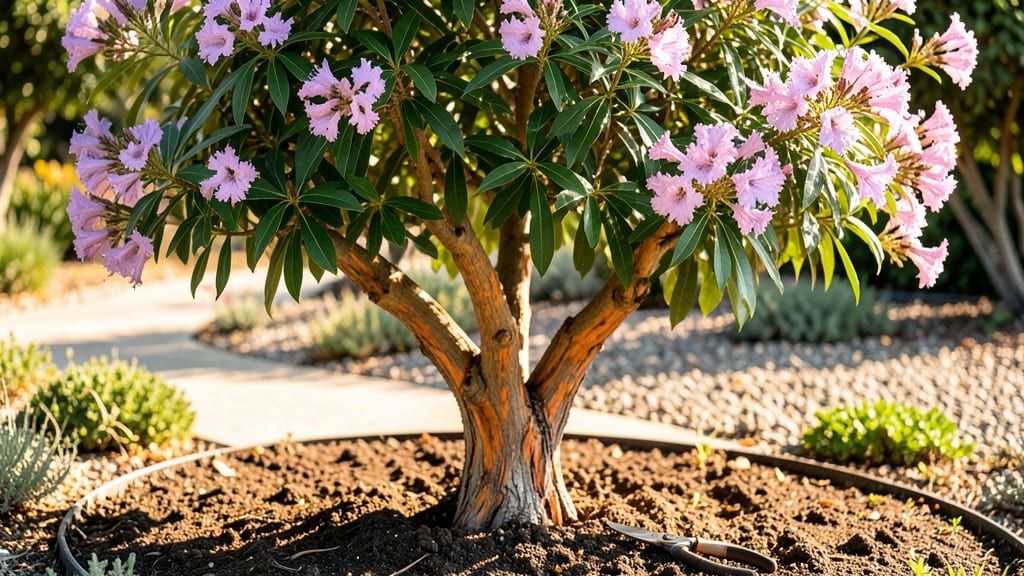
Florida’s year-round sunshine isn’t just for palm trees—it’s perfect for sun-loving flowering shrubs that burst into color without fuss. 🌿 I’ve learned the hard way that not all shrubs handle Florida’s heat and humidity, but the right picks—like crape myrtles or jacarandas—thrive when you match them to the right spot and care routine.
The key is well-draining soil (even sandy Florida soil works if amended) and morning sun with afternoon shade to prevent leaf scorch. Watering’s easy once established—just keep the roots moist the first year, then let nature take over.
My gardenia shrubs, for example, reward me with fragrant blooms all summer long when I follow this simple rule.
You’ll end up with a landscape that stays lush and colorful even in the dog days of summer. The crape myrtles add bold hues, gardenias fill the air with sweet perfume, and jacarandas create a stunning canopy of purple blooms.
Plus, these shrubs handle Florida’s occasional humidity and pests better than fussy imports.
Whether you’re filling a sunny border or creating shade, these shrubs adapt to Florida’s climate while giving you that showstopping curb appeal. Let’s get your yard blooming beautifully all year.
📚 In This Guide
- What you need
- Instructions
- Tips and common mistakes
- Wrapping up and next steps
What you need
- ● Flowering shrubs: Choose from Florida-friendly varieties like Firebush (Hamelia patens), Oakleaf Hydrangea (Hydrangea quercifolia), or Coralberry (Symphoricarpos orbiculatus). Buy 3–5 plants (depending on desired coverage).
- ● High-quality potting soil: 5–10 gallons (look for a mix labeled for shrubs or flowering plants with good drainage).
- ● Organic mulch: 2–3 cubic feet (pine bark or cypress mulch works best for Florida’s climate).
- ● Slow-release fertilizer: 1–2 pounds (choose a balanced 10-10-10 or 6-6-6 formula for flowering shrubs).
- ● Watering can or hose with a gentle spray nozzle: (or a drip irrigation kit for efficiency).
- ● Garden trowel or shovel: For planting and soil prep.
- ● Pruning shears: Bypass-style (sharp and clean for healthy cuts).
- ● Gloves: Heavy-duty work gloves to protect your hands.
- ● Measuring tape or ruler: To ensure proper spacing (aim for 3–6 feet apart, depending on the shrub).
- ○ Optional: Soil pH test kit (to check if amendments like lime are needed).
- ● Plant stakes and twine (for support if growing tall varieties).
- ● Compost or worm castings (for extra nutrients).
- ● Sunlight: A spot with full sun (6+ hours/day) or partial shade (3–6 hours), depending on the shrub.
- ● Well-draining soil: Amend heavy clay soil with compost or sand if needed.
- ● Water access: A consistent water source for the first 2–3 weeks post-planting.
- ● Patience: Some shrubs take 1–2 years to reach full bloom potential!
Step-by-step guide to planting and maintaining Florida-friendly flowering shrubs
Here's how to establish sun-loving shrubs that bring vibrant color to Florida's landscape all year.
🌱 Step 1: Select and Prepare the Planting Site
Choose a location with at least 6 hours of direct sunlight daily—Florida's intense sun demands it. Test the soil pH with a kit; most flowering shrubs prefer 6.0-7.0. If your soil is heavy clay (common in Florida), amend with 2-3 inches of organic compost mixed into the top 12 inches of soil to improve drainage.
Dig holes twice as wide as the root ball but only as deep. The top of the root ball should sit 1 inch above ground level—this prevents root rot in Florida's humid climate. Water the hole thoroughly before planting to settle the soil.
🪴 Step 2: Plant Shrubs with Proper Spacing and Support
Space shrubs according to their mature width—check the plant tag for specifics. For example, abutilon (flowering maple) needs 4-6 feet between plants, while firebush can handle 5-8 feet. Plant two people per shrub: one to hold the plant and another to backfill soil gently, tamping lightly to eliminate air pockets.
Stake tall shrubs (like jacaranda or royal poinciana) immediately with 2-inch diameter stakes tied loosely with soft fabric strips. Florida's summer storms can topple newly planted shrubs. Water deeply after planting to encourage root expansion into the surrounding soil.
☀️ Step 3: Establish a Watering Routine for First Year Growth
Water newly planted shrubs twice weekly for the first month, then taper to once weekly once established. Florida's heat requires 1-1.5 inches of water per week, but check soil moisture by sticking your finger 2 inches deep—water when dry. Use drip irrigation or soaker hoses to deliver water at the base, avoiding wetting foliage to prevent fungal diseases.
Mulch with 3 inches of pine bark or cypress mulch around the base, keeping it 6 inches away from the trunk. This conserves moisture, regulates soil temperature, and suppresses weeds—critical in Florida's competitive landscape. Replenish mulch annually as it breaks down.
✂️ Step 4: Prune for Shape and Encourage Continuous Blooms
Prune immediately after flowering to maintain shape and encourage next season's blooms. Use clean, sharp bypass pruners to make cuts just above a leaf node. For shrubs like firebush, which bloom on new growth, prune lightly in late winter to remove dead wood and shape the plant.
Remove any suckers or water sprouts that appear at the base—these divert energy from flowering. Florida's humidity means pruning wounds can take longer to heal, so seal larger cuts with pruning sealant if they're over ½ inch in diameter. Sterilize tools with rubbing alcohol between cuts to prevent disease spread.
🌿 Step 5: Fertilize Strategically for Year-Round Color
Apply a slow-release, balanced fertilizer (10-10-10 or 8-3-9) in early spring and again in early summer. Florida's sandy soils often require additional micronutrients, so consider a foliar spray of iron or manganese if leaves show yellowing between veins—a common deficiency in our alkaline soils.
For established shrubs, use organic compost tea every 4-6 weeks during the growing season to boost microbial activity and improve nutrient uptake. Avoid over-fertilizing—Florida's heat accelerates nutrient burn, so always water before and after applying fertilizer.
Tips & tricks for perfect Florida flowering shrubs
Here's what I've learned after years of helping Florida gardens thrive—these tricks make all the difference for sun-loving blooms.
Soil Prep Secret: I can't stress enough how critical that 2-3 inches of organic compost in the top 12 inches of soil is. Florida's clay soil compacts easily, and this amendment creates the perfect air pockets for roots to breathe. If you're in doubt, do a simple jar test—fill a jar with your soil and water, then shake. The time it takes to settle tells you how compacted it is.
Planting Depth Matters: That 1 inch above ground level positioning for the root ball isn't just a suggestion—it's essential. I've seen too many new gardeners plant too deep, which leads to root suffocation. Use a level to check before backfilling, and always plant with two people: one to hold the plant and one to backfill. The gentle tamping eliminates air pockets that can strangle roots.
Watering Wisdom: Those first two weeks of twice-weekly watering are make-or-break. I recommend using a rain gauge to measure your 1-1.5 inches per week—Florida's summer sun evaporates water faster than you think. Water in the early morning to prevent fungal diseases from overnight humidity, and always water at the base, not the leaves.
Pruning Pro Tip: When pruning after flowering, look for that leaf node just above where you're cutting—it's where new growth emerges. For firebush specifically, I've found that pruning in late winter gives you the most dramatic spring blooms. And always sterilize your tools between cuts—Florida's humidity turns pruning wounds into disease hotspots faster than you'd believe.
Pro Tips for Florida Flowering Shrub
- Here's what I've learned after years of helping Florida gardens thrive—these tricks make all the difference for sun-loving blooms.
- Soil Prep Secret: I can't stress enough how critical that 2-3 inches of organic compost in the top 12 inches of soil is.
- Planting Depth Matters: That 1 inch above ground level positioning for the root ball isn't just a suggestion—it's essential.
Frequently asked questions
Got questions about growing Florida-friendly flowering shrubs? You’re not alone! Here are answers to the most common queries to help you cultivate stunning blooms with ease.
When is the best time to plant flowering shrubs in Florida?
The ideal planting window is late fall (October–November) or early spring (February–March). Florida’s mild winters and warm springs give roots time to establish before extreme heat or storms. Avoid summer planting—intense sun and humidity stress young shrubs. Pro tip: Water deeply after planting to reduce transplant shock!
Do all Florida flowering shrubs need full sun?
Most thrive in full sun (6+ hours/day), but some tolerate partial shade (e.g., Abelia or Camellia). Check your shrub’s label—variegated or dark-leaved types may scorch in harsh afternoon sun. Troubleshoot: If blooms fade, it could signal too much shade or poor drainage. Adjust pruning to optimize light exposure!
Why aren’t my flowering shrubs blooming?
Common culprits include:
- Over-fertilizing with nitrogen (prioritize bloom-boosting fertilizers like 10-10-10 in early spring).
- Poor pruning timing—prune after blooming (except for spring-bloomers like Crapemyrtle, prune in late winter).
- Stress from pests/disease (e.g., scale insects or fungal spots). Inspect leaves and treat early.
Quick fix: Deadhead spent flowers to encourage reblooming!
What are low-maintenance Florida flowering shrubs for beginners?
Start with these drought-tolerant, pest-resistant picks:
Shrub
Bloom Season
Sun Needs
Firebush (Hamelia patens)
Spring–fall
Full sun
Dwarf Yaupon Holly (Ilex vomitoria 'Nana')
Spring
Partial sun
Butterfly Bush (Buddleia davidii)
Summer–fall
Full sun
All three handle Florida’s humidity and occasional dry spells with minimal fuss!
How do I prevent pests like aphids or whiteflies from ruining my shrubs?
Prevention is key:
- Spray neem oil (organic) weekly during peak pest seasons (spring/fall).
- Encourage beneficial insects (ladybugs, lacewings) by planting Dill or Fennel nearby.
- Prune regularly to improve airflow and reduce hiding spots.
Act fast: Isolate heavily infested plants to stop spread.
Wrapping up and next steps
Transforming your Florida landscape into a vibrant, year-round paradise is easier than you think! With the right sun-loving flowering shrubs, you can enjoy bursts of color, low-maintenance beauty, and even wildlife-friendly habitats.
Whether you’re drawn to the bold blooms of Firebush or the delicate charm of Jacaranda, these plants are perfect for Florida’s climate—and your green thumb.
Ready to get started? Pick one (or two!) shrubs that match your space and style, then grab your gardening tools. Plant with confidence, and soon, your yard will be the talk of the neighborhood! 🌸✨