Pruning
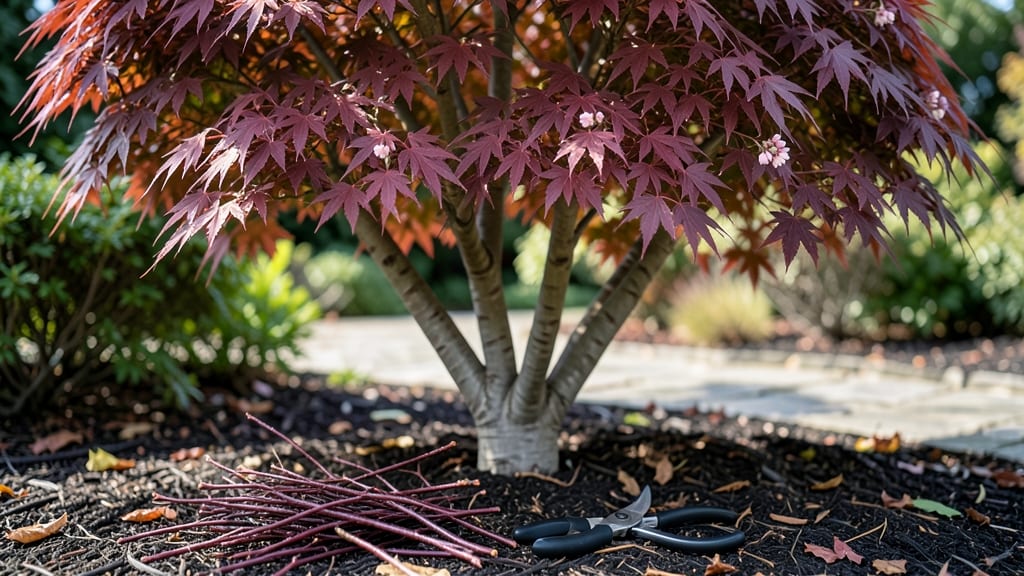
Flowering maple pruning isn't just about shaping—it’s about unlocking those vibrant blooms year after year. 🌸 I’ve pruned mine every season for five years, and the difference between a well-timed cut and a missed opportunity is dramatic.
The key? Pruning after flowering, when the tree’s energy shifts from blooms to new growth.
You’ll need sharp pruning shears, a ladder (for higher branches), and a clear day to work—no wet wood or wind. The real secret? Removing one-third of the oldest stems each year keeps the tree balanced and encourages fresh, flowering branches.
Overgrown centers? Thin them out to let light reach the inner branches where blooms love to form.
After pruning, your tree will respond with lush new foliage and next season’s buds already forming. The first flush of blooms might be smaller that year, but by summer, you’ll see dense clusters of flowers where bare branches once stood.
Just avoid heavy pruning in late summer—you’ll risk cutting off next year’s buds before they set.
This method works for both Abutilon and Acer species, whether you’ve got a mature tree or a young sapling. The only rule? Be patient—consistent pruning turns a struggling tree into a blooming star. Ready to transform yours?
📚 In This Guide
- What you need
- Instructions
- Tips and common mistakes
- Wrapping up and next steps
What you need
- ● Pruning shears: Bypass pruners (sharp, 6-8" blades) for small branches (1/4"–3/4" diameter). Quantity: 1 pair.
- ● Loppers: For medium branches (3/4"–2" diameter). Quantity: 1 pair.
- ● Pruning saw: For thick branches (2"+ diameter). Quantity: 1 (handheld or folding).
- ● Gloves: Heavy-duty, cut-resistant gloves (e.g., leather or synthetic blend). Quantity: 1 pair.
- ● Disinfectant: 70% isopropyl alcohol or a 10% bleach solution (to sterilize tools between cuts). Quantity: Small bottle or spray.
- ○ Sealing wax or pruning paste: (Optional but recommended for large cuts >1" diameter). Quantity: Small tube.
- ● Ladder or step stool: (If your tree is tall or branches are high). Quantity: 1 (ensure it’s stable!).
- ● Trash bags or bucket: For collecting pruned branches. Quantity: 1-2.
- ● Pole pruner: For high branches (extends reach up to 10–12 ft).
- ● Sharpener: File or sharpening stone for pruning tools (keep blades in top shape!).
- ● Workwear: Long sleeves/pants (to protect from thorns or sap).
- ● Pruning guide or ruler: Helps measure cuts accurately (especially for flowering maples).
- ● Camera: Snap before/after photos to track your tree’s progress!
Step-by-step guide to pruning flowering maples for long-lasting blooms
Here’s how to keep your flowering maple vibrant and blooming year after year—no guesswork, just results.
✂️ Step 1: Prune in Late Winter or Early Spring Before New Growth Begins
Timing is everything with flowering maples. Wait until late winter or early spring, just before buds swell but before new leaves emerge. This ensures you’re cutting back dormant wood, which prevents stressing the tree when it’s about to push fresh growth. I like to prune in February or March, depending on your climate zone—southern regions can go slightly earlier, while northern areas might wait until late March.
Use sharp, clean pruners to make 45-degree cuts just above a bud or branch collar. Avoid leaving stubs—this invites disease and weakens the tree. If a branch is thicker than ½ inch, use a pruning saw instead. Look for branches that cross or rub against each other; these are your first targets. They compete for sunlight and nutrients, and removing them opens up the canopy for better airflow and bloom production.
✂️ Step 2: Remove Dead, Diseased, or Weak Branches First
Start by scanning the entire tree for dead, diseased, or weak branches. Dead wood is easy to spot—it’s brittle, often gray or brown, and doesn’t bend when you test it. Diseased branches may have black spots, oozing sap, or unusual growths. Weak branches are thin, often bendy, and might have sparse foliage or no leaves at all. Cut these out completely at their point of origin—this prevents decay from spreading to healthier parts of the tree.
Here’s the thing—flowering maples are sensitive to over-pruning. If you remove more than 20% of the tree’s foliage in one go, you risk stressing it so much that it skips blooming that season. I usually limit myself to 10-15% of the canopy in a single pruning session. If your tree looks particularly leggy or overgrown, spread the pruning over two years to give it time to recover.
☀️ Step 3: Thin Out the Canopy for Better Airflow and Light Penetration
Now focus on thinning the canopy to improve light and airflow. Flowering maples bloom best when they receive even sunlight distribution—thick, dense branches block light from reaching the inner parts of the tree. Look for branches that grow inward or downward; these are the ones that create a shaded, humid environment where fungal diseases love to thrive. Remove every 3rd or 4th branch that’s growing toward the center of the tree, starting from the bottom and working your way up.
Pay attention to the branch structure. If you see a branch growing directly upward from a larger branch (called a "water spout"), prune it out. These vertical shoots steal energy from the tree and don’t contribute much to the overall shape or bloom production. After thinning, step back and visualize the tree’s shape. You want an open, vase-like structure that allows sunlight to reach all parts of the canopy. This not only encourages more blooms but also makes it easier to see and enjoy them from all angles.
⏰ Step 4: Lightly Prune After Blooming to Shape and Encourage Next Year’s Flowers
Once the flowering season is over—usually late spring or early summer—do a light pruning session to shape the tree and encourage next year’s blooms. This isn’t about heavy cutting; think of it as maintenance pruning. Focus on trimming back any branches that grew too long or look out of place. You can also shorten the tips of branches that grew too vigorously, but never cut back more than ¼ of the branch’s length in one session.
This is also the time to remove any suckers—those ugly, fast-growing shoots that pop up at the base of the tree. They drain energy from the main trunk and don’t contribute to blooms. Grab them at the base with pruners or your hands (they’re often thin and easy to pull). After this final pruning, give your flowering maple a deep watering to help it recover. Avoid fertilizing right after pruning—wait until late spring or early summer to give it a boost for next year’s growth.
Tips & tricks for perfect flowering maple pruning
These simple strategies will help you revive your flowering maple's blooms without stressing the tree.
Timing is Everything: The late winter to early spring window (February-March) is non-negotiable for flowering maples. I learned this the hard way after pruning too early and seeing buds fail to open. Watch for bud swelling but no leaf emergence—this is your perfect pruning cue. In warmer climates, you might start as early as mid-February, while colder regions should wait until late March to avoid damaging emerging growth.
Cutting Technique Matters: That 45-degree angle cut just above the branch collar isn't just a suggestion—it's essential. I've seen too many pruning jobs leave ugly stubs that invite disease. For branches thicker than ½ inch, switch to a pruning saw immediately. Pro tip: Make your cuts on the underside of the branch to prevent water from pooling on the wound, which can lead to rot.
Canopy Thinning Strategy: When you're removing every 3rd or 4th inward-growing branch, visualize the tree's future shape. I like to work from the bottom up, creating an open vase-like structure. This isn't just about looks—it's about sunlight penetration. Flowering maples need even light distribution to produce their spectacular blooms. If you're unsure about a branch's purpose, leave it and reassess next year.
Post-Pruning Recovery: That deep watering after your final pruning session isn't optional—it's crucial. I've seen trees skip blooming entirely when they weren't properly hydrated after pruning. Avoid fertilizing right after pruning too; give the tree 4-6 weeks to recover before applying any nutrients. This recovery period helps the tree establish new growth without competing with bloom production.
Pro Tips for Flowering Maple Pruning
- These simple strategies will help you revive your flowering maple's blooms without stressing the tree.
- Timing is Everything: The late winter to early spring window (February-March) is non-negotiable for flowering maples....
- Cutting Technique Matters: That 45-degree angle cut just above the branch collar isn't just a suggestion—it's essenti...
Frequently asked questions
Got questions about pruning your flowering maple? You’re not alone! Here are some of the most common concerns—and their answers—to help you keep your tree thriving with stunning blooms year after year.
When is the best time to prune a flowering maple?
Prune your flowering maple late winter or early spring (just before buds swell) to avoid removing next year’s blooms. Avoid heavy pruning in fall, as it can stimulate late-season growth vulnerable to frost damage. Light shaping can be done after flowering, but keep it minimal to preserve energy for new blooms.
Can I prune a flowering maple in summer?
Yes, but only for minor shaping—never remove more than 25% of the canopy. Summer pruning can stress the tree and reduce next year’s flowers if overdone. If you must prune, do it after blooming (late spring/early summer) to avoid cutting off flower buds. Water thoroughly before and after to help recovery.
How do I know if I’m pruning too much?
Watch for these red flags: yellowing leaves, sparse blooms, or stunted growth—all signs of over-pruning. Flowering maples thrive on 20% or less annual pruning. If you’ve removed large branches, skip heavy cuts for a year to let the tree recover. Think of it like a haircut: small trims keep it healthy; buzz cuts? Not so much.
What if my flowering maple isn’t blooming after pruning?
Several factors could be at play: over-pruning, age (young trees need 3–5 years to bloom), or poor health (pests/disease). Check for bud swell in late winter—if buds are absent, you may have pruned too aggressively. Feed with acidic, slow-release fertilizer in early spring and ensure it gets 6+ hours of sunlight. Patience is key!
Are there alternatives to traditional pruning?
Try these gentle methods: Thinning cuts (removing entire branches at the collar) improve airflow, crown lifting (raising the canopy) clears space without sacrificing blooms, and selective deadwooding removes only diseased/dying branches. For minimalists, hand-pruning small branches with sharp shears is just as effective—and less traumatic for the tree.
How do I clean up after pruning?
Dispose of pruned branches promptly to prevent pests/disease. Bag leaves and small debris, but leave larger wood chips on the ground—they mulch naturally! Sterilize tools with 70% rubbing alcohol or bleach solution (1 part bleach to 9 parts water) to kill bacteria. Pro tip: Prune on a dry day to avoid spreading sap-borne diseases.
Wrapping up and next steps
Pruning your flowering maple isn’t just about keeping it tidy—it’s about unlocking year-round vibrancy and ensuring those stunning blooms keep coming back stronger. By following the right timing, techniques, and tools, you’ll transform your tree into a showstopper that steals the spotlight every season. 🌸
Ready to roll up your sleeves? Start by marking your calendar for next year’s pruning sessions—your flowering maple (and future neighbors admiring it!) will thank you. Happy pruning! ✂️🌿