
Trees
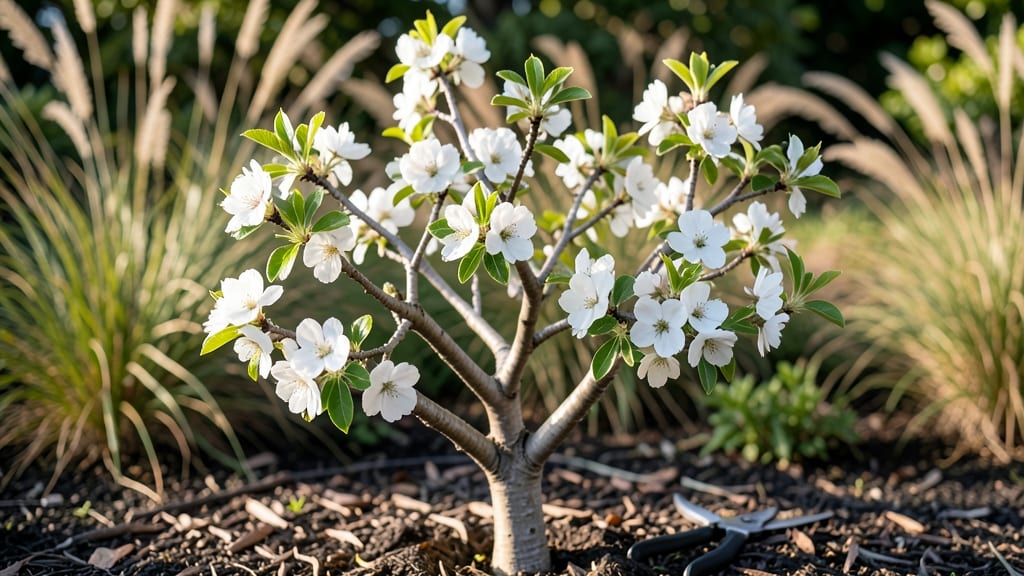
A white flowering peach tree transforms your Pacific Northwest garden into a dreamy spring spectacle—its delicate blossoms appear later than most, just when other trees have faded. 🌸 I planted mine in early spring after years of admiring neighbors' trees, and now it's the showstopper of our yard, with fragrant white blooms that last weeks longer than typical peach varieties.
The secret to its success? A sunny spot with well-draining soil and a little winter chill—exactly what PNW gardens provide. This tree thrives with minimal fuss: prune in late winter to shape it, mulch to protect roots, and watch it reward you with both stunning flowers and (sometimes) juicy fruit.
The trade-off? It needs slightly more care than ornamental trees to produce fruit reliably.
By summer, you'll have glossy green leaves and the occasional peach—though the real magic is those late-spring blossoms that perfume the air. Even if it doesn't fruit well, the ornamental value alone makes it worth growing.
The key is patience; it takes 3-5 years for full bloom potential, but every year brings more flowers.
Perfect for urban yards, cottage gardens, or as a focal point near patios where you can enjoy the fragrance up close. Let's get yours growing strong—here's how to set it up for PNW success.
📚 In This Guide
- What you need
- Instructions
- Tips and common mistakes
- Wrapping up and next steps
What you need
- ● White flowering peach tree (Prunus persica) sapling: 1 self-rooted or grafted tree (check for disease resistance, e.g., Nemaguard or Redhaven varieties)
- ● Size: 1–3 ft tall (bare-root or potted)
- ● Well-draining soil: Mix of topsoil (50%), compost (30%), and perlite/sand (20%) (1–2 cubic yards for planting)
- ● Organic mulch: 2–3 inches of wood chips or straw (spread in a 3-ft radius around the base)
- ● Shovel or trowel (for digging)
- ● Garden gloves (for protection)
- ● Watering can or hose (with gentle spray nozzle)
- ● Pruning shears (sterilized, for shaping)
- ○ Optional upgrades: Soil pH test kit (ideal range: 6.0–7.0)
- ● Tree support stake (if needed for young trees)
- ● Drip irrigation system (for consistent moisture)
- ● Sunlight: Full sun (6+ hours daily; Pacific Northwest tip: South-facing spot is ideal!)
- ● Space: 15–20 ft apart from other trees/buildings (account for mature size)
- ● Climate prep: Protect young trees from late frosts (use frost cloth if needed)
Step-by-step guide to planting and caring for your white flowering peach tree
Here's how to get your tree thriving in the Pacific Northwest's unique climate.
🌱 Step 1: Choose the Right Location and Prepare the Soil
White flowering peach trees need full sun exposure—at least 6-8 hours daily. In the Pacific Northwest, this means selecting a spot that gets morning sun and protected afternoon light, especially if your garden faces west. Avoid low-lying areas where cold air settles, as these trees are sensitive to late frosts.
Test your soil first—peach trees prefer slightly acidic to neutral soil with a pH between 6.0 and 7.0. If your soil is heavy clay (common in PNW gardens), amend it with 3-4 inches of compost mixed into the top 12 inches of soil. Dig a hole twice as wide as the root ball but only as deep—planting too deep can suffocate the roots and cause stress.
🪴 Step 2: Plant at the Right Time and With Proper Technique
Plant your white flowering peach tree in early spring, after the last frost date but before new growth begins. In the Pacific Northwest, this typically means late March to early April. Water the root ball thoroughly 1-2 days before planting to reduce transplant shock.
Place the tree in the hole so the top of the root ball sits 1-2 inches above ground level. This prevents water from pooling at the base and rotting the roots. Backfill with native soil (not amended soil) and tamp gently to remove air pockets. Create a 3-foot-wide watering basin around the tree to direct irrigation directly to the roots.
☀️ Step 3: Water Deeply and Establish a Consistent Routine
Water your newly planted tree deeply every 5-7 days for the first 2 months, ensuring the soil stays moist but not soggy. In the Pacific Northwest's damp climate, you'll need to monitor closely—overwatering can be just as harmful as underwatering. Check soil moisture by sticking your finger 2 inches deep; if it feels dry, it's time to water.
After the first two months, gradually reduce watering to every 10-14 days, depending on rainfall. Mature trees are more drought-tolerant, but they still appreciate deep watering during dry spells. Mulch around the base with 2-3 inches of organic mulch (like wood chips) to retain moisture and regulate soil temperature.
✂️ Step 4: Prune for Health and Bloom, Timing Matters Most
Prune your white flowering peach tree in late winter or early spring, before buds swell. This encourages strong new growth and better flowering. Remove any dead, diseased, or crossing branches first—they compete with healthy growth for nutrients. Cut back to a bud facing outward to promote an open canopy that allows sunlight to reach all parts of the tree.
Here's the thing—peach trees bloom on last year's growth, so avoid heavy pruning in fall or winter. If you must prune later in the season, limit cuts to 20% of the tree's foliage to protect next year's flowers. After pruning, apply a balanced fertilizer (like 10-10-10) to support new growth.
🌿 Step 5: Protect Against Late Blooms and PNW Challenges
The Pacific Northwest's unpredictable late frosts can damage blooms, so monitor weather forecasts closely. If a frost is predicted after flowers appear, cover the tree with a lightweight frost cloth at night. Remove it during the day to allow sunlight and airflow—trapped heat can do more harm than the frost itself.
Watch for peach leaf curl, a fungal disease common in wet PNW climates. Spray the tree with a copper fungicide in late fall and early spring as a preventative measure. Also, keep the area around the tree clear of debris—this reduces hiding spots for pests and improves air circulation.
Tips & tricks for perfect white flowering peach trees in the Pacific Northwest
These little details make all the difference when growing your white flowering peach tree in the PNW's tricky climate.
Sunlight Strategy: While 6-8 hours of sun is ideal, don't just pick any sunny spot. In the Pacific Northwest, morning sun with afternoon shade works best—especially if your garden faces west. I've seen trees struggle when planted in full western sun because the late afternoon heat can stress them. If you must plant in full sun, choose a location with afternoon protection from nearby structures or taller plants.
Soil Test Tip: Before amending your soil, get a proper pH test—peach trees are particular about that 6.0-7.0 range. I learned this the hard way after adding too much compost to my acidic soil, which actually made the pH drop below 6.0. If your soil tests too acidic, use lime to adjust it gradually over time. For alkaline soil, sulfur works best, but apply it 3-6 months before planting to avoid burning roots.
Planting Depth Secret: That 1-2 inch elevation above ground level is crucial—it's not just about drainage. When I first planted mine, I followed instructions but still had issues with water pooling. The key is to create a slight mound when backfilling, then tamp firmly. This prevents settling after watering and gives roots better oxygen access. Think of it like building a small hillock where the roots can breathe.
Watering Watch: Those 5-7 day intervals for new trees might seem long, but remember PNW's damp climate. The real trick is deep watering—aim for 1-1.5 gallons per watering session for young trees. I use a soaker hose set to low flow for 20-30 minutes to ensure water penetrates deeply without runoff. And always water at the base, never the leaves, to prevent fungal issues.
Pro Tips for White Flowering Peach Tree
- These little details make all the difference when growing your white flowering peach tree in the PNW's tricky climate.
- Sunlight Strategy: While 6-8 hours of sun is ideal, don't just pick any sunny spot.
- Soil Test Tip: Before amending your soil, get a proper pH test—peach trees are particular about that 6.0-7.0 range.
Frequently asked questions
Got questions about your white flowering peach tree?
Here are answers to the most common ones—whether you're a first-time grower or troubleshooting a tricky issue.
When do white flowering peach trees bloom in the Pacific Northwest?
White flowering peach trees typically bloom late spring to early summer (May–June), after frost risk has passed. In the PNW’s cooler climate, they often bloom 2–4 weeks later than in warmer regions. Choose late-blooming varieties like ‘Springcrest’ or ‘Redhaven’ to avoid frost damage.
How cold-hardy are white flowering peach trees?
Most peach trees thrive in USDA Zones 5–9, but the PNW’s damp winters can stress them. Zone 5–6 growers should plant in well-draining soil and mulch heavily. Zone 7+ is ideal—just avoid soggy roots! Young trees need winter protection (burlap wraps or frost cloth).
Do white flowering peach trees produce edible fruit?
Yes! While prized for their stunning white blossoms, many varieties (like ‘Springcrest’ or ‘Desert Gold’) bear juicy, freestone peaches. Note: Some ornamental types (e.g., ‘Kelsey’) are sterile—check labels! Even fruiting trees may yield smaller harvests in the PNW’s cooler summers.
Why aren’t my peach tree’s flowers turning into fruit?
Common culprits:
- Poor pollination: Plant a second tree (even a different variety) within 50 feet for cross-pollination.
- Late frost: Protect blossoms with frost cloth if frost hits after buds swell.
- Nutrient deficiency: Test soil—peaches love nitrogen (early season) and potassium (fruit set).
- Over-pruning: Limit cuts to winter dormancy to avoid stress.
What’s a low-maintenance alternative to a peach tree for PNW gardens?
If peaches feel high-maintenance, try:
- Japanese flowering cherry (Prunus serrulata): Disease-resistant, stunning white/pink blooms, and thrives in Zones 5–8.
- Apple crabapple (Malus): Dwarf varieties like ‘Sargent’ offer fruit and flowers with less fuss.
- Pacific dogwood (Cornus nuttallii): Native, no fruit, but showy white bracts and PNW-tough.
Pro Tip:
For bigger blooms next year, prune in late winter (before buds swell) and fertilize with 10-10-10 in early spring. Deadhead spent flowers to redirect energy to fruit (or more blossoms if ornamental!).
Wrapping up and next steps
Growing a white flowering peach tree in the Pacific Northwest is a rewarding challenge that brings beauty and fragrance to your garden—even in cooler climates!
With the right late-bloom variety, soil prep, and a little patience, you can enjoy stunning blossoms and (if lucky) juicy fruit. Don’t let setbacks discourage you—every pruned branch and mulched bed is a step toward a thriving tree.
Ready to take the next step? Start small: plant a single tree this season, monitor its progress, and share your journey with fellow gardeners. Before you know it, your yard will be the talk of the neighborhood—one blooming branch at a time! 🌸