
Flowers
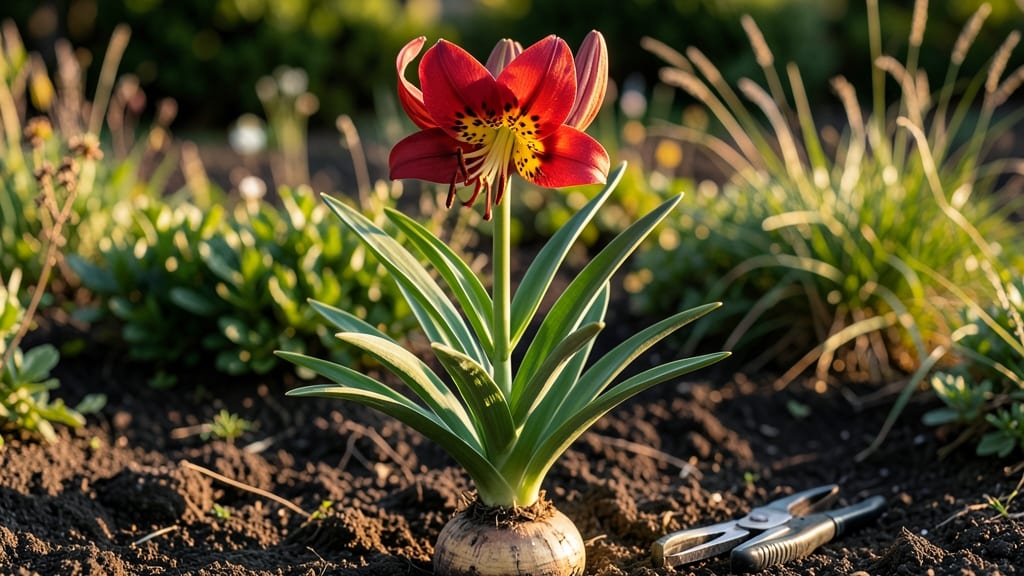
The bold red lilly flower you dream of growing in the Pacific Northwest demands patience—frost, soggy soil, and timing can all sabotage those trumpet-shaped blooms if you’re not careful. turn your bulbs into a smorgasbord for rot.
The key is waiting until the soil warms to at least 50°F and amending it with compost to drain just right.
These frost-resistant varieties—like the sturdy Asian hybrids or the fragrant Oriental lilies—thrive in partial shade, which is perfect for our damp, cooler summers. You’ll need well-draining soil, consistent moisture (but never soggy), and a spot where they get morning sun and afternoon shade.
Once established, they’ll reward you with 3-5 foot stems topped with vibrant red blooms that last for weeks.
Pruning spent blooms keeps the plant focused on next year’s flowers, and dividing bulbs every 3-4 years prevents overcrowding. The real secret? A thick layer of mulch in winter—it insulates the bulbs and keeps them from heaving out of the ground when frost hits.
With the right care, your red lilies will become the showstopper of your garden, year after year.
Whether you’re dealing with Seattle’s rainy springs or Portland’s sudden heatwaves, these tips will help you grow lilies that bounce back from frost and still put on a stunning summer show. Let’s get those bulbs in the ground the right way!
📚 In This Guide
- What you need
- Instructions
- Tips and common mistakes
- Wrapping up and next steps
What you need
- ● Red lily bulbs: 3–5 frost-resistant bulbs (e.g., Lilium martagon or Lilium superbum—check for PNW suitability).
- ● Well-draining potting mix: 2–3 bags (5–10 cubic feet) of high-quality, organic soil blend (amend with perlite or sand for extra drainage).
- ● Garden bed or large containers: For in-ground: 1–2 square feet per bulb, with partial shade (dappled sunlight).
- ● For containers: 12–15" deep pots (1 bulb per pot) with drainage holes.
- ● Compost or organic fertilizer: 1–2 cups of balanced 10-10-10 or bulb-specific fertilizer (low in nitrogen).
- ● Mulch: 2–3 inches of straw, wood chips, or pine needles (to protect from frost and retain moisture).
- ● Hand trowel or bulb planter.
- ● Garden gloves (for protection against sharp bulb edges).
- ● Watering can or hose with a gentle spray nozzle.
- ● pH testing kit (ideal soil pH: 6.1–7.0 for lilies).
- ● Pruners (for deadheading spent blooms).
- ● Timing: Plant bulbs in early fall (September–October) for PNW’s mild winters.
- ● Location: Choose a spot with morning sun and afternoon shade (e.g., under deciduous trees).
- ● Water access: Lilies need consistent moisture but hate soggy roots—ensure good drainage!
Step-by-step guide to planting frost-resistant red lilies in the Pacific Northwest
Here’s how to grow hardy red lilies that thrive despite our region’s damp, cool climate.
Choose the Right Red Lily Variety for Cold Climates
Not all red lilies handle Pacific Northwest winters equally. Look for Asiatic hybrids like ‘Red Beauty’ or ‘Red Lion’—they’re bred to resist 20-30°F temperatures without mulch. Avoid Oriental hybrids; they’re less cold-hardy and may rot in our wet springs. I always check the USDA hardiness zone label (zones 3-8 for these varieties) to match your specific microclimate.
Buy bare-root bulbs in early fall—October to November is ideal. Planting them when the soil is 50-60°F but still warm from summer’s end gives roots time to establish before winter. Inspect each bulb for firmness; soft or shriveled ones won’t survive. Store extras in a cool, dry place (like a garage) until planting day.
Prepare the Planting Site for Wet Soil
Red lilies hate soggy soil, so pick a spot with well-draining soil—even if it means amending heavy clay. Work in 2-3 inches of compost (from your 2 cubic feet of compost) to improve drainage without adding too much organic matter, which can compact. I dig a 12-inch deep hole for each bulb—deeper ensures roots escape winter saturation.
If your yard has poor drainage, raise beds slightly or plant in containers with drainage holes. A 5-gallon pot works for one bulb, and you can move it to shelter if heavy rains forecast. Avoid low-lying areas where water pools—red lilies rot faster than they freeze in our damp winters.
Plant Bulbs at the Correct Depth and Spacing
Place each bulb pointy end up, about 6-8 inches deep—deeper in sandy soil, shallower in clay. Space bulbs 8-12 inches apart to allow airflow, which prevents fungal diseases like bulb rot. I like to plant in groups of 5-7 for a dramatic display; they’ll naturalize over time.
Fill the hole with soil, pressing gently to remove air pockets but not compacting too tightly. Water lightly to settle the soil—this prevents gaps where cold air could seep in. Mulch with 2-3 inches of straw (from your 1 bag of straw mulch) after the ground freezes to insulate bulbs without smothering them in spring.
Protect New Plants Through First Winter
The first winter is critical—young bulbs need extra care. After planting, cover the bed with a 4-inch layer of leaves (from your 3 cubic feet of shredded leaves) in late November. This adds insulation without trapping moisture. Check mulch in early spring—remove half when shoots emerge to prevent rot.
If your area gets frost below 20°F, add a lightweight frost blanket over the bed. Avoid plastic—it traps cold air. Water sparingly in winter unless we get a dry spell; soggy soil stresses bulbs. By late March, when soil warms to 50°F, you’ll see shoots pushing through—your signal to remove winter protection.
Maintain for Repeat Blooms and Pest Control
After flowering, leave the foliage until it yellows—this feeds the bulb for next year’s blooms. Fertilize once in early spring with balanced 10-10-10 (from your 1 pound of 10-10-10 fertilizer) to encourage strong growth. I scatter granules around the base, 2 inches away from stems, and water deeply to activate them.
Watch for lily beetles—they target red lilies. Handpick adults and drop them in soapy water. For severe infestations, spray with neem oil (from your 1 bottle of neem oil) in evening to avoid harming bees. Deadhead spent blooms to redirect energy to bulb storage, but save seeds if you want to propagate—though hybrids may not come true.
Tips & tricks for perfect red lily planting in the Pacific Northwest
These practical tips will help your frost-resistant red lilies thrive in our unique climate—no guesswork involved.
Bulb Selection: When choosing bare-root bulbs in October to November, look for firm, plump specimens with no signs of mold or soft spots. The Asiatic hybrids like 'Red Beauty' are your best bet—they're bred specifically to handle our region's 20-30°F winters without extra protection. I always test a bulb's firmness by gently squeezing it; if it feels mushy, skip it.
Soil Preparation: The 2-3 inches of compost you work into your planting site is crucial for drainage, but don't overdo it. Too much organic matter can compact and create soggy conditions. For clay-heavy soil, mix in some coarse sand or perlite to create those tiny air pockets that prevent waterlogging. This is especially important in our damp winters.
Winter Protection: That 4-inch layer of leaves you add in late November works wonders, but timing matters. Apply it after the ground has frozen solid—this prevents moisture from getting trapped against the bulbs. In areas that dip below 20°F, I recommend adding a lightweight frost blanket on top of the leaves for extra insulation without suffocating the bulbs.
Pest Prevention: Lily beetles are the biggest threat to your red lilies, and they're particularly active in our region. The 1 bottle of neem oil you have on hand is perfect for this—spray it in the evening when bees are less active. For severe infestations, I've found that applying neem oil every 7-10 days during the growing season keeps these pests under control without harming beneficial insects.
Pro Tips for Red Lilly Flower
- These practical tips will help your frost-resistant red lilies thrive in our unique climate—no guesswork involved.
- Bulb Selection: When choosing bare-root bulbs in October to November, look for firm, plump specimens with no signs of mold or soft spots.
- Soil Preparation: The 2-3 inches of compost you work into your planting site is crucial for drainage, but don't overdo it.
Frequently asked questions
Can red lilies survive the PNW’s cold winters?
Lilium regale (also called regal lily) is one of the hardiest lilies, tolerating temperatures down to -15°F (-26°C) with proper mulching. In the PNW’s mild winters, they often return year after year. Just plant bulbs in well-draining soil and cover with 3–4 inches of mulch after the first frost for extra protection.
How long does it take for red lilies to bloom after planting?
Patience is key! Red lilies typically take 1–2 years to bloom after planting bulbs. First-year growth focuses on root and leaf development, while second-year plants often reward you with stunning, trumpet-shaped blooms in late spring to early summer. For faster results, opt for potted, pre-blooming lilies from nurseries.
What’s the best companion plant for red lilies in the PNW?
Red lilies thrive with sun-loving, moisture-tolerant companions like delphiniums, foxgloves, or bearded irises. Avoid planting them near bulbs like tulips or daffodils, as they can compete for nutrients. For a low-maintenance PNW garden, pair them with ferns or hostas for shade and contrast.
Why aren’t my red lily leaves growing? Troubleshooting tips.
If your lily’s leaves are yellowing, wilting, or not emerging, check these fixes:
Poor drainage? Lilies hate soggy soil—amend clay-heavy PNW soil with compost or sand.
Too much shade? They need 6+ hours of sun daily; thin nearby trees or relocate.
Pests? Slugs and lily beetles are common—use organic sprays or copper barriers.
Planting too deep? Bulbs should sit 4–6 inches deep (pointy end up!).
Pro tip: If leaves rot at the base, it’s likely fungus—remove affected plants and treat with neem oil.Are red lilies toxic to pets or kids?
Yes, red lilies are highly toxic to cats, dogs, and even horses if ingested. They contain liliosin, which can cause drooling, vomiting, or kidney failure. Keep them in pet-safe areas or opt for non-toxic alternatives like daylilies (Hemerocallis) if you have curious pets. Always supervise kids around flowers!
Wrapping up and next steps
The red lily flower isn’t just a stunning addition to your Pacific Northwest garden—it’s a resilient, frost-resistant beauty that thrives with the right care. From selecting the perfect Lilium variety to mastering soil prep and seasonal maintenance, you now have all the secrets to growing vibrant blooms year after year.
Ready to transform your garden? Start by planting your first bulbs this fall—your future red lilies will thank you! For extra inspiration, explore local PNW gardening groups or check out regional nurseries for hardy varieties. Happy growing! 🌸