
Flowers
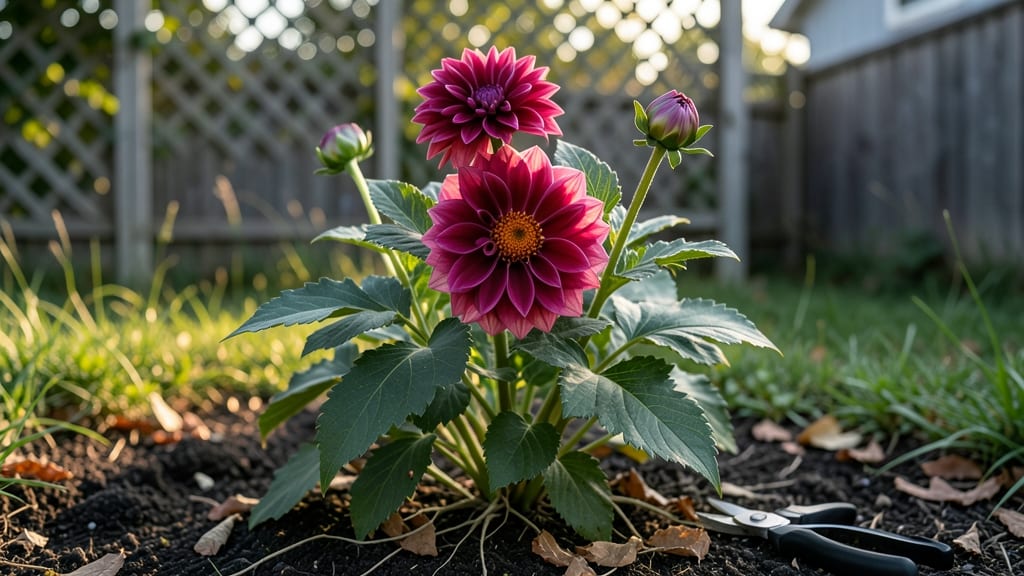
Nothing beats the drama of a dahlia flower bursting into bloom—especially when you’ve coaxed those velvety petals through damp Pacific Northwest summers and chilly autumns. 🌿 These showstoppers thrive in our region if you know their secrets: the right soil mix, strategic cutting back before frost, and a few tricks to protect tubers when temperatures dip.
I’ve grown them for years in Portland, and my late-summer gardens now rival the ones at the local farmers’ market.
The key starts with well-draining soil—dahlias hate soggy feet—and a sunny spot with at least 6 hours of direct light. In our climate, you’ll want to plant tubers in late May after the last frost, then stake them early to prevent flopping in windy coastal areas.
Water consistently but avoid overhead sprinklers (they invite fungal diseases like powdery mildew). The real magic happens in mid-summer, when you’ll start seeing those signature dinner-plate blooms in every color imaginable.
By early fall, you’ll need to act fast: cut back stems to 6 inches and dig up tubers before the first hard frost. Cure them in a cool, dry place for a week, then store them in sphagnum moss over winter.
Next spring, you’ll replant them—ready to repeat the cycle. The payoff? A garden that turns heads from June through October, even in our unpredictable weather.
This method works for all dahlia types, from tiny pom-poms to towering dinner-plate varieties. Whether you’re a beginner or a seasoned grower, the PNW’s damp climate just needs a few adjustments. Let’s get those tubers in the ground—and watch your garden transform into a floral masterpiece.
📚 In This Guide
- What you need
- Instructions
- Tips and common mistakes
- Wrapping up and next steps
What you need
- ● Dahlia tubers: Choose frost-resistant varieties like ‘Café au Lait,’ ‘Bishop,’ or ‘Karma Choc’ (available at nurseries or online). Quantity: 3–10 tubers (depending on desired garden size).
- ● Well-draining potting mix: 50% peat moss or coconut coir + 50% perlite or vermiculite (for aeration). Quantity: 1–2 cubic feet per tuber.
- ● Containers or garden beds: Containers: 12–18" deep pots with drainage holes (1 per tuber).
- ● Garden beds: Full sun (6+ hours/day) with loose, fertile soil (amend with compost if needed).
- ● Slow-release fertilizer: 10-10-10 or balanced organic fertilizer (e.g., fish emulsion). Quantity: 1 tbsp per tuber.
- ● Mulch: Straw or shredded leaves (to protect tubers from frost). Quantity: 2–3 inches once plants are established.
- ● Hand trowel or small shovel (for planting tubers).
- ● Pruners or sharp scissors (for trimming dead foliage or dividing tubers).
- ● Watering can or hose with gentle nozzle (dahlias hate soggy roots!).
- ● Garden stakes or tomato cages (to support tall varieties like ‘Arabian Night’).
- ○ Optional (but helpful!): Soil thermometer (to monitor frost risk in early/late seasons).
- ● Frost cloth (for extra protection during late spring/early fall).
- ● Compost tea or liquid fertilizer (for a mid-season nutrient boost).
- ● 🌡️ Timing: Start tubers indoors 4–6 weeks before your last frost date (typically late April–early May in the PNW).
- ● ✨ Soil prep: Test your soil’s pH (dahlias thrive in 6.0–7.0). Adjust with lime or sulfur if needed.
- ● 🔥 Frost hack: In zones 7–9, mulch heavily in October and cover plants with frost cloth before the first freeze.
Step-by-step guide for growing hardy dahlias in the Pacific Northwest
Here's how to coax these stunning blooms through our damp, cool summers and chilly winters.
🌱 Step 1: Time Tubers Correctly for Your Climate
Dahlias need a long growing season, so start tubers indoors 8-10 weeks before your last frost date (typically mid-April in the PNW). I like to use 6-inch deep pots filled with sterile potting mix—never garden soil, which can harbor rot. Place tubers 2 inches deep, with the "eye" (the small bump where growth emerges) facing up.
Keep the soil consistently moist but never soggy—60-65°F is ideal for early root development. A seedling heat mat speeds things up in our cool springs. Watch for the first green shoot to appear—this signals it's time to move them under lights or to a sunny windowsill.
⏰ Step 2: Harden Off and Plant After Frost
Once tubers show 3-4 inches of new growth, it's time to harden them off. Move pots outside during the day for 2-3 hours, gradually increasing to full sun exposure over 7-10 days. This prevents transplant shock when you finally plant them in the garden after the last frost.
Choose a sunny, sheltered spot with well-draining soil—dahlias hate soggy roots. Plant tubers 4-6 inches deep, spacing them 18-24 inches apart for larger varieties. I always add a handful of bone meal to the planting hole to encourage strong root development. Water deeply right after planting to settle the soil.
☀️ Step 3: Support and Feed for Big Blooms
Dahlias grow tall—some varieties reach 5 feet—so install sturdy stakes or cages at planting time. I use 5-foot bamboo stakes for mid-sized varieties and 6-foot cages for giants. This prevents flopping in our frequent PNW rains.
Feed plants every 2-3 weeks with a balanced liquid fertilizer (10-10-10) once they reach 12 inches tall. Stop fertilizing 6 weeks before first frost to encourage tuber development. Deadhead spent blooms regularly to redirect energy into new flowers and strengthen stems for winter.
✂️ Step 4: Prepare Tubers for Winter Storage
When frost threatens, cut back foliage to 6 inches above the soil. Dig up tubers carefully with a fork or shovel, being sure to get all the attached roots. Shake off excess soil and let them dry in a shady, well-ventilated area for 24 hours. This prevents rot during storage.
Store tubers in a cool, dark place (around 40-50°F) in dry peat moss or vermiculite. Check them monthly and discard any that show signs of mold or soft spots. Properly stored, these tubers will reward you with next year's blooms—no need to replant!
Tips & tricks for perfect Pacific Northwest dahlias
Between us, these frost-resistant dahlias thrive in our PNW climate when you nail a few key details.
The Heat Factor: That 60-65°F range for early root development is non-negotiable, but don't stress if your home runs cooler. A seedling heat mat beneath your pots creates the perfect microclimate—especially important when our springs linger chilly. I've seen tubers develop roots twice as fast with this simple addition.
Harden Off Gradually: The 2-3 hour to full sun transition over 7-10 days might seem tedious, but rushing this step is how you get transplant shock. Start with just morning sun exposure, then gradually add afternoon sun. Think of it like acclimating to our famously unpredictable PNW weather—slow and steady wins the race.
Support System: Those 5-foot stakes and 6-foot cages aren't just decorative—they're essential for our windy summers. Install them at planting time (Step 2) and secure the plants with soft ties. I've seen dahlias topple in our frequent summer storms without proper support, ruining both the plant and the blooms.
Winter Storage Wisdom: The 24-hour drying period before storage is your best defense against rot. I store my tubers in mesh bags with vermiculite rather than peat moss—it's easier to check for mold and provides better airflow. Label each bag with the variety and year, because next spring you'll be glad you didn't mix them up!
Pro Tips for The Dahlia Flower
- Between us, these frost-resistant dahlias thrive in our PNW climate when you nail a few key details.
- The Heat Factor: That 60-65°F range for early root development is non-negotiable, but don't stress if your home runs cooler.
- Harden Off Gradually: The 2-3 hour to full sun transition over 7-10 days might seem tedious, but rushing this step is how you get transplant shock.
Frequently asked questions
Got questions about growing dahlia flowers in the Pacific Northwest? We’ve got answers! Here are some of the most common queries—plus tips to help you cultivate stunning, frost-tolerant dahlias with ease.
Can dahlias survive PNW winters, or do I need to dig them up?
Most frost-tolerant varieties (like ‘Café au Lait’ or ‘Karma Choc’) can handle light freezes, but hard frosts (below 20°F) will kill tubers. For extra protection, mulch heavily with straw or leaves, or lift and store tubers in a cool, dry place (like a garage) after the first frost. Pro tip: Label your tubers so you don’t forget what you’re planting next spring!
When is the best time to plant dahlias in the PNW?
Wait until after the last frost (typically late May in most PNW regions) to plant tubers. Start them indoors 6–8 weeks earlier if you’re impatient—just keep them in pots until soil temps hit at least 50°F. For direct planting, aim for early June to give them time to establish roots before summer heat arrives.
Why are my dahlia leaves turning yellow or spotted?
Yellow leaves often signal overwatering or poor drainage, while spots could mean powdery mildew (common in humid PNW summers). Quick fixes:
- Check soil moisture—dahlias hate soggy roots!
- Space plants for airflow to prevent fungus.
- Spray with neem oil if mildew appears.
Do dahlias come back every year, or do I have to replant?
Dahlias are perennial in mild PNW climates (like coastal areas), but in colder inland zones, they’ll die back annually. If you dig up tubers each fall, you’ll need to replant them each spring—but many gardeners find it’s worth the effort for bigger, healthier blooms the next year.
What’s the easiest low-maintenance dahlia for beginners?
Start with ‘Bishop’ or ‘Karma Choc’—they’re disease-resistant, drought-tolerant, and thrive in partial shade. Avoid fussy hybrids like dinnerplate dahlias until you’ve mastered the basics. Bonus: Deadhead spent blooms to encourage more flowers all season!
Can I grow dahlias in containers in the PNW?
Choose compact varieties like ‘Mignon’ or ‘Tom Thumb’ and use a 12–18-inch pot with drainage holes. Place containers in full sun to partial shade and fertilize regularly. Just remember: Container-grown dahlias may need extra watering during PNW’s dry summers.
Wrapping up and next steps
From selecting the perfect frost-resistant varieties to mastering soil prep and seasonal care, growing dahlias in the Pacific Northwest is totally doable—even for beginners! 🌸 With the right techniques, you’ll enjoy vibrant blooms from summer to frost, proving that cold climates can be just as rewarding for gardeners.
Now that you’re armed with these secrets, why not plant your first tubers this season? Start small, experiment with colors, and let your garden become a dazzling dahlia haven!