
Flowers
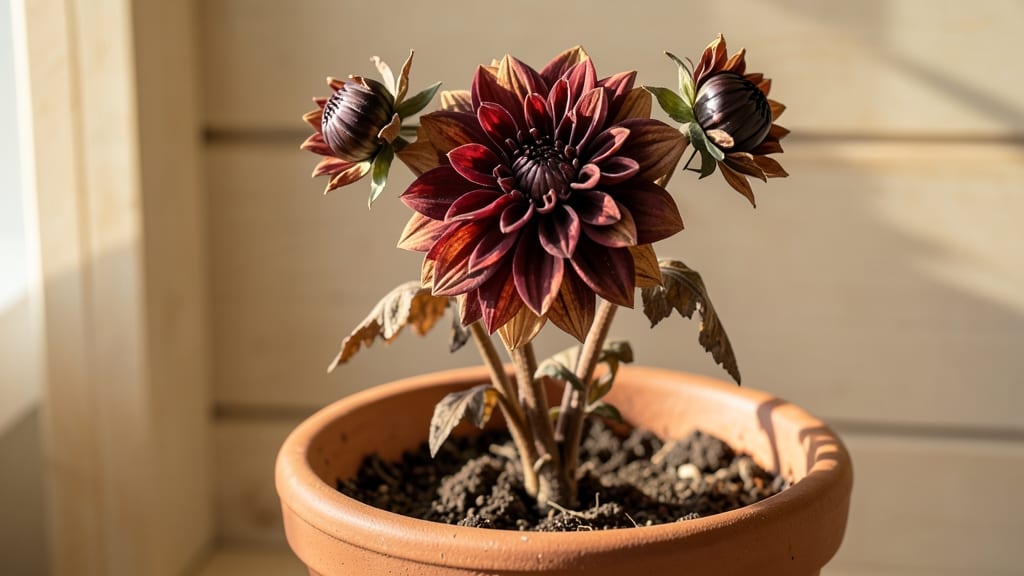
Dried dahlia flowers turn your garden’s boldest blooms into edible garnishes and fragrant décor that lasts all year. ✨ I’ve dried dahlias for everything from tea sachets to rustic wreaths, and the process is simpler than you’d think—no fancy equipment, just patience and a little know-how.
The key is harvesting at peak freshness (when petals are fully open but still crisp) and choosing varieties with sturdy stems that hold their shape.
You’ll need just a few supplies: dahlia flowers with stems, a drying rack or mesh screen, paper towels, and a cool, dark space (like a basement or closet).
The drying time varies by humidity—2 to 4 weeks—but the results are worth it: petals that stay vibrant for months, perfect for sprinkling on desserts, steeping in herbal teas, or weaving into dried flower arrangements.
Once dried, store petals in airtight containers away from light to preserve their color. Pair them with lavender, rose petals, or eucalyptus for layered potpourri, or press them between heavy books for framed botanical art. The best part? Every dried dahlia tells a story—of summer’s fleeting beauty captured in time.
This method works for all dahlia types, from dinner-plate varieties to delicate pompons. Whether you’re a gardener with a surplus or a DIY decorator, dried dahlias add a touch of whimsy to any project. Let’s get started!
📚 In This Guide
- What you need
- Instructions
- Tips and common mistakes
- Wrapping up and next steps
What you need
- ● Fresh dahlia flowers: Choose organic, pesticide-free blooms (avoid treated flowers). You’ll need about 10–15 medium-sized flowers for a standard batch.
- ● Sharp floral shears or kitchen scissors: For clean cuts without damaging petals.
- ● Paper towels or clean kitchen towels: To pat dry excess moisture from petals.
- ● Drying method of choice (pick one): Air-drying: A well-ventilated area (like a mesh screen or hanging rack).
- ● Oven-drying: Low-heat setting (below 200°F/93°C).
- ● Dehydrator: Set to 115–135°F (46–57°C) for gentle drying.
- ○ Air-tight storage containers: Glass jars or resealable bags with silica gel packets (optional but recommended).
- ● Food dehydrator: For faster, more even drying (if you don’t have one, a cool oven works!).
- ● Silica gel packets: To absorb moisture and extend shelf life.
- ● Fine-mesh strainer: For rinsing petals before drying (if needed).
- ● Food-safe labels: To mark drying dates and uses (e.g., "tea" or "garnish").
- ○ Honey or sugar (tiny pinch): For preserving color if drying outdoors (optional).
How to dry dahlia flowers for edible petals
Transform your garden's late-season blooms into delicate, flavorful garnishes with this simple drying method.
🌿 Step 1: Select and Prepare Fresh Dahlia Blooms
Choose fully opened dahlia flowers with vibrant petals—avoid any showing signs of wilting or pest damage. Cut stems at a 45-degree angle just below the bloom head using sharp shears. This prevents water loss and encourages a cleaner cut. I like to harvest in the early morning when petals are fully hydrated and most flavorful.
Remove any green calyxes (the leafy base where petals attach) and discard them—they're not edible. Gently separate individual petals from the center, working from the outer edges inward. Lay them flat on a clean, dry surface to inspect for debris or insects. This step ensures your dried petals stay pristine and ready for culinary use.
💧 Step 2: Air-Dry Petals for Optimal Preservation
Place petals in a single layer on a wire cooling rack or mesh screen over a shallow tray. This allows air to circulate freely on all sides, preventing moisture buildup that could cause mold. I position the rack in a dry, dark, well-ventilated spot—like a pantry or basement—where humidity stays below 50% and temperatures remain between 65-75°F.
Resist the urge to stack or overlap petals, even if you're drying a large batch. Crowding traps moisture and creates uneven drying. Instead, arrange them with ¼-inch spacing between each petal. You'll know drying is complete when petals become crisp to the touch and lose 80% of their original weight—this typically takes 7-10 days, depending on your climate.
⏰ Step 3: Store Dried Petals for Long-Term Use
Once fully dried, transfer petals to airtight glass jars or resealable food bags. I prefer small jars (like 4-ounce sizes) because they let me portion petals for specific recipes. Store them in a cool, dark place—like a pantry or refrigerator—to preserve color and flavor for up to 6 months. The refrigerator extends shelf life by slowing oxidation.
Label each jar with the variety and drying date. Some dahlia varieties develop deeper flavors when dried, while others retain their delicate sweetness. To test freshness, crush a tiny piece between your fingers—it should crumble easily and release an aromatic scent. If petals feel brittle or lose their fragrance, it's time to use them up in recipes.
☀️ Step 4: Revive Petals for Garnishes and Infusions
For garnishes, rehydrate dried petals by placing them in a shallow dish of cool water for 10-15 minutes before arranging on dishes. This restores their delicate texture and vibrant color. I often use them to top cocktails, salads, or desserts—just a few petals add a pop of color and subtle floral note. Dahlia petals pair beautifully with citrus, honey, and herbal teas.
For tea infusions, steep 1 teaspoon of dried petals in 1 cup of hot (but not boiling) water for 5-7 minutes. Strain and enjoy the delicate, slightly sweet flavor. You can also mix them with other dried flowers like lavender or chamomile for a layered aroma. Avoid oversteeping—bitterness develops quickly in concentrated petals.
Tips & tricks for perfectly preserved dahlia petals
Here's what I've learned after drying hundreds of batches—these little details make all the difference between good and extraordinary results.
Selection Matters: In Step 1, when choosing blooms, prioritize fully opened flowers with deep, vibrant colors. The darker the petal, the more intense the flavor after drying. I've found that varieties with burgundy or deep pink hues develop particularly rich, almost berry-like notes when dried. Avoid flowers that have been exposed to rain or dew—they'll develop mold during the drying process. Harvesting in early morning sunlight gives you the freshest, most flavorful petals for your drying project.
Drying Environment Secrets: The 65-75°F temperature range in Step 2 is ideal, but humidity control is equally critical. If your kitchen exceeds 50% humidity, consider using a small fan on low to improve airflow around your drying rack. I've also had success placing a desiccant packet (like those that come with new shoes) near the drying tray—it helps absorb excess moisture without affecting the petals. The ¼-inch spacing between petals ensures even drying, but if you're working with a large batch, I recommend drying in batches rather than crowding the rack.
Weight Loss as Your Guide: That 80% weight loss target in Step 2 is your best indicator of completion. Weigh a few petals before drying, then check periodically—they should feel light as paper and crumble easily between your fingers. In humid climates, this process might take up to 14 days, while dry conditions can achieve it in as little as 5 days. The crisp texture is what gives dried dahlia petals their signature delicate crunch when used in culinary applications.
Storage Extension Strategy: For maximum freshness beyond the 6-month mark, consider vacuum-sealing your dried petals. This method can preserve them for up to a year while maintaining their vibrant color. When storing in the refrigerator, place the jars in a drawer with other produce to maintain consistent cool temperatures. The key to long-term storage is minimizing exposure to both light and oxygen—both accelerate flavor degradation in dried botanicals.
Pro Tips for Dried Dahlia Flowers
- Here's what I've learned after drying hundreds of batches—these little details make all the difference between good and extraordinary results.
- Selection Matters: In Step 1, when choosing blooms, prioritize fully opened flowers with deep, vibrant colors.
- Drying Environment Secrets: The 65-75°F temperature range in Step 2 is ideal, but humidity control is equally critical.
Frequently asked questions
Got questions about preserving and using dried dahlia flowers? Here are some common ones—and their easy answers!
How long do dried dahlia petals last?
When stored properly in an airtight container (like a jar or sealed bag) in a cool, dark place, dried dahlia petals can last 6–12 months. Avoid humidity to prevent mold—think of your pantry or freezer as ideal spots!
How do I know when dahlia petals are fully dried?
Petals are ready when they’re crisp to the touch and snap easily (not bendy!). If they still feel slightly damp, give them another 1–2 days. Pro tip: Use a fan or dehydrator for faster drying (24–48 hours max).
Can I use dried dahlia petals in tea or cooking?
Their mild, slightly sweet flavor works beautifully in herbal teas, cocktails, or as edible garnishes (like salads or desserts). Just remove the bitter green bases before use. Start with 1 tsp per cup of hot water for tea.
What if my dried petals smell musty?
Musty odors mean moisture snuck in. Discard them immediately—moldy petals can spoil other dried flowers. To prevent this, store them in paper bags with silica gel packets or a sealed container with a desiccant.
Are there alternatives to drying dahlia petals?
Yes! If drying isn’t your style, try freeze-drying (preserves color better) or press-flowering (for flat arrangements). For quick use, fresh petals work too—just pat them dry and use within 24 hours.
Still curious? Drop your question in the comments—we’re happy to help!
Wrapping up and next steps
Dried dahlia flowers are a versatile, beautiful, and edible treasure waiting to elevate your culinary creations! Whether you’re crafting elegant garnishes, brewing fragrant teas, or experimenting with floral-infused dishes, these petals bring a touch of nature’s elegance to your table.
With just a few simple steps, you can preserve their vibrant colors and delicate flavors for months—making them a practical and creative addition to any kitchen.
Ready to dive in? Start by growing your own dahlias or foraging for organic petals, then follow the drying and storage tips to keep them fresh. Your next gourmet project is just a bloom away! 🌸✨