Flowers
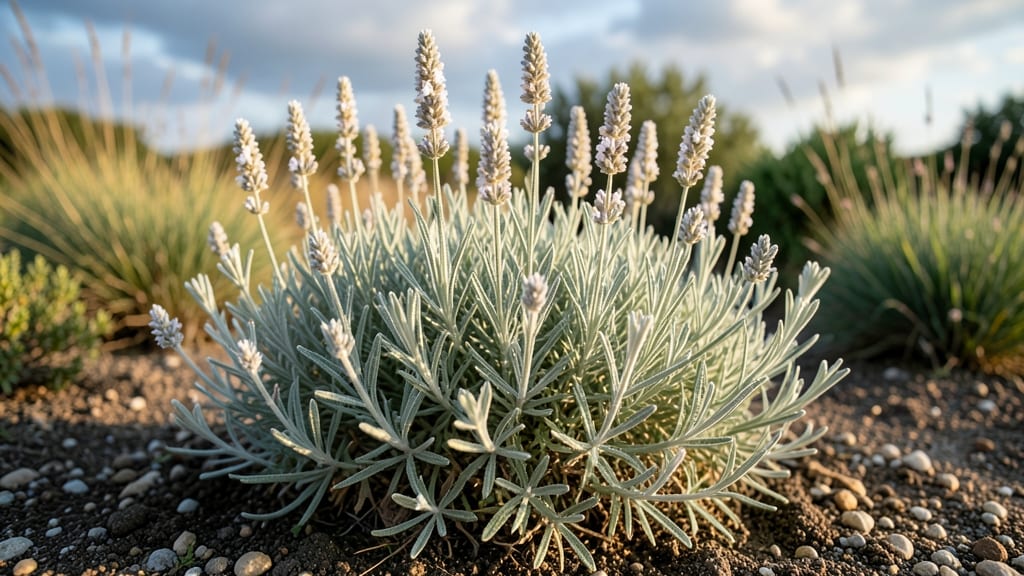
White lavender flowers bring a dreamy, ethereal touch to gardens that purple varieties can’t match—think soft clouds of bloom against sunlit paths. ✨ I’ve found they work best in cottage gardens or Mediterranean-style beds, where their delicate clusters soften edges and attract bees with relentless enthusiasm.
Pair them with dusty blue salvias, silver foliage like lamb’s ear, or even deep purple irises for a moody yet refined contrast. They thrive in full sun and well-drained soil, making them perfect for borders, containers, or pollinator-friendly meadows where their scent lingers on warm breezes.
What you’ll love most is how they elevate any space—whether a formal herb garden or a wildflower meadow—without competing with bolder blooms. Their silvery-green stems add texture year-round, and the fragrance? Pure, clean, and intoxicating.
For best results, plant in clusters of three or five for visual impact, and avoid overcrowding nearby plants. Their airy habit lets sunlight dance through, creating that magical, light-filled look every garden craves.
📚 In This Guide
- What you need
- Instructions
- Tips and common mistakes
- Wrapping up and next steps
What you need
- ● White lavender plants: 1–3 nursery-grown plants (preferred for faster results) OR
- ● Seeds (if starting from scratch—germination can be slow!)
- ● Well-draining soil: Mix 2 parts potting soil with 1 part perlite or coarse sand (lavender hates soggy roots!).
- ● Sunny spot: A location with 6+ hours of direct sunlight daily (south-facing is ideal!).
- ○ Containers (optional but helpful): 1–2 pots (12–18 inches wide) with drainage holes OR
- ● In-ground planting area (if your climate is mild and dry).
- ● Garden trowel or small shovel (for planting).
- ● Pruning shears (for shaping and harvesting).
- ● Watering can or hose with a gentle spray nozzle (lavender dislikes wet foliage!).
- ○ Mulch (optional): Use gravel or pebbles (not organic mulch) to retain heat and deter weeds.
- ○ Fertilizer (optional): A low-phosphorus, high-potassium option (like 5-10-10) or compost sparingly (lavender needs minimal feeding!).
- ● Protective gloves (to avoid prickly stems when handling).
Step-by-Step guide to cultivating white lavender flowers
Here's the method I've perfected for growing these stunning, pollinator-loved blooms—fragrant and elegant in any garden.
🌱 Step 1: Choose and Prepare the Perfect Planting Site
White lavender thrives in well-draining soil with full sun exposure—at least 6-8 hours daily. I always test soil drainage by digging a hole, filling it with water, and watching how quickly it drains. If water pools after 30 minutes, amend with sand or gravel to improve aeration. Avoid heavy clay or waterlogged areas—lavender roots rot quickly in soggy conditions.
For containers, select pots with drainage holes and a mix of potting soil and perlite (50/50 ratio). I use 5-gallon pots for each plant, ensuring roots have room to spread without becoming root-bound. Elevate containers slightly to prevent water pooling at the bottom.
☀️ Step 2: Plant at the Right Time and Depth
Spring or early fall are ideal planting times—avoid summer heat or winter frosts. Space plants 18-24 inches apart in garden beds to allow airflow and prevent fungal diseases. Dig a hole twice as wide as the root ball but no deeper—lavender dislikes being buried too deeply, which can suffocate roots.
Gently remove the plant from its container, loosen any circling roots, and place it in the hole so the top of the root ball sits level with the soil surface. Backfill with native soil, pressing lightly to eliminate air pockets. Water deeply once planted to settle the soil, but avoid overwatering—lavender is drought-tolerant once established.
💧 Step 3: Water and Fertilize with Precision
Water lavender deeply but infrequently—once every 7-10 days in dry climates, more often in humid areas. The key is to let the soil dry out completely between waterings. I check moisture by sticking my finger 2 inches into the soil; if it feels dry, it’s time to water. Overwatering is the #1 killer of lavender—yellowing leaves or wilting stems signal you’re watering too much.
Skip high-nitrogen fertilizers—lavender prefers low-phosphorus, balanced fertilizer (like 5-5-5) applied once in early spring. I mix a tablespoon of fertilizer into the soil at planting and avoid additional feedings unless leaves show nutrient deficiency. Mulch lightly with gravel or coarse sand to retain soil warmth and deter weeds without smothering roots.
✂️ Step 4: Prune for Bushiness and Bloom
Prune lavender immediately after flowering to encourage dense growth and next year’s blooms. Use clean, sharp shears to trim back one-third of the plant’s height, focusing on woody stems. Avoid cutting into old wood—new growth emerges from the current season’s stems. I never prune in fall or winter, as lavender needs its foliage to protect buds from cold.
Deadhead spent blooms regularly to redirect energy into new growth. If your lavender becomes leggy, it’s a sign of insufficient light—relocate to a sunnier spot or prune back harder next season. Pruned stems can be dried for potpourri or sachets, extending their fragrance long after the garden blooms fade.
🪴 Step 5: Protect and Maintain for Long-Term Health
Lavender is deer-resistant and pest-free, but aphids or spider mites may appear in hot, dry conditions. Spray with neem oil if you spot sticky residue or tiny webs. I also monitor for powdery mildew in humid climates—improve airflow by thinning plants or pruning to enhance circulation.
In winter, protect young plants with a light layer of mulch (like straw) or move container-grown lavender to a sheltered spot. Mature plants handle cold well but may need winter watering in drought-prone areas. By late winter, resume light pruning to shape the plant and remove any dead growth from freezing temperatures.
Tips & tricks for perfect white lavender cultivation
These game-changing insights will help you grow showstopping white lavender that thrives year after year.
Soil Drainage Test: That 30-minute water test in Step 1 is non-negotiable for white lavender. I've seen roots rot after just 48 hours in poorly draining soil—trust me, it's worth the extra 30 minutes to test. If your soil fails, mix in coarse sand or small gravel up to 20% of your planting volume for that perfect airy texture lavender craves.
Container Hack: For container growing, elevate your 5-gallon pots on pot feet or bricks to create a 1-inch air gap below drainage holes. This prevents water from pooling at the bottom, which can suffocate roots. I've had containers last 5 years with this simple adjustment—no more soggy bottoms!
Pruning Precision: When you trim back one-third of the plant's height after flowering, focus on the oldest stems first. New growth emerges from the current season's stems, so avoid cutting into the woody centers. I use clean, sharp shears and make cuts at a 45-degree angle to prevent water from pooling on the stems.
Winter Protection: That late winter pruning isn't just about shaping—it's about revealing fresh growth. After removing dead wood, you'll notice vibrant new buds forming at the base. This is your plant's natural response to the cold stress, and it's the secret to next year's blooms. Apply a light layer of straw mulch (about 1-2 inches) to insulate roots while allowing airflow.
Pro Tips for White Lavender Flowers
- These game-changing insights will help you grow showstopping white lavender that thrives year after year.
- Soil Drainage Test: That 30-minute water test in Step 1 is non-negotiable for white lavender. I've seen roots rot aft...
- Container Hack: For container growing, elevate your 5-gallon pots on pot feet or bricks to create a 1-inch air gap be...
Frequently asked questions
Are white lavender flowers the same as regular lavender?
Not quite! While they share the same genus (Lavandula), white lavender—like Lavandula stoechas ‘Alba’—has softer, creamier blooms and a subtler fragrance. Regular lavender (e.g., Lavandula angustifolia) typically features purple hues and a stronger, more herbal scent. Both thrive in similar conditions but offer distinct aesthetics.
How long do white lavender flowers last once cut?
With proper care, cut white lavender stems can last 7–10 days in a vase. Trim stems at an angle, remove lower leaves (to avoid bacterial growth), and change the water every 2–3 days. For longer vase life, add a splash of bleach (1 tsp per quart of water) or a floral preservative. Pro tip: Avoid direct sunlight on cut flowers—it accelerates wilting!
Can white lavender grow in containers, and what size pot do I need?
White lavender thrives in containers with well-draining soil and plenty of sunlight. Use pots at least 12–14 inches deep with drainage holes to prevent root rot. For multiple plants, space them 12–18 inches apart. Terracotta pots work wonders—they wick away excess moisture while keeping roots cool.
Do white lavender flowers attract pollinators like bees and butterflies?
Yes! While not as bee-magnetizing as purple lavender, white lavender still draws butterflies, hoverflies, and beneficial insects. Its lighter color may be more visible to some pollinators in low light. Pair it with purple or blue flowers (like salvia or catmint) to create a pollinator powerhouse in your garden. Bonus: Plant in clusters for maximum impact!
Where can I buy white lavender flowers or plants, and what’s the best time to plant?
You’ll find white lavender at nurseries, garden centers, or online retailers (check Etsy or specialty seed shops for rare varieties). Plant in early spring or late summer after the last frost. For potted plants, wait until soil warms to 55°F (13°C) to avoid transplant shock. Troubleshooting: If leaves yellow, it’s often overwatering—lavender prefers dry, rocky soil!
What are some creative uses for white lavender flowers besides bouquets?
Get crafty! Dry white lavender for potpourri, sachets, or homemade lavender oil. Use petals in infused honey or herbal teas (mildly floral, not overpowering). Freeze dried blooms in ice cubes for a scented drink garnish. Even your DIY candles or soaps will thank you for the elegant touch!
Wrapping up and next steps
White lavender flowers bring a touch of serene beauty and ecological value to any garden, offering both aesthetic charm and vital support to pollinators.
Whether you’re a seasoned gardener or just starting out, their low-maintenance nature and fragrant allure make them a perfect addition to your outdoor space. Now’s the time to take the next step—plant a patch of white lavender and enjoy the rewards of a thriving, pollinator-friendly garden!
- 🌱 Pro Tip: Start small with a few plants to test your local climate before expanding.
- 🐝 Bonus: Share your blooms with neighbors or local conservation groups to spread the love for pollinators!