
Flowers
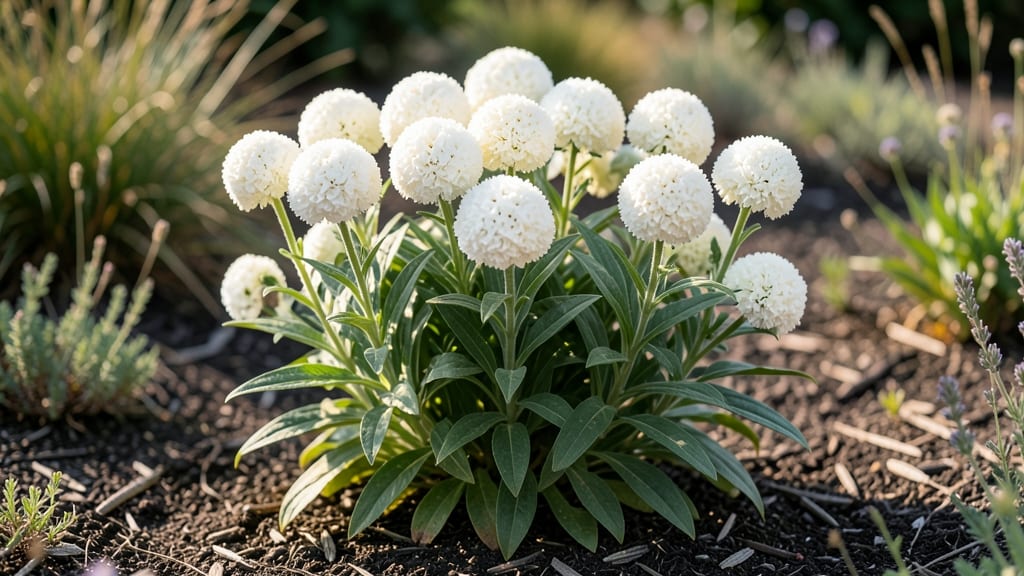
The white amaranth flower turns Pacific Northwest gardens into dreamy, frost-resistant havens where pollinators never want to leave. I planted mine last October, and by late spring, they were already buzzing with bees—despite our chilly coastal climate.
Their cloud-like plumes soften sharp garden edges while drawing the eye like a whisper of cotton candy in the wind.
This plant thrives in partial shade, making it perfect for those tricky spots under trees or along north-facing borders. Pair it with deep purple salvias or dusty blue lavender for a striking contrast, or let it mingle with grasses for a wild, romantic look.
The key is giving it room—those feathery blooms need space to sway dramatically.
By midsummer, your garden becomes a magnet for butterflies and hummingbirds, their delicate wings brushing against the white plumes. The flowers even hold their shape through light frosts, giving you late-season color when many perennials have faded.
Imagine cutting them for bouquets that last weeks in a vase—no wilting, just pure elegance.
For cottage gardens, tuck them near pathways where visitors can't help but reach out. In wedding-themed spaces, they add ethereal texture to ceremony backdrops. The secret? Plant them in clusters of three or five for maximum impact—nature's way of saying "look at me!"
📚 In This Guide
- What you need
- Instructions
- Tips and common mistakes
- Wrapping up and next steps
What you need
- ● White Amaranth Seeds: 1 packet (50–100 seeds, non-GMO preferred for best results). Choose varieties like ‘White Velvet’ or ‘White Tail’ for frost tolerance.
- ● Well-Draining Soil: 1–2 cubic yards of loamy soil (pH 6.0–7.5). Mix in compost (1 part compost to 3 parts soil) for nutrients.
- ● Sunlight Access: A full-sun location (6+ hours of direct sunlight daily). Partial shade is tolerated but may reduce blooms.
- ● Watering Can or Hose: With a fine mist nozzle for gentle hydration.
- ○ Stakes or Trellis (Optional but Recommended): 4–6 wooden stakes (4–5 ft tall) or a lightweight trellis to support taller varieties.
- ● Garden Gloves (1 pair) – Protects hands from thorns (if growing ‘White Tail’).
- ● Hand Trowel – For planting seeds ½ inch deep.
- ● Pruning Shears – To trim dead blooms and encourage regrowth.
- ○ Mulch (Optional): 2–3 inches of straw or wood chips to retain moisture and suppress weeds.
- ○ Frost-Cloth (Optional): A lightweight frost blanket (5x7 ft) for early spring/fall protection in colder PNW zones (e.g., Western WA/OR).
How to grow white amaranth flowers in the Pacific Northwest
Here's the straightforward approach I've used to establish thriving white amaranth patches that survive our damp springs and late frosts.
Select the Right Variety and Planting Location
Choose the 'White Velvet' variety, which handles our region's cooler temperatures better than tropical amaranths. This annual thrives in full sun but tolerates partial shade if afternoon shade is available. Avoid low-lying areas where cold air pools—amaranth needs good drainage to prevent root rot, especially during our rainy seasons.
I always test the soil first with a simple pH test kit. White amaranth prefers slightly acidic to neutral soil (pH 6.0-7.5). If your soil tests higher than 7.5, amend with 1-2 pounds of peat moss per 100 square feet before planting. The plants aren't fussy about fertility, but they'll reward you with bigger blooms if you work in 1 cup of 5-10-10 fertilizer per plant at planting time.
Start Seeds Indoors or Direct-Sow After Frost
For our short growing season, I recommend starting seeds indoors 6-8 weeks before your last frost date. Use biodegradable peat pots to avoid disturbing roots later. Fill them with sterile seed-starting mix and plant 2-3 seeds per pot at a depth of ¼ inch. Keep the soil consistently moist but never soggy—amaranth seeds rot quickly in cold, wet conditions.
Place the pots in a warm spot (70-75°F) with grow lights positioned 2-3 inches above the seedlings. You'll see germination in 7-14 days, though it may take longer if your home runs cooler. Once seedlings have 2-3 true leaves, thin to the strongest one per pot. If you're direct-sowing after frost danger has passed, scatter seeds ½ inch deep and 12 inches apart—they germinate quickly in warm soil.
Harden Off and Transplant Carefully
If you started indoors, begin hardening off 10-14 days before transplanting. Place seedlings outside in a sheltered spot for 1-2 hours the first day, gradually increasing their time outdoors. Watch for wilting or yellowing leaves—this means they're not ready yet. Amaranth handles transplant shock better than many flowers, but rushing this step often leads to stunted growth.
Transplant on a cool, overcast day to reduce stress. Dig holes twice as wide as the root ball but no deeper. Water deeply before and after planting to help settle the soil. Space plants 12-18 inches apart in rows 2 feet apart—this gives them room to develop their signature plumes without competing for light. Mulch with 2 inches of straw to retain moisture and suppress weeds, which is especially helpful during our dry summer months.
Maintain Water and Fertility for Continuous Blooms
Water deeply 2-3 times per week, aiming for 1 inch of water per week. Amaranth has deep roots, so shallow watering encourages weak stems. The key is to keep the soil evenly moist but never waterlogged—this plant tells you when it's thirsty by drooping slightly in the afternoon. Water at the base rather than overhead to prevent fungal diseases, which thrive in our damp climate.
Feed lightly with ½ cup of balanced 10-10-10 fertilizer per plant 4-6 weeks after transplanting, then again mid-summer. Too much nitrogen produces leafy growth at the expense of flowers. I've found that fish emulsion applied as a foliar spray every 4-6 weeks gives the blooms extra vibrancy without overfeeding. Watch for yellowing leaves—this often signals over-fertilization rather than nutrient deficiency.
Encourage Pollinators and Extend the Season
White amaranth attracts bees, butterflies, and hummingbirds with its nectar-rich blooms. To maximize pollinator visits, avoid pesticides entirely—this plant rarely has pest issues, and its dense foliage deters most insects naturally. If you notice aphids on new growth, blast them off with a strong spray of water rather than using chemicals.
In the Pacific Northwest, white amaranth often keeps blooming until first frost. To extend the season, cut back spent flower stalks by half their length after they've finished blooming. This encourages new side shoots that produce fresh flowers. The plants themselves are frost-tolerant, though the blooms may blacken with light freezes. Simply cut them back, and they'll rebound quickly in spring if you mulch heavily over winter.
Tips & tricks for thriving white amaranth in the Pacific Northwest
Between our damp springs and late frosts, growing white amaranth successfully takes a few strategic adjustments—here's what I've learned after years of trial and error.
Soil Prep Secret: Don't just test soil pH—also check for compaction. White amaranth's deep roots struggle in dense soil. If your garden feels heavy when you squeeze a handful, mix in 1-2 inches of compost along with the peat moss before planting. This improves drainage while adding organic matter that helps retain moisture during our dry summers. The 'White Velvet' variety will reward you with stronger stems and bigger blooms when roots can spread easily.
Germination Game-Changer: The 7-14 day germination window can feel like an eternity in our cool homes. Speed things up by placing seed trays on a heating mat set to 75°F—this mimics summer soil temperatures and triggers faster sprouting. Keep the soil warm but never hot (above 85°F), or you'll risk damping off. I've seen germination cut from two weeks to just five days using this method during our chilly spring starts.
Transplant Timing: That 10-14 day hardening off period is non-negotiable, but here's the trick: start with shorter exposure times if your seedlings look pale. Begin with just 30 minutes on day one, then increase by 1 hour each subsequent day. Watch for leaves that perk up after watering—this shows they're ready for more sun. I've lost count of how many batches I nearly ruined by rushing this process, especially when our skies stay overcast for weeks.
Watering Wisdom: The "drooping in afternoon" signal works, but here's what to do when it happens: give the plant a thorough drink at the base, then check soil moisture 2 inches down with your finger. If it's dry, water again—amaranth's deep roots need consistent moisture to support those tall flower stalks. During our dry spells, I set up drip irrigation on a timer for 15 minutes every other morning, which keeps the soil evenly moist without waterlogging.
Pro Tips for White Amaranth Flower
- Between our damp springs and late frosts, growing white amaranth successfully takes a few strategic adjustments—here's what I've learned after years of trial and error.
- Soil Prep Secret: Don't just test soil pH—also check for compaction.
- Germination Game-Changer: The 7-14 day germination window can feel like an eternity in our cool homes.
Frequently asked questions
What’s the best time to plant white amaranth flowers in the Pacific Northwest?
Plant white amaranth seeds after the last frost—typically late spring (May–June) in the PNW. These heat-loving flowers thrive in warm soil (60°F+), so avoid early planting. For a longer bloom season, start seeds indoors 4–6 weeks before transplanting. Pro tip: Use black plastic mulch to warm the soil faster!
Are white amaranth flowers truly frost-resistant?
While they tolerate light frost (down to 25°F), they’re not frost-resistant like some PNW natives. Young plants may suffer damage in freezing temps. For best results, grow them as annuals and protect them with row covers if early/late frosts are expected. Their pollinator appeal makes them worth the effort!
Can I grow white amaranth in containers or small gardens?
They adapt well to containers (12"+ depth) or small gardens, especially dwarf varieties like ‘White Velvet.’ Ensure pots have drainage holes and use well-draining soil. Space plants 12–18" apart for optimal airflow. Bonus: Containers let you move them to sunny spots during cooler months.
What pests or diseases should I watch for with white amaranth?
Common issues include:
- Aphids: Spray with water or use insecticidal soap.
- Spider mites: Increase humidity or use neem oil.
- Powdery mildew: Improve airflow and avoid overhead watering.
Healthy plants (full sun, balanced fertilizer) resist most problems. Prevention tip: Inspect leaves regularly for early signs of stress!
What are some white amaranth alternatives for PNW gardens?
If you love white blooms and pollinators, try:
- White yarrow (Achillea millefolium) – Drought-tolerant and long-blooming.
- Shasta daisy (Leucanthemum) – Classic white flowers, deer-resistant.
- White coneflower (Echinacea purpurea) – Native-friendly and low-maintenance.
- Zinnias (Zinnia elegans) – Fast-growing annuals with bold blooms.
Each offers unique textures and bloom times to extend your garden’s season!
Wrapping up and next steps
The white amaranth flower isn’t just a stunning addition to your Pacific Northwest garden—it’s a hardy, pollinator-friendly superstar that thrives where others falter. With its frost-resistant nature and low-maintenance charm, it’s the perfect choice for gardeners who want beauty and sustainability.
Whether you’re a beginner or a seasoned green thumb, this resilient bloom makes gardening feel effortless—and rewarding!
Ready to transform your outdoor space? Start small—plant a few seeds or seedlings this season and watch your garden buzz with life! 🌸 For even more tips, check out our garden care guide or share your progress with the gardening community. Happy planting!