
Flowers
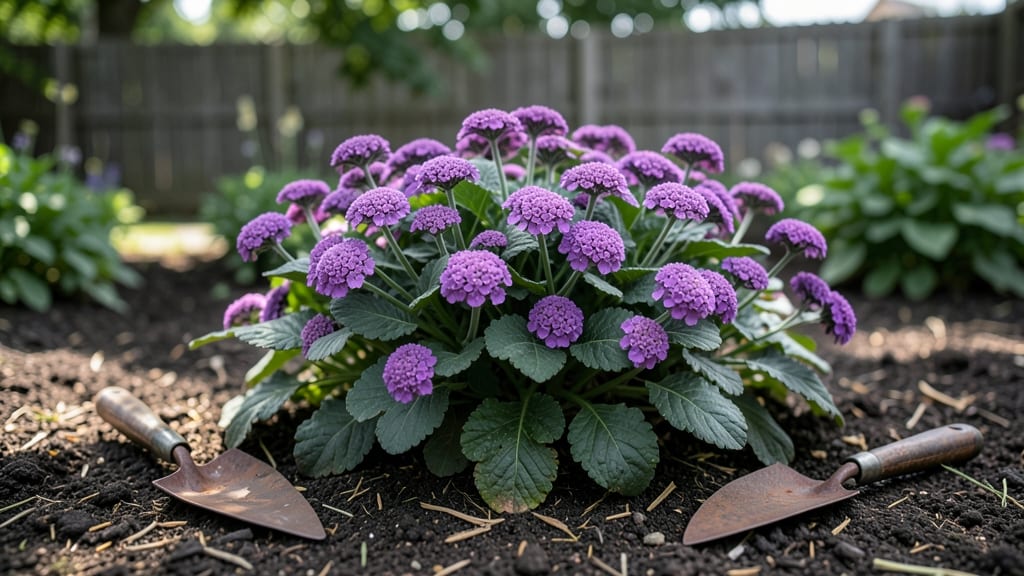
That purple mustard flower brings drama to Pacific Northwest gardens with its bold, velvety blooms and long-lasting color. 🌿 I first spotted it in a Seattle border and fell for its striking contrast—deep magenta petals against lush green foliage that thrives even when other annuals fade.
The secret lies in its hardiness: it handles our damp winters and bright summers without fuss, making it the perfect workhorse for pollinator-friendly designs.
In flower beds, it pairs beautifully with silver foliage like lamb’s ear or blue blooms such as bachelor’s buttons, creating a cool-toned contrast. For containers, mix it with trailing nasturtiums or ornamental kale for height and texture.
The flowers attract bees and butterflies all season, turning your garden into a buzzing hub—especially when planted near herbs or vegetables. Even in winter, the seed pods add architectural interest.
Maintenance is minimal: just deadhead spent blooms to encourage more flowers and water occasionally. It self-seeds easily, so you’ll get free plants next year. The best part? It grows from seed in just 4-6 weeks, giving you quick color when other annuals take months.
Whether you’re filling a border, brightening a patio, or adding drama to a cutting garden, this plant delivers with zero compromise.
For extra impact, try planting it in masses or as a focal point near seating areas. The scent is subtle but pleasant—no overpowering mustard aroma here. In Pacific Northwest culture, it’s also a nod to cottage gardens, where bold colors and pollinator support go hand in hand.
Ready to transform your space with this easy-care stunner?
📚 In This Guide
- What you need
- Instructions
- Tips and common mistakes
- Wrapping up and next steps
What you need
- ● Seeds or seedlings: Purple mustard flower seeds (e.g., Brassica juncea ‘Purple Waves’ or similar varieties) – 1–2 packets (50–100 seeds) for a small patch; 3+ packets for a full border.
- ○ Seedlings (optional): 3–6 healthy 4-inch transplants (check local nurseries for Brassica varieties).
- ● Soil: Well-draining, sandy loam or loamy soil (pH 6.0–7.5). Amend heavy clay with compost or perlite.
- ● Organic matter: 2–3 inches of compost mixed into the top 6 inches of soil.
- ● Sunlight: Full sun (6+ hours/day)—this plant thrives in bright, open spaces!
- ● Watering tools: Watering can or hose with a gentle spray nozzle (avoid soaking seeds).
- ○ Drip irrigation (optional) for consistent moisture.
- ○ Fertilizer (optional but helpful): Balanced fertilizer (10-10-10) or low-nitrogen, phosphorus-rich (e.g., 5-10-10) to encourage blooms.
- ● Fish emulsion or compost tea for organic growth.
- ● Mulch: Straw or shredded leaves (1–2 inches) to retain moisture and suppress weeds.
- ● Support stakes or cages: If growing tall varieties (e.g., ‘Purple Top White Globe’), use bamboo stakes or tomato cages for support.
- ● Pollinator-friendly companions: Plant near bee balm, lavender, or yarrow to create a buzzing ecosystem!
- ● Row covers: Lightweight fabric to protect seedlings from pests or frost (remove when plants are established).
Step-by-step guide to cultivating Pacific Northwest-friendly purple mustard flowers
This hardy annual thrives in our region's mild winters and loves attracting pollinators year-round.
🌱 Step 1: Choose the Perfect Planting Site
Select a location with full sun to partial shade—purple mustard handles 4-6 hours of direct sunlight daily but tolerates morning shade in hotter inland areas. The Pacific Northwest's coastal fog and summer sun make it ideal for this versatile plant. I always check for well-draining soil first—this plant hates soggy roots, which can rot stems within days.
If your garden has heavy clay soil, amend the planting area with 2-3 inches of compost mixed into the top 6 inches of soil. Work it in until the soil looks crumbly and dark. Purple mustard grows 12-24 inches tall, so space plants 8-12 inches apart to allow airflow and prevent fungal issues common in dense plantings.
💧 Step 2: Plant Seeds or Transplants at the Right Time
For direct sowing, plant seeds 1/4 inch deep after your last frost date—typically mid-April to early May in most of the Pacific Northwest. Seeds germinate best in 60-70°F soil, so wait until soil warms up before planting. I like to press seeds gently into the soil rather than burying them too deep, as they need light to trigger germination.
If using transplants, choose healthy starts with deep green leaves and no signs of yellowing. Plant them at the same depth they were growing in containers, then water deeply to settle the soil. Purple mustard self-seeds readily, so you'll often find volunteers popping up in subsequent years—just thin them to 8 inches apart for best results.
☀️ Step 3: Maintain Consistent Watering and Fertilization
Water newly planted seeds or transplants 1-2 times per week to keep the soil evenly moist but not soggy. Once established, purple mustard is quite drought-tolerant but will produce more vibrant blooms with regular watering during dry spells. I water in the morning so leaves dry quickly, reducing the risk of fungal diseases that thrive in damp conditions.
Fertilize lightly with a balanced 10-10-10 fertilizer at planting time, then again when flowers first appear. Avoid heavy feeding—purple mustard grows best in lean soil. Too much nitrogen results in lush foliage but fewer blooms. Watch for bright yellow flowers appearing in early summer—they're a sign your plants are happy and ready to attract pollinators.
✂️ Step 4: Encourage Continuous Blooming and Deadhead Regularly
To prolong flowering, deadhead spent blooms by pinching off faded flowers with your fingers or clean pruners. This encourages the plant to produce more flowers rather than setting seed. I like to do this every 2-3 weeks during the growing season. Cut back stems by 1/3 after the first flush of blooms to promote bushier growth and prevent legginess.
In the Pacific Northwest's mild climate, purple mustard often blooms from early summer through fall, sometimes even into winter in sheltered microclimates. If you notice stems becoming woody or leaves yellowing, it's time to cut back the plant by half its height to rejuvenate growth. This plant is surprisingly resilient—even after heavy pruning, it'll bounce back with fresh growth.
Tips & tricks for perfect purple mustard flower cultivation
Here's what I've learned from years of growing this Pacific Northwest favorite—simple adjustments that make all the difference.
Site Selection Secret: While the instructions mention full sun to partial shade, I've found that plants in morning sun with afternoon shade in inland areas actually produce more vibrant blooms. The coastal fog helps prevent heat stress, but inland gardens benefit from that afternoon reprieve. Test a spot by observing how quickly it dries after rain—if water pools for more than 30 minutes, amend with compost first.
Timing That Works: The 60-70°F soil temperature range is perfect for germination, but I've noticed that waiting until mid-May gives you a head start on our unpredictable spring showers. If you're in a warmer microclimate, you can plant as early as late March, but be prepared to protect seedlings with row covers if frost threatens. The 1/4-inch depth is critical—any deeper and they won't germinate properly.
Soil Science: That 2-3 inches of compost recommendation is non-negotiable for heavy clay soils, but I've taken it further by mixing in a handful of perlite to improve drainage. The key is getting that soil to look like "cake crumbs" when you squeeze it—if it forms a hard ball, you need more organic matter. For existing plantings, top-dress with compost annually to maintain fertility without overfeeding.
Pruning Strategy: When the instructions say to cut back by 1/3 after the first flush, I actually recommend a more aggressive approach: after the initial blooms fade, cut back to just 4-6 inches tall. This shock treatment forces the plant to put all its energy into new growth rather than seed production, and you'll get a second flush of blooms within 3-4 weeks. The plants handle this better than you'd think!
Pro Tips for Purple Mustard Flower
- Here's what I've learned from years of growing this Pacific Northwest favorite—simple adjustments that make all the difference.
- Site Selection Secret: While the instructions mention full sun to partial shade, I've found that plants in morning sun with afternoon shade in inland areas actually produce more vibrant blooms.
- Timing That Works: The 60-70°F soil temperature range is perfect for germination, but I've noticed that waiting until mid-May gives you a head start on our unpredictable spring showers.
Frequently asked questions
Got questions about purple mustard flowers? You’re not alone!
Here are the answers to the most common queries—from planting tips to pollinator perks.
When is the best time to plant purple mustard flowers?
For Brassica carinata (purple mustard), sow seeds in early spring (March–April) or late summer (August–September) in the Pacific Northwest. They thrive in cool weather but need well-draining soil. If starting indoors, transplant seedlings 4–6 weeks before the last frost date.
Do purple mustard flowers attract bees and butterflies?
These vibrant blooms are a pollinator magnet, especially for honeybees, bumblebees, and butterflies. Their nectar-rich flowers provide year-round sustenance, making them a top choice for native gardens. Just ensure they’re planted in full sun for maximum appeal.
Can I grow purple mustard flowers in containers?
Yes! They adapt well to containers (12+ inches deep) as long as the pot has drainage holes. Use a lightweight potting mix and place them in a sunny spot. Just keep an eye on watering—containers dry out faster than garden beds.
What are some purple mustard flower alternatives for similar color?
If you love the purple but want variety, try:
- Lavender (drought-tolerant, fragrant)
- Salvia ‘May Night’ (deep purple, hummingbird favorite)
- Phlox paniculata (clustering blooms, late summer color)
Why aren’t my purple mustard flowers blooming?
Check these common culprits:
- Too much shade – They need 6+ hours of sun daily.
- Over-fertilizing – Too much nitrogen = leafy growth, fewer flowers.
- Poor drainage – Root rot can stunt blooms. Amend soil with compost.
Wrapping up and next steps
The purple mustard flower isn’t just a stunning addition to your garden—it’s a pollinator powerhouse that brings life, color, and resilience to the Pacific Northwest year-round. Whether you’re drawn to its bold hues, easy care, or ecological benefits, this plant proves that beauty and functionality go hand in hand. 🌿
Ready to transform your space? Start by picking a sunny spot, gathering your supplies, and planting with confidence. Before you know it, your garden will buzz with bees, hummingbirds, and the joy of year-round blooms!