
Flowers
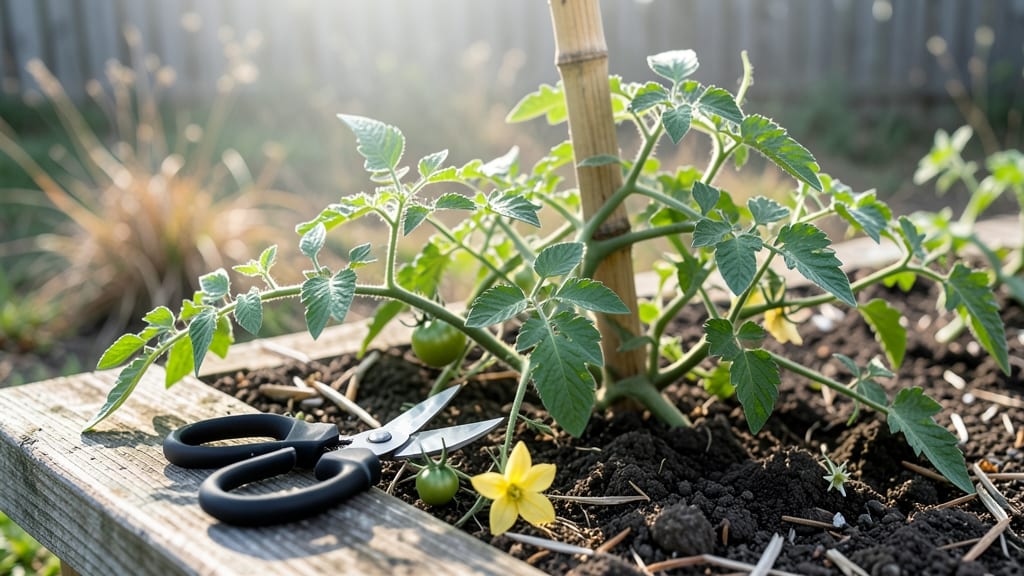
Pinching off tomato flowers isn't cruel—it's the secret to bigger, sweeter tomatoes that taste like summer. 🌱 I learned this the hard way after harvesting a bushel of tiny, mealy tomatoes that barely ripened.
The science is simple: removing early blooms forces the plant to focus energy on fewer fruits, resulting in beefier vines and more intense flavor.
You only need clean pruners or your fingers, a sunny morning, and about 10 minutes per plant.
The key is timing: wait until the plant has at least 6-8 leaves before touching any flowers, and focus on removing clusters below the first fruit set (the first 2-3 blooms that form fruit). This method works best for indeterminate varieties like Sungold or Cherokee Purple.
What you'll end up with is tomatoes the size of softballs, packed with juice and flavor that rivals store-bought in a blind taste test. The plants grow stronger, resist disease better, and produce fruit later in the season when heat waves don't stress them.
It's worth the temporary sacrifice of early blooms—trust me, your taste buds will thank you.
This technique works for container tomatoes too, though you'll need to adjust for smaller plants. Just scale back the pruning to avoid over-stressing them. Once you've mastered the basics, you can experiment with partial pruning for a balance between quantity and size.
The first harvest will change how you think about tomato growing forever.
📚 In This Guide
- What you need
- Instructions
- Tips and common mistakes
- Wrapping up and next steps
What you need
- ● Tomato plants: Healthy, thriving plants (determinate or indeterminate varieties). Aim for young plants (4–6 weeks old) or established ones with 3–5 true leaves before flowering.
- ● Pruning shears or clean scissors: Sharp, sterilized tools (or even your fingers for small jobs). Avoid dull blades to prevent plant damage.
- ○ Gloves (optional but recommended): Lightweight gardening gloves to protect hands from thorns and dirt.
- ● Disinfectant (e.g., rubbing alcohol or bleach solution): 1 part bleach to 9 parts water—sterilize tools before and after use to prevent disease spread.
- ○ Garden twine or stakes (optional): For indeterminate varieties to support stems as they grow taller.
- ● Timing: Pinch flowers when plants are 4–6 inches tall (before they bloom). For indeterminate tomatoes, repeat every 2–3 weeks until the first fruit sets.
- ● Weather: Perform the task on a dry, sunny day to minimize stress on the plant and reduce disease risk.
- ● Know your variety: Indeterminate tomatoes need pruning; determinate varieties (bush types) typically don’t require this step.
Step-by-Step guide for pinching tomato flowers to improve harvests
Here’s how to control tomato growth for bigger, tastier fruit—no fancy tools needed.
🌱 Step 1: Identify the Right Time to Pinch
Wait until your tomato plant has developed 3-5 true leaves and is at least 12 inches tall. This ensures the plant has enough energy to support both growth and fruit production. Early pinching stresses young plants, so hold off until they’re sturdy. Look for the first flower cluster—this is your cue to act.
Check the plant’s stem for small yellow buds (future flowers) that haven’t yet opened. These are the ones to remove. If you see open blooms, it’s too late for this cycle—they’ll already be setting fruit. Pinching works best on new growth before flowers fully form.
✂️ Step 2: Remove Flowers with Clean Cuts
Use your fingers or clean pruning shears to gently pinch off the flower clusters. For small buds, a simple pinch at the stem works—no need for tools. If the stem is thick, snip just above the flower cluster to avoid damaging the main stem. You’ll feel resistance as you break the stem; this confirms you’ve removed the flower entirely.
Focus on the first 2-3 flower clusters near the base of the plant. These early blooms often produce small, underdeveloped fruit. Removing them redirects the plant’s energy to later flowers, which will grow larger and sweeter. Avoid pinching more than one-third of the plant’s flowers at once—this can shock the plant.
☀️ Step 3: Monitor Growth and Adjust as Needed
After pinching, watch for new leaf growth within 7-10 days. Healthy leaves should be dark green and firm, indicating the plant is recovering well. If leaves yellow or wilt, you may have removed too many flowers—slow down next time. Keep the plant in full sun (6+ hours daily) and water deeply at the base to support regrowth.
Repeat the process every 2-3 weeks as new flower clusters form. Focus on suckers (side shoots) and lower flowers first, then move upward. This method works best for indeterminate tomatoes (like heirlooms), which grow continuously. Determinate varieties (bush tomatoes) rarely need pinching, as they produce fruit in one cycle.
🌿 Step 4: Support the Plant for Maximum Yield
Once you’ve pinched off early flowers, stake or cage the plant to prevent sprawling. Use the 1-gallon tomato cages or bamboo stakes to keep the stem upright. This ensures energy goes into fruit production rather than flopping vines. Tie the main stem loosely to the support with soft plant ties every 4-6 inches as it grows.
Fertilize with balanced organic fertilizer (like 10-10-10) 2 weeks after pinching to replenish nutrients. Look for new flower clusters forming higher on the plant—these will develop into your largest, most flavorful tomatoes. Avoid over-fertilizing with nitrogen, which encourages leafy growth over fruit.
Tips & tricks for perfect tomato flower pinching
Here's what nobody tells you—these little tweaks make all the difference for bigger, sweeter tomatoes.
Timing is Everything: In Step 1, don't rush to pinch those first flowers! Wait until your plant has those 3-5 true leaves and is at least 12 inches tall—this ensures the plant has enough energy reserves. I learned this the hard way after pinching too early and stunting growth. The plant needs to be sturdy enough to handle the energy redistribution.
Visual Cues for Perfect Pinching: When you're ready to remove flowers in Step 2, look for those small yellow buds that haven't opened yet. These are your targets—they're still developing and won't produce quality fruit. The buds should feel slightly firm when you gently squeeze them. If you see any open blooms, it's too late for those flowers, but you can still focus on the new growth forming higher up.
Plant Recovery Strategy: After pinching, the 7-10 day recovery period in Step 3 is crucial. During this time, watch for new leaf growth as your signal that everything's working. If you notice yellowing leaves, you might have removed too many flowers at once—next time, limit yourself to just the first 2-3 clusters near the base. This gives the plant time to redirect its energy properly without getting overwhelmed.
Support System Matters: In Step 4, don't skip the staking! Use those 1-gallon tomato cages or bamboo stakes to keep your plant upright. I've seen tomato plants flop over after heavy rain, and all that energy went into trying to stay upright rather than producing fruit. Tie the main stem loosely every 4-6 inches—this support helps the plant focus its energy where it matters most.
Pro Tips for Pinch Off Tomato Flowers
- Here's what nobody tells you—these little tweaks make all the difference for bigger, sweeter tomatoes.
- Timing is Everything: In Step 1, don't rush to pinch those first flowers!
- Visual Cues for Perfect Pinching: When you're ready to remove flowers in Step 2, look for those small yellow buds that haven't opened yet.
Frequently asked questions
Got questions about pinching tomato flowers?
You’re not alone! Here are answers to the most common concerns—so you can grow bigger, tastier tomatoes with confidence.
Why should I pinch off tomato flowers at all?
Pinching encourages the plant to focus energy on fewer, larger fruits instead of producing a bunch of small ones. It also strengthens stems and improves flavor. For indeterminate varieties (like cherry tomatoes), this is key to avoiding overburdened plants and disease risks.
When is the best time to pinch tomato flowers?
For indeterminate tomatoes, pinch off the first few flower clusters when they’re still small (about 1–2 inches tall). For determinate tomatoes (bush types), you can skip this step—they naturally stop producing flowers after their main harvest. Timing tip: Wait until the plant is well-established (after 4–6 weeks of growth).
What if I miss the window to pinch flowers?
No stress! If flowers already appear, you can still prune future blooms. However, already-set flowers will develop into fruit. Focus on removing smaller, lower clusters first to redirect energy to the remaining blooms. Pro tip: Use sharp scissors to avoid damaging the plant.
Are there alternatives to pinching tomato flowers?
Yes! If you dislike pinching, try:
- Succession planting: Space out plantings to avoid overwhelming the plant.
- Prune lower leaves: Remove leaves touching the soil to improve airflow and reduce disease.
- Use dwarf varieties: Some compact tomatoes (like ‘Tiny Tim’) produce fewer flowers naturally.
Will pinching hurt my tomato plant?
Not if done correctly! Over-pruning can stress the plant, but removing only the first few clusters is safe. Indeterminate tomatoes thrive with this method, while determinate types rarely need it. Watch for: yellowing leaves (over-pruning) or weak stems (under-support). Adjust as needed!
Wrapping up and next steps
Pinching off tomato flowers is a simple yet powerful technique to elevate your harvest—bigger, sweeter fruits and healthier plants are absolutely within reach! 🌱 Whether you're a seasoned gardener or just starting, this method proves that a little effort yields big rewards.
Now that you’re armed with the know-how, grab those shears and give your tomatoes the care they deserve.
Next Steps:
- 🌿 Monitor your plants—watch for new flower clusters and repeat the process as needed.
- 📅 Plan ahead—start early in the season to maximize fruit development.
- 💬 Share your success! Tag us in your garden pics—we’d love to see your bountiful tomatoes!