
Flowers
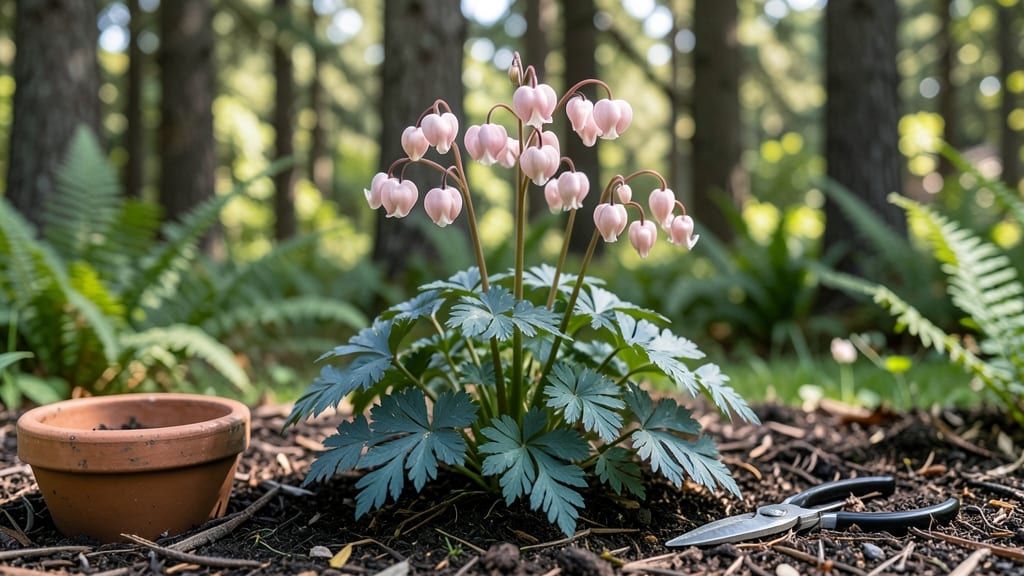
The bleeding heart flower thrives in the Pacific Northwest's cool, damp climate—its delicate pink hearts bloom reliably even after winter's harshest freezes. I've grown them for years in my shaded garden, and they've become my go-to for spring color.
Their fern-like foliage adds texture long before the flowers appear, making them a year-round performer in the right spot.
These plants love moist, well-draining soil rich in organic matter, and they prefer partial shade—think dappled sunlight through trees. Plant them in early fall or spring, spacing them 12-18 inches apart for that lush, cascading look.
Water consistently but avoid soggy roots, and you'll see those iconic heart-shaped blooms by late spring.
Once the flowers fade, don't rush to cut them back—let the foliage die back naturally. In early fall, trim it down to the ground, and your plants will reward you with fresh growth next season.
A light layer of mulch helps retain moisture and keeps roots cool, which is especially important during our dry summers.
Yellowing leaves? Usually a sign of too much sun or inconsistent watering. Move them to a shadier spot and water deeply once a week. With proper care, these frost-resistant beauties will return year after year, proving they're worth the patience. Let's get yours planted!
📚 In This Guide
- What you need
- Instructions
- Tips and common mistakes
- Wrapping up and next steps
What you need
- ● Bleeding heart plants: 3–5 Dicentra spectabilis plants (bare-root, potted, or seeds)
- ● Frost-resistant varieties: Look for 'Alba', 'Gold Heart', or 'Valentine' (all thrive in zones 3–9!).
- ● Soil: 2–3 bags of well-draining, organic-rich soil (or composted topsoil)
- ● 1 bag peat moss or coconut coir (for moisture retention)
- ● Location: Partial to full shade (dappled sunlight is ideal)
- ● Moist, humus-rich soil (PNW’s acidic soil is perfect!)
- ● Gardening tools: Trowel or hand shovel (for digging)
- ● Garden gloves (to protect your hands)
- ● Watering can or hose with a gentle spray nozzle
- ○ Optional (but helpful!): Mulch (e.g., shredded bark or wood chips) to retain moisture
- ● Slow-release fertilizer (balanced 10-10-10 or organic options like fish emulsion)
- ● Plant stakes or cages (if your variety tends to flop)
How to grow bleeding heart flowers in the Pacific Northwest
Here's the straightforward approach I've used for years to establish thriving bleeding heart plants that survive our chilly, damp winters.
🌱 Step 1: Choose the Right Varieties for Cold Climates
For the Pacific Northwest's USDA zones 6-8, select varieties like 'White Prospect', 'Pink Heart', or 'Davidii'—these handle our cool summers and wet winters better than tender types. I always buy established plants from local nurseries in early spring rather than starting from seed, since bleeding hearts take 2-3 years to bloom from seed and our short growing season doesn't give them enough time.
Look for plants with multiple buds already forming at the base—these will bloom sooner. The key is selecting well-rooted bareroots or container-grown plants with healthy foliage. Avoid anything with yellow leaves or mushy stems, as these signs indicate root rot from poor storage.
🪴 Step 2: Prepare the Planting Site with Rich, Moist Soil
Bleeding hearts thrive in partial to full shade with 6-8 hours of morning sun—perfect for our NW understory conditions. Choose a spot with well-draining but moisture-retentive soil (they hate soggy roots but need consistent water). I always amend the native soil with 3 inches of compost and a handful of bone meal for phosphorus before planting.
Dig holes twice as wide as the root ball but only as deep as the container's root level. Gently loosen the roots if they're circling in the pot—this encourages outward growth. Space plants 18-24 inches apart to allow for their lush, mounding habit. The reason for this spacing is to prevent fungal diseases that spread through crowded foliage in our damp climate.
☀️ Step 3: Plant and Water for Immediate Establishment
Place each plant in its hole and backfill with native soil mixed with compost. Press gently around the base to eliminate air pockets, but don't compact the soil—bleeding hearts have delicate roots that need room to expand. Water deeply immediately after planting to settle the soil and eliminate air gaps.
Keep the soil evenly moist for the first 4-6 weeks—this is critical for root establishment. I use mulch (the 2 inches I apply) to retain moisture and protect roots from temperature swings. Water in the early morning to reduce evaporation and fungal risks. You'll know you're doing it right when the soil feels cool and damp 1-2 inches down.
✂️ Step 4: Maintain Through the Growing Season
Bleeding hearts are low-maintenance once established, but they do appreciate monthly feedings with a balanced 10-10-10 fertilizer in early spring and again after flowering. Cut back the old foliage in late fall or early spring before new growth appears—this prevents disease buildup over winter. I always wear gloves for this task because the foliage can irritate sensitive skin.
Watch for aphids on new growth—our mild winters mean these pests often appear early. Spray with neem oil at the first sign of sticky residue on leaves. Deadhead spent blooms to encourage a second flush of flowers, but leave some seed pods if you want more plants (they self-seed readily in our climate). The key is to keep the soil consistently moist but not waterlogged—bleeding hearts wilt quickly if they dry out.
⏰ Step 5: Protect Through Winter for Next Year's Blooms
Bleeding hearts are hardy to zone 3, but our Pacific Northwest winters can still stress them if they're not properly prepared. After the first hard frost, cut back the foliage to 2-3 inches above ground level. This prevents snow mold and reduces winter damage. Apply 3-4 inches of mulch (I use shredded bark) around the base to insulate roots.
In late winter, before new growth appears, remove the old mulch and add fresh compost. This gives the plants a nutrient boost as they break dormancy. You'll see new shoots emerge in late February to early March—this is your cue to start regular watering. The first year after planting, you might not get many blooms, but the roots will establish well for years of reliable flowering afterward.
Tips & tricks for Pacific Northwest frost-resistant bleeding heart varieties
Let me share the hard-won wisdom I've gathered after years of growing these delicate beauties in our damp, chilly climate.
Variety Selection Matters: When you're choosing between 'White Prospect', 'Pink Heart', or 'Davidii', pay close attention to the plant's overall health. Look for established plants with multiple buds already forming at the base—these will give you blooms within the first year. I've learned the hard way that bareroots with yellowing leaves or mushy stems often indicate root rot from poor storage, and those plants struggle to establish in our climate.
Soil Preparation is Non-Negotiable: The 3 inches of compost and handful of bone meal I mentioned in Step 2 aren't just suggestions—they're essential for creating the rich, moisture-retentive soil bleeding hearts crave. Our Pacific Northwest soil can be heavy and compacted, so I always test drainage by digging a hole and filling it with water. If it doesn't drain within 2-3 hours, you'll need to amend with more organic matter to prevent root rot. The key is creating that perfect balance between moisture retention and drainage.
Planting Depth and Spacing: Digging holes twice as wide as the root ball but only as deep as the container's root level might seem counterintuitive, but it's crucial for preventing root damage. When loosening circling roots, be gentle—you're not trying to break them, just encouraging outward growth. The 18-24 inch spacing might feel generous, but trust me, it's worth it to prevent fungal diseases that thrive in our damp climate. I've seen too many crowded plantings develop mildew issues.
Winter Protection Strategy: The 3-4 inches of mulch I recommend for winter isn't arbitrary—it's the difference between plants that survive and those that struggle. Shredded bark works best because it allows moisture to penetrate while insulating roots. After our first hard frost, I always cut back foliage to just 2-3 inches above ground level. This might seem drastic, but it prevents snow mold and reduces winter damage significantly. The compost refresh in late winter gives your plants the boost they need to break dormancy strong.
Pro Tips for Bleding Heart Flower
- Let me share the hard-won wisdom I've gathered after years of growing these delicate beauties in our damp, chilly climate.
- Variety Selection Matters: When you're choosing between 'White Prospect', 'Pink Heart', or 'Davidii', pay close attention to the plant's overall health.
- Soil Preparation is Non-Negotiable: The 3 inches of compost and handful of bone meal I mentioned in Step 2 aren't just suggestions—they're essential for creating the rich, moisture-retentive soil bleeding hearts crave.
Frequently asked questions
Got questions about bleeding heart flowers? You’re not alone! Whether you're a beginner gardener or a seasoned pro, these answers will help you grow stunning, frost-resistant varieties in the Pacific Northwest.
How cold can bleeding heart flowers tolerate?
Bleeding heart flowers (Dicentra spectabilis) are hardy to USDA Zones 3-9, making them perfect for the Pacific Northwest’s chilly winters. They thrive in temperatures down to -20°F (-29°C), though heavy snow or ice may require gentle brushing to protect their delicate foliage. Mulch helps insulate roots in extreme cold.
When is the best time to plant bleeding heart flowers?
Plant bleeding hearts in early spring or fall for optimal results. Spring planting (March–April) gives roots time to establish before summer heat, while fall planting (September–October) allows them to settle before winter. Avoid planting in mid-summer, as the heat can stress young plants.
Can bleeding heart flowers grow in shade?
One of their biggest perks is their love for shade. They thrive in partial to full shade (2–6 hours of sunlight daily) and even tolerate deep shade in wooded areas. Too much sun can scorch their leaves, so prioritize dappled light or filtered shade for best results.
Why aren’t my bleeding heart flowers blooming?
If your bleeding hearts skip blooming, check these common culprits:
- Too much sun or poor drainage can stress plants.
- Over-fertilizing (especially with high nitrogen) encourages foliage over flowers.
- Old plants may need dividing every 3–4 years to rejuvenate growth.
- Lack of winter chill (uncommon in PNW, but possible in mild microclimates).
What are some low-maintenance alternatives to bleeding heart flowers?
If bleeding hearts feel too fussy, try these Pacific Northwest-friendly shade-loving perennials:
- Hosta – Lush foliage, drought-tolerant once established.
- Astilbe – Feathery plumes, thrives in moist, shady spots.
- Lungwort (Pulmonaria) – Early blooms, spotted leaves, and deer-resistant.
- Japanese Painted Fern (Athyrium) – Gorgeous silver-and-green fronds.
Wrapping up and next steps
The bleeding heart flower is a stunning, frost-resistant gem perfect for the Pacific Northwest’s climate—easy to grow, low-maintenance, and brimming with charm! 🌸 Whether you’re a seasoned gardener or just starting, these varieties bring beauty and resilience to your outdoor space.
Now that you’re armed with the right materials and answers to common questions, it’s time to plant your vision.
Next steps:
- Pick your favorite bleeding heart variety—whether it’s the classic Dicentra spectabilis or a hardy hybrid.
- Mark your calendar for early spring planting (or fall in milder zones) to give roots time to establish.
- Share your progress with fellow gardeners—tag us in your blooming pics! 📸✨