
Size
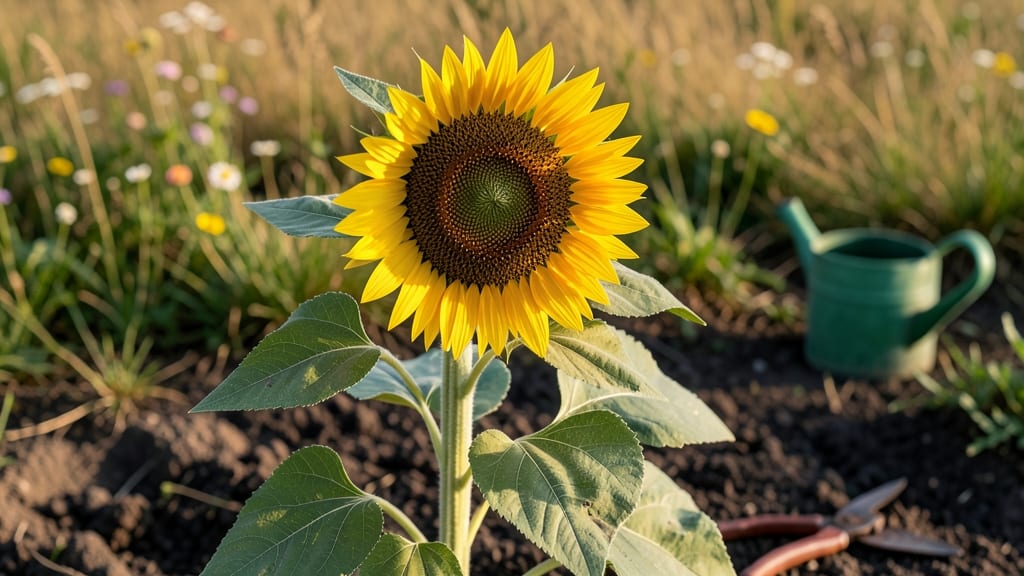
Sunflowers need six key factors to grow into those towering, cheerful giants we all love—sunlight, soil, water, space, support, and a little pest prevention know-how.
I’ve grown sunflowers from tiny seeds to 12-foot giants, and the difference between a scraggly stem and a sturdy, blooming powerhouse comes down to these basics. The first step? Planting them where they’ll get at least six to eight hours of full sun daily, no excuses.
Your soil should be loose, well-draining, and rich in nutrients—think of it as the foundation for a skyscraper. Amend heavy clay with compost or sand, and avoid soggy spots where roots can rot. Water deeply once a week (more in extreme heat), letting the soil dry slightly between waterings.
Overwatering is the fastest way to kill sunflowers, so check the top inch of soil before reaching for the hose.
Spacing matters too: give tall varieties 18 to 24 inches between plants, and dwarf types 12 inches apart. Stake or cage tall sunflowers early to prevent flopping, and watch for pests like aphids or beetles—spray with soapy water if you spot trouble.
With these basics nailed, you’ll see those iconic blooms in as little as 8 to 10 weeks from seed.
Bonus tip: deadhead spent blooms to encourage more flowers, and save seeds for next year. Whether you’re growing for cut flowers, birdseed, or just joy, sunflowers reward attention with bold color and height that brightens any garden. Ready to try?
📚 In This Guide
- What you need
- Instructions
- Tips and common mistakes
- Wrapping up and next steps
What you need
- ● Sunflower Seeds: Choose Helianthus annuus varieties (e.g., 'Mammoth,' 'Autumn Beauty,' or 'Teddy Bear' for dwarf types).
- ● Quantity: 10–50 seeds per plant, depending on desired spacing (see below).
- ● Well-Draining Soil: pH level: 6.0–7.5 (neutral to slightly alkaline).
- ● Mix in compost or aged manure (1–2 cups per planting hole) for nutrients.
- ● Planting Location: Full sun (6–8+ hours of direct sunlight daily).
- ● Spacious area: 12–24 inches apart (check seed packet for variety-specific needs).
- ● Watering Supplies: Garden hose or watering can with a gentle spray nozzle (sunflowers dislike soggy roots!).
- ○ Drip irrigation system (optional but helpful for consistent moisture).
- ○ Fertilizer (Optional but Helpful): Balanced 10-10-10 or 5-10-10 fertilizer (apply lightly at planting and mid-growth).
- ● Phosphorus-rich fertilizer (e.g., bone meal) boosts root and flower development.
- ● Hand trowel or small shovel (for digging planting holes).
- ● Gloves (to protect hands from thorns on mature plants).
- ○ Stakes or cages (optional, for tall varieties like 'Mammoth' to prevent toppling).
- ● Mulch (straw or shredded leaves) to retain moisture and suppress weeds.
Step-by-step guide to sunflower growth requirements
Sunflowers thrive when given the right conditions—here’s how to ensure they reach their full potential.
Provide Full Sun Exposure
Sunflowers demand at least 6-8 hours of direct sunlight daily—any less and they’ll grow leggy and weak. Choose a location with south-facing exposure or the longest stretch of sunlight your space offers. If planting in containers, place them where they won’t be shaded by nearby plants or structures.
Watch for yellowing leaves or stems stretching toward light—these are clear signs your sunflowers aren’t getting enough sun. If you notice this, move them immediately to a sunnier spot. In cooler climates, even morning sun paired with afternoon shade can work, but growth will be slower.
Plant in Well-Draining, Nutrient-Rich Soil
Sunflowers prefer loose, fertile soil with a pH between 6.0 and 7.5. Amend heavy clay soil with compost or aged manure to improve drainage and aeration. Avoid soggy ground—their roots rot easily if water pools around them.
Before planting, dig in 2-3 inches of compost into the top 6 inches of soil. Mix it thoroughly to ensure even distribution of nutrients. If your soil is sandy, add a bit of peat moss or coconut coir to help retain moisture without suffocating roots.
Water Deeply and Consistently
Sunflowers need 1-2 inches of water per week, but they’re drought-tolerant once established. Water deeply at the base rather than shallowly across the leaves to prevent fungal diseases. Let the top 2 inches of soil dry out between waterings to encourage strong root development.
Overwatering is a common mistake—yellowing leaves or wilting despite moist soil are signs of root rot. If this happens, reduce watering and improve drainage by adding sand or perlite to the soil. Mulching with straw or wood chips helps retain moisture while keeping roots cool.
Support Tall Varieties Early
Tall sunflower varieties (6 feet or taller) need staking or cages to prevent toppling in wind or rain. Install supports within 2-3 weeks of germination before stems become too rigid. Use bamboo stakes or tomato cages—whatever keeps them upright without restricting growth.
If you notice a stem leaning, tie it loosely to the support with soft twine or fabric strips. Avoid tying too tightly, as sunflowers grow quickly and need room to expand. Check supports weekly to ensure they’re still secure, especially after storms.
Fertilize Lightly for Strong Stems
Sunflowers don’t need heavy feeding, but a balanced 10-10-10 fertilizer applied at planting and again when they reach 12 inches tall promotes sturdy stems and vibrant blooms. Avoid high-nitrogen fertilizers—they encourage leafy growth at the expense of flowers.
If using organic options, fish emulsion or compost tea works well. Apply fertilizer only when soil is moist to prevent root burn. Stop fertilizing 4-6 weeks before harvest to ensure the best flavor and oil content in the seeds.
Monitor for Pests and Diseases
Sunflowers attract aphids, beetles, and birds, but most damage is superficial. Handpick larger pests or spray with neem oil if infestations appear. Birds may peck at seeds—cover plants with lightweight netting if this becomes an issue.
Watch for powdery mildew (white fuzzy patches) or rust (orange spots) on leaves. Improve airflow by spacing plants 12-24 inches apart and avoid overhead watering. Remove infected leaves immediately to prevent spread. Healthy sunflowers rarely suffer from pests, so strong plants are your best defense.
Tips & tricks for thriving sunflower growth
Sunflowers are surprisingly resilient, but these small adjustments make all the difference between average blooms and showstopping plants.
Sunlight Strategy: While the instructions mention 6-8 hours of sunlight, I've found that positioning sunflowers to catch the morning sun and afternoon shade in hot climates actually prevents leaf scorch while still delivering the full light exposure they crave. In urban areas with limited space, consider reflective surfaces like white walls or mirrors to redirect sunlight onto containers.
Soil Preparation Insight: The recommended 2-3 inches of compost is a great baseline, but I've had the most success when I mix in a handful of crushed eggshells for calcium—this strengthens stems and prevents blossom-end rot. For sandy soils, adding perlite at a 1:1 ratio with compost creates the perfect balance of drainage and moisture retention.
Watering Wisdom: The 1-2 inches weekly guideline works well, but I've learned to adjust based on rainfall. Use a rain gauge or tuna can to measure precipitation—if you've had 1 inch of rain, you can reduce your watering by half. For container-grown sunflowers, I check soil moisture daily by sticking my finger 2 inches deep; if it's dry, it's time to water.
Support System: When installing those bamboo stakes within 2-3 weeks of germination, I like to bury them at least 6 inches deep for stability. For especially windy areas, I've found that using two stakes per plant—positioned diagonally—creates a more secure anchor. The loose tying technique is crucial; I use old fabric strips from thrift stores that stretch as the plant grows.
Pro Tips for What Do Sunflowers Need To Grow
- Sunflowers are surprisingly resilient, but these small adjustments make all the difference between average blooms and showstopping plants.
- In urban areas with limited space, consider reflective surfaces like white walls or mirrors to redirect sunlight onto containers.
- For sandy soils, adding perlite at a 1:1 ratio with compost creates the perfect balance of drainage and moisture retention.
Frequently asked questions
Got questions about growing sunflowers? You’re not alone! Here are some of the most common concerns—plus quick, actionable answers to keep your sunflowers reaching for the sky.
How long do sunflowers take to grow from seed to full bloom?
Sunflowers are fast growers! Most varieties sprout within 7–14 days and reach maturity (full bloom) in 80–120 days, depending on the type. Giant varieties like ‘Mammoth’ take longer (up to 150 days), while dwarf types bloom in as little as 60 days. Plant early for a summer-long show!
Can sunflowers survive frost? What if it freezes?
Young sunflower seedlings are frost-sensitive—wait until soil temps hit 50°F (10°C) before planting. Mature plants can tolerate light frosts (28°F/-2°C), but heavy freezes (20°F/-7°C) may damage stems. For early starts, use row covers or grow in containers to move indoors if needed.
Why are my sunflower leaves turning yellow?
Yellowing leaves usually signal overwatering or nutrient deficiencies. Check soil moisture—sunflowers hate soggy roots! If leaves curl or drop, it’s often powdery mildew (spray with neem oil) or nitrogen deficiency (add compost or a balanced fertilizer). Avoid wetting foliage to prevent fungal issues.
Do sunflowers need full sun? What if I only have partial shade?
Sunflowers thrive in 6+ hours of direct sunlight daily. In partial shade (4–6 hours), they’ll grow taller but may produce smaller blooms. For shady spots, choose dwarf varieties like ‘Teddy Bear’ or supplement with grow lights. Even a few hours of morning sun helps!
Why aren’t my sunflowers blooming? What’s wrong?
No blooms? Check these fixes:
- Not enough light: Move to sunnier spot.
- Overcrowding: Thin seedlings to 12–24 inches apart.
- Too much nitrogen: Switch to a low-N, high-P fertilizer (like 5-10-10).
- Late planting: Sunflowers need long daylight hours (14+ hours) to bloom. Start seeds early!
Can I grow sunflowers in containers? What’s the best pot size?
Use pots at least 12–18 inches deep (bigger for giant varieties). Dwarf types like ‘Sunspot’ thrive in 5-gallon containers. Ensure pots have drainage holes and use lightweight potting mix. Place containers in full sun and fertilize weekly with liquid feed for best results.
Wrapping up and next steps
Growing sunflowers is a rewarding journey when you provide them with the right conditions—plenty of sunlight, well-draining soil, consistent watering, proper spacing, and a touch of patience! 🌻 Whether you’re a beginner or a seasoned gardener, these six key factors set the stage for tall, vibrant blooms that’ll brighten up your space.
Now that you know what sunflowers need to thrive, it’s time to grab your gloves, roll up your sleeves, and watch your garden come to life.
Ready to take the next step? Start by picking your sunflower variety, prepping your soil, and planting those seeds—your future sunflower giants are waiting! 🌱