
Flowers
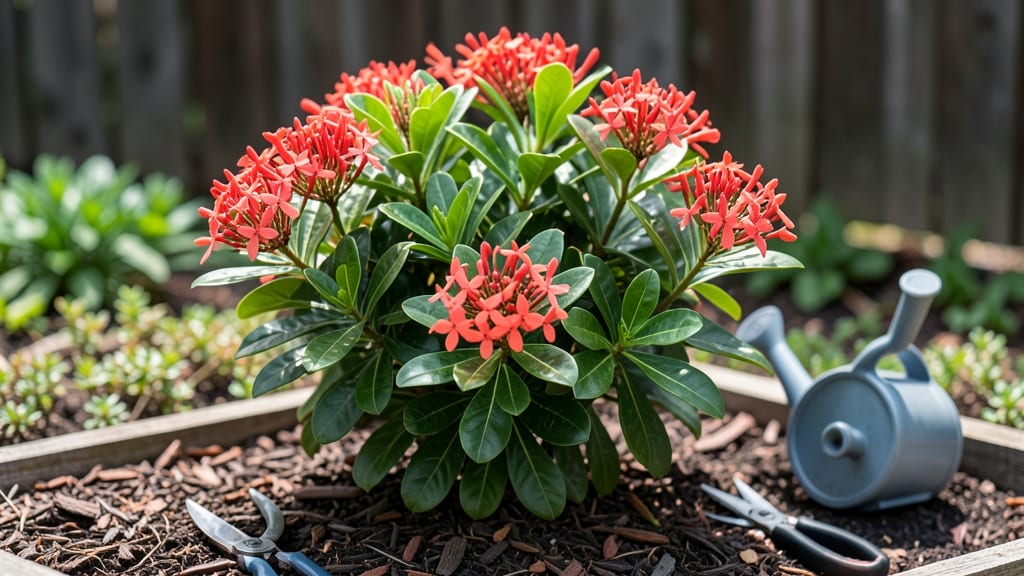
Nothing says "welcome to my garden" like a burst of tropical red flowers—especially when they thrive in our famously damp Pacific Northwest. 🌺 I’ve spent years testing which bold, fiery blooms can handle our cool summers and rainy winters, and these are the ones that never disappoint.
They don’t just survive; they command attention, turning even the driest corner into a sun-drenched oasis.
The key is choosing plants that balance tropical drama with PNW resilience. Think hibiscus with its velvety petals, bougainvillea that spills like a waterfall of color, or bird of paradise for that exotic twist.
These aren’t just pretty faces—they’re pollinator magnets, drawing hummingbirds and bees while adding year-round structure with their glossy foliage. And yes, they’ll bloom here, even if you’ve given up on "tropical" plants before.
Picture your garden in late summer: the air thick with the scent of jasmine, the hum of bees, and clusters of red so deep they look painted.
These flowers don’t just fill gaps—they create focal points, whether tucked into a Mediterranean-style border or planted as a bold statement against a dark green backdrop. The best part? They adapt to containers, raised beds, or in-ground plantings, so your space gets the drama without the fuss.
We’ll cover the top 5 tropical red flowers that actually thrive in our climate, plus how to pair them with native plants for a low-maintenance, high-impact look. No more "tropical" plants that wilt at the first sign of rain—just reliable, show-stopping color that works with (not against) our weather.
Let’s make your garden the envy of the neighborhood.
📚 In This Guide
- What you need
- Instructions
- Tips and common mistakes
- Wrapping up and next steps
What you need
- ● Tropical Red Flower Seeds or Plants: Choose from Hibiscus rosa-sinensis, Bougainvillea, or Heliconia (hardy varieties like Heliconia bihai work well in milder PNW zones). Buy 3–5 plants for a fuller display.
- ● Well-Draining Potting Mix: 1–2 cubic yards of a blend like 50% coconut coir, 30% perlite, 20% compost (avoid heavy clay soil—tropical flowers hate soggy roots!).
- ● Containers or Raised Beds: For potted plants: 5–10 gallon containers with drainage holes (terracotta or fabric pots work best).
- ● For in-ground planting: A sunny, sheltered spot (south-facing) with 6+ hours of light daily.
- ● Fertilizer: Balanced liquid fertilizer (10-10-10) for seedlings.
- ● Slow-release tropical bloom booster (e.g., Miracle-Gro Shake ’n Feed) for mature plants.
- ● Mulch: 2–3 inches of pine bark or straw mulch to retain moisture and regulate soil temp.
- ● Garden Tools: Trowel or small shovel
- ● Pruning shears (sterilized with rubbing alcohol)
- ○ Gloves (optional, but helpful for thorny plants like Bougainvillea)
- ● Watering Supplies: Watering can or hose with a gentle spray nozzle (tropical flowers prefer consistent moisture, not drought or flood).
- ○ Drip irrigation kit (optional, for automated care).
- ● Protective Barriers (if needed): Frost cloth (for late spring/early fall in cooler PNW zones).
- ● Windbreaks (bamboo stakes or mesh screens if your garden is exposed).
- ● Pollinator-Friendly Companions: Plant Salvia, Lantana, or Butterfly Bush nearby to create a pollinator buffet!
- ● Decorative Accents: Colorful garden stakes or tropical-themed pots to enhance your garden’s vibe.
- ● Soil pH Tester: Aim for a slightly acidic to neutral pH (6.0–7.0)—adjust with lime or sulfur if needed.
How to create a thriving tropical red flower pollinator garden
Here’s my approach to bringing bold tropical blooms to your Pacific Northwest garden while supporting local pollinators.
🌱 Step 1: Select the Right Tropical Red Flowers for Your Climate
Choose hardy tropical red flowers that thrive in the PNW’s cooler summers, like red canna lilies (Canna indica), tropical hibiscus (Hibiscus rosa-sinensis), or red salvia (Salvia coccinea). These varieties tolerate USDA Zones 8-10 and can be overwintered indoors or with heavy mulch. Avoid delicate tropicals like orchids—they won’t survive outdoor winters here.
Buy established plants from reputable nurseries (not seeds) to ensure they’re acclimated to your region. Look for plants with bright green leaves and multiple buds—this means they’re healthy and ready to bloom. If you’re starting from cuttings, root them in sphagnum moss under a humidity dome for 4-6 weeks before transplanting.
☀️ Step 2: Prepare the Planting Site for Warm-Loving Plants
Tropical red flowers need protected microclimates—pick a spot with morning sun and afternoon shade (especially in hotter summers). Amend the soil with 3 inches of compost and 1 inch of perlite to improve drainage, since tropical plants hate soggy roots. The PNW’s acidic soil may need a lime adjustment—test your soil first and add pelletized lime if needed.
Dig holes twice as wide as the root ball but only as deep—planting too deep can suffocate roots. Space plants 3-4 feet apart to allow airflow and prevent fungal diseases. Mulch with 2-3 inches of shredded bark to retain moisture and protect roots from temperature swings.
💧 Step 3: Water and Fertilize for Vibrant Blooms
Water deeply 2-3 times per week (more in summer) until the soil is damp 6 inches down. Tropical red flowers wilt dramatically when thirsty—don’t wait until leaves droop to water. Use a drip irrigation system or water at the base to avoid fungal issues from overhead moisture. In winter, reduce watering to once a week unless the soil is bone-dry.
Feed with a balanced liquid fertilizer (10-10-10) every 4-6 weeks during the growing season. For extra pollinator appeal, sprinkle native wildflower seeds around the base—bees and hummingbirds will flock to the combination. Avoid high-phosphorus fertilizers; they encourage leafy growth over flowers.
✂️ Step 4: Prune and Protect for Year-Round Interest
Deadhead spent blooms weekly to encourage continuous flowering. Prune leggy stems back by one-third in early spring to promote bushier growth. If your tropical red flowers struggle in winter, dig up canna lilies and hibiscus before the first frost and store their tubers in dry peat moss at 50-60°F. Salvia, being more cold-hardy, can stay planted with extra mulch.
Watch for aphids or spider mites—common pests on tropical plants. Spray infested areas with neem oil or introduce ladybugs for natural control. If leaves yellow, it’s often overwatering or nutrient deficiency—check drainage and adjust fertilizer. Real talk: Tropical red flowers in the PNW are a balancing act, but the pollinators will thank you.
Tips & tricks for perfect tropical red flower pollinator gardens
Between us, these plants are finicky but worth it—here’s how to give them the best shot at thriving in our PNW climate.
Microclimate Mastery: The morning sun/afternoon shade rule in Step 2 is non-negotiable, but I’ve found that adding a reflective surface (like a light-colored wall or gravel path) on the south side can boost warmth by 5-10°F—critical for tropicals. Also, avoid planting near large trees whose roots compete for moisture and nutrients.
Soil Science Secret: That 3 inches of compost recommendation? Double-check your soil’s organic matter first—PNW soils often need 5-7 inches of compost for proper drainage. I test with a simple screwdriver: if it sinks easily, your soil’s too dense. The perlite isn’t just for drainage—it also prevents soil compaction from our heavy winter rains.
Watering Wisdom: The 2-3 times weekly guideline works, but I’ve learned the hard way that morning watering (before 10am) prevents fungal issues from lingering moisture. For the base-watering technique, use a soaker hose—it delivers water directly to roots without wetting leaves, where fungal spores love to party.
Winter Survival Hack: When storing canna lilies and hibiscus tubers at 50-60°F, I wrap them in burlap sacks before placing them in peat moss. This mimics their natural dormancy conditions and prevents desiccation. For salvia, that extra mulch? Use straw instead of bark—it breaks down slower and provides better insulation against our cold, wet winters.
Pro Tips for Tropical Red Flower
- Between us, these plants are finicky but worth it—here’s how to give them the best shot at thriving in our PNW climate.
- Also, avoid planting near large trees whose roots compete for moisture and nutrients.
- Soil Science Secret: That 3 inches of compost recommendation?
Frequently asked questions
Got questions about adding tropical red flowers to your Pacific Northwest garden? Here are some common ones—and their answers—to help you grow with confidence!
What are the best tropical red flowers for PNW gardens?
The Heliconia (like Heliconia psittacorum), Bromeliads (e.g., Aechmea fasciata), and Canna lilies thrive in PNW’s mild summers. For hardier options, try Hibiscus rosa-sinensis or Plumeria rubra—both tolerate coastal climates with winter protection.
How do I protect tropical red flowers from PNW winters?
Most tropical red flowers need shelter from frost. Use mulch (straw or bark) around roots, burlap wraps for potted plants, or move them to a garage/porch (if container-grown). For Heliconia, cut back foliage and cover with insulated blankets—just uncover in spring!
Will tropical red flowers attract pollinators like hummingbirds?
Absolutely!
Bright red blooms (like Plumeria or Hibiscus) are hummingbird magnets. Pair them with Salvia or Lantana for a pollinator party. Just ensure flowers are easily accessible—avoid over-pruning and provide shallow water sources nearby.
Can I grow tropical red flowers in containers?
Yes! Containers work great for Bromeliads, Canna lilies, or Plumeria. Use well-draining soil (mix potting soil with perlite), a 12"+ pot (for larger plants), and drainage holes. Move pots to sunny spots in summer and sheltered areas in winter.
Why aren’t my tropical red flowers blooming?
Common culprits: insufficient light (they need 6+ hours of sun), over-fertilizing (stick to balanced fertilizer in spring/summer), or stress from temperature swings. Heliconia and Bromeliads may need humidity—mist leaves or use a pebble tray if air feels dry.
Are there low-maintenance tropical red flower alternatives?
If you want bold red blooms with less fuss, try Bougainvillea (drought-tolerant) or Crocosmia (perennial in PNW). For year-round color, Ixora (evergreen shrub) or Mandevilla (vining) are easier to care for than Heliconia.
Wrapping up and next steps
From the bold Hibiscus rosa-sinensis to the delicate Heliconia, tropical red flowers bring a burst of energy and life to Pacific Northwest gardens—even in cooler climates! These vibrant blooms aren’t just stunning; they’re powerful pollinator magnets, supporting bees, hummingbirds, and butterflies while adding warmth to your outdoor space.
Whether you’re a seasoned gardener or just starting, these flowers prove that color, resilience, and beauty can thrive together.
Ready to transform your garden? Start small—pick one or two red tropicals that suit your space, and watch your yard become a buzzing, blooming paradise! 🌺🐝 Which one will you bring home first?