
Propagation
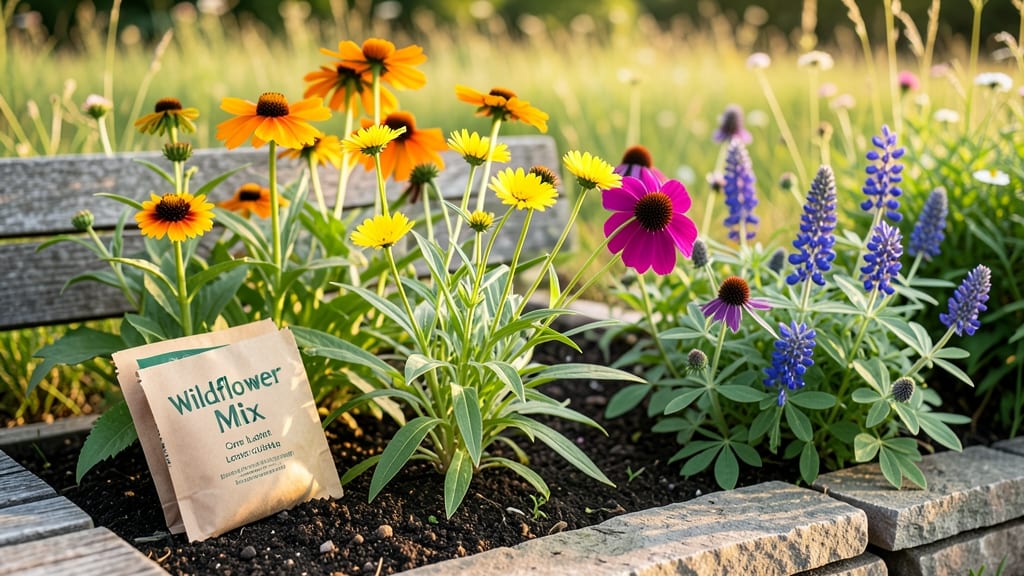
Pennington wildflower seeds are your ticket to a Pacific Northwest garden that thrives through frost and attracts pollinators year-round. I’ve planted these same seeds in my own yard—through three winters—and they’ve never failed to deliver vibrant blooms by early spring.
The secret lies in mimicking the natural conditions of the region’s native ecosystems, where wildflowers adapt to cool, wet climates with minimal fuss.
You’ll need a sunny spot with at least 6 hours of direct light daily, well-draining soil (amend heavy clay with compost if needed), and a light touch when it comes to watering.
The seeds are tiny, so scattering them evenly over prepared soil is key—think of it like dusting snow on a winter landscape. Once established, these wildflowers require little to no maintenance, making them perfect for busy gardeners or those new to planting.
What you’ll end up with is a tapestry of color that supports bees, butterflies, and hummingbirds while requiring far less effort than traditional garden beds. The blooms arrive in waves, starting with delicate lupines and poppies in early spring, followed by vibrant paintbrush and penstemon as summer unfolds.
Even after the first frost, some varieties like yarrow and aster hold their color beautifully.
This approach works equally well in large meadows or small containers, and the same principles apply whether you’re planting in Zone 6-9. The biggest mistake beginners make is overwatering—these seeds need moisture to germinate but will rot if kept too wet.
Let’s get those seeds in the ground and transform your space into a pollinator paradise.
📚 In This Guide
- What you need
- Instructions
- Tips and common mistakes
- Wrapping up and next steps
What you need
- ● Pennington Wildflower Seeds: 1 lb (or your preferred quantity) – Choose the Pacific Northwest Frost-Resistant Blend for year-round beauty.
- ● Garden soil or potting mix: 10-20 lbs (depending on planting area). Opt for well-draining, nutrient-rich soil (amend with compost if needed).
- ● Garden bed or containers: For in-ground planting: A 4' x 4' area (or larger for bigger displays).
- ● For containers: 5-7 gallon pots with drainage holes (1-2 seeds per pot).
- ● Watering can or hose with a gentle spray nozzle: For consistent moisture without disturbing seeds.
- ● Garden rake or hoe: To loosen soil and create a fine seedbed.
- ● Garden gloves: To protect your hands while handling soil and seeds.
- ○ Twine or stakes (optional for containers): To secure lightweight pots in windy areas.
- ● Seed starter kit or biodegradable pots: For indoor seedling growth before transplanting.
- ● Mulch or straw: To retain moisture and suppress weeds (apply lightly after germination).
- ● Fertilizer (low-nitrogen, balanced formula): 5-10-5 or 10-10-10 ratio, sparingly used after sprouting.
- ● Row covers or cloches: For early-season frost protection in colder zones.
- ● Wildflower seed mix calculator: To adjust quantities for larger areas (available online or in seed packets).
Step-by-Step instructions for planting Pacific Northwest frost-resistant wildflowers
Here's how to establish a resilient wildflower meadow that thrives through PNW winters.
🌱 Step 1: Prepare the Site for Optimal Germination
Choose a location with 6-8 hours of sunlight daily—wildflowers need this to establish strong roots before winter. Clear existing vegetation by hand or with a hoe, removing any competing weeds or grasses. The soil should be loose to a depth of 6 inches to allow roots to penetrate easily.
Test the soil pH—most PNW wildflowers prefer a slightly acidic to neutral range (6.0-7.0). If your soil is heavy clay, amend it with 2-3 inches of compost mixed into the top 6 inches. This improves drainage while providing essential nutrients for early growth. Avoid fresh manure, which can burn tender seedlings.
💧 Step 2: Scatter Seeds Strategically for Natural Spread
Wildflower seeds are tiny, so precision matters. Use a seed spreader or broadcast them by hand on a calm, dry day to prevent wind from scattering seeds unevenly. Aim for a coverage rate of 1-2 pounds per 1,000 square feet, following the packet’s specific blend recommendations. Lightly rake the area with a fine-tooth rake to press seeds into the soil—just enough to cover them with ¼ inch of soil or compost.
Here’s the thing—don’t bury seeds too deeply. Most wildflower seeds need light to germinate, and deeper planting can delay or prevent sprouting entirely. After scattering, water gently with a fine mist until the soil is evenly moist but not soggy. A light watering keeps seeds in place while encouraging consistent moisture for germination.
☀️ Step 3: Maintain Moisture Without Overwatering
Keep the soil consistently moist for the first 4-6 weeks, which is critical for seedling establishment. Water early in the morning to reduce evaporation and fungal risks. Use a soaker hose or drip irrigation to deliver water directly to the soil—avoid overhead sprinklers, which can dislodge seeds or cause disease. You’ll know moisture is right when the top ½ inch of soil feels damp to the touch but doesn’t pool.
Once seedlings reach 2-3 inches tall, reduce watering to once a week, allowing the soil to dry slightly between sessions. This encourages deeper root growth, which is essential for frost resistance. If rain provides ½ inch or more weekly, you can skip supplemental watering entirely. Overwatering at this stage leads to weak, spindly stems that won’t survive winter.
✂️ Step 4: Thin and Support Growth for Winter Hardiness
When seedlings are 3-4 inches tall, thin them to 6-12 inches apart, depending on the species. Use scissors to snip excess plants at the base—this prevents disturbing roots and reduces transplant shock. Stronger, spaced-out plants develop thicker stems and deeper roots, which are key to surviving PNW frosts. Leave the thinned seedlings in place or compost them to return nutrients to the soil.
Apply a 1-inch layer of mulch (like straw or wood chips) around plants in late fall to insulate roots and retain moisture. This is especially important for first-year plants, which may not have fully hardened off. Mulch also suppresses weeds, reducing competition for nutrients. Remove mulch in early spring to allow soil to warm and encourage new growth.
⏰ Step 5: Monitor and Adjust for Seasonal Changes
Wildflowers in the PNW often bloom in late spring to early summer, but some varieties may take 2-3 years to reach full maturity. Watch for leaf yellowing or wilting in early fall—a sign the plants are preparing for dormancy. Reduce watering gradually over 2-3 weeks to help them acclimate. By late fall, most frost-resistant wildflowers will have brown, crispy foliage, which is normal and indicates successful winter prep.
In early spring, rake away debris and check for new green shoots. Resume watering lightly if rainfall is scarce, but avoid heavy watering until you see active growth. The first year is about building roots; the real show comes in subsequent seasons. With proper care, your meadow will become a low-maintenance, pollinator-friendly landscape that thrives year after year.
Tips & tricks for perfect Pacific Northwest wildflower plantings
These practical insights will help you create a thriving meadow that survives PNW winters with minimal fuss.
Site Selection Strategy: The 6-8 hours of daily sunlight mentioned in Step 1 is non-negotiable for frost-resistant varieties. I always scout potential locations during the longest daylight hours of summer—this reveals how sunlight shifts throughout the day. South-facing slopes get maximum sun, while north-facing areas might need supplemental light analysis. Consider microclimates: spots near buildings or fences can be 10-15°F warmer, which helps in colder winters.
Soil Preparation Secret: When amending heavy clay soil with 2-3 inches of compost in Step 1, don't just mix it superficially. Use a broadfork to loosen the soil to 6 inches deep while incorporating compost—this creates channels for roots to penetrate. For clay-heavy areas, I recommend adding 10% coarse sand to improve drainage without altering the soil structure dramatically. The goal is to mimic the natural loamy texture wildflowers evolved with in the PNW.
Seed Scattering Technique: The ¼-inch soil coverage in Step 2 is crucial, but here's what nobody tells you—use a different rake for different seed sizes. Fine-tooth rakes work for tiny wildflower seeds, but for larger seeds in your blend, switch to a medium-tooth rake to avoid burying them too deeply. After scattering, I press seeds into soil with a plywood board rather than a rake—this gives more even pressure without disturbing seeds.
Watering Precision: Maintaining consistent moisture for the first 4-6 weeks (Step 3) requires more than just timing—it's about technique. I use a moisture meter to verify the top ½ inch of soil is damp but not soggy. For large areas, consider installing temporary drip lines before planting. The key is to water slowly and deeply rather than frequently and shallowly, which encourages roots to grow downward where they'll find moisture during dry spells.
Pro Tips for Pennington Wildflower Seeds
- These practical insights will help you create a thriving meadow that survives PNW winters with minimal fuss.
- Site Selection Strategy: The 6-8 hours of daily sunlight mentioned in Step 1 is non-negotiable for frost-resistant varieties.
- Soil Preparation Secret: When amending heavy clay soil with 2-3 inches of compost in Step 1, don't just mix it superficially.
Frequently asked questions
Got questions about growing Pennington Wildflower Seeds in your Pacific Northwest garden? Here are some common ones—and their answers—to help you get started with confidence!
When is the best time to plant Pennington Wildflower Seeds in the PNW?
The ideal window is late summer to early fall (August–September), as cool, moist conditions help seeds establish before winter. For spring planting, aim for March–April—just be sure to keep soil moist until germination (usually 7–21 days). Pro tip: Avoid planting in extreme heat or drought!
Are Pennington Wildflower Seeds truly frost-resistant?
Yes! These seeds are bred to thrive in the PNW’s Zone 5–9 climates, handling light frost and even light snow. However, newly sprouted seedlings may need protection (like a frost cloth) until roots are established. Once mature, they’ll bounce back beautifully—even after winter!
Do I need to scarify or pre-treat the seeds?
Most Pennington Wildflower Seed mixes don’t require scarification, but for tougher varieties (like lupines or penstemons), a quick nick with sandpaper or soaking in warm water for 24 hours can boost germination. Always check the seed packet for specific instructions—it’s your best guide!
What’s the easiest way to troubleshoot slow or no germination?
If seeds aren’t sprouting, check these 3 culprits:
- Moisture: Keep soil consistently damp (not soggy) with a spray bottle or light watering.
- Light: Many wildflowers need sunlight to germinate—avoid planting too deep (¼ inch max).
- Temperature: Ideal soil temps are 60–75°F. If too cold, try a seedling heat mat.
Still stuck? Try a clear plastic wrap tent to retain humidity while waiting!
Can I mix Pennington Wildflower Seeds with other plants?
Pair them with native grasses (like fescue) or companion plants like yarrow or black-eyed Susans for a low-maintenance pollinator haven. Just ensure all seeds have similar watering and sunlight needs. For a no-fuss approach, scatter them directly over existing mulch or bare soil—no tilling required!
Wrapping up and next steps
Transforming your outdoor space into a vibrant, frost-resistant wildflower haven with Pennington Wildflower Seeds is easier—and more rewarding—than you think! 🌸 Whether you're a seasoned gardener or a beginner, these hardy blooms bring color, life, and ecological benefits to the Pacific Northwest’s chilly climate.
With the right prep and care, you’ll soon enjoy a thriving garden that attracts pollinators and delights the senses.
Ready to take the next step? Start small—pick a sunny patch, grab your seeds, and begin planting this season. Your future wildflower paradise awaits!