
Size
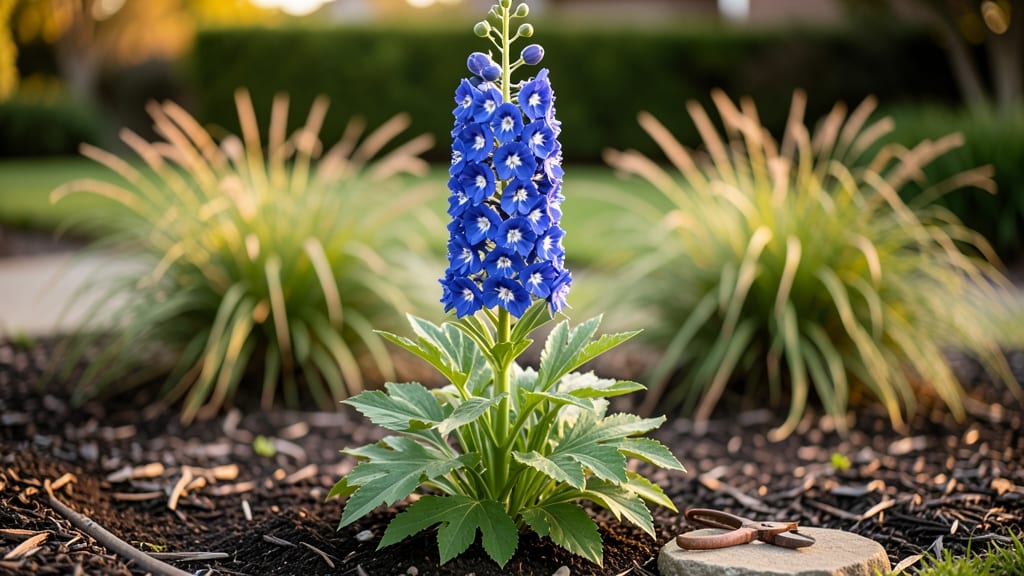
Tall spike flowers instantly lift your garden from flat to fabulous—imagine delphiniums shooting up like blue torches against a summer sky. 🌿 These vertical stars don’t just fill empty spaces; they create drama, frame views, and turn ordinary borders into showstoppers.
The key is choosing the right varieties for your space, whether it’s a 6-foot hollyhock anchoring a cottage garden or snappy snapdragons adding height to containers.
My go-to spikes include delphiniums for their airy, cloud-like blooms, hollyhocks for old-fashioned romance, and ornamental grasses like fountain grass for year-round texture. Pair them with shorter perennials—think lavender, salvia, or catmint—to let their height shine without overwhelming the scene.
The secret? Place them where they’ll cast shadows or frame pathways, turning them into natural garden art.
You’ll end up with a garden that feels taller, more structured, and impossibly lush—like a stage set for pollinators. Delphiniums attract bees in swarms, while grasses sway in the breeze, adding movement to still borders.
Even in small spaces, a single spike plant in a container creates instant impact, proving height doesn’t require width.
Works for any style—modern, cottage, or wild—just adjust the companions. Let’s design your vertical masterpiece!
📚 In This Guide
- What you need
- Instructions
- Tips and common mistakes
- Wrapping up and next steps
What you need
- ● Tall spike flower plants: 1-3 Delphinium (perennial, 3-6 ft tall)
- ● 1-2 Foxglove (Digitalis) (biennial, 2-5 ft tall)
- ● 1-3 Hollyhocks (Alcea rosea) (annual/perennial, 3-6 ft tall)
- ● 1-2 Snapdragons (Antirrhinum) (annual, 1-4 ft tall)
- ● 1-3 Cockscomb (Celosia) (annual, 1-3 ft tall, for bold texture)
- ● Soil amendments: 1 bag (15-20 lbs) well-draining potting mix or garden soil
- ● 1 lb compost or organic fertilizer (5-10-5 ratio)
- ○ Optional: Perlite or sand (for heavy clay soils)
- ● Containers or garden space: For containers: 5-gallon pots or large planters (12"+ depth) (1-2 per plant)
- ● For gardens: Full sun (6+ hours/day) or partial shade (4-6 hours)
- ● Basic gardening tools: 1 trowel
- ● 1 pruners (sterilized)
- ○ 1 garden gloves (optional but recommended)
- ○ Support structures (optional but helpful): 1-2 stakes or trellises (6+ ft tall, bamboo or metal)
- ● 1 roll garden twine (for securing spikes)
- ● Watering supplies: 1 watering can or hose with gentle nozzle
- ● 1 mulch (straw or shredded bark, 2-3 inches)
- ● Prerequisites: Knowledge of your USDA hardiness zone (most tall spikes thrive in zones 3-9)
- ● Patience! Some (like foxglove) take 2 years to reach full height.
Step-by-Step guide to designing with tall spike flowers
Here's how to transform any garden space with bold vertical drama.
🌿 Step 1: Assess Your Space and Sunlight Requirements
Start by measuring the height and width of the area you want to accentuate. Tall spike flowers like delphiniums, hollyhocks, or snapdragons typically reach 4-6 feet, so position them where they won’t block walkways or overpower nearby plants. I like to sketch a rough layout—this helps visualize how the vertical lines will interact with horizontal elements like ground covers or perennials.
Check sunlight exposure for at least 6 hours daily—most tall spike varieties thrive in full sun. If your garden has partial shade, opt for shade-tolerant options like foxgloves or tall garden phlox. Here’s the thing—skipping this step often leads to leggy, weak stems that flop under their own weight.
☀️ Step 2: Prepare the Planting Site for Stability
Dig a hole twice as wide as the root ball but only as deep. Tall spike flowers need strong anchorage to support their height, so amending the soil with 1-2 inches of compost (mixed into the top 6 inches of soil) improves drainage and nutrient uptake. I always tap the sides of the hole gently to break up compacted soil—this prevents root restriction as plants grow.
For container plantings, choose pots at least 12 inches deep with drainage holes. Fill the bottom third with gravel or perlite to prevent soggy roots, then add a slow-release fertilizer (like 10-10-10) mixed into the potting soil. The key here is stability—wind can topple tall stems if roots aren’t firmly established.
🌱 Step 3: Plant with Proper Spacing and Support
Space tall spike flowers 12-18 inches apart in rows or clusters, depending on the variety. Delicate stems like those of hollyhocks benefit from staking at planting—insert 3-foot bamboo stakes 2-3 inches from the plant and tie stems loosely with soft garden twine. This prevents damage to tender growth while allowing natural flexibility.
Water deeply after planting to settle the soil around roots, then mulch with 2-3 inches of organic mulch (like shredded bark) to retain moisture and suppress weeds. Here’s where it gets fun—watch the first true leaves emerge in 2-3 weeks. If leaves appear yellow, you’ve overwatered; if they’re pale, the plant needs more light.
✂️ Step 4: Prune and Maintain for Long-Stemmed Blooms
Deadhead spent blooms regularly to encourage continuous flowering and prevent seed formation, which drains energy from the plant. For tall varieties like snapdragons, pinch back the tips of young plants when they reach 6 inches to promote bushier growth. I’ve found that mid-summer pruning (cutting back by one-third) often triggers a second flush of blooms.
Fertilize lightly every 4-6 weeks with a balanced liquid fertilizer (like 5-5-5) during the growing season. Avoid high-nitrogen feeds—these encourage leafy growth at the expense of flower spikes. The goal is strong stems and abundant blooms, not lush foliage.
🪴 Step 5: Winterize and Plan for Next Season
After the first frost, cut back stems to 6 inches above the ground and mulch heavily with 4-6 inches of straw or leaves. This protects roots from freezing temperatures and prevents heaving. Most tall spike perennials (like delphiniums) are hardy, but annuals like cosmos should be removed entirely to avoid self-seeding where you don’t want them.
Take notes on what worked—like which varieties thrived in your sunlight or how much they spread. I jot down the height at maturity and bloom duration for each plant. This ensures you can replicate (or improve) next year’s display. Real talk: the best gardens evolve when you learn from each season.
Tips & tricks for perfect tall spike flower arrangements
Transforming your garden with vertical drama requires more than just planting—it's about strategic planning and maintenance. Here are the key insights that'll make all the difference in creating stunning, stable displays.
Site Selection Strategy: When assessing your space in Step 1, consider not just sunlight but also wind exposure. Tall spike flowers like delphiniums and hollyhocks need protection from strong winds that can cause stems to snap. I've found that planting near a fence or wall on the windward side creates a natural windbreak while still allowing full sun exposure. For containers, place them where they won't get jostled by foot traffic or pets.
Soil Preparation Secret: The compost-amended soil in Step 2 should be worked to a loose, crumbly texture—think "fluffy cake batter" consistency. I use a garden fork to aerate compacted soil before adding compost, which prevents root restriction. For heavy clay soils, mix in 1 part perlite to 3 parts compost to improve drainage while maintaining moisture retention. This combination gives your tall plants the stability they need without waterlogging their roots.
Staking System: For Step 3's staking, I've had the most success with 5-foot stakes (longer than the 3-foot recommendation) for varieties like delphiniums that grow taller than expected. Use soft plant ties instead of twine—they're gentler on stems and allow for natural movement in wind. Install stakes at planting and loosely tie stems as they grow to prevent damage to tender new shoots. This system creates a "training wheel" effect that strengthens stems over time.
Pruning Precision: The mid-summer pruning in Step 4 should target specific stems—cut back the oldest, most woody stems first to make room for new growth. For snapdragons, I look for stems that have already finished blooming and cut them back to just above a leaf node. This encourages branching and produces bushier plants with more flower spikes. The key is to prune in the morning so cuts have time to dry before evening dew sets in, reducing disease risk.
Pro Tips for Tall Spike Flowers
- Transforming your garden with vertical drama requires more than just planting—it's about strategic planning and maintenance.
- Site Selection Strategy: When assessing your space in Step 1, consider not just sunlight but also wind exposure.
- Soil Preparation Secret: The compost-amended soil in Step 2 should be worked to a loose, crumbly texture—think "fluffy cake batter" consistency.
Frequently asked questions
What are the easiest tall spike flowers for beginners?
Start with Snapdragons, Delphiniums, or Foxgloves—they’re hardy, fast-growing, and thrive in full sun. For low-maintenance options, try Hollyhocks or Russian Sage. Just ensure well-draining soil and consistent watering!
How long does it take for tall spike flowers to reach full height?
Most spike varieties grow 6–12 inches per week under ideal conditions. Delphiniums (3–6 ft) may take 6–8 weeks, while Snapdragons (2–4 ft) can bloom in 8–10 weeks. Check seed packets for specific timelines!
Do tall spike flowers need staking or support?
Yes! Many (like Sunflowers or Gladiolas) grow top-heavy and wobble. Use bamboo stakes, tomato cages, or floral rings for support. Plant stakes early to avoid disturbing roots as they grow.
Can I grow tall spike flowers in containers?
Choose deep pots (12+ inches) with drainage holes and a balanced fertilizer. Dwarf varieties like Miniature Snapdragons or Dwarf Delphiniums work best. Rotate containers occasionally for even sunlight.
Are tall spike flowers pollinator-friendly?
Most are! Delphiniums, Foxgloves, and Coneflowers attract bees, butterflies, and hummingbirds. For extra appeal, plant near neighborhood-friendly herbs like lavender or catmint. Avoid pesticides to keep pollinators thriving!
How do I overwinter tall spike flowers in cold climates?
Cut back dead foliage in fall, then mulch heavily (3–4 inches) with straw or leaves. Perennials like Hollyhocks or Russian Sage often resprout. For tender varieties, dig up tubers (like Gladiolas) and store in a cool, dry place.
Wrapping up and next steps
Tall spike flowers aren’t just eye-catching—they’re game-changers for adding drama, structure, and vertical interest to any garden.
Whether you’re a seasoned gardener or just starting out, these striking plants can transform even the smallest space into a lush, dynamic oasis. Ready to elevate your garden? Start by selecting a few of these standout varieties, then experiment with placement and pairings to create your own vertical masterpiece. 🌿✨
Next steps:
- Sketch a quick layout of your garden to visualize where tall spikes will shine.
- Visit a local nursery to pick out your favorites—don’t forget to ask about care tips!
- Share your progress (or final design) with fellow gardening enthusiasts for inspiration and feedback.