
Flowers
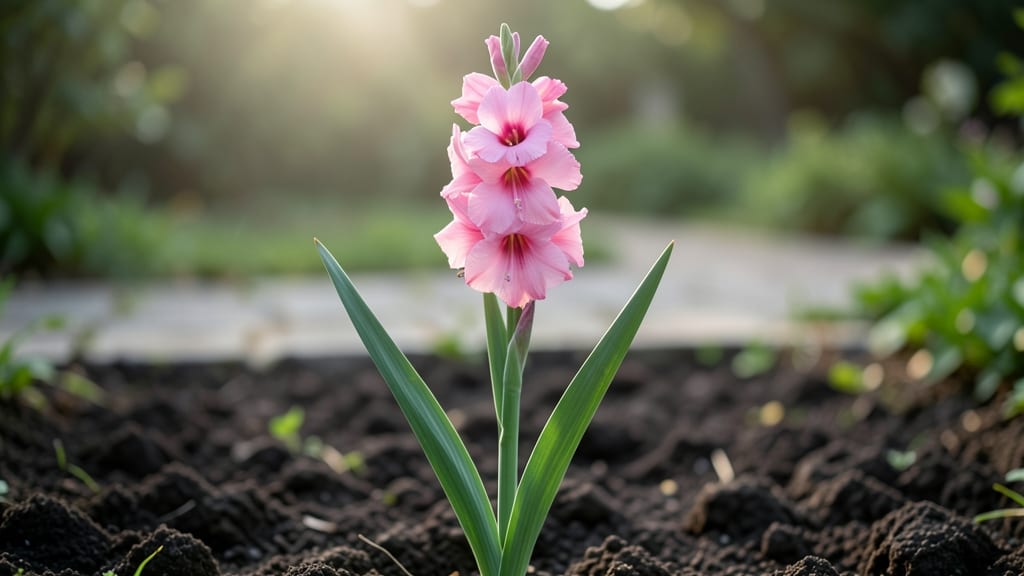
Pink gladiolus flowers turn any garden into a showstopper with their towering spikes of velvety blooms. 🌸 I’ve always loved how they command attention—whether planted in a dramatic border or tucked into a mixed container.
Their height makes them perfect for drawing the eye upward, creating that "wow" factor in any design.
Their 6-foot stems rise above most perennials, making them ideal for back-of-border planting or as a focal point in cottage-style gardens. Blooming from mid-summer to fall, they bridge the gap between heat-loving annuals and cool-season perennials, giving your garden a long-lasting punch of color.
Pair them with lavender, salvia, or dusty miller for a soft, romantic contrast.
Imagine a pink gladiolus standing tall against deep green foliage—it’s like a living sculpture. Their ruffled petals catch the light, adding texture and movement to any space. Whether you’re designing a cutting garden or a pollinator-friendly border, these flowers deliver drama with minimal effort.
Best of all, they thrive in full sun and well-drained soil, making them a low-maintenance choice for busy gardeners. With a little planning, you can create a garden that feels like a curated masterpiece—without the fuss. Let’s make your space unforgettable!
📚 In This Guide
- What you need
- Instructions
- Tips and common mistakes
- Wrapping up and next steps
What you need
- ● Pink gladiolus corms: 10–20 corms (depending on desired coverage; choose ‘Pink Parfait’ or ‘Attraction’ varieties for vibrant blooms).
- ● Well-draining soil: 1–2 bags of garden loam or potting mix (amended with compost for fertility).
- ● Sunlight: Full sun (6+ hours daily) in a sheltered spot.
- ● Watering can: 1–2 gallons capacity (for deep, infrequent watering).
- ● Fertilizer: Balanced 10-10-10 NPK or rose/flower-specific granules (1 lb per 10 sq ft).
- ● Garden trowel or spade: For planting corms 4–6 inches deep.
- ● Mulch (straw or pine needles): 2–3 inches thick to retain moisture.
- ● Stakes or supports: 1–2 bamboo stakes per plant (gladiolus grow tall!).
- ● Pruning shears: For deadheading spent blooms.
- ● Garden gloves: To protect hands while handling corms.
- ○ Optional: Slow-release fertilizer tablets or liquid bloom booster for extra drama!
How to plant and grow pink gladiolus for striking vertical impact
Here's how I transform gardens with these showstopper blooms—tall, dramatic, and effortlessly bold.
🌱 Step 1: Choose the Right Location and Prepare Soil
Pink gladiolus thrives in full sun—at least 6-8 hours daily—so pick a spot where they’ll receive unfiltered light. I avoid shady corners because those lead to weak stems and sparse blooms. The soil should drain exceptionally well; gladiolus roots rot quickly if they sit in soggy conditions.
Before planting, loosen the soil to a depth of 12 inches with a garden fork. Amend heavy clay with 2-3 inches of compost or well-rotted manure to improve aeration. I like to work in a handful of bone meal (about 1/2 cup per plant) at this stage—it provides phosphorus for strong root development and vibrant blooms. Avoid fresh manure, which can burn tender corms.
🪴 Step 2: Plant Corms at the Correct Depth and Spacing
Gladiolus corms should go in the ground 4-6 weeks before your last frost date—they need time to establish roots before summer heat arrives. Plant them 4-6 inches deep, with the pointed end facing upward. I use a trowel to create holes just wide enough to hold the corm without crowding; pressing soil too tightly around it can smother new growth.
Space corms 6-8 inches apart in rows 12-18 inches apart to allow airflow and prevent fungal diseases. If you’re planting in clusters for a dramatic display, stagger the rows slightly so blooms emerge at different heights. Water lightly after planting to settle the soil, but don’t drench it—overwatering at this stage can cause corms to rot before they sprout.
☀️ Step 3: Provide Consistent Care for Strong Stalks and Blooms
Once shoots emerge—usually within 2-3 weeks—water deeply once a week, soaking the soil to 8-10 inches deep. Gladiolus are thirsty plants, but they hate soggy feet. I check moisture by sticking my finger 2 inches into the soil; if it feels dry, it’s time to water. Mulch around the base with 2-3 inches of straw to retain moisture and suppress weeds, but keep mulch 2 inches away from the corm to prevent rot.
Fertilize lightly when shoots reach 6 inches tall with a balanced 10-10-10 fertilizer, using about 1 tablespoon per plant. Too much nitrogen early on encourages leafy growth at the expense of flowers. I switch to a low-nitrogen, high-phosphorus fertilizer (like 5-10-10) when buds form to promote blooming. Remove spent blooms promptly to redirect the plant’s energy into stronger stalks for next year’s growth.
✂️ Step 4: Support Stalks and Prepare for Winter
Tall gladiolus stalks often need support, especially in windy areas. I drive 3-4 foot bamboo stakes into the ground 6 inches from each plant and tie stems loosely with soft garden twine as they grow. Avoid tight ties—they can girdle stems as they thicken. When stalks reach 3 feet, I add a second stake for extra stability, especially if your garden gets gusty afternoons.
After the first frost blackens the foliage, cut back stems to 2 inches above the ground. Leave the corms in the soil over winter if your climate is mild (USDA zones 7-10). In colder zones, dig them up after foliage dies back, brush off excess soil, and store them in a cool, dry place (around 40-50°F) until spring. I label each corm with the variety—pink gladiolus come in so many shades, and you’ll want to remember which ones performed best!
Tips & tricks for perfect pink gladiolus planting
These game-changing insights will help you grow showstopping pink gladiolus that steal the show in any garden.
Sunlight Strategy: While the instructions call for 6-8 hours of direct sunlight daily, I’ve found that morning sun paired with afternoon shade in hot climates actually preserves bloom intensity. If your summers are brutal (think 90°F+), consider partial afternoon shade to prevent wilting—your plants will still get enough light while avoiding heat stress. The key is maintaining that 6-8 hour minimum without pushing them into afternoon heat exhaustion.
Soil Prep Secret: The 12-inch deep soil loosening in Step 1 is non-negotiable, but here’s what nobody tells you: mix in 1/4 cup of perlite with that 2-3 inches of compost for every 4 corms. This creates tiny air pockets that prevent the dreaded corm rot while still improving drainage. I’ve seen gladiolus thrive in heavy clay that would normally suffocate them—this simple tweak makes all the difference.
Planting Precision: When planting those 4-6 inches deep, I use a simple trick to ensure perfect depth: place the corm on top of a 3-inch tall brick before covering it. This guarantees consistent depth without guessing. Also, resist the urge to pack soil tightly around the corm—gentle firming is all you need. Too much pressure can actually smother the emerging roots before they get started.
Watering Wisdom: The once-a-week deep watering works beautifully, but here’s my pro move: water in the early morning so foliage has all day to dry. Wet leaves at night create the perfect conditions for fungal diseases like botrytis, which can ruin your blooms. I also check soil moisture at 2 inches deep by sticking my finger in—if it’s dry, water; if it’s still damp, wait one more day. This simple habit prevents both underwatering and overwatering.
Pro Tips for Pink Gladiolus Flower
- These game-changing insights will help you grow showstopping pink gladiolus that steal the show in any garden.
- Sunlight Strategy: While the instructions call for 6-8 hours of direct sunlight daily, I’ve found that morning sun paired with afternoon shade in hot climates actually preserves bloom intensity.
- Soil Prep Secret: The 12-inch deep soil loosening in Step 1 is non-negotiable, but here’s what nobody tells you: mix in 1/4 cup of perlite with that 2-3 inches of compost for every 4 corms.
Frequently asked questions
Got questions about growing or styling pink gladiolus flowers? You’re not alone! Here are the answers to the most common queries—from planting tips to troubleshooting—so you can confidently add these show-stopping blooms to your garden.
When is the best time to plant pink gladiolus bulbs?
Plant gladiolus corms in spring after the last frost (when soil reaches 60°F/15°C) or in early summer in warmer climates. Avoid planting too early—they need warmth to grow but can rot in cold, wet soil. For a continuous bloom, stagger plantings every 2–3 weeks!
How long does it take for pink gladiolus to flower?
With proper care, pink gladiolus typically bloom 8–12 weeks after planting. Early varieties may flower sooner (6–8 weeks), while late-season types take closer to 3 months. Keep soil moist but well-drained, and fertilize lightly every 3–4 weeks to encourage strong, vibrant blooms.
Can pink gladiolus grow in containers?
Gladiolus thrive in deep containers (at least 8–10 inches deep) with excellent drainage. Use a lightweight potting mix and place them in a sunny spot. Just be sure to divide and refresh the corms annually—they don’t tolerate being root-bound for long.
Why are my pink gladiolus leaves turning yellow?
Yellowing leaves usually signal overwatering, poor drainage, or fungal issues. Check soil moisture—gladiolus prefer moderately moist (not soggy) soil. If the problem persists, treat with a fungicide (like neem oil) and ensure airflow around plants. Pro tip: Remove any yellowed leaves promptly to prevent spread.
What are some creative ways to use pink gladiolus in floral arrangements?
Pink gladiolus are dramatic vertical stars! Try these ideas:
- Bouquets: Pair with ranunculus or dahlias for a lush, romantic look.
- Wedding centerpieces: Bundle 3–5 stems in a glass vase for height.
- Dried flowers: Hang upside-down in a dark, dry place to preserve their shape.
- Garden borders: Plant in odd-numbered clusters for a whimsical, cottagecore vibe.
Wrapping up and next steps
The pink gladiolus isn’t just a flower—it’s a statement piece that brings dramatic flair to any garden or bouquet. With its striking height, vibrant hue, and effortless elegance, it’s the perfect way to add vertical interest and bold color to your outdoor space.
Whether you’re a seasoned gardener or just starting out, these flowers reward your efforts with show-stopping beauty year after year.
Ready to transform your garden? Grab your supplies, follow the care tips, and let your pink gladiolus shine! For extra inspiration, browse local nurseries or explore hybrid varieties to find the perfect match for your vision. Happy planting! 🌸