
Flowers
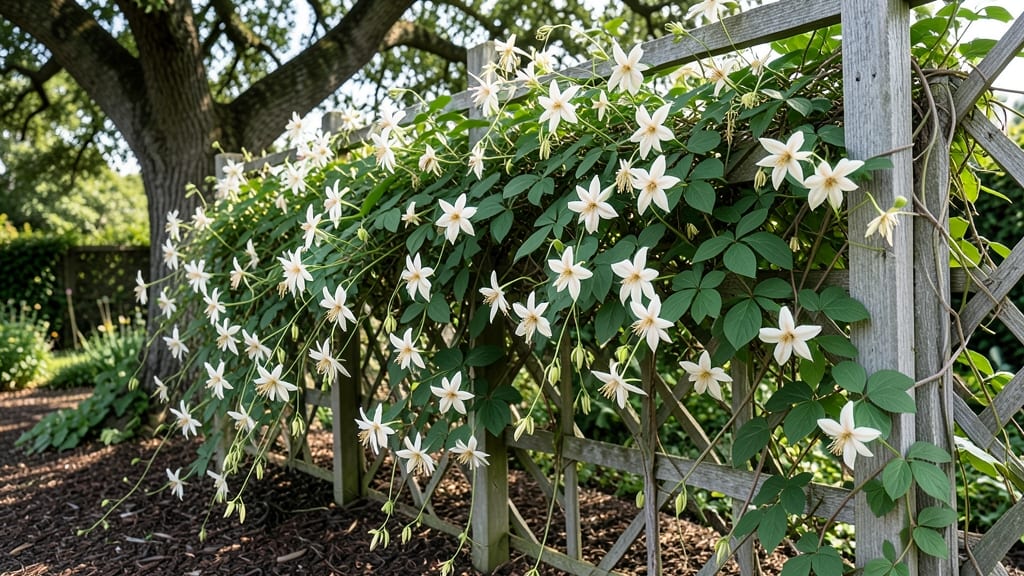
Frost-resistant perennial climbing flowers turn your Pacific Northwest garden into a lush vertical masterpiece that thrives year after year. 🌿 I’ve designed my own vertical gardens here, and the right climbers make all the difference—adding height, texture, and seasonal color without the annual replanting hassle.
These plants handle our damp winters and cool summers better than most, returning with vigor every spring.
The key is choosing varieties that love our climate, like clematis for late-summer blooms, hops for bold foliage, or goat’s beard for airy, feathery plumes.
Pair them with sturdy trellises or arbors, and you’ll create a living tapestry that attracts pollinators while adding drama to fences, walls, or even old wooden ladders. The best part? They grow taller each year, outshining annuals with their reliability.
Imagine purple clematis twining up a trellis beside silver-blue artemisia, or crimson climbing roses cascading over an arbor in early summer. These combos work year-round: spring’s fresh green leaves, summer’s vibrant blooms, and even winter’s seed heads or bare stems add texture.
You’ll get a garden that feels lush in every season, with minimal effort after the initial setup.
Whether you’re working with a small balcony or a sprawling backyard, these climbers adapt beautifully. Start with one or two standout varieties, then expand as you see what thrives best in your space.
The Pacific Northwest’s cool, moist climate is actually perfect for these hardy plants—once established, they’ll reward you with decades of effortless beauty.
📚 In This Guide
- What you need
- Instructions
- Tips and common mistakes
- Wrapping up and next steps
What you need
- ● Perennial climbing flowers: 1–3 Clematis (e.g., 'Jackmanii' or 'Niobe'—frost-hardy to USDA Zone 4!)
- ● 1–2 Honeysuckle (e.g., Lonicera sempervirens—evergreen & cold-tolerant)
- ● 1 Climbing Hydrangea (Hydrangea petiolaris—thrives in shade & frost)
- ● 1 Goat’s Beard (Aruncus dioicus)—for texture & pollinator appeal
- ● Support structures: 1–2 Arbors, trellises, or pergolas (6–10 ft tall, sturdy for heavy vines)
- ● Twine or soft ties (for guiding young vines—avoid wire that can cut stems)
- ● Soil & amendments: 50–100 sq ft of well-draining, slightly acidic soil (pH 6.0–7.0)
- ● 1–2 bags compost or peat moss (to improve moisture retention)
- ● 1 bag slow-release fertilizer (10-10-10 or organic options like fish emulsion)
- ● Tools: 1 Garden trowel (for planting)
- ● 1 Pruning shears (sterilized—dip in rubbing alcohol between cuts!)
- ● 1 Gloves (gardening or work gloves for protection)
- ● 1 Watering can or hose with a gentle nozzle
- ● Mulch (3–4 inches of wood chips or straw to insulate roots in winter)
- ● Drip irrigation system (for consistent moisture, especially in dry PNW summers)
- ● Frost cloth (lightweight, for young plants in late spring/early fall)
- ● Decorative accents (e.g., solar-powered lights, hanging planters for trailing companions like Fuchsia)
Step-by-step guide for establishing frost-resistant climbing perennials
Here’s how to create a thriving vertical garden that survives Pacific Northwest winters.
🌱 Step 1: Select and Prepare Planting Sites
Choose a location with 6+ hours of sunlight daily, sheltered from harsh winds—critical for frost resilience. I always scout spots where morning sun warms the soil but afternoon shade prevents afternoon heat stress. The root zone must stay slightly moist but never soggy, especially in winter.
Dig a hole twice as wide as the root ball to encourage outward root growth. Amend the native soil with 2-3 inches of compost mixed into the bottom third of the hole. This improves drainage while retaining moisture, which is essential for winter survival. Tap the soil gently after planting to eliminate air pockets around roots.
☀️ Step 2: Plant with Proper Spacing and Support
Space plants 3-5 feet apart, depending on mature size—crowding weakens stems and reduces airflow, increasing frost damage risk. Install trellises or arbor structures before planting to avoid disturbing roots later. I use galvanized metal or rot-resistant cedar for long-term durability in wet climates.
Plant each climbing perennial at the same depth it grew in its container. Press soil firmly around the base but avoid compacting it—roots need air. Water deeply immediately after planting to settle the soil and eliminate air gaps. Mulch with 2-3 inches of wood chips around the base (but not touching stems) to insulate roots during winter.
💧 Step 3: Water and Fertilize for Winter Hardiness
Water deeply once a week after planting, then taper to every 2-3 weeks in fall to encourage root deepening before dormancy. Overwatering in late summer can delay hardening off. I always check soil moisture by hand—it should feel damp 2 inches below the surface but not saturated.
Apply a balanced slow-release fertilizer (10-10-10) at planting time, then again in early spring. Avoid high-nitrogen fertilizers in fall—they promote tender new growth that won’t survive frost. Instead, focus on phosphorus and potassium to strengthen cell walls and improve cold resistance.
⏰ Step 4: Prune and Protect for Winter Survival
After the first hard frost, cut back any dead or damaged foliage to 6-12 inches above ground level. This prevents disease buildup and redirects energy to root systems. I always prune on a dry day when temperatures are above 40°F to avoid shocking the plant.
For extra protection, wrap young plants with burlap or frost cloth during extreme cold snaps. Remove it on sunny days to prevent overheating. Established plants typically handle frost well, but new growth benefits from this extra shield. Monitor for ice buildup—shake it off gently to prevent stem damage.
🌿 Step 5: Spring Revival and Training
Remove winter wraps in early spring once daytime temperatures consistently stay above 45°F. New growth will appear within 2-3 weeks—watch for the first flush of leaves as your cue to resume regular care. Prune again to shape plants and encourage bushier growth.
Train vines along supports as they grow, tying them gently with soft twine or plant clips. This prevents wind damage and ensures even sunlight exposure. I always check for pests like aphids or spider mites at this stage—early intervention keeps plants healthy for their first full growing season.
Tips & tricks for perfect perennial climbing flowers
These game-changing strategies will help your vertical garden thrive through Pacific Northwest winters—and beyond!
Location Intelligence: That 6+ hours of sunlight is non-negotiable, but here's the secret: prioritize morning sun exposure first. Morning sunlight warms the soil gradually, which helps roots establish before afternoon shade kicks in. I've found that north-facing walls with afternoon shade actually perform better than south-facing spots that get scorched in summer but freeze too quickly in winter.
Soil Science: When amending with 2-3 inches of compost, don't just dump it in—mix it thoroughly into the bottom third of the hole. This creates a moisture-retaining layer where roots will establish first. I like to add a handful of perlite to the mix for extra drainage, especially in heavy clay soils common in the PNW. The key is creating that perfect balance between moisture retention and oxygen flow for roots.
Winter Protection Hacks: For those extreme cold snaps, I've found that wrapping plants with burlap works better than frost cloth in windy conditions. The burlap allows some airflow while still providing insulation. And here's a pro move: add a layer of straw or leaves over the wood chip mulch for extra insulation—it creates a mini thermal blanket that can raise soil temperatures by several degrees during freezes.
Spring Revival Timing: That 45°F threshold for removing winter wraps is your golden cue, but don't rush it! I wait until daytime highs consistently stay above 45°F for at least 5 days in a row. This prevents frost damage to tender new growth. You'll know you're ready when you see the first signs of bud swell—those little green tips popping through the soil are your reward for all that winter prep work.
Pro Tips for Perennial Climbing Flowers
- These game-changing strategies will help your vertical garden thrive through Pacific Northwest winters—and beyond!
- Location Intelligence: That 6+ hours of sunlight is non-negotiable, but here's the secret: prioritize morning sun exposure first.
- Soil Science: When amending with 2-3 inches of compost, don't just dump it in—mix it thoroughly into the bottom third of the hole.
Frequently asked questions
Got questions about growing perennial climbing flowers in the Pacific Northwest? You’re not alone! Here are some of the most common concerns—and their straightforward answers—to help you create a thriving vertical garden that stands up to frost and rain.
What are the best frost-resistant perennial climbers for the PNW?
The Pacific Northwest’s cool, wet climate favors hardy climbers like Clematis (especially Clematis montana or Clematis armandii), Hydrangea petiolaris (climbing hydrangea), and Actaea simplex (Baneberry). These thrive in zones 5–8, handle frost, and offer long-lasting blooms. For extra insurance, choose varieties labeled "hardy" or "disease-resistant."
When is the best time to plant perennial climbers in the PNW?
Plant in early spring or fall—just as the soil is workable but before extreme heat or frost sets in. Spring planting (March–May) gives roots time to establish before summer, while fall (September–October) avoids drought stress. Avoid planting in mid-summer, as the heat can shock tender roots.
How do I support my climbing flowers without damaging them?
Use trellises, arbors, or strong wire cages designed for heavy vines. For delicate climbers like Clematis, opt for flexible supports (e.g., twine or soft mesh) to avoid abrasions. Secure the base of the structure sturdy—PNW winds can test even robust setups! Avoid plastic ties; use fabric strips or velcro to protect stems.
How do I protect my climbers during PNW freezes?
Most PNW-hardy perennials survive light frosts, but heavy freezes (below 10°F) may require extra care. Mulch heavily around the base with straw or wood chips, and wrap young plants in burlap or frost cloth. For container-grown climbers, move them to a sheltered spot or insulate pots with bubble wrap. Prune back damaged growth in early spring.
What can I plant instead of traditional climbers if I have limited space?
If vertical space is tight, try compact perennials with trailing habits, like Heuchera (coral bells), Lamium (dead nettle), or Ajuga (bugleweed). For height without bulk, Tiarella (foamflower) or Astilbe add texture and color. Even small shrubs like Weigela can climb a low trellis with gentle training!
Why are my climbing flowers dying back or not blooming?
Common culprits in the PNW include overwatering (root rot is a risk!), poor drainage (amend soil with compost), or insufficient sunlight (most climbers need 6+ hours of light). Check for pests like slugs or disease spots (e.g., powdery mildew). Prune dead growth in late winter and fertilize lightly in early spring to encourage blooms.
Wrapping up and next steps
Transforming your Pacific Northwest garden into a lush vertical paradise is easier—and more rewarding—than you think! Perennial climbing flowers like clematis, hops, and climbing roses offer year-round beauty, resilience against frost, and minimal upkeep.
With the right support structures and a little care, you’ll enjoy vibrant blooms that turn plain walls or fences into stunning green canvases.
Ready to get started? Pick one or two frost-resistant varieties that suit your space, gather your supplies, and let nature do the rest! Whether you’re a seasoned gardener or a beginner, these vertical stars will bring joy—and color—to your garden for seasons to come. 🌿✨