
Flowers
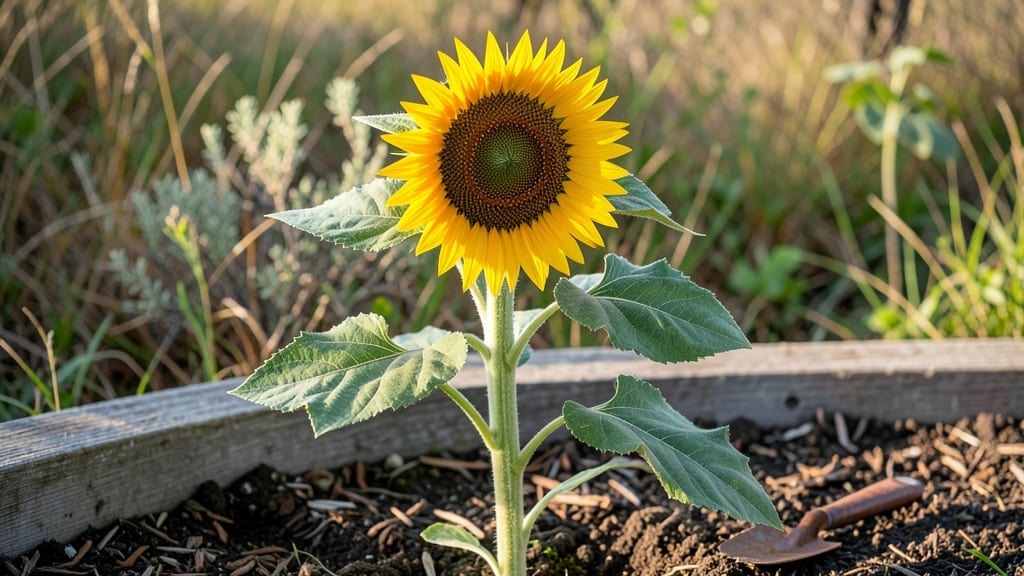
Growing sunflowers from seed is easier than you think—and the payoff is jaw-dropping. Those towering stems and golden faces don’t just happen; they come from a few simple steps that even black thumbs can master.
I’ve grown sunflowers in every season, from crisp spring mornings to late summer heat, and the secret isn’t complicated: timing, soil, and a little patience. The first sprouts appear in just 5-10 days, and by mid-summer, you’ll have stems reaching for the sky.
You’ll need sunflower seeds (the bigger, the better), loose, well-draining soil, and a spot that gets at least 6-8 hours of direct sunlight daily. No fancy tools—just a trowel, some water, and maybe a small cage if you’re growing tall varieties.
The real trick is planting depth: push seeds just 1-2 inches deep, with 12-18 inches between plants for dwarf varieties or 2-3 feet for giants. Water gently after planting, and keep the soil moist but never soggy.
By late summer, you’ll be harvesting those iconic seeds or cutting blooms for arrangements that last weeks in a vase. The stems stay sturdy, the petals hold their color, and the seeds—if left to dry—make for next year’s planting.
Even if you face slow growth or wilting, it’s usually fixable with a little extra water or shade on hot days. The best part? You can start seeds indoors in early spring or direct-sow as late as mid-summer for a fall harvest.
This method works for any sunflower lover, whether you’re growing a single showstopper or a full border. The key is adapting to your climate—cooler zones can try fall plantings, while warm areas might squeeze in a second crop.
Ready to turn your garden into a sunflower spectacle? Let’s get those seeds in the ground.
📚 In This Guide
- What you need
- Instructions
- Tips and common mistakes
- Wrapping up and next steps
What you need
- ● Sunflower seeds: Choose a variety suited to your climate (e.g., Mammoth for height, Teddy Bear for compact growth). Buy 1–2 lbs (450–900g) for a small garden or 5+ lbs (2.3+ kg) for larger plots.
- ● Well-draining soil: Sunflowers thrive in loamy, slightly acidic soil (pH 6.0–7.5). Amend clay or sandy soil with compost (2–3 inches) or aged manure.
- ● Fertilizer: Use a balanced, slow-release fertilizer (10-10-10 NPK ratio) or organic options like bone meal (1 tbsp per plant) at planting time.
- ● Watering can or hose: Sunflowers need 1–2 inches (2.5–5 cm) of water per week, especially during flowering.
- ○ Planting containers (optional for small spaces): Use 5-gallon pots (20 cm diameter) with drainage holes if growing in containers.
- ● Garden trowel or transplanting tool for digging holes (depth: 1 inch, spacing: 6–24 inches apart, depending on variety).
- ○ Gloves (optional but recommended for handling soil and seeds).
- ● Mulch (straw or wood chips): Apply a 2-inch layer to retain moisture and suppress weeds.
- ● Sunflower seedling heat mat (for early starts): Useful if planting in cool climates (below 50°F/10°C) to speed germination.
- ● Row cover or frost cloth: Protect young seedlings from late frosts (below 32°F/0°C) if extending the growing season.
- ● Trellis or stakes: For tall varieties (e.g., Russian Giant), use 6–10 ft (1.8–3 m) stakes to support stems.
- ● Bird netting: Protect seeds from squirrels and birds during flowering.
- ● pH testing kit: Ensure soil pH is optimal for sunflowers.
- ● Seed-saving envelope: Store dried seeds in a cool, dry place for next year’s planting.
How to grow sunflowers for continuous blooms all year
Here's the foolproof way to keep sunflowers flowering from spring to fall.
🌱 Step 1: Choose the Right Varieties for Seasonal Planting
Sunflowers bloom in 60-120 days depending on the variety, so select types that match your climate and planting schedule. For spring planting, choose early-maturing varieties like 'Autumn Beauty' or 'Teddy Bear' that finish in 60-75 days. These handle cooler soils better and avoid summer heat stress.
For summer and fall plantings, opt for heat-tolerant varieties like 'Russian Giant' or 'Moulin Rouge' that thrive in 75-85°F temperatures. These take 90-120 days to bloom, so plant them 8-10 weeks before your first frost date. I always check seed packets for days-to-maturity to avoid planting too late in the season.
🌱 Step 2: Prepare Soil and Plant at the Right Time
Sunflowers grow best in well-draining soil with a pH of 6.0-7.5. Work 2 inches of compost into the top 6 inches of soil before planting to provide nutrients for their deep taproots. If your soil is heavy clay, mix in sand or perlite to improve drainage—sunflowers hate soggy roots.
Plant seeds ½ inch deep and 6-12 inches apart in rows 18-24 inches apart. For year-round harvests, stagger plantings every 2-3 weeks from spring until 8 weeks before your first frost. This ensures a continuous supply of blooms. Water the soil to a depth of 1 inch after planting to help seeds germinate within 7-14 days.
☀️ Step 3: Provide Full Sun and Consistent Watering
Sunflowers need 6-8 hours of direct sunlight daily to grow strong and produce large blooms. If you're growing them in containers or urban spaces, place them in the sunniest spot available. Without enough light, stems grow weak and leggy, and flowers stay small. I always check for sun exposure patterns in my garden—some spots get morning sun but shade in the afternoon.
Water deeply 2-3 times per week, providing 1-2 inches of water each time. Focus on soaking the soil rather than frequent shallow watering—this encourages deep root growth. Once flowers appear, reduce watering slightly to 1-1.5 inches per week to prevent buds from splitting. Mulch around plants with 2-3 inches of straw or grass clippings to retain moisture and keep roots cool.
✂️ Step 4: Support Tall Varieties and Deadhead for More Blooms
Tall sunflower varieties like 'Russian Giant' can grow 10-12 feet high and need staking or support to prevent falling over. I use bamboo stakes or cages placed at planting time to avoid damaging roots later. For shorter varieties, a light trellis can help if winds are strong in your area.
To encourage more blooms and prolong flowering, deadhead spent flowers by snipping off the bloom head once it wilts. This redirects the plant's energy into producing new side buds. I always check plants weekly for faded blooms and remove them promptly. If you're growing sunflowers for seeds, leave 2-3 of the largest, healthiest blooms on the plant to mature fully.
🌿 Step 5: Harvest Seeds and Extend the Season
For seed harvest, wait until the back of the flower head turns brown and papery, and the seeds rattle when shaken. Cut the head off, hang it upside down in a dry, well-ventilated place, and let the seeds dry for 1-2 weeks. Once dry, rub the head to remove seeds, then store them in a cool, dark place for planting next season.
To extend the season, plant a final batch of seeds in late summer (if your climate allows) or start them indoors under grow lights 6-8 weeks before the last frost. This ensures fresh blooms even as temperatures drop. With strategic planting, you can enjoy sunflowers from early summer until frost—or even year-round in warm climates.
Tips & tricks for year-round sunflower harvesting
Here's what I've learned after growing sunflowers for continuous blooms—these little tricks make all the difference between a one-season wonder and a garden that keeps giving.
Variety Selection Beyond the Basics: While the instructions cover the main varieties, I've found that 'ProCut' sunflowers are perfect for cut flowers—they stay fresh for up to two weeks in a vase. For seed production, 'Mammoth' varieties yield the largest seeds but need more space. If you're growing in containers, choose dwarf varieties like 'Teddy Bear' that stay under 3 feet tall.
Soil Preparation for First-Time Growers: If your soil isn't ideal, don't panic—you can still get great results. For heavy clay soils, mix in equal parts sand and compost (about 2 inches each) to improve drainage. In sandy soils, add organic matter like leaf mold or well-rotted manure to help retain moisture. I always do a simple jar test before planting: fill a jar with soil and water, shake it, then let it settle. If the top layer stays cloudy, your soil drains well.
Watering Strategy for Different Stages: The 2-3 times per week watering guideline works well, but timing matters just as much. Water in the early morning so leaves have time to dry before evening—this prevents fungal diseases. When seedlings first emerge, keep the soil consistently moist but not soggy until they're about 6 inches tall. After that, you can follow the deep watering schedule. I've noticed that sunflowers actually wilt slightly in the heat of the day, even when properly watered—this is normal and they'll perk up in the evening.
Deadheading Technique That Works: When deadheading, use clean, sharp scissors or pruners to avoid damaging the stem. Cut just above a set of leaves or a side bud to encourage new growth. I've found that removing faded blooms every 3-4 days (instead of weekly) keeps the plant producing flowers more consistently. For seed-saving plants, leave the largest blooms that appear first—they'll develop the most mature seeds by harvest time.
Pro Tips for Sunflower Seeds How To
- Here's what I've learned after growing sunflowers for continuous blooms—these little tricks make all the difference between a one-season wonder and a garden that keeps giving.
- Variety Selection Beyond the Basics: While the instructions cover the main varieties, I've found that 'ProCut' sunflowers are perfect for cut flowers—they stay fresh for up to two weeks in a vase.
- Soil Preparation for First-Time Growers: If your soil isn't ideal, don't panic—you can still get great results.
Frequently asked questions
Got questions about growing sunflower seeds? You’re not alone! Here are answers to the most common queries to help you cultivate a thriving harvest—no matter the season.
When is the best time to plant sunflower seeds?
Sunflowers thrive in warm soil, so plant them after the last frost in spring (when soil temps hit 50°F/10°C). For year-round harvests, try succession planting every 2–3 weeks or experiment with fall plantings in mild climates (6–8 weeks before first frost). Just ensure they get full sun (6+ hours/day)!
How long does it take for sunflower seeds to sprout?
With proper moisture and warmth, sunflower seeds usually sprout in 7–14 days. Keep soil consistently moist (not soggy!) and place seeds ½ inch deep. If germination takes longer, check for cold soil or dry conditions. A heat mat can speed things up in cool climates!
Can I grow sunflowers in containers or small spaces?
Dwarf varieties (like ‘Teddy Bear’ or ‘Moulin Rouge’) thrive in 5-gallon pots with drainage. Use a lightweight potting mix and place containers in full sun. For vertical gardening, try trellises—though sunflowers aren’t climbers, they’ll lean gracefully toward support. Just ensure pots are 12+ inches deep for healthy roots.
Why aren’t my sunflower seeds germinating? Troubleshooting tips!
Try these fixes if seeds aren’t sprouting:
Soil too cold? Wait for warmer temps or use a seedling heat mat.
Too dry? Mist seeds daily until sprouts appear.
Old seeds? Test viability by soaking in water—if they sink, they’re still good!
Depth issue? Plant no deeper than 1 inch (½ inch is ideal).
Pests/fungus? Use a fungicide or re-pot in fresh soil.
Are sunflower seeds easy to grow in all climates?
Sunflowers are hardy but adaptable! They tolerate drought, heat, and poor soil but struggle in extreme cold (<32°F/0°C) or shady spots. In cooler regions, opt for early-maturing varieties (50–60 days). For tropical climates, plant in dry seasons to avoid fungal diseases. Always choose native or heat-tolerant strains for best results!
Wrapping up and next steps
Mastering the art of growing sunflower seeds year-round is easier than you think! With the right strategic planting techniques, soil prep, and a little patience, you’ll enjoy a vibrant harvest that brightens your garden and kitchen.
Whether you’re a seasoned gardener or just starting, these steps will help you grow bold, healthy sunflowers—no matter the season.
Ready to put your new skills to work? Start small with a single patch, experiment with varieties, and watch your garden bloom with confidence. Happy planting—your future sunflower harvest awaits! 🌻✨