
Pests
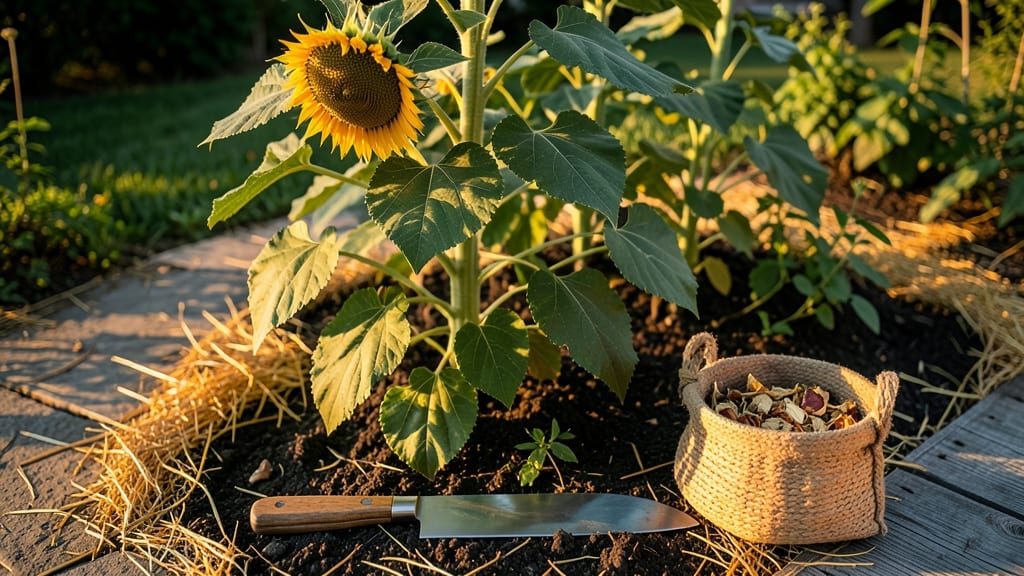
Growing bulk sunflower seeds for eating means turning your garden into a nutrient-packed snack factory—no grocery store required. 🌻 I learned the hard way that not all sunflower varieties produce edible seeds, but once I picked the right ones, my harvest became a crunchy, protein-rich staple.
The secret lies in selecting oilseed or confection varieties like 'Russian Mammoth' or 'Autumn Beauty,' which yield seeds packed with flavor and health benefits.
You'll need full sun, well-draining soil, and patience—sunflowers grow fast but need consistent care. Plant seeds 1 inch deep and 6 inches apart, spacing rows 2-3 feet apart to give them room to tower.
The soil should be loose and rich in compost, as sunflowers are heavy feeders. Water deeply once a week, especially during dry spells, but avoid soggy soil to prevent rot.
By late summer, you'll watch those towering stalks bend under the weight of seed heads, ready for harvest. Ripe seeds are the size of acorns and turn brown—twist them off the stems and dry them in the sun for a week.
Store them in airtight containers for up to a year, or roast them fresh for a crunchy, salty-sweet treat straight from your garden.
This method works in any climate with 6+ hours of sun daily, whether you're growing in a backyard plot or containers. The best part? Every seed you save is free for next year's harvest. Ready to grow your own snack stash?
📚 In This Guide
- What you need
- Instructions
- Tips and common mistakes
- Wrapping up and next steps
What you need
- ● Bulk sunflower seeds: At least 1–5 lbs (for snacking) or 10+ lbs (for bulk storage/growing). Opt for non-GMO, organic varieties like Black Oil or Russian Mammoth for best flavor and nutrition.
- ● Pro tip: Check for certified edible labels—some ornamental seeds aren’t safe to eat! 💡
- ● Storage containers: Air-tight glass jars (1–5 gallons) or food-grade buckets with lids.
- ○ Optional: Vacuum-sealed bags for long-term preservation (extends shelf life by months!).
- ● Basic kitchen tools: Small colander or strainer (for rinsing).
- ● Paper towels or clean kitchen towel (for drying).
- ● Measuring cups/spoons (if portioning for recipes).
- ● Garden space: Full sun (6+ hours daily) and well-draining soil.
- ○ Fertilizer: Balanced 10-10-10 or compost (optional but recommended for healthier seeds).
- ● Pest control: Row covers or neem oil (to deter birds/squirrels from snacking first!).
- ● Harvesting tools: Pruning shears or sharp knife (for cutting seed heads).
- ● Spices: Smoked paprika, garlic powder, or sea salt (for roasting).
- ● Sweet treats: Dark chocolate or honey (for seed coatings).
- ● Portable snack pack: Reusable silicone bags (for on-the-go munching!).
Step-by-Step guide to growing sunflower seeds for harvesting
Here’s how to grow sunflowers that yield plump, edible seeds—no fancy tools needed.
🌱 Step 1: Choose the Right Variety and Plant at the Right Time
Pick a large, upright variety like 'Mammoth' or 'Russian Giant' for seed production. These grow 8-12 feet tall and produce big heads with plenty of seeds. Plant seeds ¼ inch deep in well-draining soil after your last frost date when soil temperatures reach at least 55°F. I like to wait until mid-spring when nights stay above 50°F—this prevents seed rot.
Space seeds 18-24 inches apart in rows 3 feet apart to give plants room to grow. If you’re short on space, plant in clusters of 3-4 seeds per hill, thinning later. Sunflowers love full sun—at least 6-8 hours daily—so pick a sunny spot in your garden. If you’re growing in containers, use 5-gallon pots with good drainage and plant just one seed per container.
☀️ Step 2: Provide Consistent Water and Nutrients
Water deeply once a week unless it rains, aiming for 1-1.5 inches of water per week. Sunflowers have deep roots, so they hate soggy soil but can handle dry spells once established. I water at the base in the morning to avoid fungal issues. Stop watering 2-3 weeks before harvest to let the seeds dry out naturally—this improves flavor and storage life.
Feed plants with a balanced fertilizer (10-10-10) when they’re 6 inches tall, then again when buds form. Too much nitrogen makes plants leafy but seedless, so avoid heavy feeding later in the season. If your soil is poor, mix in 2-3 inches of compost at planting time for slow-release nutrients.
✂️ Step 3: Support Tall Varieties and Monitor for Pests
Tall sunflowers may need staking if winds are strong. I use bamboo stakes or cages tied loosely to the stem as it grows—don’t cinch too tight, or you’ll restrict growth. Watch for sunflower moths or beetles, which can chew leaves and heads. If you spot damage, spray with neem oil or handpick pests early in the day when they’re sluggish.
Remove any weak or diseased plants immediately to prevent spreading. Healthy sunflowers develop one large central head with smaller side buds. Pinch off side buds if you want a bigger main head—this directs energy to seed production. By mid-summer, you’ll see yellow petals fully open, signaling the flower is ready for pollination.
🌿 Step 4: Harvest and Dry Seeds Properly
Harvest seeds when the back of the flower head turns yellow and the petals start dropping. Cut the head with 4-6 inches of stem and hang it upside down in a dry, dark place (like a garage or shed) for 2-3 weeks. The seeds are ready when they rattle inside the head and feel firm when pressed.
To remove seeds, rub the dried head over a large tray or sheet of paper. Discard any blackened or shriveled seeds—they won’t store well. Spread good seeds in a single layer on a baking sheet and dry at room temperature for another 1-2 days before storing in an airtight container. Properly dried seeds keep for up to a year in a cool, dark place.
Tips & tricks for perfect sunflower seed harvest
Growing sunflowers for edible seeds takes patience, but these tricks will help you maximize your harvest and avoid common pitfalls.
Soil Temperature Matters: Don't rush planting—wait until soil temperatures consistently reach at least 55°F, as instructed. I've learned the hard way that planting too early when nights dip below 50°F leads to seed rot. Use a soil thermometer to confirm temperatures if you're unsure. The roots need warmth to establish properly before the plant puts energy into seed production.
Spacing Secret: The 18-24 inch spacing between plants in Step 1 isn't just about aesthetics—it gives each plant room to develop its full potential. I've seen crowded sunflowers produce smaller, less flavorful seeds. If you're short on space, consider vertical growing by training vines up trellises, though sunflowers aren't natural climbers. The key is to avoid competition for sunlight and nutrients.
Harvest Timing: Those 2-3 weeks of drying time in Step 4 are crucial for flavor and storage life. Here's my pro tip: Harvest when the back of the head turns completely yellow and the petals start dropping—this is your perfect window. If you harvest too early, seeds won't be fully developed; too late, and they'll start sprouting. I mark my calendar 2-3 weeks after petal drop to remind myself to check for that telltale rattle when shaken gently.
Storage Wisdom: After your 1-2 days of final drying at room temperature, store seeds in airtight containers with a small packet of silica gel or a slice of bread to absorb moisture. I've found that adding a pinch of salt to the seeds before storage helps preserve freshness. Store in a cool, dark place like a pantry—never the fridge, as temperature fluctuations can cause condensation and spoilage. Properly stored seeds will keep their crunch and flavor for up to a year.
Pro Tips for Bulk Sunflower Seeds For Eating
- Growing sunflowers for edible seeds takes patience, but these tricks will help you maximize your harvest and avoid common pitfalls.
- Soil Temperature Matters: Don't rush planting—wait until soil temperatures consistently reach at least 55°F, as instructed.
- Spacing Secret: The 18-24 inch spacing between plants in Step 1 isn't just about aesthetics—it gives each plant room to develop its full potential.
Frequently asked questions
Got questions about stocking up on bulk sunflower seeds for eating? You’re not alone! Here are answers to the most common queries to help you make the best choices for your garden or pantry.
What’s the best time to harvest sunflower seeds for eating?
Harvest seeds when the back of the sunflower head turns yellow and the petals droop—usually 8–12 weeks after planting. Wait until the seed shells are hard and dry (they’ll rattle when shaken). Morning harvests prevent birds from snatching them first!
Are bulk sunflower seeds cheaper than buying them pre-packaged?
Buying in bulk—whether from garden centers, online retailers, or even wholesale seed suppliers—cuts costs per pound significantly. Just store them properly (see below) to avoid spoilage. Pro tip: Split large orders with friends to save even more!
How do I prevent pests from ruining my sunflower seeds before harvest?
Birds and squirrels love sunflower seeds! Use bird netting over heads or plant deer-resistant varieties like ‘Autumn Beauty.’ For insects, rotate crops yearly and avoid overcrowding plants. A light spray of neem oil can deter pests early on.
Can I eat sunflower seeds straight from the plant, or do I need to process them?
Raw seeds can be eaten straight off the head, but they’re often bitter. For better flavor, roast them at 300°F (150°C) for 10–15 minutes until golden. Shelling them first makes storage and snacking easier—just crack them with a nutcracker or mortar and pestle!
How should I store bulk sunflower seeds to keep them fresh?
Store seeds in an airtight container (like a glass jar or Mylar bag) in a cool, dark place (50–70°F / 10–21°C). Add a silica gel packet to absorb moisture. Shelled seeds last 6–12 months; unshelled seeds keep up to 2 years. Freezing extends shelf life even longer!
What’s a good alternative if sunflowers fail in my garden?
Try pumpkin, squash, or corn for edible seeds! Chia and flax seeds are also easy to grow and pack a nutritional punch. Just check their growing conditions—some need warmer climates than sunflowers.
Wrapping up and next steps
Growing your own bulk sunflower seeds for eating is a rewarding way to enjoy fresh, nutrient-rich snacks straight from your garden! 🌻 Whether you're a seasoned gardener or just starting out, these seeds are easy to cultivate and packed with health benefits—from protein and healthy fats to essential vitamins.
Now that you’re armed with the right knowledge, it’s time to get planting and savor the fruits (or seeds!) of your labor.
Ready to take the next step? Start small—try a few sunflower plants this season, experiment with varieties, and enjoy the process. Before you know it, you’ll be harvesting your own crunchy, delicious seeds and sharing them with friends and family. Happy gardening! 🌱