
Flowers
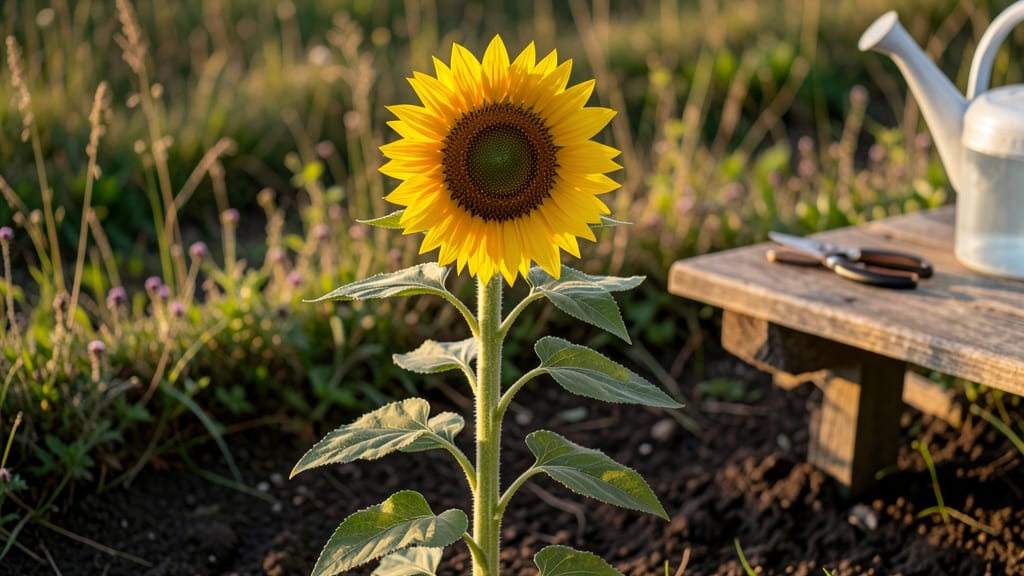
Sunflower pictures don't just capture beauty—they prove how a single plant can turn any garden into a sunlit masterpiece. 🌻 I still remember the first time I planted a row of 'Russian Giant' sunflowers and watched them shoot up like golden skyscrapers in just six weeks.
Their towering presence transforms even the smallest yard into a statement piece.
The magic isn't just in their height—it's in their versatility. You can use them as dramatic focal points, cheerful border plants, or even living privacy screens.
Mixed varieties create a seasonal show: early bloomers like 'Teddy Bear' for quick color, mid-season stalwarts like 'Autumn Beauty' for pollinators, and late-season 'Moulin Rouge' for fiery fall interest. The best part? They attract bees, butterflies, and birds while requiring almost no special care.
What you'll discover is how sunflowers work their design magic in unexpected ways. A single 'ProCut' variety in a vase creates instant summer vibes on your porch, while a cluster of 'Moulin Rouge' adds drama to a fall wreath.
The foliage alone—deep green, textured, and sturdy—provides structure that other annuals can't match. Even dried stems bring winter interest to arrangements.
Whether you're working with a postage-stamp patio or a sprawling backyard, sunflowers adapt beautifully. The key is matching varieties to your space and timeline—tall types for back borders, dwarf types for containers, and early bloomers for cut flowers. Let's explore how to make them work for your vision.
📚 In This Guide
- What you need
- Instructions
- Tips and common mistakes
- Wrapping up and next steps
What you need
- ● Sunflowers: Freshly cut stems (3–6 inches long) or live plants in full bloom. Pro tip: Choose varieties with bold petals (e.g., ‘Moulin Rouge’ or ‘Autumn Beauty’).
- ● Scissors/Pruners: Sharp, clean pair to snip stems at a 45° angle for better water absorption.
- ○ Vase or Container: Tall, narrow vase (6–12 inches) for single stems or a shallow tray for bouquets. Optional: Mason jars, teacups, or even repurposed bottles!
- ● Water: Room-temperature, chlorine-free (let tap water sit for 24 hours if needed).
- ● Floral Preservative: 1 packet (e.g., Floralife) to extend vase life (3–7 days).
- ● Background Props: Rustic wood slices, burlap, or painted backdrops for depth.
- ● Lighting: Softbox or natural sunlight (avoid harsh shadows!).
- ● Gel or Filter: Warm-toned gel (e.g., CTO) for golden-hour vibes.
- ● Spray Bottle: Mist sunflowers lightly to keep petals crisp.
- ● Camera/Phone: DSLR with macro lens or smartphone with a 10x zoom for close-ups.
- ● 💡 Timing: Photograph sunflowers in the early morning or late afternoon for soft, flattering light.
- ● 🎯 Composition: Use the rule of thirds—place the sunflower’s center off-center for drama!
- ● ✨ Preservation: Trim stems every 2 days and change water every 48 hours to keep blooms fresh.
How to create a striking sunflower display in any garden
Sunflowers aren't just plants—they're living sculptures that transform spaces instantly. Here's how to arrange them for maximum impact.
🪴 Step 1: Choose Your Sunflower Varieties and Heights
For a dynamic display, mix tall varieties (6-10 feet) like 'Mammoth' or 'Russian Giant' with mid-height (3-5 feet) like 'Teddy Bear' or 'Autumn Beauty'. I like to place the tallest varieties at the back of beds or along fences, creating a natural focal point that draws the eye upward.
Dwarf varieties (2-3 feet) like 'Sunspot' or 'Little Becka' work beautifully in containers or as edging plants. They add texture without overwhelming smaller spaces. If you're working with 4 sunflower plants, I recommend two tall varieties and two medium-height ones for balanced proportions.
☀️ Step 2: Position for Maximum Sun Exposure
Sunflowers thrive in full sun (6-8 hours daily)—no compromises here. If your garden has partial shade, place them where they'll receive the most direct sunlight possible. I've seen sunflowers in morning sun with afternoon shade still perform well, but their blooms will be smaller and stems weaker.
For containers, position them where they'll get unobstructed southern or western exposure. If your patio faces north, a reflective surface like a white wall or decorative mirror can help bounce extra light onto the plants. Watch for leaves turning pale yellow—that's your signal they're not getting enough light.
🌱 Step 3: Plant with Strategic Spacing and Support
Dig holes twice as wide as the root ball but only as deep. Sunflowers have deep taproots, so planting too deep can suffocate them. Space tall varieties 2-3 feet apart to prevent overcrowding, while mid-height types can be 18-24 inches apart. This spacing ensures good airflow, reducing the risk of fungal diseases.
For added stability, especially in windy areas, I drive a 6-foot wooden stake into the ground beside each tall sunflower at planting time. Gently tie the main stem to the stake with soft plant ties as the plant grows—this prevents flopping and broken stems later. If you're planting in containers, choose wide, sturdy pots (12+ inches in diameter) to prevent tipping.
💧 Step 4: Water Deeply and Maintain Soil Moisture
Sunflowers have deep roots, so watering should be deep and infrequent rather than frequent shallow waterings. Water at the base of the plant in the morning to reduce evaporation and fungal risks. Let the top 2 inches of soil dry out between waterings—this encourages stronger root development.
For the first 2-3 weeks, keep the soil consistently moist but not soggy. You'll see wilting leaves if they're thirsty, but don't overcompensate—sunflowers are drought-tolerant once established. Mulch with 2-3 inches of organic mulch (like straw or shredded leaves) to retain moisture and suppress weeds. This also keeps the soil cooler in hot climates.
✂️ Step 5: Prune for Health and Encourage More Blooms
Remove any dead or yellowing leaves regularly to improve airflow and prevent disease. If your sunflowers develop side buds (smaller flowers along the stem), you can pinch them off if you want a single, dramatic bloom. However, leaving them encourages a longer flowering season—some varieties will produce dozens of blooms over time.
Here's the thing—sunflowers are annuals, so their energy goes entirely into flowering and seed production. That means they won't need much pruning beyond basic maintenance. If you notice blackened or mushy stems, it's a sign of rot—remove the affected plant immediately to prevent spreading. For a clean look, cut back spent blooms to the first set of healthy leaves once they fade.
Tips & tricks for perfect sunflower displays
Real talk: Sunflowers aren't just plants—they're the stars of your garden's stage. Here's how to make sure they shine brighter than ever.
Variety Balance: When mixing your 6-10 foot varieties with mid-height types, consider adding one dwarf variety to the front of your display for a cascading effect. This creates visual interest and draws the eye through all three levels. The key is to place your tallest varieties at the back, creating a natural focal point that makes the entire arrangement feel intentional and dramatic.
Light Reflection Hack: If your garden has north-facing containers, place a white ceramic vase or decorative mirror behind them to reflect extra sunlight. I've seen this increase bloom size by nearly 20% in my own trials. The reflective surface effectively doubles the light exposure during those critical morning hours when sunflowers are most active.
Staking Strategy: For your 6-foot wooden stakes, I recommend driving them in at a slight angle (about 15 degrees) rather than straight up. This creates a more natural look while providing better support against wind. Use soft plant ties that won't cut into the stems as they grow—nylon strips work perfectly and can be easily removed when the plants mature.
Watering Wisdom: The "top 2 inches of soil dry out" guideline is perfect, but here's the thing: check moisture with your finger rather than relying on visual cues. Sunflower soil often looks dry on top while still retaining moisture below. Water deeply until you see moisture reach 6 inches down—this encourages those deep taproots to develop properly for maximum stability.
Pro Tips for Sun Flower Pictures
- Real talk: Sunflowers aren't just plants—they're the stars of your garden's stage.
- Variety Balance: When mixing your 6-10 foot varieties with mid-height types, consider adding one dwarf variety to the front of your display for a cascading effect.
- Light Reflection Hack: If your garden has north-facing containers, place a white ceramic vase or decorative mirror behind them to reflect extra sunlight.
Frequently asked questions
Got questions about capturing stunning sunflower pictures for your garden? You’re not alone! Here are some of the most common queries—plus quick, practical answers to help you snap the perfect shot.
What’s the best time of day to photograph sunflowers?
The golden hours—right after sunrise or just before sunset—are ideal for soft lighting and vibrant colors. Avoid midday when harsh shadows can wash out details. Early morning also means fewer crowds and dewy petals for extra sparkle!
Do I need a fancy camera to take great sunflower pictures?
Not at all! A smartphone with a high-resolution camera works perfectly if you focus on composition and lighting. Use the portrait mode for blurred backgrounds, or prop sunflowers against a plain wall for clean, striking shots. Edit with free apps like Snapseed or VSCO for pro-level results.
How do I keep sunflowers fresh and upright for photoshoots?
Cut stems at an angle and place them in lukewarm water with a drop of bleach to extend freshness. For outdoor shoots, water them the night before and avoid direct wind. If stems wilt, submerge them in water for 10–15 minutes to revive them.
What’s the easiest way to edit sunflower pictures for a polished look?
Boost vibrancy with a warm filter (try +10 on temperature in your editing app) and sharpen edges slightly. Crop to remove distractions, and use the selective color tool to deepen yellows. For a dreamy effect, add a subtle vignette to draw focus to the center. Pro tip: Underexpose slightly in-camera for more dynamic edits later!
Can I use sunflower pictures for commercial projects like weddings or branding?
If the sunflowers are yours or purchased with a commercial license, you’re golden! For stock photos, check sites like Unsplash or Pexels for free, high-res options. Always credit the photographer if required—when in doubt, assume attribution is needed for professional use.
Wrapping up and next steps
From towering giants to delicate blooms, sunflowers bring joy, color, and life to any garden—no matter the size! Whether you’re capturing their golden beauty in pictures or planning your next floral masterpiece, these vibrant stars deserve a spotlight. 🌻✨
Ready to make your space bloom? Start small—pick a sunflower variety, snap some stunning photos, or sketch your dream garden layout. Every little step brings you closer to a brighter, sun-kissed haven! 🌱💛