
Container Gardens
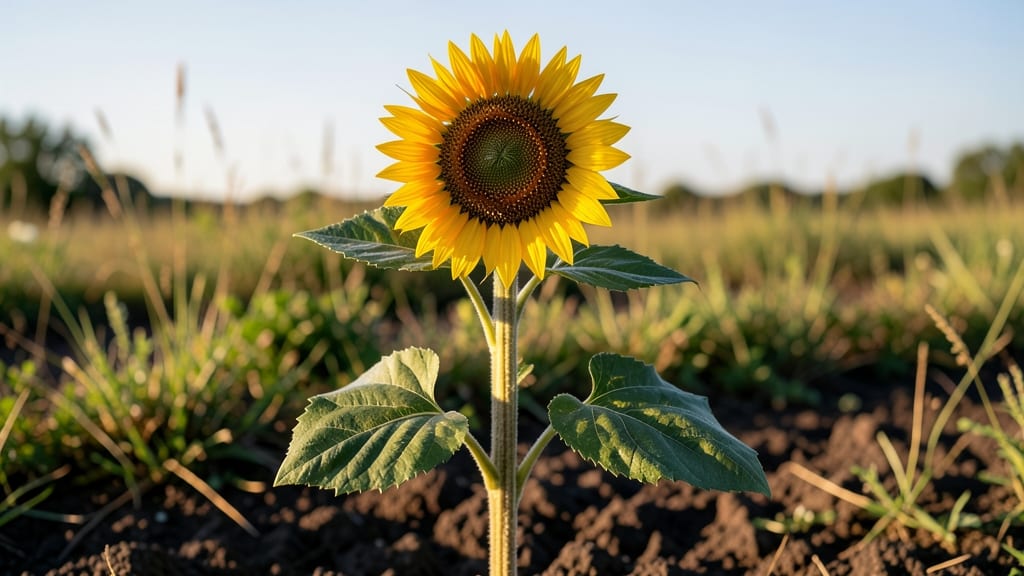
Here are sunflower growing tips to turn your backyard into a sunlit skyscraper of golden blooms—because even the tallest giants need the right soil, spacing, and a little patience before they soar. 🌻 full potential.
The difference between a scraggly 3-foot stalk and a 10-foot giant often comes down to these simple but critical steps.
Start with well-draining soil rich in compost, and plant seeds just 1 inch deep—any deeper, and they’ll rot before sprouting. Give each plant 18-24 inches of space to stretch out, and water deeply once a week (unless it rains) to encourage strong root systems.
The key? Consistency. Sunflowers hate soggy soil but also can’t handle drought—they’ll either flop over or bolt too quickly.
By mid-summer, you’ll see those familiar golden faces turning toward the sun, a sight that never fails to impress. With proper care, you’ll harvest massive blooms perfect for cutting or birdseed, and the stems become sturdy enough to support kids climbing (safely!).
The best part? These giants thrive in containers too, making them perfect for small spaces.
Whether you’re aiming for height records or just a cheerful summer display, sunflowers reward attention with dramatic results. Here’s how to set yours up for success—no green thumb required.
📚 In This Guide
- What you need
- Instructions
- Tips and common mistakes
- Wrapping up and next steps
What you need
- ● Sunflower seeds: Choose dwarf varieties (3–4 ft tall) for containers—look for ‘Moulin Rouge’ or ‘Teddy Bear’ (10–20 seeds per container).
- ● Container: A pot at least 12–18 inches deep and wide (5-gallon buckets or fabric grow bags work well). Ensure it has drainage holes!
- ● Potting mix: A well-draining blend like 50% potting soil + 50% perlite or compost (avoid garden soil—it compacts!).
- ● Fertilizer: A balanced, slow-release 10-10-10 or 5-10-10 fertilizer (follow package rates).
- ● Watering can or hose with a gentle nozzle: Sunflowers need consistent moisture but hate soggy roots.
- ● Trowel or small shovel for transplanting seedlings.
- ● Stakes or cages (3–4 ft tall) to support taller varieties.
- ● Organic mulch (straw or shredded leaves) to retain moisture.
- ● pH test kit (ideal range: 6.0–7.5).
- ● Plant markers to track varieties.
Step-by-Step guide to cultivating towering sunflowers
Here’s how to coax those iconic blooms to their full, sun-drenched potential.
🌱 Step 1: Select the Right Variety and Plant at Peak Soil Warmth
Sunflowers thrive when planted after the last frost, when soil temperatures consistently reach 60°F. I opt for giant varieties like ‘Mammoth’ or ‘Russian Giant’ for maximum height—these need 12-14 hours of direct sun daily. Avoid planting too early; cold soil slows germination and weakens stems.
Direct-sow seeds ½ inch deep, spacing them 6-12 inches apart in rows 18-24 inches apart. This spacing prevents overcrowding, which leads to leggy, floppy stems. Tap the soil gently after planting to ensure good seed-to-soil contact—this prevents air pockets that delay sprouting.
☀️ Step 2: Provide Consistent Moisture Without Overwatering
Sunflowers hate soggy roots but demand steady moisture, especially during stem elongation. Water 1-2 inches per week, focusing on the base rather than overhead spraying. You’ll know it’s right when the top 2 inches of soil feel dry—this triggers deeper root growth.
Here’s the thing—sunflowers are drought-tolerant once established, but wilting during flowering reduces bloom size. Mulch with 2-3 inches of straw or wood chips to retain moisture and suppress weeds. Avoid synthetic mulches; they can overheat the soil.
✂️ Step 3: Support Stems and Prune for Stronger Growth
Tall varieties often need staking to prevent snapping in wind or rain. Install 6-foot stakes at planting and loosely tie stems with soft fabric strips—never wire, which can girdle the stem. Prune lower leaves that touch the ground to improve airflow and reduce disease risk.
Watch for side shoots forming at the base—these divert energy from the main stem. Pinch them off early to encourage a single, dominant bloom. If multiple stems emerge, thin to the strongest one within 2 weeks of germination to avoid competition.
🌿 Step 4: Monitor for Pests and Nutrient Deficiencies
Sunflowers attract aphids and beetles, but neem oil spray applied weekly keeps them at bay. Check undersides of leaves for sticky residue—this is your signal to act. For nutrient support, side-dress with 5-10-10 fertilizer when plants reach 2 feet tall, following package rates.
Yellowing leaves? It’s often nitrogen deficiency. A balanced fertilizer or compost top-dressing revives growth. Over-fertilizing, though, leads to excessive foliage at the expense of blooms. Less is more—sunflowers thrive on moderate feeding, not heavy inputs.
Tips & tricks for perfect sunflower cultivation
These game-changing techniques will help you grow sunflowers that reach new heights and bloom with stunning vitality.
Sunlight Optimization: Those 12-14 hours of direct sun are non-negotiable for giant varieties like 'Mammoth' and 'Russian Giant'. Place your sunflowers in the sunniest spot in your garden—even an hour less sunlight can stunt growth. If you're in a shadier climate, consider using reflective mulch or mirrors to redirect sunlight to the plants during peak hours.
Seed Planting Precision: The ½-inch depth and 6-12 inch spacing in Step 1 aren't just suggestions—they're critical for strong stems. Use a ruler to ensure consistent depth, and mark your rows with stakes to maintain proper spacing. I've found that using a dibble tool creates perfectly sized planting holes without disturbing surrounding soil, which prevents compaction that could delay sprouting.
Watering Strategy: The 1-2 inch weekly watering guideline is perfect, but timing matters just as much. Water in the early morning to allow foliage to dry before evening, preventing fungal diseases. I've noticed that watering at the base rather than overhead creates stronger stems—overhead watering can weaken stems by promoting leaf growth at the expense of structural development.
Nutrient Balance: When side-dressing with 5-10-10 fertilizer at the 2-foot mark, remember that sunflowers are heavy feeders but not gluttons. I've learned the hard way that over-fertilizing leads to lush foliage with tiny blooms. Split your fertilizer application into two doses—half when plants reach 2 feet, and the remaining half when buds begin to form. This two-step approach ensures steady growth without sacrificing bloom size.
Pro Tips for Sunflower Growing Tips
- These game-changing techniques will help you grow sunflowers that reach new heights and bloom with stunning vitality.
- Sunlight Optimization: Those 12-14 hours of direct sun are non-negotiable for giant varieties like 'Mammoth' and 'Russian Giant'.
- Seed Planting Precision: The ½-inch depth and 6-12 inch spacing in Step 1 aren't just suggestions—they're critical for strong stems.
Frequently asked questions
Got questions about growing sunflowers? You’re not alone! Whether you're a first-time gardener or looking to refine your technique, these answers will help you cultivate stunning sunflowers with ease. Let’s dive in!
How long does it take for sunflowers to grow from seed to bloom?
Sunflowers typically take 80 to 100 days to reach full bloom from seed, depending on the variety. Dwarf varieties may bloom faster (around 60 days), while giant varieties can take up to 120 days. Plant seeds early in the spring after the last frost for the best results!
Can sunflowers grow in containers, and what size pot do I need?
Sunflowers thrive in containers, but choose a pot at least 12 inches deep and 12 inches wide for dwarf varieties or 18+ inches deep for taller types. Ensure the container has drainage holes and use a well-draining potting mix to prevent root rot.
What are common pests that attack sunflowers, and how do I prevent them?
Sunflowers may face pests like aphids, beetles, or bird damage. To prevent issues:
- Use row covers for young plants.
- Apply neem oil or insecticidal soap for aphids.
- Set up bird netting if birds are pecking at buds.
How often should I water sunflowers, and do they need a lot of water?
Sunflowers need 1 to 1.5 inches of water per week, especially during flowering. Water deeply at the base 2-3 times per week (more in extreme heat) and avoid wetting the leaves to prevent disease. Let the soil dry slightly between waterings to encourage strong root growth.
Can I grow sunflowers from store-bought seeds, or do I need special seeds?
You can absolutely grow sunflowers from store-bought seeds—just save a few from a healthy sunflower head! For best results, choose seeds labeled "heirloom" or "non-GMO" to ensure viability. If using store-bought seeds, opt for varieties like Mammoth or Autumn Beauty for reliable blooms.
Wrapping up and next steps
Growing sunflowers is a rewarding journey that combines patience, care, and a little creativity—whether you're aiming for towering stalks or vibrant blooms! With the right soil prep, spacing, and support, you’ll soon enjoy sunflowers that turn heads (and maybe even your kitchen table 🌻).
Ready to watch your garden flourish? Start small: grab a packet of seeds, pick a sunny spot, and dive in! Even a single sunflower can bring joy—and who knows? You might just inspire others to join your green-thumb adventure. 🌱