
Pests
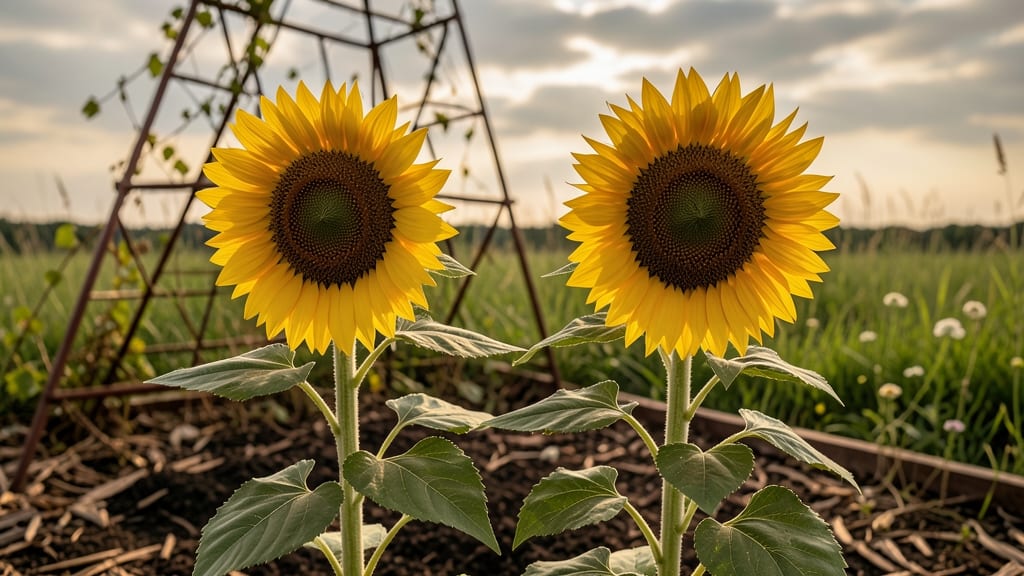
Double-headed sunflowers turn ordinary gardens into eye-catching statements. 🌻 I remember the first time I saw one—two golden faces on a single stem, like nature’s own double take.
These sunflowers aren’t just striking; they’re easier to grow than you’d think, especially with the right varieties like 'Moulin Rouge' or 'Autumn Beauty'.
The secret to those bold twin blooms starts with well-draining soil and full sun—at least 6-8 hours daily. Space plants 18-24 inches apart to give roots room to branch, and water deeply once a week (more in dry spells).
The key to multiple heads? Pruning young stems to encourage side shoots and using a balanced fertilizer every 4-6 weeks—no fancy tricks, just consistent care.
By midsummer, you’ll have sunflowers that look like they stepped out of a floral parade. The stems stay sturdy enough for cutting, and the blooms attract pollinators like crazy. Even if pests like powdery mildew show up, a quick spray of neem oil keeps them in check.
It’s that simple: a little prep, a little patience, and suddenly your garden has star quality.
Works in containers or beds, from small yards to sprawling fields. Once you try it, you’ll never go back to single-headed sunflowers again. Let’s get growing!
📚 In This Guide
- What you need
- Instructions
- Tips and common mistakes
- Wrapping up and next steps
What you need
- ● Double-headed sunflower seeds – Choose heirloom or hybrid varieties like 'Russian Giant' or 'Autumn Beauty' (10–20 seeds for a small garden, 50+ for larger plots).
- ● Well-draining potting mix or garden soil – A blend with compost (60% soil, 40% organic matter) works best.
- ● Containers or garden bed – For containers: 12"+ deep pots (1 seed per pot) or large raised beds (3–4 seeds per 12" spacing).
- ● For in-ground planting: Full sun (6+ hours daily) and loose, fertile soil (pH 6.0–7.5).
- ● Watering can or hose with gentle spray nozzle – Sunflowers need 1–2 inches of water weekly (more in dry spells).
- ○ Fertilizer (optional but helpful) – Balanced 10-10-10 or slow-release granular fertilizer (sprinkle lightly at planting).
- ● OR organic options like worm castings or compost tea (mix 1 cup per gallon of water).
- ● Stakes or trellis (for tall varieties) – 5–6 ft bamboo stakes or tomato cages to support heavy blooms.
- ● Pruning shears – For trimming dead leaves or shaping plants (sterilize with rubbing alcohol between uses).
- ● Mulch – Straw or shredded leaves to retain moisture and suppress weeds.
- ● Pest deterrents – Neem oil spray (for aphids or beetles).
- ● Row covers (early season to prevent bird damage).
- ● Growth regulator (if needed) – A pinch of seaweed extract can encourage bushier growth.
- ● Sunflower-specific companion plants – Marigolds (repel pests) or borage (attracts pollinators).
How to grow double-headed sunflowers for stunning visual impact
Here's how to coax those dramatic twin blooms from your sunflower seeds—with minimal fuss.
🌱 Step 1: Choose the Right Variety and Plant at the Right Time
Pick a dwarf or semi-dwarf variety like 'Russian Giant' or 'Autumn Beauty'—they're more likely to produce double blooms. Plant seeds after your last frost date when soil reaches 60°F, ensuring consistent warmth for strong growth. I like to wait until late spring when nighttime temperatures stay above 50°F—this prevents the plants from bolting too quickly.
Sunflowers need full sun (6+ hours daily) to develop properly, so pick a spot where they won’t be shaded by trees or buildings. If you're in a cooler climate, start seeds indoors 4-6 weeks before transplanting—but only if you’re committed to keeping them warm. Direct sowing is easier and yields better results for double-headed varieties.
🪴 Step 2: Sow Seeds Deeply and Space for Strong Stems
Plant seeds 1 inch deep in loose, well-draining soil. Press them in gently—don’t bury them too shallow or they’ll dry out before sprouting. Space seeds 6-12 inches apart in rows 2-3 feet apart to give stems room to grow without competing for nutrients. Crowding stresses plants and reduces the chance of double blooms.
Water the soil thoroughly right after planting to settle it around the seeds. Keep the soil evenly moist (not soggy) until germination, which usually happens in 7-14 days. Once seedlings emerge, thin them to your strongest plants—this ensures each has enough energy to produce two blooms instead of struggling.
☀️ Step 3: Feed and Support for Twin Blooms
Sunflowers are heavy feeders, so side-dress with compost or a balanced fertilizer (like 10-10-10) when they’re 6-8 inches tall. I mix ½ cup of fertilizer per plant into the soil around the base, then water it in. This boosts stem strength and encourages branching, which is key for double blooms. Avoid over-fertilizing—too much nitrogen makes plants leafy but weak-stemmed.
Stake or cage plants when they reach 18 inches tall to prevent them from toppling under the weight of two blooms. I use 5-foot bamboo stakes tied loosely with twine—this gives them support without restricting growth. Watch for yellowing leaves or wilting, which signals overwatering or nutrient burn. Adjust watering to keep soil damp but not waterlogged.
✂️ Step 4: Prune and Deadhead for More Blooms
When the first bloom opens, remove spent flowers by cutting the stem just below the bloom head. This redirects energy to the second bud, which should appear within 2-3 weeks. I use clean pruners to avoid damaging the stem—this keeps the plant healthy and encourages more blooms next season.
If you notice side shoots forming near the base, leave them—they’ll produce additional blooms. However, remove any weak or leggy growth that’s not producing buds. The goal is to focus the plant’s energy on strong, healthy stems that can support two full blooms each. Harvest seeds from the first bloom to save for next year, but leave the second bloom on the plant to enjoy its beauty.
⏰ Step 5: Extend the Season for Late Blooms
To coax a third bloom, cut the plant back after the second bloom fades. Trim the stem down to 6-12 inches tall, and fertilize lightly. This stimulates new growth and sometimes produces a smaller third bloom. I’ve seen this work best with dwarf varieties—taller sunflowers may not recover well from pruning.
If frost threatens before the second bloom opens, cover the plant with a frost blanket at night. This buys you 1-2 extra weeks of growing time. Once the blooms open, enjoy them in arrangements or let them go to seed for next year’s garden. Double-headed sunflowers are a showstopper, and with a little care, you’ll have them thriving in no time.
Tips & tricks for growing double-headed sunflowers
Here's what nobody tells you about growing those showstopping twin blooms—lessons I learned after watching my first batch flop.
Variety Matters More Than You Think: While 'Russian Giant' and 'Autumn Beauty' are reliable choices, I've found that 'Moulin Rouge' produces the most consistent double blooms in my zone 6 garden. The key is looking for varieties specifically bred for branching—regular sunflowers rarely produce twins. If you're starting with seeds, check the packet for "double bloom" or "branching" descriptors before buying.
Timing is Everything: Those 60°F soil temperatures aren't just suggestions—they're critical for preventing premature bolting. I've seen seeds planted too early shoot up too fast, then produce weak stems that can't support two blooms. Use a soil thermometer for accuracy, especially in spring when temperatures fluctuate. If your soil is still cool, wait until nighttime temps stay above 50°F consistently before planting.
Support System Secret: When staking your plants at 18 inches tall, don't just tie them to one stake. I now use two 5-foot bamboo stakes on opposite sides of each plant, tied with soft garden twine. This creates a cradle that prevents the heavy blooms from bending the stem sideways. The twine should be loose enough that you can still slide your hand between it and the stem—too tight restricts growth.
Pruning with Precision: When deadheading that first bloom, cut just below the bloom head—not where the stem branches. I learned this the hard way when my second bloom never appeared because I accidentally cut off the side bud. Use clean, sharp pruners and make the cut at a 45-degree angle to prevent water from pooling on the cut surface. This redirecting trick works best when done within 2-3 days of the first bloom opening.
Pro Tips for Double Headed Sunflower
- Here's what nobody tells you about growing those showstopping twin blooms—lessons I learned after watching my first batch flop.
- Variety Matters More Than You Think: While 'Russian Giant' and 'Autumn Beauty' are reliable choices, I've found that 'Moulin Rouge' produces the most consistent double blooms in my zone 6 garden.
- Timing is Everything: Those 60°F soil temperatures aren't just suggestions—they're critical for preventing premature bolting.
Frequently asked questions
Got questions about growing double-headed sunflowers?
You’re not alone! Here are some of the most common queries—and their answers—to help you cultivate those stunning twin blooms like a pro.
Why do some sunflowers grow double heads?
Double-headed sunflowers often occur naturally due to genetic quirks or environmental stress (like overcrowding or nutrient imbalances). However, many hybrid varieties are bred specifically to produce twin blooms! If you’re growing from seed, check the packet—some brands like ‘Moulin Rouge’ or ‘Russian Giant’ are famous for this trait.
When should I expect to see double blooms?
Timing depends on the variety, but most double-headed sunflowers follow the same growth cycle as single-headed types. You’ll typically spot the second bud forming after the first bloom opens—usually 2–4 weeks later. If you’re impatient, opt for dwarf varieties like ‘Teddy Bear,’ which mature faster (60–90 days).
Are double-headed sunflowers more prone to pests?
Not necessarily! The extra head doesn’t make them more vulnerable, but their unique shape can sometimes attract pests like aphids or sunflower moths, which love the extra nectar. Monitor leaves for chew marks or sticky residue, and treat with neem oil or insecticidal soap if needed. Pro tip: Space plants 18–24 inches apart to improve airflow and deter issues.
Can I grow double-headed sunflowers in containers?
Just choose a variety like ‘Autumn Beauty’ or ‘Moulin Rouge’ (both compact) and a container with at least 5-gallon capacity and drainage holes. Use well-draining potting mix and place in full sun (6+ hours daily). Dwarf varieties thrive in containers, while giant types need deeper pots or ground planting.
Will frost damage my double-headed sunflowers?
Sunflowers are frost-sensitive, especially when young or flowering. If frost threatens, cover plants with a frost cloth or row cover. Once fully mature, they can tolerate light frosts, but the blooms may wilt. For a longer season, start seeds indoors 4–6 weeks before your last frost date. Hot tip: Harvest seeds before the first hard frost to save them for next year!
Wrapping up and next steps
Growing a double-headed sunflower isn’t just about adding drama to your garden—it’s a rewarding journey that teaches patience, care, and the joy of watching nature’s surprises unfold. 🌻 With the right materials, a little pest vigilance, and consistent attention, you’ll soon be basking in the glow of twin blooms that turn heads (literally!).
Ready to take the next step? Start small—plant a few seeds this season and experiment with techniques like pruning or nutrient adjustments to coax those extra heads.
Before you know it, your garden will be the talk of the neighborhood, and you’ll be hooked on the magic of double-headed sunflowers!