
Planting
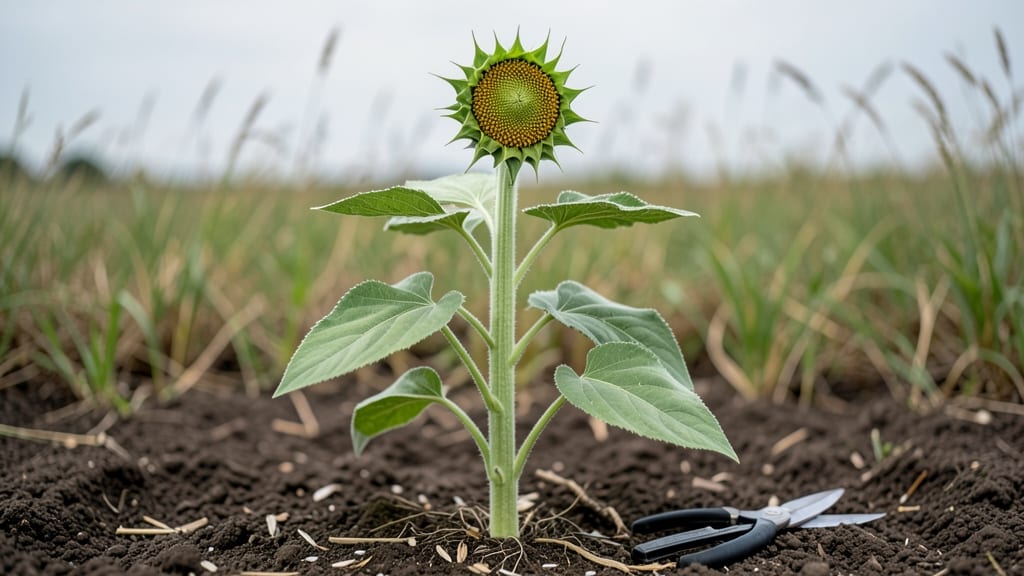
Watching a new sunflower plant burst from the soil in just 7–10 days—those fuzzy sprouts still make my heart race as they stretch toward the sky. There's something magical about growing something so tall from something so small.
You'll need a sunny spot with at least 6-8 hours of direct sunlight daily, loose soil mixed with compost, and patience for the towering results. Most beginners overwater or crowd the seeds, but sunflowers are forgiving—just give them space (12-24 inches apart) and consistent moisture.
The key is keeping the soil damp but not soggy during those first critical weeks.
By late summer, you'll be harvesting 10-foot-tall giants with blooms so vibrant they'll make your neighbors do a double-take. The seeds themselves become snacks for birds or oil for cooking, but honestly? The real reward is watching them grow from tiny specks to sun-kissed sentinels in your garden.
Works in containers or ground beds, from city patios to rural fields. Here's how to get those first sprouts popping—fast.
📚 In This Guide
- What you need
- Instructions
- Tips and common mistakes
- Wrapping up and next steps
What you need
- ● Fast-germinating sunflower seeds (10–20 seeds, depending on desired quantity). Look for varieties like Mammoth Russian or Autumn Beauty for quick sprouting.
- ● Well-draining potting soil (5–10 lbs, or enough to fill your chosen containers). A mix with compost or peat moss works best.
- ● Seed-starting containers (biodegradable pots, peat pellets, or small nursery pots—6–12 inches deep).
- ● Watering can or spray bottle with a gentle nozzle to avoid disturbing seeds.
- ● Grow lights or sunny windowsill (sunflowers need 6–8 hours of light daily to germinate).
- ● Garden gloves (to protect your hands while handling soil).
- ● Plant labels & markers (to track varieties and planting dates).
- ● Fertilizer (balanced 10-10-10 or organic compost for post-germination growth).
- ● Transplanting tray (if moving seedlings outdoors later).
- ● Mulch or straw (to retain moisture and protect young plants from pests).
How to grow sunflowers from seeds for quick, dramatic height
Sunflowers reward patience with bold blooms—but you can speed up the process with these proven techniques.
🌱 Step 1: Prepare Soil and Plant Seeds Directly in the Ground
Sunflower seeds germinate fastest in loose, well-draining soil warmed by spring sun. Work in the 2-3 inch deep top layer with a garden fork to loosen compacted soil—this helps roots spread quickly. Sunflowers dislike soggy soil, so avoid planting in low spots where water pools.
Drop 2-3 seeds per planting spot about 1 inch deep and 6 inches apart in rows spaced 2 feet apart. Planting deeper than 1 inch slows germination, while shallower planting risks drying out the seeds before they sprout. I like to use a small stick to mark each spot so I don’t accidentally plant too close.
☀️ Step 2: Ensure Warmth and Consistent Moisture
Sunflower seeds need soil temperatures above 60°F to germinate—wait until nighttime lows stay above 50°F before planting. Cover the area with black plastic mulch for a week before planting to warm the soil faster. This also suppresses weeds, which compete with sunflowers for nutrients.
Water gently after planting to settle the soil, then maintain 1 inch of moisture per week. Let the top 1 inch of soil dry between waterings—sunflowers hate wet feet but need steady hydration. You’ll see first true leaves (not the initial seed leaves) in 7-10 days if conditions are right.
🌿 Step 3: Thin Seedlings for Stronger Stems
Once seedlings reach 4-6 inches tall and have 2-3 true leaves, thin to the strongest plant per spot. Gently pull weeds and extra seedlings, leaving 18-24 inches between remaining plants. This prevents overcrowding, which leads to weak stems and fewer blooms.
Here’s the thing—sunflowers grow fast, but they need space. If you leave too many, they’ll compete for sunlight and nutrients, resulting in shorter, leggy plants. Watch for yellowing lower leaves—this is a sign of overcrowding or poor airflow.
✂️ Step 4: Support and Monitor for Pests
Sunflowers can grow 10+ feet tall, so stake tall varieties (like ‘Mammoth’) with 6-foot stakes at planting. Tie stems loosely with soft plant ties every 2 feet to prevent snapping in wind. Dwarf varieties (like ‘Teddy Bear’) rarely need support.
Check leaves weekly for aphids or beetles—sunflowers attract pests early. Spray infested areas with neem oil or soapy water (1 tbsp mild dish soap per gallon) to deter them. A healthy plant will bounce back quickly if caught early.
🌻 Step 5: Harvest and Extend the Season
Cut blooms when the back of the petals faces outward and the center disk is fully brown. Harvest in the morning for the freshest flowers. Leave the lower leaves on stems to feed the plant—this keeps it producing for weeks.
For a second flush of blooms, deadhead (remove spent flowers) and fertilize lightly with 10-10-10 once new growth appears. Some varieties, like ‘Autumn Beauty,’ produce multiple blooms per stem—just keep pruning spent heads to encourage regrowth.
Tips & tricks for growing towering sunflowers from seeds
Speed up your sunflower growth with these insider techniques that make all the difference between average and showstopping blooms.
Soil Preparation Secret: Before planting, mix a handful of compost into the top 2-3 inches of soil at each spot. This gives your sunflower roots an immediate nutrient boost while improving drainage—critical since sunflowers hate soggy conditions. I’ve found that pre-moistening the soil with a light sprinkle the day before planting helps seeds establish contact faster, especially in dry climates.
Germination Timing: The 7-10 day window for first true leaves is your best indicator of success, but you can nudge things along by placing a clear plastic dome or even a cut-open plastic bottle over newly planted seeds. This creates a mini greenhouse effect that raises soil temperature slightly above the required 60°F threshold. Just remember to remove it once sprouts appear to prevent mold.
Thinning Technique: When thinning seedlings to your strongest plant per spot, don’t just yank—use clean scissors to snip at soil level. This prevents disturbing the roots of your remaining plant and reduces stress. I’ve noticed that plants thinned this way often grow 6-8 inches taller than those pulled by hand, thanks to less root trauma.
Pest Prevention: The key to avoiding aphids and beetles lies in healthy soil. Before planting, sprinkle a thin layer of diatomaceous earth around each spot—it’s non-toxic but deadly to soft-bodied pests. I also recommend planting sunflowers near basil or marigolds, which naturally repel many common garden pests while complementing their towering height in the landscape.
Pro Tips for New Sunflower Plant
- Speed up your sunflower growth with these insider techniques that make all the difference between average and showstopping blooms.
- Soil Preparation Secret: Before planting, mix a handful of compost into the top 2-3 inches of soil at each spot.
- Germination Timing: The 7-10 day window for first true leaves is your best indicator of success, but you can nudge things along by placing a clear plastic dome or even a cut-open plastic bottle over newly planted seeds.
Frequently asked questions
Got questions about growing your own sunflower plants?
Here are answers to the most common ones—from timing to troubleshooting—so you can grow those towering blooms with confidence!
How long does it take for sunflower seeds to germinate?
Sunflower seeds are fast germinators! With the right conditions (warm soil, consistent moisture), you’ll see sprouts in just 5–14 days. Plant them 1/2 inch deep in well-draining soil, and keep them cozy under a heat mat or in a sunny windowsill to speed things up.
When is the best time to plant sunflower seeds?
Sunflowers thrive in warm weather, so wait until after the last frost when soil temps hit 50°F+. For most regions, this means late spring to early summer. If you’re in a short-season area, opt for dwarf varieties (like ‘Teddy Bear’) for faster blooms.
Why aren’t my sunflower seeds sprouting?
Check these 3 culprits first:
- Cold soil: Sunflowers need warmth—wait for temps to rise above 50°F.
- Too much water: Overwatering can drown seeds; keep soil moist, not soggy.
- Old seeds: Store-bought seeds last 1–2 years; if they’re older, test viability by soaking in water (floaters = bad).
Can I grow sunflowers from store-bought seeds?
Yes
, you can save seeds from grocery-store sunflowers (like those in birdseed mixes) for planting. Just:
- Rinse and dry them thoroughly.
- Store in a cool, dark place until spring.
- Test a few for germination before planting.
Do sunflowers need a lot of space?
Sunflowers are tall but not invasive—most varieties need 12–24 inches of space between plants. Dwarf types (like ‘Moulin Rouge’) can thrive in 6-inch pots or tight garden beds. If planting in rows, leave 18–24 inches between plants to prevent overcrowding and support their sturdy stems.
Wrapping up and next steps
Growing a new sunflower plant from fast-germinating seeds is a rewarding journey that brings vibrant blooms and a touch of nature’s beauty to your space! 🌻 With the right soil, sunlight, and care, you’ll soon enjoy towering stems and cheerful faces that attract pollinators.
Whether you’re a beginner or a seasoned gardener, these sunflowers are a fantastic way to connect with the earth and nurture life.
Ready to dive in? Start by gathering your seeds and supplies—then dig in! Plant your first seeds today, and watch your garden transform into a sunlit masterpiece. Happy planting! 🌱✨