
Companion Plants
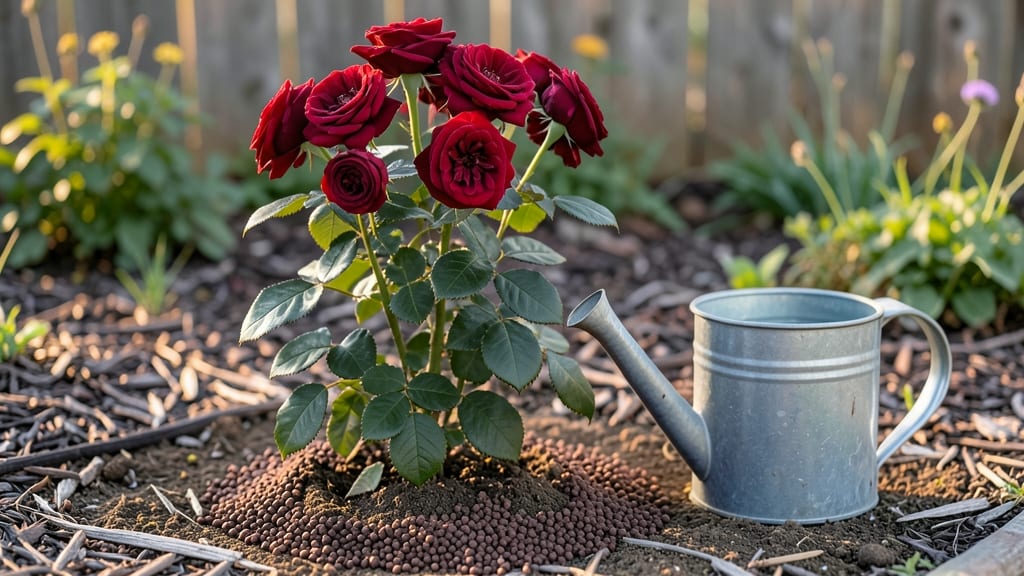
Learn how to increase flowering in rose plants by pruning them the right way—my once-sparse bushes now burst with blooms thanks to three key moves. 🌹 I’ve turned them into a floral explosion by focusing on cutting back last year’s growth, opening up the center for airflow, and feeding them just as new shoots appear.
The secret isn’t aggressive pruning—it’s strategic timing and knowing which canes to keep.
Most gardeners overdo it by cutting too late in the season or hacking back healthy stems. Instead, prune hybrid teas and floribundas in early spring (when forsythia blooms) and climbers right after they finish flowering.
A sharp pair of shears and a clean cut at a 45-degree angle make all the difference—no jagged edges, no disease entry points. You’ll see fresh red shoots within weeks, each one a promise of future blooms.
By midseason, your bushes will reward you with clusters of buds instead of sparse stems. The flowers stay vibrant longer because the plant isn’t struggling to support dead wood, and you’ll harvest 30-50% more blooms than before.
The key is consistency: repeat the process every year, and your roses will become the showstopper of the neighborhood.
This works for all rose types—just adjust the timing. Hybrid teas need the most aggressive pruning, while climbers benefit from lighter cuts to maintain their sprawling shape. The same rules apply whether you’re working with a single bush or a whole garden bed. Let’s get those blooms happening!
📚 In This Guide
- What you need
- Instructions
- Tips and common mistakes
- Wrapping up and next steps
What you need
- ● Pruning shears – Bypass pruners (sharp, clean, and sterilized with rubbing alcohol to prevent disease). Quantity: 1 pair.
- ● Hand pruners – For smaller cuts and deadheading. Quantity: 1 pair.
- ● Garden gloves – Thick, cut-resistant (roses have thorns!). Quantity: 1 pair.
- ● Disinfectant spray – 70% isopropyl alcohol or a 10% bleach solution (1 part bleach to 9 parts water). Quantity: Small spray bottle.
- ● Compost or well-aged manure – Organic matter to enrich soil. Quantity: 2–3 gallons per bush.
- ● Balanced fertilizer – 10-10-10 or 5-10-10 NPK ratio (low nitrogen for flowering). Quantity: 1–2 lbs per 100 sq. ft.
- ● Mulch – Wood chips or straw (2–3 inches deep). Quantity: Enough to cover the base.
- ● Watering can or hose – With a gentle spray nozzle to avoid damaging blooms.
- ○ Deadheading scissors – Optional but handy for quick, clean cuts on spent blooms.
- ● Rose-specific fertilizer – High in phosphorus and potassium (e.g., Espoma Rose-Tone).
- ● Epsom salt – Magnesium sulfate (1 tbsp per gallon of water) for magnesium boost.
- ● Compost tea – Microbe-rich liquid fertilizer for soil health.
- ● Plant supports – Trellises or stakes if your roses need guidance (especially climbing varieties).
- ● pH test kit – To check soil acidity (ideal: 6.0–6.5).
- ● Pruning saw – For thick, woody stems (if your roses are mature).
Step-by-Step guide to boosting rose blooms through pruning
Here's the method I've used to transform sparse rose bushes into flowering powerhouses.
✂️ Step 1: Prune at the Right Time for Maximum Blooms
Timing matters more than technique here. Prune your roses in early spring, just as new growth begins but before buds swell. This is when the plant's energy shifts from dormancy to flowering—cutting at this stage encourages more buds to form. For hybrid teas and floribundas, aim for late February to March in most climates. If you're in a warmer zone, wait until January when daytime temperatures consistently hit 50°F.
Here's the thing—if you prune too early, you risk damaging buds that've already formed. If you wait too late, the plant wastes energy on foliage instead of flowers. Watch for the first tiny green tips on canes; that's your signal. I always prune on a dry morning after a light frost—it's easier to see the canes and the plant handles stress better.
✂️ Step 2: Cut Back with Precision to Encourage Flower Buds
Use clean, sharp pruners and make cuts at a 45-degree angle, about ¼ inch above an outward-facing bud. This angle helps water run off the cut and prevents rot. Remove any dead, diseased, or crossing branches first—they compete with healthy growth for energy. For climbing roses, cut back last year's growth by ⅓ to ½ to encourage new, flowering canes.
I like to visualize the plant's shape as I cut. Aim for an open center that allows sunlight and air to reach all canes. The goal is to leave 3-5 strong buds on each remaining stem. These buds are where next season's flowers will form. If a cane is thinner than a pencil, remove it entirely—it won't produce quality blooms.
☀️ Step 3: Feed and Hydrate for Continuous Flowering
After pruning, feed your roses with a balanced rose fertilizer (10-10-10 or similar) mixed at half-strength. Apply it when new growth reaches 2-3 inches tall. Water deeply right after feeding to help roots absorb nutrients. Roses need 1-2 inches of water weekly, but mulch with 2-3 inches of organic mulch to retain moisture and regulate soil temperature.
Here's where many gardeners go wrong—they feed heavily but forget consistent watering. Roses need steady moisture, especially during bud formation. Check soil moisture by sticking your finger 2 inches deep; if it's dry, water thoroughly. I water in the early morning so leaves dry quickly, reducing fungal risks. You'll see new leaves emerge within 7-10 days—that's your signal everything is working.
🌿 Step 4: Deadhead and Maintain for Nonstop Blooms
Deadhead spent blooms regularly by cutting back to the first 5-leaflet leaf below the flower. This redirects the plant's energy from seed production to new flower formation. For repeat-blooming roses, do this every 2-3 weeks throughout the growing season. I use small pruning shears for this task—it's quicker and keeps cuts clean.
Watch for suckers (shoots growing from the base) and remove them immediately. These divert energy from your main plant. Also, thin out crowded canes to improve airflow. The more sunlight and air your roses get, the more blooms they'll produce. By mid-summer, you should see continuous clusters of buds forming along the canes.
Tips & tricks for boosting rose blooms through pruning
Real talk: pruning isn't just about cutting branches—it's about talking to your roses. Here's what I've learned after transforming my own overgrown bushes into blooming powerhouses.
Timing is Everything: That 50°F daytime temperature mark in January/February isn't arbitrary—it's when roses wake up from dormancy. If you're in a cooler climate, wait until you see those first tiny green tips on canes (about ¼ inch long). Pruning too early can damage hidden buds, while waiting too late lets the plant waste energy on foliage instead of flowers. I've ruined two batches by getting this wrong—trust me, the 50°F rule is your best friend.
The 45-Degree Angle Secret: When you make those cuts in Step 2, that 45-degree angle isn't just for looks—it creates a natural water runoff channel that prevents rot. I used to make straight cuts, and my roses developed more fungal issues. Also, always cut just above an outward-facing bud (about ¼ inch above))—this directs new growth outward where sunlight can reach it. Think of it like creating a natural umbrella for your buds.
Bud Count Matters: Those 3-5 strong buds you leave on each stem are your future flowers. I learned this the hard way by leaving too many buds—my roses got leggy instead of bushy. Use your fingers to gently squeeze each cane: if it feels thinner than a pencil, remove it entirely. The thicker the cane, the more energy it can devote to blooms. For climbing roses, that ⅓ to ½ reduction of last year's growth might seem drastic, but it forces the plant to put all its energy into new flowering canes.
Watering Wisdom: The 1-2 inches weekly water requirement is non-negotiable, especially during bud formation. I used to water whenever I remembered, but inconsistent moisture leads to weak stems and smaller blooms. Stick your finger 2 inches deep—if it's dry, water thoroughly. Morning watering is key because it gives leaves time to dry before evening, reducing fungal risks. You'll know you're doing it right when you see those new leaves emerge within 7-10 days after pruning.
Pro Tips for Increase Flowering In Rose Plants
- Real talk: pruning isn't just about cutting branches—it's about talking to your roses.
- Timing is Everything: That 50°F daytime temperature mark in January/February isn't arbitrary—it's when roses wake up from dormancy.
- The 45-Degree Angle Secret: When you make those cuts in Step 2, that 45-degree angle isn't just for looks—it creates a natural water runoff channel that prevents rot.
Frequently asked questions
Got questions about boosting those gorgeous rose blooms? You’re not alone! Here are some of the most common concerns—and straightforward answers—to help you grow a rose garden that’s bursting with color.
Why aren’t my roses flowering even after pruning?
If your roses are still shy on blooms, check a few key factors: light (they need 6+ hours of sun daily), water (deep, consistent soaking), and nutrients (phosphorus-rich fertilizer in early spring). Over-pruning or cutting into old wood can also stunt flowering. Start with a revised pruning schedule and monitor for pests or disease.
When is the best time to prune roses for maximum blooms?
The ideal time depends on your climate and rose type:
- Late winter/early spring (before buds swell): Best for hybrid teas, floribundas, and grandifloras—prune after the last frost but before new growth starts.
- Fall (after blooming season): Light pruning for climbers and shrub roses to remove dead wood and shape for next year.
- Avoid summer pruning: It can stress the plant and reduce fall/winter blooms.
Can I use organic methods to increase rose blooms?
Organic boosters like compost tea, fish emulsion, or bone meal (for phosphorus) work wonders. Try companion planting too—marigolds repel pests, while garlic and chives deter aphids. Mulch with well-rotted manure or straw to retain moisture and nutrients. Just avoid synthetic chemicals that can harm beneficial insects!
What should I do if my roses bloom but then stop?
This often signals nutrient depletion or overcrowding. Try these fixes:
- Fertilize with a balanced rose food (10-10-10) in early spring, then switch to high-phosphorus (5-10-5) when buds form.
- Thin out crowded canes to improve airflow and light penetration.
- Deadhead spent blooms regularly to encourage repeat flowering.
- Check for black spot or powdery mildew—fungal issues can drain energy from blooming.
Do roses need special care in hot or cold climates?
Extreme temperatures can stress roses, but adjustments help:
- Hot climates: Provide afternoon shade, mulch heavily, and water deeply at dawn to avoid evaporation.
- Cold climates: Prune lightly in fall, mound soil or mulch around the base for insulation, and choose hardy varieties like Knock Out or Dr. Huey roses.
Wrapping up and next steps
With the right care, your rose bushes can burst into a spectacular display of blooms—and you’ve got all the tools to make it happen! 🌸 From proper pruning techniques to smart fertilization and companion planting, every step counts. Don’t wait for next season—start implementing these tips today! Your next logical move?
Grab your pruners, check your soil, and give those roses the love they deserve. Happy gardening—and enjoy that garden-worthy floral explosion! 🌿✨