
Flowers
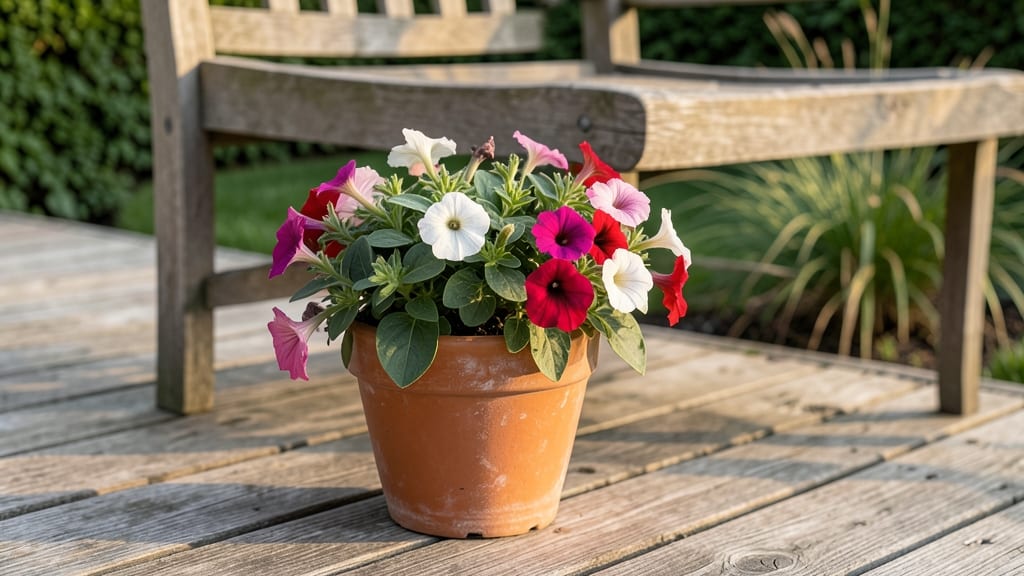
Short flowers for pots transform even the tiniest balcony into a vibrant garden. 🌸 I learned this the hard way—my first attempt with towering geraniums ended with a wobbly, top-heavy disaster. The right compact varieties, though, create sturdy, spill-proof displays that thrive in containers from 6 to 12 inches deep.
Petunias, pansies, and calibrachoa top the list for their neat growth habits and bold colors. They need just 4-6 hours of sun daily and thrive in well-draining potting mix, making them perfect for beginners.
My favorite combo? Mixing trailing calibrachoa with upright pansies for a layered look that never flops over.
You’ll end up with pots that stay compact, colorful, and full all season long. The secret is choosing varieties that match your pot size—6-inch pots work for single plants, while 12-inch containers can handle small groups. Plus, they bloom nonstop from spring through fall with minimal fuss.
Works for everything from window boxes to hanging baskets, and even pairs beautifully with herbs like thyme or foliage plants like sweet potato vine. Let’s get those pots planted!
📚 In This Guide
- What you need
- Instructions
- Tips and common mistakes
- Wrapping up and next steps
What you need
- ● Short flowering plants: Choose from compact varieties like Petunia, Begonia, Marigold, Pansies, or Calibrachoa. Opt for 3-5 plants per 6-8 inch pot (adjust based on plant size).
- ● Containers: Pots with drainage holes (6-12 inches in diameter). Terracotta, ceramic, or plastic work well. 1 pot per plant group (e.g., 1 pot for 3-5 petunias).
- ● Potting soil: High-quality, well-draining mix (avoid garden soil). A 10-15 quart bag covers 3-5 medium pots.
- ● Slow-release fertilizer: Granular or spike form (e.g., Osmocote or Miracle-Gro). 1 packet per 3-5 plants.
- ● Garden trowel or small shovel (for planting).
- ● Watering can with a fine rose (or spray bottle for seedlings).
- ● Pruning shears (for trimming dead blooms or overgrowth).
- ○ Glove (optional, to protect hands from soil or thorns).
- ● Decorative mulch (e.g., pebbles, bark chips) to enhance aesthetics.
- ● Plant labels (to track varieties).
- ● Self-watering pot liner (for consistent moisture).
- ● Liquid fertilizer (for a mid-season boost).
Step-by-Step guide to selecting and planting compact flowers for containers
Here's how to create vibrant, space-saving floral displays that thrive in pots.
🌱 Step 1: Choose the Right Compact Varieties
Select flowers specifically bred for containers—look for labels indicating "dwarf," "miniature," or "compact" varieties. Petunias, geraniums, and calibrachoas are classic choices, but also consider bacopa or lobelia for trailing interest. I always check mature height labels: aim for plants that stay under 12 inches tall when fully grown.
For 4 pots, choose either one bold focal plant per container (like a 6-inch-tall salvia) or mix 3-5 compact plants per pot for layered texture. Avoid overcrowding—root competition stunts growth. I like pairing succulents with delicate blooms like portulaca for contrast.
🪴 Step 2: Prepare Containers and Soil Mix
Use pots with drainage holes—6-12 inches wide for single plants, 12-16 inches for mixed arrangements. I swear by terra cotta for its breathability, but plastic works too if you add extra perlite to prevent waterlogging. Fill each pot with a lightweight potting mix designed for containers (never garden soil—it compacts and suffocates roots).
Add a slow-release fertilizer to the mix (about 1 tablespoon per gallon of soil) to feed blooms all season. Moisten the soil until it's damp but not soggy—you should see moisture bead on the surface but not pool. Tap the pot gently to settle the soil without compacting it.
☀️ Step 3: Plant with Proper Spacing and Light Needs
Dig holes twice as wide as the root ball but no deeper—this prevents stem rot. Place plants so their crowns sit at soil level (burying stems too deep causes rot). For mixed pots, arrange taller varieties in the center and trailing types at the edges. I always step back to check the visual balance before pressing soil firmly around roots.
Most compact flowers need 6+ hours of direct sun daily, but some like impatiens tolerate partial shade. If your space gets afternoon shade, opt for coleus or begonias instead. Water immediately after planting to eliminate air pockets and encourage root contact with soil.
💧 Step 4: Water and Maintain for Continuous Blooms
Water when the top inch of soil feels dry—stick your finger in to check. Most compact flowers prefer even moisture but hate soggy roots. I water in the morning so foliage dries before evening, preventing fungal issues. Use a watering can with a rose attachment to direct water at the soil, not the leaves.
Feed every 2-3 weeks with a balanced liquid fertilizer (10-10-10 ratio) to encourage blooming. Deadhead spent flowers regularly—this redirects energy to new buds. I pinch off wilted blooms with my fingers (no shears needed) while checking for pests like aphids on the undersides of leaves.
✂️ Step 5: Prune and Refresh for Season-Long Beauty
Trim leggy stems back by one-third in early summer to encourage bushier growth. I use clean, sharp scissors to make cuts just above a leaf node. For trailing varieties like lobelia, gently weave stems over pot edges to create a cascading effect. This also prevents stems from breaking under their own weight.
By mid-season, replace any plants that look tired with fresh 6-inch-tall starts from the garden center. This keeps your containers looking full and vibrant. I always save a few spent blooms in a vase—they make charming, low-maintenance cut flowers too.
Tips & tricks for perfectly planted container flowers
Took me years of trial-and-error to perfect these container gardening secrets—here's how to avoid my mistakes and create showstopping displays.
Selection Tip: When choosing compact varieties, prioritize plants labeled "container-specific" or "patio-friendly." These are bred to thrive in confined spaces and often come with built-in disease resistance. For example, the 6-inch-tall salvia mentioned in Step 1 should have vibrant foliage and sturdy stems—avoid leggy nursery specimens that won't hold up in pots. I always check for healthy, compact growth patterns before purchasing, and look for plants with multiple blooms already forming.
Soil Strategy: The lightweight potting mix mentioned in Step 2 deserves special attention—this isn't the time for garden soil or compost-heavy mixes. I recommend adding one part perlite to your container mix for every three parts potting soil to improve drainage while retaining moisture. This balance prevents both root rot and drought stress. For mixed containers, I also incorporate one tablespoon of worm castings per gallon of soil mix to boost microbial activity and nutrient availability.
Lighting Insight: The 6+ hours of direct sun requirement in Step 3 is non-negotiable for most compact flowers, but here's the pro move: rotate your pots every 2-3 weeks to ensure even sun exposure. This prevents one side from becoming leggy while the other stays compact. For afternoon-shade situations, supplement with a grow light for 4-6 hours daily—I've had great success with LED grow bulbs placed 12 inches above the plants.
Pruning Precision: When trimming leggy stems in Step 5, focus on cutting just above a leaf node where new growth naturally emerges. This technique encourages bushier growth rather than just reducing plant size. For trailing varieties like lobelia, weave stems through the pot's drainage holes to create a natural, flowing cascade. I also recommend using sterilized scissors (wipe with rubbing alcohol between cuts) to prevent spreading diseases between plants.
Pro Tips for Short Flowers For Pots
- Took me years of trial-and-error to perfect these container gardening secrets—here's how to avoid my mistakes and create showstopping displays.
- Selection Tip: When choosing compact varieties, prioritize plants labeled "container-specific" or "patio-friendly."
- Soil Strategy: The lightweight potting mix mentioned in Step 2 deserves special attention—this isn't the time for garden soil or compost-heavy mixes.
Frequently asked questions
Got questions about growing short flowers in pots?
Here are answers to the most common ones—so you can pick, plant, and enjoy with confidence!
What are the best short flowers for small pots?
Compact varieties like pansies, petunias, marigolds, nasturtiums, and bacopa thrive in containers. Choose ones labeled "dwarf" or "compact" for even smaller spaces. Check our materials guide for pot size recommendations!
How often should I water short flowers in pots?
Short flowers in pots dry out faster than in-ground plants. Water when the top inch of soil feels dry—usually every 2-3 days in hot weather. Nasturtiums and petunias love moisture, while succulents (like sedum) need less. Pro tip: Use well-draining soil to prevent root rot!
Can I grow short flowers in pots all year?
Most short flowers are seasonal. Pansies and violas handle cool weather, while geraniums and basil prefer warmth. In cold climates, move pots indoors or use heat mats for winter. Herbs like thyme are year-round exceptions!
What can I do if my potted flowers wilt or stop blooming?
Wilting? Check for underwatering or overwatering. Yellow leaves? Too much sun or fertilizer burn. Deadhead spent blooms to encourage new flowers. If pests (like aphids) appear, spray with neem oil or rinse gently. Rotate pots for even growth!
Are there any low-maintenance short flowers for beginners?
Nasturtiums, sweet alyssum, and bacopa are hardy and self-cleaning. Succulents like echeveria need almost no water. Start with these if you’re new to container gardening!
Still unsure? Drop your question in the comments—we’re happy to help!
Wrapping up and next steps
Short flowers for pots are the perfect way to bring color and charm to any small space—whether it’s a cozy balcony, a sunny windowsill, or a tiny patio. From cheerful petunias to fragrant alyssum, these compact varieties prove that big beauty doesn’t need big space.
With the right care and placement, you’ll enjoy a thriving mini garden that’s as low-maintenance as it is stunning!
Ready to transform your space? Start by picking your favorite short blooms, grab a pot, and let your green thumb shine! 🌸💐 Which one will you try first?