
Flowers
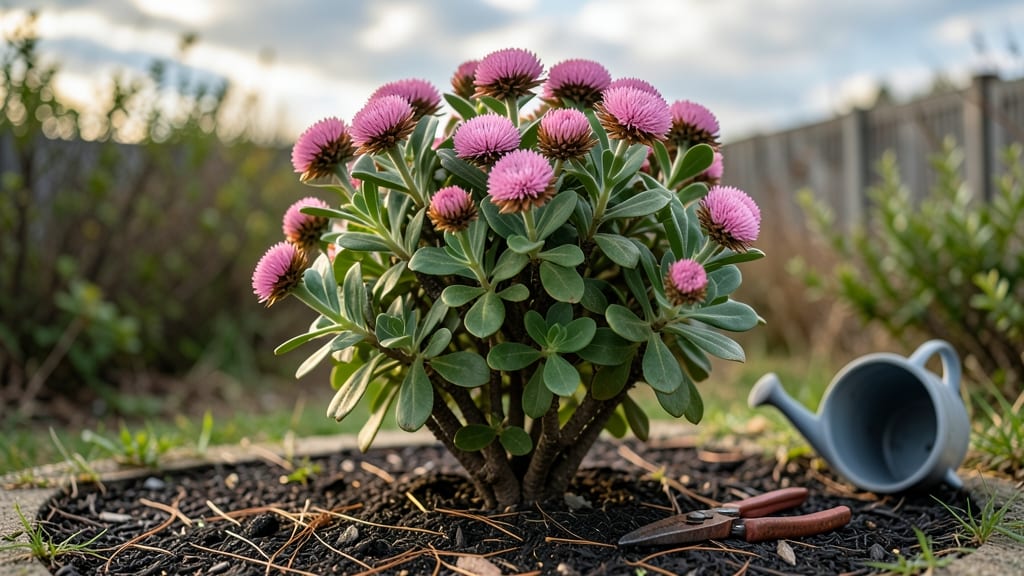
Pin cushion flowers bring that dramatic purple punch to containers with their fluffy, pom-pom blooms that look like they were dipped in velvet. 🌿 I fell for them after seeing how they transformed a dull patio corner into a showstopper—no fancy garden needed.
These hardy perennials (or biennials, depending on the variety) thrive in pots, making them perfect for small spaces, balconies, or even window boxes.
The secret to their bold, bushy growth lies in well-draining soil and at least 6 hours of sunlight daily. They’re surprisingly low-maintenance once established, but they do love consistent moisture—think of them like thirsty friends who appreciate a good drink but hate soggy shoes.
With the right care, you’ll get nonstop blooms from midsummer until frost, and they even self-seed for next year’s surprise pops of color.
Pruning spent blooms keeps them flowering longer, and they handle light frost like champs, so you can enjoy their charm well into fall. The best part? They’re deer-resistant and attract pollinators, making them a win-win for both your garden and the local bees.
Whether you’re a container gardening newbie or a seasoned pro, these flowers deliver drama with minimal fuss.
Here’s where it gets interesting—they’re tough enough to handle a little neglect but reward attention with vibrant, long-lasting blooms. Let’s get you started with the exact steps to turn your containers into a purple paradise that neighbors will envy.
📚 In This Guide
- What you need
- Instructions
- Tips and common mistakes
- Wrapping up and next steps
What you need
- ● Pin cushion flower plant: 1 healthy nursery-grown plant (check for vibrant purple blooms and firm stems).
- ● Container: 1 pot with drainage holes (6–8 inches in diameter; terracotta or ceramic works best).
- ● Well-draining potting mix: 2–3 gallons of a cactus/succulent blend (avoid heavy garden soil!).
- ● Gravel or perlite: 1–2 cups (for extra drainage at the pot’s bottom).
- ● Balanced liquid fertilizer: 1 bottle (20-20-20 or similar, diluted to half-strength).
- ○ Gloves: 1 pair (optional but helpful for handling prickly leaves).
- ● Trowel or spoon: 1 (for planting and mixing soil).
- ● Spray bottle: 1 (to mist leaves lightly if humidity is low).
- ● Stakes or supports: 1–2 (if your plant leans; bamboo skewers work!).
- ○ Decorative stones or mulch: Optional (for a polished container look).
Step-by-Step guide to growing pin cushion flowers in containers
Here's how to cultivate these striking blooms—compact, vibrant, and perfect for small spaces.
🌱 Step 1: Choose the Right Containers and Soil Mix
Pin cushion flowers (Leucosceptrum canum) thrive in well-draining soil and containers with at least 12-inch depth to accommodate their woody stems. I use unglazed terracotta pots (they wick away excess moisture) with multiple drainage holes—critical to prevent root rot. These plants hate soggy feet.
Fill the pot with a lightweight potting mix blended with 20% perlite or coarse sand to improve aeration. The mix should feel like a damp sponge—not heavy or clay-like. I always pre-moisten the soil before planting to encourage root establishment. Skip garden soil; it compacts too easily in containers and suffocates roots.
☀️ Step 2: Select the Perfect Spot and Plant
Pin cushion flowers demand full sun (6+ hours daily) for their signature purple blooms to pop. A south-facing window or balanced outdoor exposure works best. If growing indoors, supplement with a grow light kept 6 inches above the plant for 12-14 hours/day. Without enough light, stems stretch weakly and flowers fade to pale lavender.
Plant one young plant per 12-inch pot (they’re not crowded-loving). Dig a hole twice as wide as the root ball but no deeper—burying the stem too far invites rot. Gently firm the soil around the roots, then water deeply until moisture runs from the drainage holes. This ensures the roots settle into their new home without air pockets.
💧 Step 3: Water and Feed for Vibrant Blooms
Water when the top 1-2 inches of soil feel dry—about once a week in summer, less in winter. These Mediterranean natives tolerate drought but reward consistent moisture with bold, dense flowers. I use room-temperature water to avoid shocking roots, and always water at the base, not overhead. Wet foliage invites fungal issues.
Feed every 4-6 weeks with a balanced liquid fertilizer (10-10-10) diluted to half-strength. Over-fertilizing leads to lush leaves but sparse blooms. I stop fertilizing in late summer to encourage flower buds for next season. Pinch back leggy stems in spring to promote bushier growth—this is the secret to their signature "pin cushion" shape.
✂️ Step 4: Prune and Overwinter for Longevity
After flowering, cut back one-third of the plant to remove spent blooms and encourage a second flush. I use clean, sharp pruners to make cuts just above a leaf node. This prevents disease and keeps the plant compact. Deadhead regularly throughout the season—it’s the key to nonstop purple blooms.
In fall, reduce watering and move containers to a cool (50-60°F), bright spot indoors. These plants are semi-evergreen but benefit from a light trim before winter to remove dead growth. Resume regular care in spring, and you’ll have a bushy, blooming plant ready for summer. With proper overwintering, pin cushion flowers live for years, rewarding patience with their striking color.
Tips & tricks for growing stunning pin cushion flowers
These insider secrets will help you coax the boldest purple blooms from your container-grown pin cushion flowers.
Container Selection: While the instructions call for 12-inch pots, you can also use window boxes or fabric grow bags with adequate drainage. Just ensure they're at least 10 inches deep—shallower containers restrict root growth and limit flowering potential. I've seen pin cushion flowers thrive in hanging baskets with 12-inch depth too, perfect for patios where vertical space is limited. The key is maintaining that critical depth for woody stems.
Soil Mix Upgrade: The 20% perlite recommendation is perfect, but for even better drainage, consider adding orchid bark or coconut coir to your mix. These amendments improve aeration while maintaining moisture retention. I blend in 10% worm castings for extra nutrients—it gives the plants a gentle boost without overfeeding. Remember to pre-moisten your mix before planting; dry soil can shock delicate roots.
Lighting Solutions: That 12-14 hour grow light requirement can be tricky with indoor setups. I recommend using a smart timer for your grow light to automate the cycle—this ensures consistent light exposure even when you forget. For maximum efficiency, position your light just 4-6 inches above the plant and adjust as it grows. If you notice stems stretching (a sign of light deprivation), it's time to move the plant closer or increase light duration.
Pruning Precision: When cutting back one-third of the plant in Step 4, focus on removing the oldest stems first—this encourages new growth from the base. Always use sterilized pruners to prevent disease transmission between cuts. I like to make my cuts at a 45-degree angle just above a leaf node; this promotes faster healing and reduces water loss from the wound. The goal is to maintain that signature rounded shape while stimulating fresh blooms.
Pro Tips for Pin Cushion Flowers
- These insider secrets will help you coax the boldest purple blooms from your container-grown pin cushion flowers.
- Container Selection: While the instructions call for 12-inch pots, you can also use window boxes or fabric grow bags with adequate drainage.
- Soil Mix Upgrade: The 20% perlite recommendation is perfect, but for even better drainage, consider adding orchid bark or coconut coir to your mix.
Frequently asked questions
Got questions about growing pin cushion flowers? You’re not alone! Here are some of the most common queries—and their answers—to help you cultivate these striking blooms with confidence.
When is the best time to plant pin cushion flowers?
Pin cushion flowers (Leucospermum spp.) thrive in spring or early fall when temperatures are mild (60–75°F). Avoid planting in extreme heat or frost, as they’re sensitive to cold. If starting from seeds, begin indoors 8–10 weeks before the last frost for a head start!
How often should I water pin cushion flowers?
Water deeply once a week (or more in extreme heat), ensuring the soil stays moist but well-drained. Overwatering can cause root rot, so let the top inch of soil dry out between waterings. Pro tip: Mulch around the base to retain moisture and protect roots.
Can pin cushion flowers grow in containers?
They’re perfect for containers with well-draining soil and a pot at least 12–18 inches deep. Use a mix of potting soil, perlite, and sand. Just ensure the container has drainage holes and place it in full sun (6+ hours daily) for the best blooms.
Why aren’t my pin cushion flowers blooming?
Lack of blooms often stems from insufficient sunlight or poor soil. Ensure they get full sun and feed with a low-phosphorus fertilizer (like 5-10-5) in early spring. Deadheading spent blooms can also encourage new flowers!
Are pin cushion flowers drought-tolerant once established?
Yes! Once rooted, they’re moderately drought-tolerant but still need occasional watering during dry spells. However, they won’t thrive in soggy soil, so prioritize drainage. In containers, monitor moisture closely, as pots dry out faster.
Wrapping up and next steps
Pin cushion flowers (Knautia macedonica) are a showstopper for container gardens—packing bold purple blooms into tight spaces with minimal fuss! Their drought tolerance and long-lasting flowers make them a low-maintenance, high-reward choice for beginners and seasoned gardeners alike.
Whether you’re drawn to their whimsical clusters or their ability to attract pollinators, these perennials prove that big impact doesn’t require big space.
Ready to transform your balcony, patio, or windowsill? Grab your containers, grab some seeds (or cuttings!), and get growing—your future purple paradise is just a season away! 🌸 For extra inspiration, browse container garden designs or share your progress with the gardening community. Happy planting!