
Container Gardens
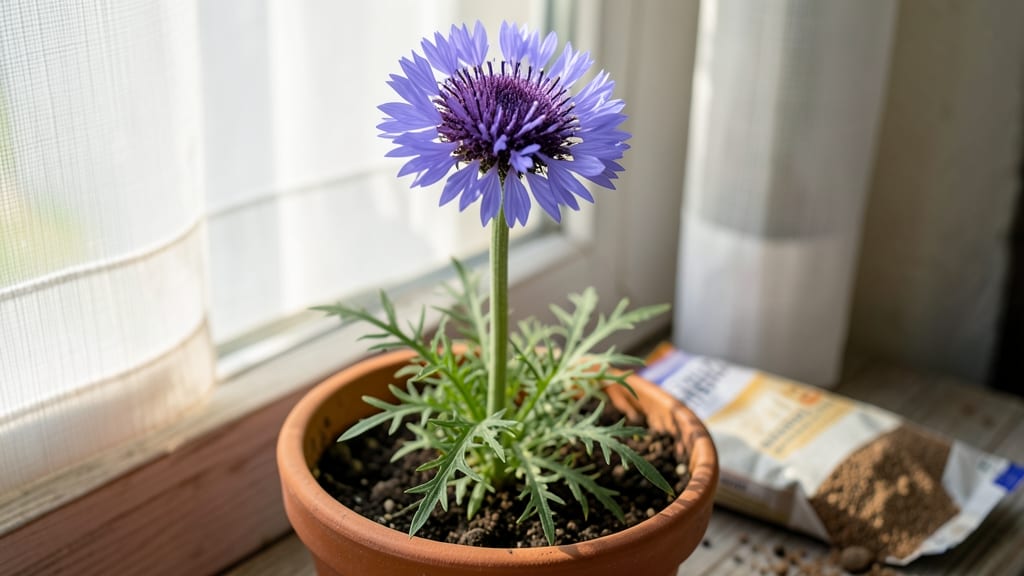
Cornflowers in pots bring that bold blue drama to balconies and patios where space is tight. I planted mine in a terracotta pot last spring, and by summer, they were the star of every patio gathering—tall stems, sky-blue blooms, and a wildflower look that feels effortless.
The secret isn’t complicated: they thrive in containers with just the right mix of sun, soil, and occasional deadheading.
You’ll need a pot at least 12 inches deep (cornflowers have deep roots) and well-draining soil—think 50% potting mix, 30% perlite, and 20% compost. Place them where they get full sun (6+ hours daily), and water when the top inch of soil feels dry.
Overwatering is their downfall, but they bounce back fast if you let them dry out between waterings.
By midsummer, you’ll have 3-4 foot stems packed with blooms that attract bees and butterflies. The best part? They self-seed like crazy, so you’ll get free plants next year.
Pair them with lavender for purple-blue contrast or marigolds for a pop of orange—your pot will look like a cottage garden in minutes.
Even if pests like aphids show up, a quick spray of soapy water fixes it. And if they flop over? Just stake them or tuck them into a corner where their height adds drama.
These flowers prove you don’t need a yard to grow something stunning—just a sunny spot and a little patience.
📚 In This Guide
- What you need
- Instructions
- Tips and common mistakes
- Wrapping up and next steps
What you need
- ● Cornflower seeds: 10–20 seeds per pot (or 1 packet for multiple pots). Opt for Centaurea cyanus varieties like 'Blue Boy' or 'Black Ball'.
- ● Container: 1 pot per 3–4 plants (6–8" in diameter minimum). Ensure it has drainage holes—terracotta or fabric pots work best!
- ● Potting mix: 1 bag of well-draining container mix (avoid garden soil—it compacts!). Add perlite or sand (1 part per 3 parts soil) for extra aeration.
- ● Fertilizer: 1 balanced, water-soluble fertilizer (5-10-5 or 10-10-10 ratio). Use half-strength at planting and again when blooms appear.
- ● Watering can or spray bottle: A gentle spray helps avoid disturbing seedlings.
- ● Gloves: Protect your hands from prickly cornflower stems.
- ● Trowel: For easy soil scooping and transplanting.
- ● Plant labels: Mark varieties if growing multiple types.
- ○ Mulch (optional): A light layer of gravel or straw retains moisture and deters weeds.
- ● Decorative stones or pebbles: Elevate pots or add a pop of color to your container garden.
How to grow cornflowers in containers for stunning season-long color
Here's my foolproof method for coaxing those iconic blue blooms into pots—no garden bed required.
🪴 Step 1: Choose the Right Containers and Drainage
Cornflowers need room to grow, so select containers that are at least 12 inches deep and 12 inches wide—they develop deep taproots and need space to establish. I prefer terracotta pots because they wick away excess moisture, preventing the root rot that can plague container-grown cornflowers. Make sure each container has multiple drainage holes—cornflowers hate soggy feet.
If your pots don't have drainage, drill holes in the bottom and line the interior with landscape fabric to prevent soil from washing out. Place a 2-inch layer of gravel at the bottom before adding soil—this ensures water flows freely and roots don't sit in waterlogged conditions. The gravel also helps prevent the soil from compacting over time, which is critical for cornflowers that need loose, well-aerated soil.
🌱 Step 2: Prepare Lightweight, Well-Draining Soil
Cornflowers despise heavy, compacted soil, so blend 50% high-quality potting mix with 50% perlite or coarse sand to create a loose, airy medium. I add a handful of slow-release fertilizer (like 10-10-10) to the mix to give the plants a nutrient boost right from the start. Avoid garden soil—it's too dense and can suffocate roots, leading to stunted growth and fewer blooms.
Fill the container to within 1 inch of the rim with your soil mix, leaving room for watering. Tap the pot gently on the table to settle the soil without compacting it. You want the surface to be firm but still loose enough for roots to push through easily. Pressing too hard can create a crust that blocks water and air from reaching the roots.
☀️ Step 3: Plant Seeds at the Correct Depth and Spacing
Cornflower seeds are tiny but hardy, so sow them ¼ inch deep—any deeper and they may struggle to emerge. Space seeds 6 inches apart in rows that are 6 inches apart as well. This spacing gives plants room to grow without competing for nutrients or light, which is especially important in containers where resources are limited. I use a toothpick to poke individual holes for each seed to ensure precise placement.
Cover the seeds lightly with soil, then mist the surface with water until it's evenly moist but not soggy. Place the pot in a warm, sunny spot—cornflowers germinate best at 65-75°F. You should see sprouts in 7-14 days, depending on your climate. If the soil feels dry to the touch before germination, give it a light watering, but avoid soaking the soil until after the seeds have sprouted.
💧 Step 4: Provide Consistent Water and Sunlight
Once seedlings emerge, move the pots to a location with full sun (6+ hours daily)—cornflowers need bright light to develop their signature bold blue blooms. If you're growing them in partial shade, expect fewer flowers and weaker stems. Water the plants deeply once a week, allowing the top 2 inches of soil to dry out between waterings. Overwatering is the fastest way to kill container-grown cornflowers, so always check the soil before watering.
When the plants reach 6 inches tall, add a balanced liquid fertilizer (like 20-20-20) every 4-6 weeks to encourage robust growth and abundant blooming. You'll know they're thriving when they develop strong stems and deep green leaves. If the leaves start yellowing, it's a sign of overwatering or nutrient deficiency—cut back on water and fertilize lightly to correct the issue.
✂️ Step 5: Deadhead and Maintain for Long-Lasting Blooms
Cornflowers bloom prolifically, but deadheading spent flowers encourages more blooms throughout the season. Use clean pruners to snip off faded blooms at the base of the stem, just above a set of leaves. This redirects the plant's energy toward producing new flowers instead of seeding. I deadhead every 2-3 days during peak bloom to keep the plants looking their best and extending the flowering period.
By mid-summer, cornflowers may start to look leggy or overcrowded. If this happens, trim back the tallest stems by one-third to encourage bushier growth. This also prevents the plants from toppling over, which is a common issue in containers. With proper care, your cornflowers will continue blooming until the first frost, providing bold blue color from early summer to fall.
Tips & tricks for thriving container cornflowers
Cornflowers in pots demand attention to detail—here's how to ensure those vibrant blue blooms reach their full potential without the common pitfalls.
Container Selection Wisdom: While the instructions specify 12-inch containers, consider adding saucers underneath to catch excess water during those weekly deep waterings. This prevents soil erosion and keeps your patio or balcony clean. For extra stability, place heavier containers on the bottom layer if you're stacking multiple pots—cornflowers can get top-heavy as they mature, especially in windy conditions.
Soil Mix Strategy: The 50/50 potting mix and perlite/sand blend is perfect, but for even better drainage, I add a handful of small coconut coir chunks to the mix. These break down slowly, adding air pockets that prevent compaction over time. If you notice water pooling after watering, add more perlite—this is your signal the mix needs more aeration.
Germination Environment: Cornflower seeds thrive at 65-75°F, but if your home runs cooler, place the pots on a seedling heat mat set to 70°F. I've found this cuts germination time from 14 days to just 7-10 days. Once sprouts appear, remove the heat mat immediately—you don't want to overheat the delicate seedlings once they've emerged.
Sunlight Optimization: For containers on patios or balconies, rotate pots every 2-3 days to ensure even sun exposure. Cornflowers grow toward the light, so uneven exposure leads to lopsided plants. If you notice leaves leaning dramatically toward one side, it's time to reposition. South-facing locations are ideal, but even west-facing spots work well as long as they get the full 6+ hours of sunlight.
Pro Tips for Cornflowers In Pots
- Cornflowers in pots demand attention to detail—here's how to ensure those vibrant blue blooms reach their full potential without the common pitfalls.
- Container Selection Wisdom: While the instructions specify 12-inch containers, consider adding saucers underneath to catch excess water during those weekly deep waterings.
- Soil Mix Strategy: The 50/50 potting mix and perlite/sand blend is perfect, but for even better drainage, I add a handful of small coconut coir chunks to the mix.
Frequently asked questions
Got questions about growing cornflowers in pots?
You’re not alone! Here are answers to the most common queries to help you cultivate stunning blue blooms with ease.
When is the best time to plant cornflowers in pots?
Plant cornflower seeds in pots 4–6 weeks before your last expected frost for spring blooms. For a fall display, sow seeds in early summer (around July). Cornflowers thrive in cool weather, so avoid planting in extreme heat. If you’re in a warm climate, opt for fall planting to prevent bolting.
How often should I water potted cornflowers?
Water your cornflowers when the top inch of soil feels dry—usually 1–2 times per week, depending on heat and humidity. Overwatering can lead to root rot, so ensure pots have drainage holes. During blooming season, keep soil consistently moist but not soggy. A self-watering pot can help maintain steady moisture.
Can cornflowers grow in small pots, or do they need deep containers?
Cornflowers adapt well to small to medium pots (6–12 inches deep), but they’ll thrive best in containers with at least 6 inches of depth. If using shallow pots, pair them with dwarf varieties like ‘Little Goblin’ to prevent root crowding. Ensure the pot has good drainage to avoid waterlogged soil, which stunts growth.
Why aren’t my cornflower seeds germinating in pots?
Cornflower seeds need light to germinate, so avoid burying them deeply—just press them ¼ inch into the soil. Keep the soil consistently moist (not soggy) and place pots in a warm, sunny spot (60–70°F). Slow germination? Try stratifying seeds (chilling them for 2 weeks) or using a heat mat. Patience is key—they can take 10–21 days to sprout!
What can I plant with cornflowers in pots for a stunning combo?
Pair cornflowers with complementary container-friendly plants like:
- Salvia (purple/blue) – adds height and texture.
- Marigolds (orange/yellow) – deters pests naturally.
- Sweet Alyssum (white/pink) – cascades beautifully.
- Dwarf Zinnias (red/pink) – blooms all summer.
Do I need to protect potted cornflowers in winter?
Cornflowers are annuals, so they won’t survive winter—but their seeds often self-sow for next year! If you’re growing them as perennials (in mild climates), move pots to a sheltered, frost-free spot or cover them with burlap during hard freezes. Remove dead foliage in spring to encourage new growth.
Wrapping up and next steps
Growing cornflowers in pots is a rewarding way to add a pop of vibrant blue to your container garden—whether you’re a seasoned gardener or just starting out! 🌸 With the right soil, sunlight, and care, these cheerful blooms will thrive in even small spaces, bringing joy and color to patios, balconies, or windowsills.
Ready to dive in? Start small—pick a sunny spot, gather your supplies, and plant those seeds or seedlings with confidence. Watch as your pots transform into a stunning blue oasis, and don’t forget to share your progress with fellow plant lovers! Happy gardening! 🌿