
Size
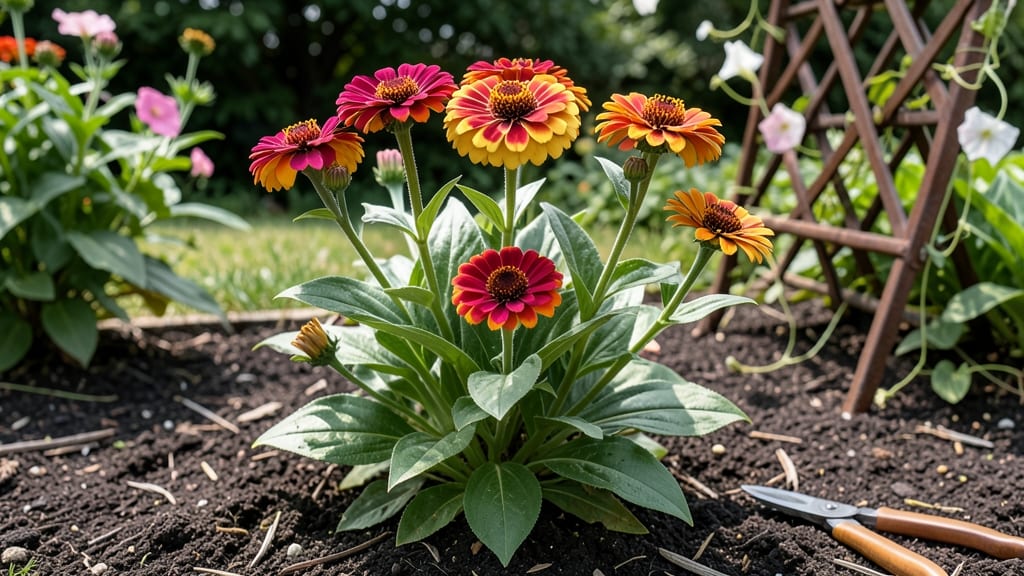
Growing a garden filled with frost-resistant flower plants means you can enjoy blooms from spring through fall without constant replanting. 🌱 I learned the hard way that not all flowers handle cold snaps well—until I discovered hardy varieties like coneflowers, black-eyed Susans, and Russian sage that bounce back after frost.
These tough beauties don’t just survive; they thrive, giving you vibrant color even when temperatures dip. The secret starts with well-draining soil mixed with compost and a sunny spot that gets at least 6 hours of light daily.
Frost-resistant flowers need good airflow to prevent rot, so avoid planting them too tightly. Once established, they’ll need watering once a week (more in extreme heat) and occasional deadheading to keep blooms coming.
By late summer, your garden will be a riot of color—deep purples, sunny yellows, and soft pinks that attract pollinators all season. The best part? These flowers come back year after year, reducing your workload and boosting your confidence. Let’s get those roots in the ground!
Start by choosing perennial varieties that fit your climate zone, as they’ll return stronger each year. Plant in early spring or fall when soil temperatures are mild, giving roots time to establish before winter.
A 3-inch layer of mulch helps insulate roots during frost, while also suppressing weeds and retaining moisture. Maintenance is minimal once they’re planted: trim back dead foliage in early spring, fertilize lightly in early summer, and watch them rebound.
You’ll spend less time fussing over wilting plants and more time admiring their resilience. Even in colder months, these flowers keep your garden lively.
For beginners, these frost-resistant flowers are the perfect way to build a low-maintenance garden. They handle neglect better than many annuals and reward you with months of blooms with almost no effort. Whether you’re filling a border, brightening a shady corner, or adding height to a bed, these varieties deliver.
📚 In This Guide
- What you need
- Instructions
- Tips and common mistakes
- Wrapping up and next steps
What you need
- ● Frost-resistant flower seeds or seedlings: 1–2 lbs of seeds (e.g., coneflowers, black-eyed Susans, daisies, or pansies)
- ● OR 6–12 healthy seedlings (check local nurseries for cold-hardy varieties)
- ● Well-draining soil: 1–2 cubic yards (mix garden soil + compost in a 2:1 ratio)
- ● Organic mulch: 2–3 inches of straw, wood chips, or shredded leaves (helps insulate roots)
- ● Watering can or hose: With a gentle spray nozzle (1–2 gallons capacity)
- ● Gloves & knee pads: For comfortable planting and weeding
- ● Sunlight: At least 6 hours of direct sun daily (most frost-resistant flowers love full sun!)
- ● Climate zone: Check your USDA Hardiness Zone (zones 3–9 work for many varieties).
- ● Water source: Access to a hose or rainwater collection system
- ● Time commitment: 10–15 minutes daily for watering and maintenance
How to choose and plant frost-resistant flowers for year-round color
Here's the simple approach I use to create a garden that blooms through every season—no dead zones, just constant color.
🌱 Step 1: Select the Right Frost-Resistant Varieties
Start with plants labeled as perennial and hardy to Zone 5 or lower—these handle winter best. My go-to frost fighters include coneflowers, black-eyed Susans, Russian sage, and hellebores, which all bounce back after cold snaps. Avoid tender annuals like marigolds or petunias unless you're in a mild climate.
Check the USDA Plant Hardiness Zone for your area—most frost-resistant flowers thrive in Zones 3-7. If you're unsure, ask your local nursery for their top cold-hardy picks. I always buy plants with strong stems and deep green leaves—these show they've survived winter before.
☀️ Step 2: Prepare the Soil for Cold-Weather Growth
Test your soil's drainage first—frost-resistant flowers hate soggy roots. Amend heavy clay with 2-3 inches of compost (from your 3 gallons of prepared mix) to improve airflow. I dig in a handful of bone meal (about ½ cup per plant) for extra phosphorus, which helps roots establish before winter.
Work the soil to a depth of 12 inches—this ensures roots can access deeper moisture when top layers freeze. If your soil is sandy, mix in 1 inch of peat moss to retain water. Frost-resistant flowers need well-draining but moisture-retentive soil to survive winter.
🪴 Step 3: Plant at the Right Depth and Spacing
Dig holes twice as wide as the root ball but no deeper—this prevents water from pooling around the crown. Place each plant so the top of the root ball sits level with the soil surface (not buried). I tap the sides of the hole gently to remove air pockets before setting the plant in.
Space perennials 18-24 inches apart—crowding stresses plants and makes them more vulnerable to frost damage. For example, coneflowers need 2 feet of space, while Russian sage thrives with 24 inches. Mulch with 2-3 inches of straw after planting to insulate roots from temperature swings.
💧 Step 4: Water Deeply Before the First Frost
Give newly planted flowers a deep soak (about 1 gallon per plant) to encourage root growth before winter. I water in the late afternoon so moisture has time to absorb before evening chill sets in. Avoid overhead watering—wet foliage freezes faster and can damage buds.
After the ground freezes, reduce watering but don’t let soil dry out completely. Frost-resistant flowers pull moisture from deep soil layers, so 1 inch of water every 2-3 weeks (when unfrozen) keeps them healthy. Check soil moisture by pushing a finger 2 inches deep—if it’s dry, water again.
✂️ Step 5: Prune and Protect Through Winter
Cut back dead or damaged stems in early spring (after the last frost) to encourage fresh growth. I leave 3-4 inches of stem on perennials like black-eyed Susans—this protects the crown from cold and gives the plant energy to regrow. Avoid heavy pruning in fall, as it stresses plants before winter.
For extra protection, pile 4-6 inches of mulch (like shredded leaves or straw) around the base of plants in Zones 4 and colder. This creates an insulating layer that keeps roots 10-15°F warmer than air temperature. Remove mulch in early spring once new growth appears.
Tips & tricks for perfect frost-resistant flower gardens
Here's what nobody tells you about keeping your frost-resistant flowers blooming beautifully through every season.
Selection Tip: When choosing plants in Step 1, look for labels that specify "Zone 5 or lower" hardiness—this guarantees they'll survive your winter. I've found that plants with thick, waxy leaves like Russian sage or hellebores handle frost best because their protective coating prevents ice damage. Avoid any plants labeled "tender" or "annual" unless you live in a mild climate.
Soil Prep Strategy: In Step 2, don't just amend the top layer of soil—dig down to 12 inches to create a proper root zone. I use a garden fork to loosen compacted soil, then mix in my 3 gallons of compost and ½ cup bone meal per plant. This deep preparation helps roots access moisture even when surface soil freezes. For heavy clay soils, I add a handful of perlite to improve drainage.
Planting Depth Secret: Step 3's advice about planting depth is critical—burying the crown too deeply suffocates the plant, while planting too shallow exposes roots to freezing. I always check that the top of the root ball sits level with the soil surface and gently tap the sides of the hole to eliminate air pockets. For container plants, I score the root ball with a knife to encourage roots to spread outward.
Winter Protection Hack: When applying the 4-6 inches of mulch in Step 5, use a light-colored mulch like straw or shredded leaves—it reflects sunlight during winter, preventing the ground from warming too much. I also create a mini berm around each plant to trap additional heat. This simple trick keeps roots 10-15°F warmer than air temperature, which makes all the difference in harsh winters.
Pro Tips for Grow A Garden Flower Plants
- Here's what nobody tells you about keeping your frost-resistant flowers blooming beautifully through every season.
- Selection Tip: When choosing plants in Step 1, look for labels that specify "Zone 5 or lower" hardiness—this guarantees they'll survive your winter.
- Soil Prep Strategy: In Step 2, don't just amend the top layer of soil—dig down to 12 inches to create a proper root zone.
Frequently asked questions
Got questions about growing frost-resistant flower plants? You’re not alone! Here are some of the most common concerns—and their easy solutions—to help you cultivate a stunning, year-round garden.
What are the easiest frost-resistant flowers for beginners?
Start with hardy perennials like coneflowers, black-eyed Susans, or Russian sage. These thrive in cold climates, require minimal care, and often return year after year. Pro tip: Choose varieties labeled as USDA Zones 3-7 for maximum frost tolerance!
How do I protect my flowers from late spring or early fall frosts?
Use frost cloths or row covers to shield delicate blooms. For young plants, try mulching with straw or watering container plants before frost hits—moist soil insulates roots. Avoid heavy blankets, which can trap moisture and cause rot.
Can I grow frost-resistant flowers in containers?
Opt for compact varieties like pansies, heather, or dwarf irises. Use pots with drainage holes and move them to sheltered spots (like near south-facing walls) during cold snaps. Bonus: Container gardens warm up faster in spring!
Why are my frost-resistant flowers wilting after a freeze?
Wilting is normal—plants often look sad but bounce back! Water gently after frost (avoid soaking) and trim damaged foliage. If flowers stay limp for weeks, they may need fertilizer or better drainage. Watch for: mold or mushy stems, which signal overwatering.
Do I need to deadhead frost-resistant flowers?
Yes! Deadheading (removing spent blooms) encourages more flowers and keeps plants tidy. For perennials, trim back 1/3 of the plant in early spring to stimulate new growth. Except: Leave seed heads for winter interest or wildlife!
Still stumped? Drop your question in the comments—we’re happy to help your garden bloom brighter!
Wrapping up and next steps
Growing frost-resistant flower plants is a rewarding way to enjoy vibrant blooms year-round, even in cooler climates! 🌸 From hardy perennials like coneflowers and black-eyed Susans to resilient annuals such as pansies and snapdragons, your garden can stay colorful no matter the season.
With the right variety, proper care, and a little patience, you’ll create a stunning, low-maintenance landscape that thrives through frost, snow, and even light freezes.
Ready to take the next step? Start small—pick one or two frost-resistant varieties to plant this season and experiment with placement. Before you know it, your garden will be a blooming paradise that keeps giving! 🌿💐 Happy gardening!