
Flowers
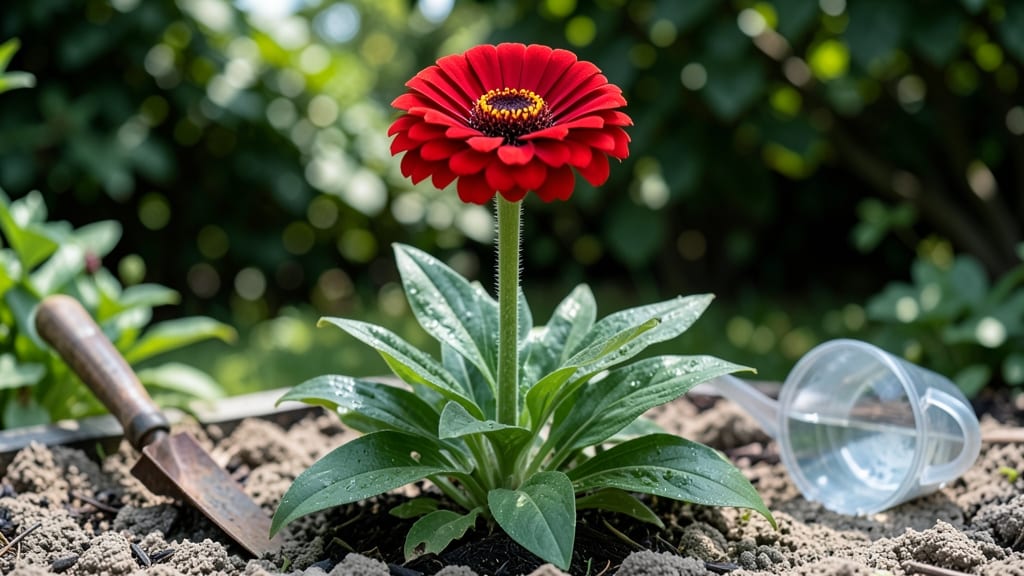
Growing red zinnias from seed gives you bold, fiery blooms that outshine store-bought flowers—if you nail the timing and conditions. Last summer, I planted mine in late April, and by July, my garden was a riot of deep crimson petals that hummingbirds couldn’t resist.
The secret isn’t just patience—it’s matching their love of heat and sunlight with the right soil prep and watering rhythm.
You’ll need well-draining soil mixed with compost, a sunny spot getting 6+ hours of direct light daily, and consistent moisture without soggy roots. Red zinnias thrive when planted ¼ inch deep, spaced 12-18 inches apart, and watered at the base—not overhead—to keep foliage dry.
The first blooms arrive in 60 days, but you’ll get nonstop color until frost if you deadhead spent flowers regularly.
What you’ll end up with is a dramatic, low-maintenance display that attracts pollinators and turns heads at the neighborhood. The petals stay vibrant longer than most annuals, and the plants rebound from heat waves better than many competitors.
Just watch for spider mites in dry spells and powdery mildew if humidity climbs—both fixable with simple sprays.
Perfect for cutting gardens, containers, or border planting—these zinnias adapt to almost any sunny spot. Once you master the basics, you can experiment with dwarf varieties for window boxes or giant ‘Benary’s Giant’ for showstopping bouquets. Let’s get those seeds in the ground!
📚 In This Guide
- What you need
- Instructions
- Tips and common mistakes
- Wrapping up and next steps
What you need
- ● Red Zinnia Seeds: 20–50 seeds (choose a variety like 'Benary’s Giant' or 'Profusion Red' for bold blooms).
- ● Seed Starting Mix: 1–2 quarts of sterile, well-draining potting soil (or coconut coir for eco-friendly options).
- ● Seed Trays or Biodegradable Pots: 1 tray (72-cell) or 5–10 small pots (2–3 inches deep).
- ● Grow Lights or Sunny Window: A south-facing window or a 12–16 hour LED grow light (for indoor starts).
- ● Watering Can or Spray Bottle: With a fine mist nozzle for gentle hydration.
- ● Fertilizer: Balanced liquid fertilizer (5-5-5 or 10-10-10) or organic options like fish emulsion.
- ● Trowel or Planting Knife: For transplanting seedlings (small, 3–4 inch blade works).
- ○ Garden Gloves: Optional but handy for protecting hands from soil and thorns.
- ● Plant Labels: Small stakes or markers to track varieties (especially if growing multiple types).
- ● Outdoor Space: Full sun (6+ hours/day) and well-draining soil (amend with compost if needed). Pro tip: Zinnias thrive in USDA Zones 3–11!
- ○ Mulch (Optional): Straw or shredded leaves to retain moisture and suppress weeds.
- ○ Pruning Shears (Optional): For deadheading spent blooms and encouraging bushier growth.
Step-by-step guide to growing red zinnias from seed
Here's how to transform tiny seeds into vibrant, sun-catching red blooms in just two months.
🌱 Step 1: Prepare Soil and Plant Seeds Indoors
Fill small seed-starting trays with sterile seed-starting mix—never garden soil, which can harbor fungal diseases. Moisten the mix until it feels like a damp sponge, then press it down lightly to create a firm planting surface. This prevents seeds from washing away when you water.
Use your finger or a pencil to make planting holes ¼ inch deep, spacing them about ½ inch apart. Drop 2-3 seeds per hole—zinnias germinate quickly, and thinning later saves time. Cover the seeds with a thin layer of additional mix, just enough to obscure them from light. I tap the tray gently to settle everything without compacting the soil too tightly.
Place the tray in a warm spot (70-75°F) for germination. A seedling heat mat works wonders here, especially if your home runs cooler. Keep the soil consistently moist but never soggy—water from the bottom by placing the tray in ½ inch of water for 10 minutes to avoid disturbing seeds.
☀️ Step 2: Provide Light and Thin Seedlings
Once seeds sprout (5-7 days), move the trays to a bright, sunny window or under grow lights for 14-16 hours daily. Zinnias stretch toward light like sunflowers if they don’t get enough, so keep lights 2-3 inches above the seedlings and raise them as plants grow. You’ll know they’re getting adequate light when leaves are dark green and compact, not pale and elongated.
When seedlings develop 2-3 true leaves (the first set are cotyledons), thin to the strongest plant per hole. Use small scissors to snip weak seedlings at soil level—this prevents disturbing roots of the ones you keep. Water gently after thinning to settle the soil around remaining plants.
🌿 Step 3: Harden Off and Transplant Outdoors
Two weeks before your last frost date, begin hardening off seedlings by placing them outside in a sheltered, shaded spot for 1-2 hours the first day. Gradually increase exposure over 7-10 days, ending with full sun. This toughens stems and leaves so they won’t wilt when transplanted. Watch for wilting or yellowing—if it happens, they’re not ready yet.
Transplant seedlings after all danger of frost when soil is at least 60°F. Dig holes slightly deeper than the seedling’s root ball to encourage strong root growth. Space plants 12-18 inches apart in full sun—zinnias thrive with 6+ hours of direct sunlight daily. Water deeply at the base after planting to eliminate air pockets around roots.
💧 Step 4: Maintain Water and Fertility for Continuous Blooms
Water zinnias deeply once weekly, aiming for 1 inch of water total. Let the top 1-2 inches of soil dry out between waterings—overwatering causes root rot, while underwatering leads to droopy flowers. Mulch with 2-3 inches of organic mulch (like straw) to retain moisture and suppress weeds. I always mulch after watering to lock in moisture.
Feed plants every 2-3 weeks with a balanced liquid fertilizer (10-10-10) diluted to half strength. Zinnias are heavy feeders, but too much nitrogen produces lush foliage at the expense of blooms. Deadhead spent flowers by pinching them off at the base—this redirects energy to new buds and extends the blooming season. You’ll see nonstop flowers if you keep up with this step.
Tips & tricks for growing vibrant red zinnias
Transforming those tiny red zinnia seeds into bold garden stars requires a few key insights that go beyond basic instructions.
Germination Environment: The 70-75°F warmth specified for germination is non-negotiable—zinnias won't sprout reliably below 68°F. I've learned this the hard way after watching trays sit for weeks with no signs of life. If your home runs cooler, invest in a small seedling heat mat ($15-$20) placed under your tray. The 10-minute bottom-watering technique prevents seed displacement while maintaining consistent moisture without disturbing the delicate seeds.
Lighting Strategy: Those critical 14-16 hours of daily light are where most beginners stumble. South-facing windows work in summer but fail in winter. For indoor growers, LED grow lights are the game-changer—position them 2-3 inches above seedlings and raise them weekly. Watch for leaves turning pale yellow or stretching upward (etiolation)—this means your plants are light-starved. A simple test: if you can see your hand clearly between the light and seedlings, it's too far away.
Transplanting Technique: The deeper-than-root-ball planting method might seem counterintuitive, but it encourages zinnias to develop strong taproots. When transplanting, make sure to firm the soil around the base with your fingers—this eliminates air pockets that can cause wilting. I've found that adding a handful of compost to each planting hole gives seedlings a nutrient boost during their critical establishment phase.
Watering Wisdom: The 1-inch weekly watering guideline assumes average conditions, but clay soils need more while sandy soils require less. Always check moisture by inserting your finger 1-2 inches deep—if it feels dry, water. Mulching with 2-3 inches of straw isn't just about moisture retention; it also prevents soil-borne diseases from splashing onto leaves during watering. I've seen zinnia plants thrive with half the water when properly mulched.
Pro Tips for Red Zinnia Flower
- Transforming those tiny red zinnia seeds into bold garden stars requires a few key insights that go beyond basic instructions.
- Germination Environment: The 70-75°F warmth specified for germination is non-negotiable—zinnias won't sprout reliably below 68°F.
- Lighting Strategy: Those critical 14-16 hours of daily light are where most beginners stumble.
Frequently asked questions
Got questions about growing red zinnia flowers? You’re not alone! Here are answers to the most common queries—from timing to troubleshooting—to help you cultivate stunning blooms with confidence.
How long does it take for red zinnias to grow from seed?
With the right conditions, red zinnias sprout in 5–10 days and reach full bloom in 60–70 days from seed. Early varieties (like ‘Benary’s Giant’) may flower slightly faster, while taller types take a bit longer. Pro tip: Start seeds indoors 4–6 weeks before your last frost for a head start!
Do red zinnias need full sun? What if I only have partial shade?
Red zinnias thrive in full sun (6+ hours daily) for the boldest blooms, but they’ll tolerate 4–6 hours of sun in partial shade. In shadier spots, expect smaller flowers and leggy stems. If your garden is shady, opt for dwarf varieties like ‘Thumbelina’ or pair zinnias with taller sun-lovers (like salvia) to maximize light.
How often should I water red zinnias, and will they wilt easily?
Zinnias are drought-tolerant once established, but keep soil consistently moist (not soggy) during germination and flowering. Water at the base in the morning to prevent fungal issues. Wilting usually means underwatering or overwatering—check soil moisture 1–2 inches down before watering again.
Are red zinnias deer- or rabbit-resistant? What pests should I watch for?
While not completely deer-proof, zinnias are less appealing than tender herbs or veggies. Rabbits may nibble seedlings—use row covers or repellent sprays until plants are 6+ inches tall. Watch for Japanese beetles, aphids, and spider mites; blast pests off with water or use neem oil if infestations occur.
Can I grow red zinnias in containers? What’s the best pot size?
Red zinnias do well in containers with dwarf or bush varieties (like ‘Crystal’ or ‘Profusion’). Use pots at least 12–14 inches wide and deep for 1–2 plants per container. Ensure drainage holes and a lightweight potting mix to prevent root rot. Pro tip: Deadhead spent blooms to encourage nonstop container color!
Are red zinnias annuals or perennials? Will they come back next year?
Red zinnias are tender annuals in most climates (USDA Zones 3–11), meaning they won’t survive winter outdoors. However, in Zone 9+, they may self-seed and return the following year. For repeat blooms, save seeds from your healthiest plants or replant fresh seeds each spring.
What are some red zinnia alternatives if I want similar bold flowers?
If you love red zinnias but want variety, try these low-maintenance, sun-loving alternatives:
- Mexican Sunflower (Tithonia rotundifolia): Towering, fiery blooms (up to 6 ft!) with similar vibrancy.
- Cosmos (Cosmos bipinnatus): Airy, daisy-like flowers in red/pink; self-seeds easily.
- Gomphrena (Gomphrena globosa): Papery, heat-tolerant blooms in deep red (‘Fireworks’ series).
- Celestial (‘Celestial’ zinnias): A hybrid with longer vase life and disease resistance.
Wrapping up and next steps
The red zinnia isn’t just a burst of color—it’s a symbol of resilience and joy, proving that even the boldest blooms start from a tiny seed. 🌸 With the right care, you’ll be rewarded with vibrant, long-lasting flowers in just 60 days, adding life to your garden or containers.
Whether you’re a seasoned gardener or a beginner, these fiery blooms are your ticket to effortless beauty.
Ready to plant your passion? Grab your seeds, pick a sunny spot, and get growing—your future red zinnias are waiting! 🌱 Next up: Share your progress with fellow gardeners or experiment with companion plants to extend the blooming season even further.